

By Aimee Hart
Published October 5, 2026
Main Facts: The Anatomy of a Vengeful Path
When players dive into Fire Emblem: Fortune’s Weave, the latest tactical role-playing masterpiece from Intelligent Systems and Nintendo, they are immediately faced with a monumental decision: which route to take first. While the game offers diverse narrative entry points—such as Cai’s exposition-heavy introductory chapters, the lore-dense Fódlan connections offered by the hedonistic Dietrich, and the cultural deep dives into Dagda and Saramis provided by Theodora—one character stands entirely apart from the rest.
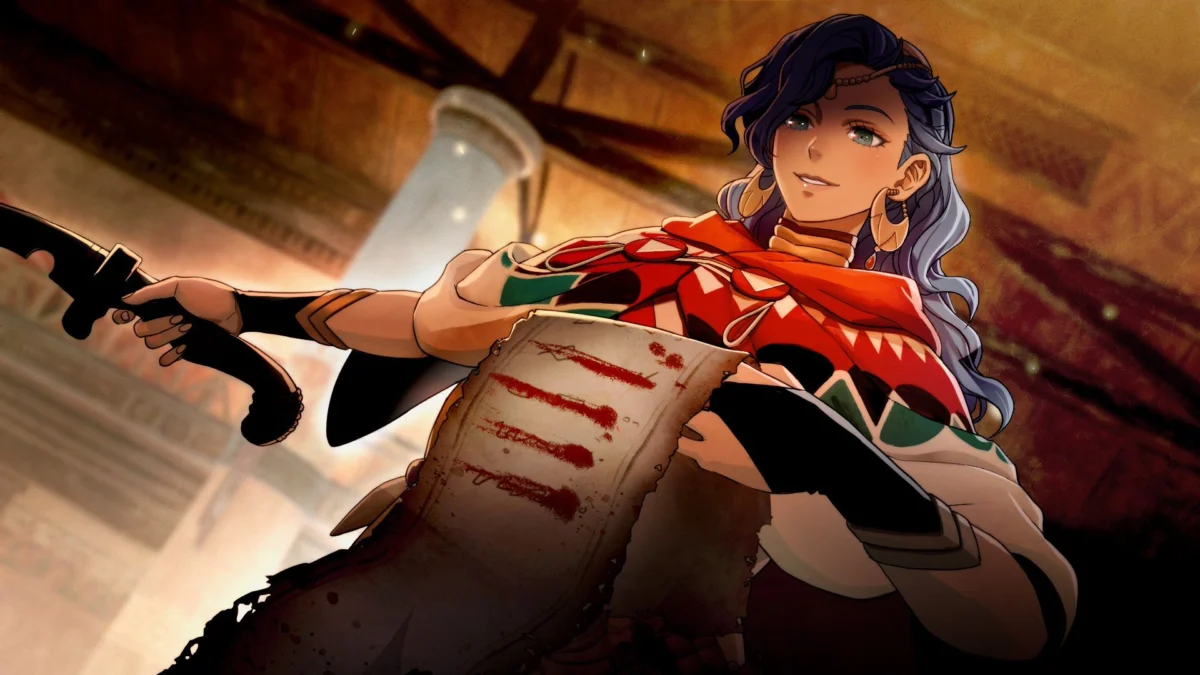
That character is Leda.
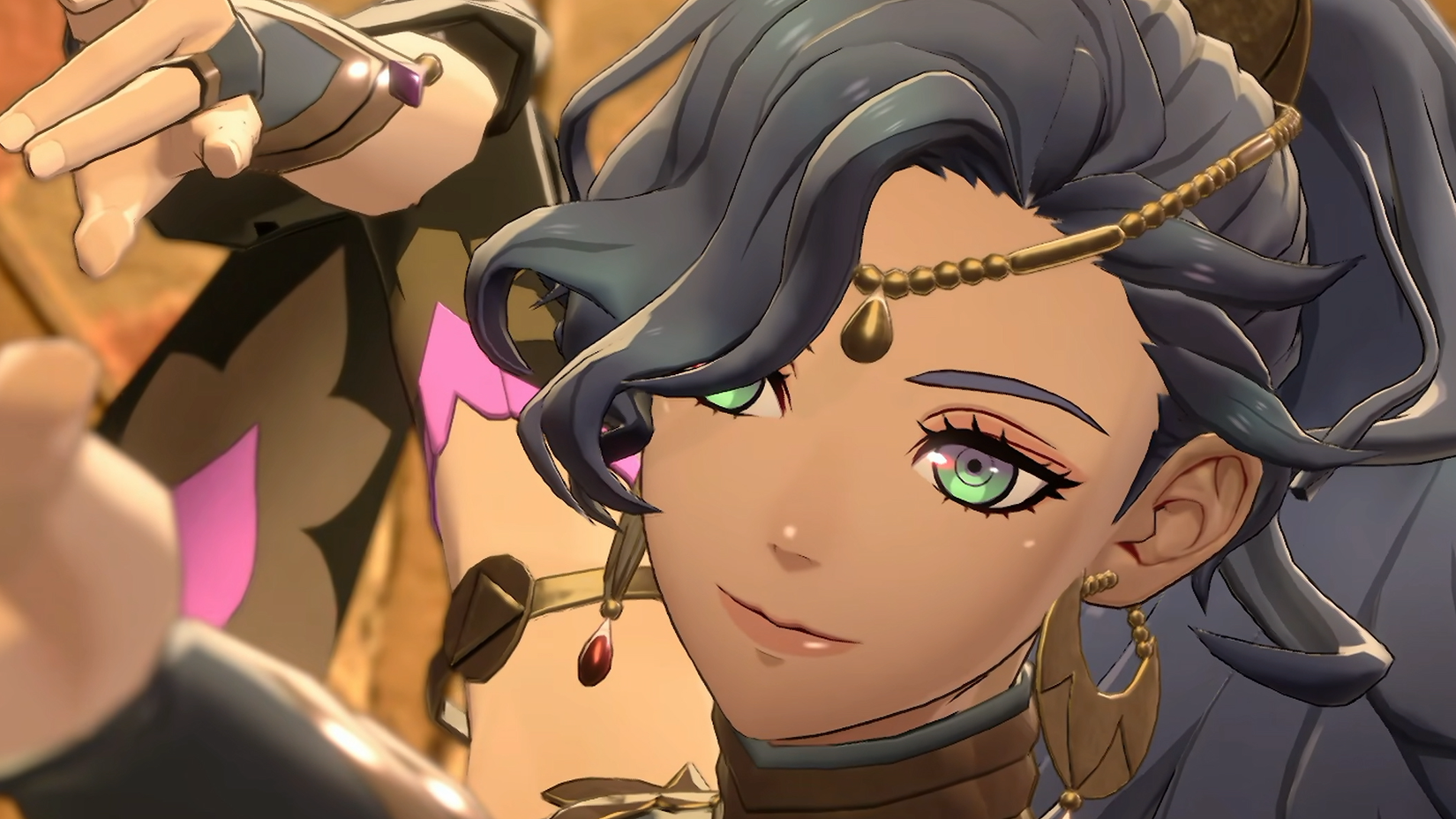
Driven entirely by an unyielding, burning need for vengeance following the murder of her father, Leda’s narrative path bypasses the overarching political and continental struggles of Fortune’s Weave. Instead, it zooms in on a deeply personal, morally grey quest for retribution. Leda is angry, she makes catastrophic mistakes, she pushes her allies away, and she unapologetically embraces her darker impulses.

For veterans of the Japanese role-playing game (JRPG) genre, Leda’s fierce defiance instantly evokes memories of another iconic, criminally underappreciated protagonist: Velvet Crowe from Bandai Namco’s 2017 masterpiece, Tales of Berseria. Both characters challenge the conventional tropes of the self-sacrificing, pure-hearted female protagonist, proving that fiction is infinitely richer when women are allowed to be furious, flawed, and terrifyingly human.
Chronology: From Tragic Catalyst to the Descent into Darkness
To understand why characters like Leda and Velvet resonate so deeply with players who love complex character writing, it is essential to trace the trajectories of their respective narratives.
The Inciting Incidents
Both stories begin with irreversible tragedies that fundamentally shatter the protagonists’ worlds.
- Velvet Crowe’s Story: In Tales of Berseria, Velvet lives a peaceful life until the night of the Scarlet Night, where she witnesses her brother-in-law, Artorius Collbrande, brutally sacrifice her younger brother, Laphicet, to fulfill a cosmic prophecy. This betrayal transforms Velvet from a warm, protective older sister into a hardened prisoner, cast into a subterranean dungeon filled with monsters and left to rot for years.
- Leda’s Story: In Fire Emblem: Fortune’s Weave, Leda’s journey kicks off following the tragic and violent death of her father. Rather than seeking justice through standard political or judicial channels, Leda leverages the brutal Heroic Games as a vehicle to hunt down those responsible, shedding any pretenses of nobility or knightly chivalry.
The Escape and the Seizure of Opportunity
When fate finally hands both women a sliver of an opportunity to get close to the men who ruined their lives—Velvet during a chaotic prison break fueled by daemoniac power, and Leda through her strategic maneuvering in the Heroic Games—they seize it with both hands. They do not hesitate, nor do they pause to consider the moral weight of their actions.

The Spiral of Isolation and Mental Deterioration
As their respective journeys continue, both Leda and Velvet experience a steady psychological and emotional decline.
- Velvet’s body is altered by a malevolence-consuming daemon arm capable of devouring foes, feeding quite literally on her hatred.
- Leda wields a unique guitar-like instrument known as a vihuela, an artifact that amplifies her violent tendencies, whispering promises of destruction the more she plays it.
With every step closer to their ultimate targets, they push their companions away, resort to blackmail, and exhibit ruthless behavior that tests the absolute limits of their allies’ loyalty.
Supporting Data: Narrative Parallels and Character Dynamics
To fully appreciate the narrative weight of Leda and Velvet, it helps to examine the structural similarities between Fire Emblem: Fortune’s Weave and Tales of Berseria. Both franchises are renowned for sprawling, character-driven narratives featuring expansive casts, but their handling of morally complex protagonists offers a fascinating look into game design philosophies.
| Feature / Element | Fire Emblem: Fortune’s Weave (Leda’s Route) | Tales of Berseria (Velvet Crowe) |
|---|---|---|
| Developer/Publisher | Intelligent Systems / Nintendo | Bandai Namco |
| Primary Motivation | Vengeance for her murdered father | Vengeance for her murdered younger brother |
| Primary Weapon / Curse | A vihuela (stringed instrument) that spurs violent ideation | A demonized left arm that consumes enemies and daemons |
| Initial Environment | The competitive, high-stakes arena of the Heroic Games | A subterranean, monster-infested prison cell |
| Supporting Cast Tone | Relatively grounded, standard RPG companions | Eclectic mix of daemons, angels, and eccentric outcasts |
| Core Theme | Supporting women’s wrongs and exploring unmasked rage | The destructive cycle of vengeance versus self-determination |
The Role of the Supporting Cast
In both games, the protagonists are surrounded by loyal companions who act as both anchors and mirrors.
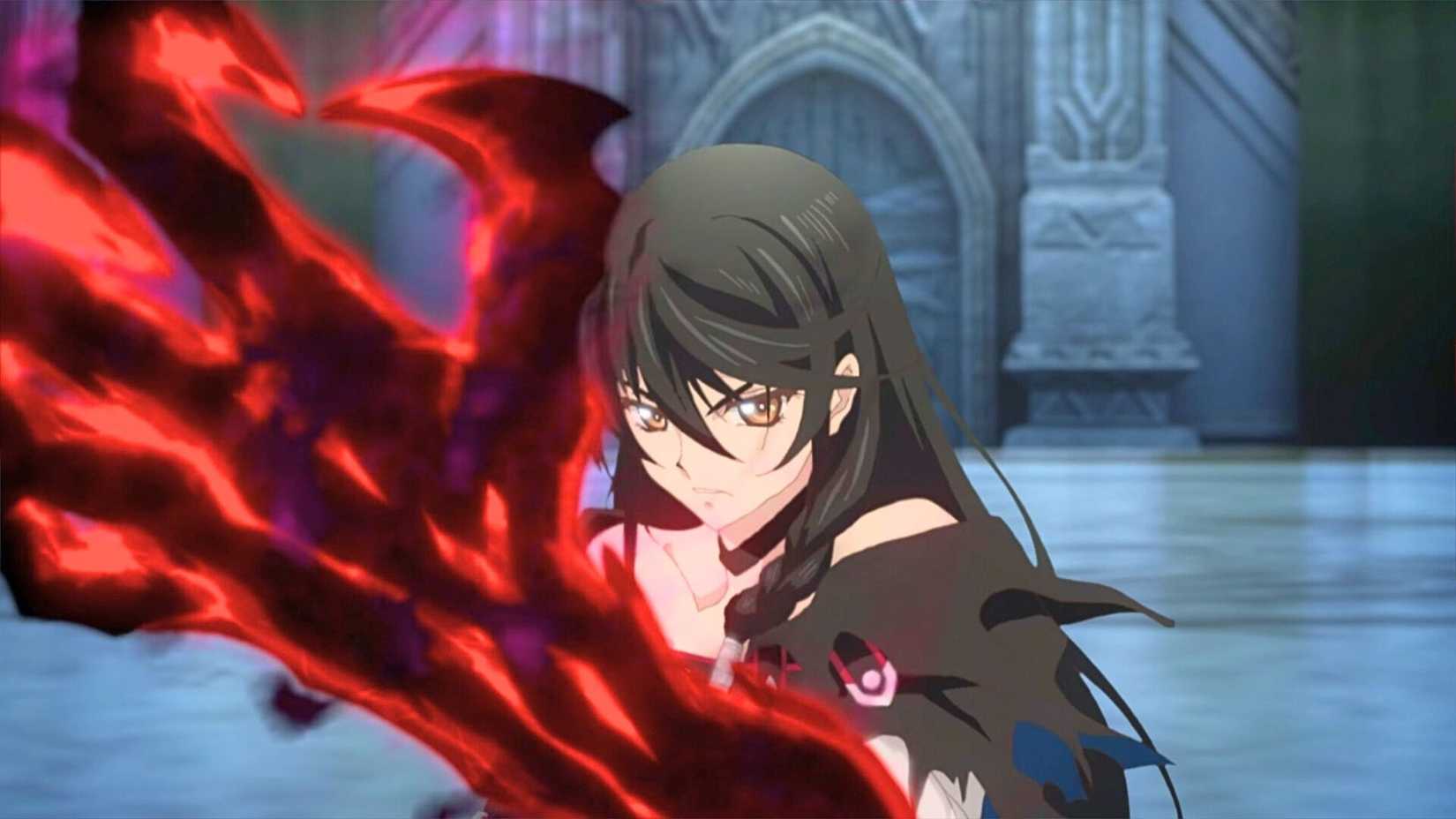
- In Tales of Berseria, Velvet’s crew includes eccentric figures like the endearingly chaotic witch Magilou, a Malak (angel) named Eizen, and various other social outcasts. Despite their differences, their loyalty to Velvet remains steadfast, even when her toxic fury threatens to consume them all.
- In Leda’s Route, her companions face a similar dilemma. They watch in horror as Leda resorts to blackmailing fellow contestants, threatening rivals, and dismissing genuine expressions of concern. Yet, their loyalty persists, creating high-tension dramatic beats that elevate the storytelling far beyond a standard good-versus-evil narrative.
Official Responses and Developer Insights
While Fire Emblem: Fortune’s Weave is a recent release, creators within both Intelligent Systems and Bandai Namco have historically spoken about the challenges and creative freedoms involved in crafting morally ambiguous characters.
During development retrospectives for Tales of Berseria, writers at Bandai Namco noted that Velvet Crowe was specifically designed to challenge the "pure and righteous" archetype that frequently dominated historical JRPGs. The development team wanted to explore what happens when a character’s grief is so absolute that righteousness becomes a luxury they can no longer afford.
Similarly, interviews surrounding the branching narrative structure of Fire Emblem: Fortune’s Weave highlight Intelligent Systems’ desire to lean into darker, more divisive character studies. By stepping away from the traditional, unifying "lord" archetype found in titles like Three Houses, the writers wanted routes that felt fundamentally distinct in tone. Leda’s route was conceived as an exploration of raw, unfiltered grief—a narrative space where the protagonist is allowed to be unlikable, messy, and driven entirely by self-interest without the story immediately pathologizing or sanitizing her anger.
Implications: What Leda and Velvet Mean for the Future of RPG Storytelling
The reception of Leda’s route in Fortune’s Weave and the enduring cult status of Tales of Berseria point to a broader, highly encouraging shift in video game narratives: players are increasingly hungry for complex anti-heroines.
1. Breaking the Madonna-Whore Complex of Character Design
For decades, female protagonists in mainstream video games were frequently funneled into restrictive archetypes. They were either pristine heroines burdened with the fate of the world who must maintain grace under pressure, or they were hyper-sexualized femme fatales stripped of genuine emotional depth. Characters like Velvet Crowe and Leda break this mold entirely. They are allowed to scream, weep, manipulate, and embrace their inner darkness without losing their narrative agency or being relegated to side villains.
2. Grief as a Messy, Non-Linear Experience
Media often treats grief as a stepping stone toward redemption or character growth. Berseria and Fortune’s Weave treat grief as a corrosive, agonizing force that warps a person’s worldview. Neither Leda nor Velvet’s actions are framed as glamorous or objectively "correct." The games do not ask the player to condone their actions; instead, they ask the player to understand them. This distinction is vital for mature storytelling in interactive media.
3. Redefining Player Engagement
By allowing players to choose paths that diverge sharply from standard heroic trajectories, developers foster deeper emotional investment. When a player chooses Leda’s path, they are signing up for a morally taxing journey where happy endings are earned through blood, sweat, and poor decisions. It proves that video games do not always need clean, sanitized moral arcs to be compelling. Sometimes, watching a character unapologetically burn down the world to avenge the ones they love is the most therapeutic gaming experience imaginable.
As Fire Emblem: Fortune’s Weave continues to dominate conversations across gaming communities, Leda stands shoulder-to-shoulder with Velvet Crowe as a gold standard for female rage in RPGs. They may have left a trail of emotional wreckage (and literal bodies) in their wake, but in doing so, they have carved out a permanent, celebrated space for complex, unhinged heroines in modern gaming.
 Suro Senen
 Nana Muazin
 Nana Wu
