

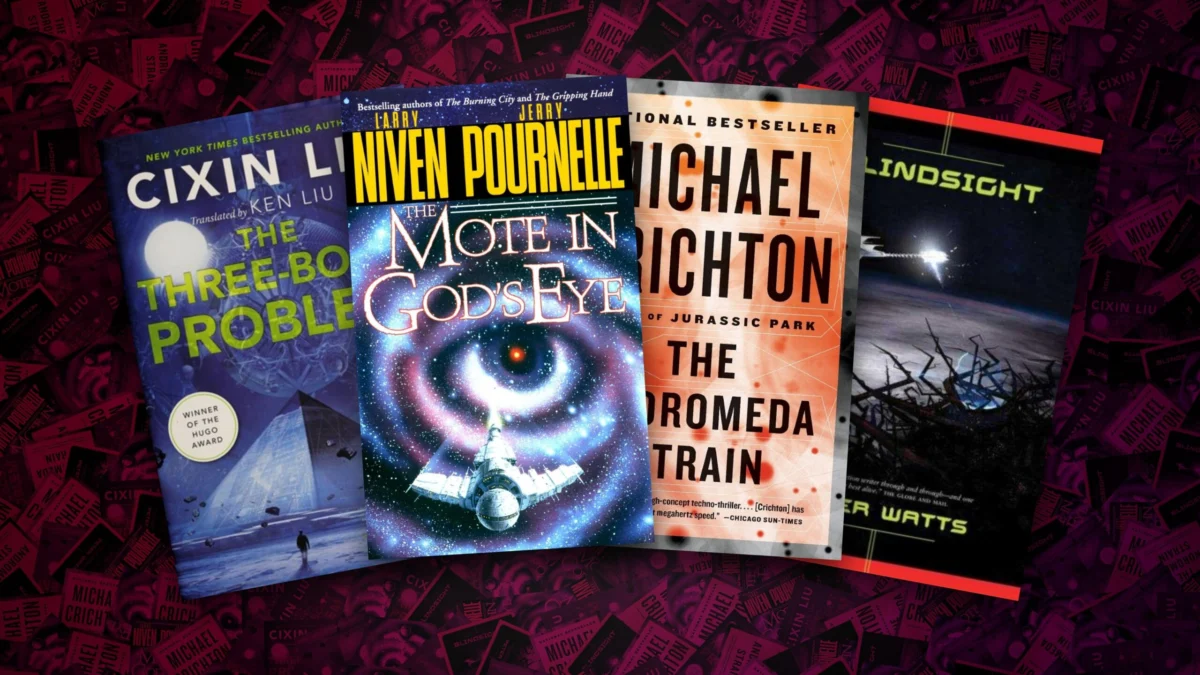
Hard science fiction is speculative fiction for the obsessive. While other subgenres of science fiction often prioritize fantastical world-building, space opera grandeur, or socio-political allegory over rigorous realism, hard sci-fi dives headfirst into the raw machinery of the universe. These are stories that attempt to extrapolate precisely how the orbital mechanics of a spacecraft function, how a synthetic consciousness might compile itself from raw code, how a dying star alters planetary gravity, or how exotic lifeforms could emerge entirely outside our known laws of physics. In this subgenre, science is not merely a background aesthetic or a convenient plot device; it is the driving narrative force.
From the pioneering visions of Jules Verne and H.G. Wells to the explosion of scientific realism during the Golden Age through authors like Isaac Asimov and Arthur C. Clarke, the subgenre has continuously evolved. Modern trailblazers like Robert L. Forward, Greg Egan, and Peter Watts have rocketed hard sci-fi into increasingly dizzying territory, utilizing everything from theoretical astrophysics and genetic engineering to advanced quantum computing as fuel for their narratives.

The greatest hard sci-fi novels do not require hundreds of introductory pages to justify their complex premises. Whether it is the sudden arrival of an impossible alien artifact, an unexpected biological breakthrough that reshapes human civilization, or a chilling cosmological anomaly, these works waste no time showcasing their authors’ mastery. Below is an examination of 10 hard sci-fi masterpieces that hook readers within their opening chapters, proving that rigorous science and gripping storytelling are not mutually exclusive.
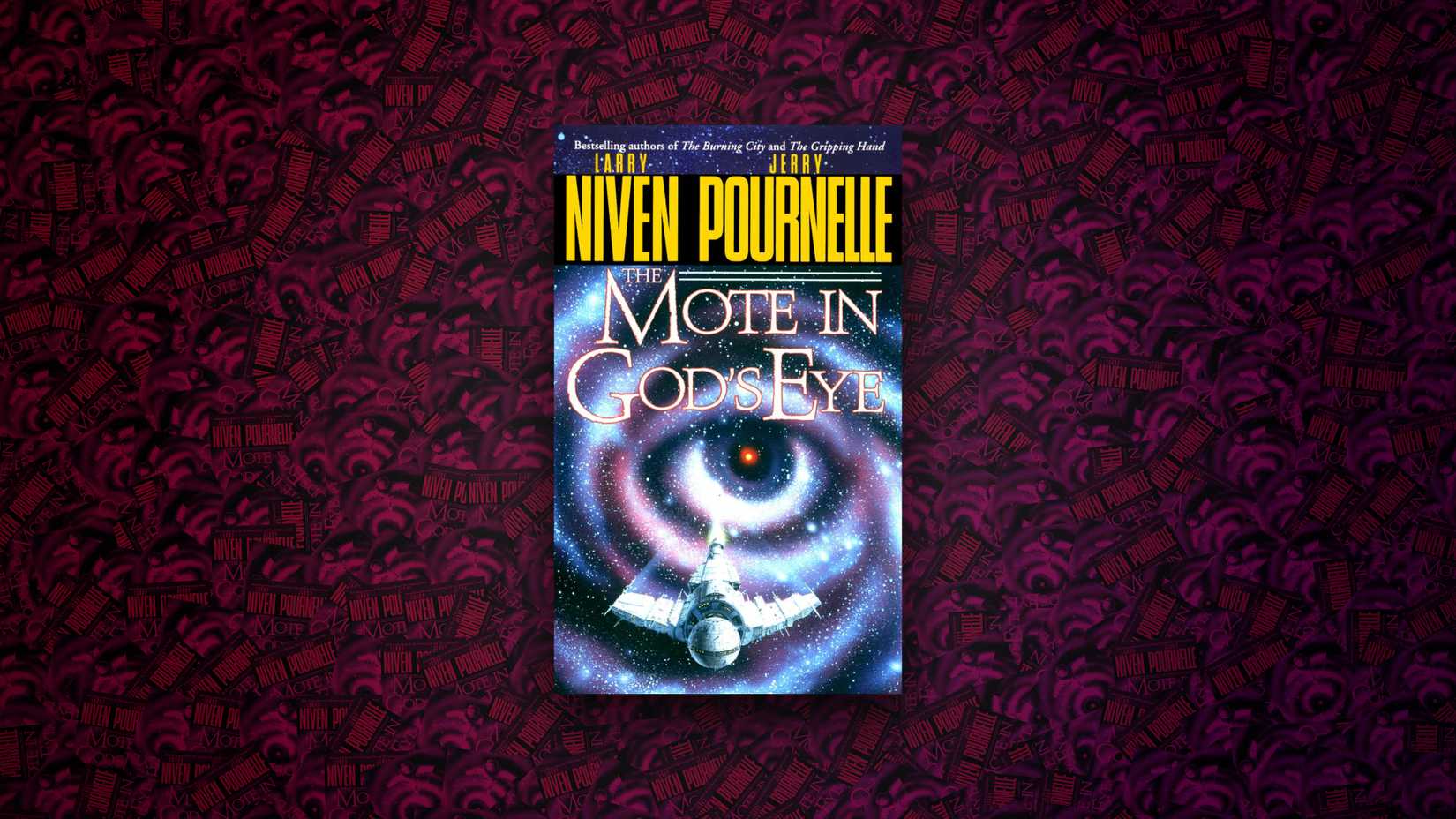
1. The Mote in God’s Eye (1974) by Larry Niven & Jerry Pournelle
Main Facts & Premise
Set in the year 3017, humanity has expanded into a sprawling interstellar empire known as the Second Empire of Man, which is only recently recovering from a devastating civil war. Written by veteran hard sci-fi authors Larry Niven and Jerry Pournelle, The Mote in God’s Eye approaches the discovery of an extraterrestrial civilization with intense scientific scrutiny and geopolitical caution. The novel’s opening pages drop the reader directly into a tense, high-stakes military scramble to intercept an alien solar-sail spacecraft, kicking off humanity’s first contact with another intelligent species.

Chronology & Implications
As the human expedition ventures deep into an isolated stellar system toward an enigmatic red giant star known as the "Mote," they discover a remarkably advanced alien civilization, dubbed the "Moties." The narrative evolves into a profound philosophical and biological puzzle: can an entire species escape the biological realities and evolutionary traps that govern it? Niven and Pournelle construct an ambitious narrative from concrete scientific and sociological principles. The implications of first contact are weighed not through emotional lens alone, but through the hard realities of evolutionary biology, resource scarcity, and the terrifying exponential growth rates of an alien species that cannot stop reproducing.
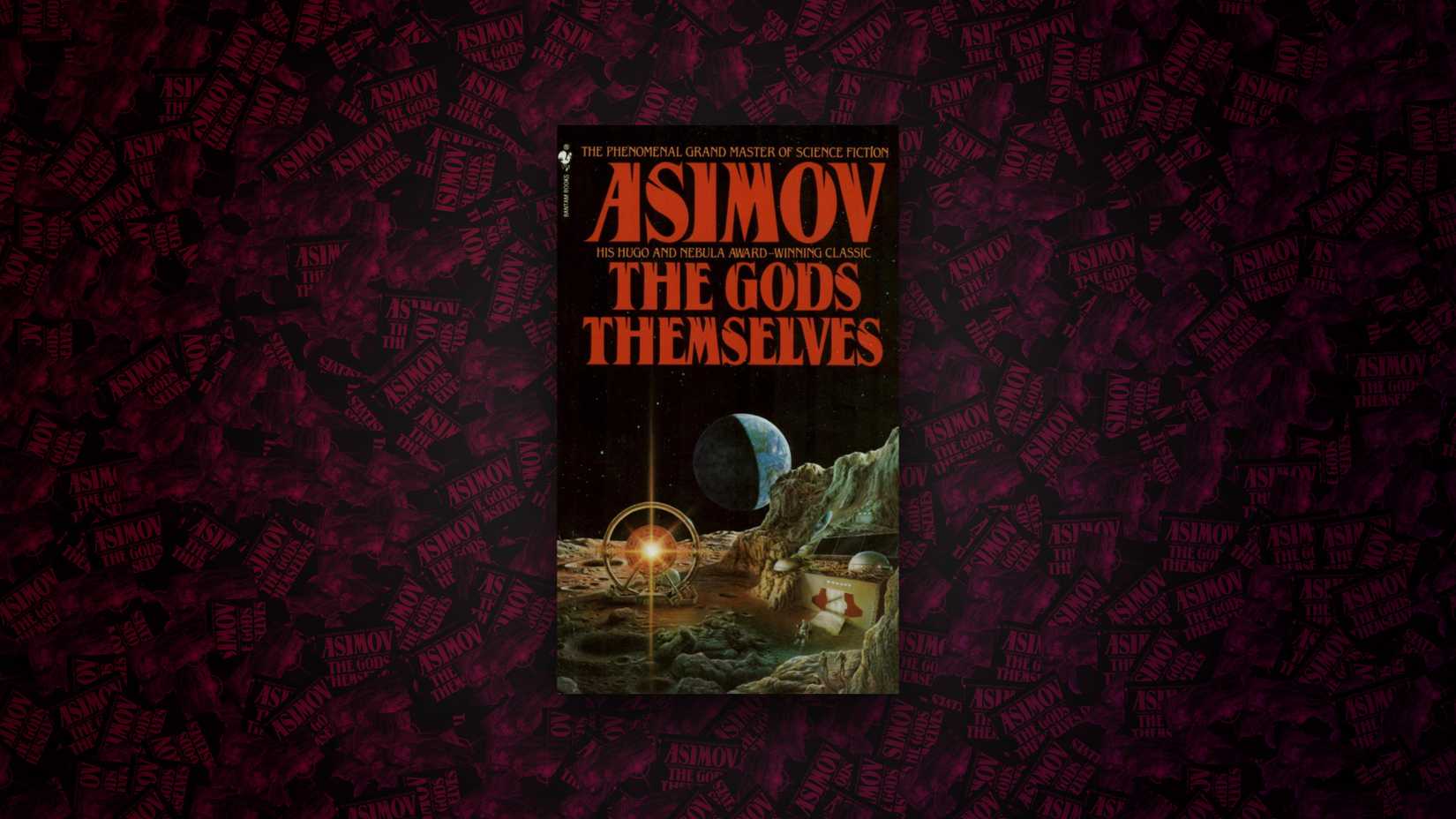
2. The Gods Themselves (1972) by Isaac Asimov
Main Facts & Premise
Isaac Asimov’s The Gods Themselves stands as a masterclass in speculative daring, reminding readers how deeply alien a universe can become when an author abandons human-centric narrative conventions. The novel is structured into three distinct yet interconnected parts, moving fluidly across space, time, and physical reality. The story hinges on the discovery of an unlimited, clean energy source made possible by an exchange of physical laws between our universe and a parallel universe inhabited by non-humanoid beings.
Supporting Data & Chronology
The novel’s most celebrated section transports readers directly into the parallel universe, exploring the biology, societal structures, and physics of beings whose existence is radically different from our own. Asimov uses this alien ecosystem to explore the catastrophic consequences of the "Electron Pump," an energy exchange that slowly destabilizes the stars in both universes. By combining unorthodox alien biology with stark warnings about scientific hubris, Asimov transforms what initially appears to be a miraculous technological solution into a slow-burn existential crisis for humanity.
3. Dragon’s Egg (1980) by Robert L. Forward
Main Facts & Premise
For readers seeking hard science fiction that takes the "hard" designation to its absolute limit, Robert L. Forward’s Dragon’s Egg is a towering achievement. Written by a professional physicist, the novel constructs an entire intelligent alien civilization on the surface of a neutron star—an environment characterized by extreme gravitational forces, crushing magnetic fields, and temperatures that defy biological comprehension.
Chronology & Implications
The native inhabitants of this extreme world, the Cheela, do not possess human-like biology. Because of the intense gravitational time dilation and the hyper-accelerated chemistry of neutron matter, the Cheela experience time on a scale drastically compressed compared to human observers. Their entire civilization evolves, flourishes, and builds advanced technologies in a timeframe that makes human history look glacial. Forward masterfully uses this temporal disparity to compress enormous stretches of cultural evolution into a single narrative, observing the Cheela from orbit through the eyes of human scientists. It is a brilliant integration of raw astrophysics and narrative momentum.
4. Rendezvous with Rama (1973) by Arthur C. Clarke
Main Facts & Premise
While many hard sci-fi narratives strive to catalog and explain every corner of the cosmos, Arthur C. Clarke understood that the most enduring awe often stems from the unknown. Rendezvous with Rama opens with the detection of a massive, perfectly cylindrical interstellar object hurtling through the solar system on a hyperbolic trajectory. Dubbed "Rama," this artificial artifact offers humanity a razor-thin window to launch an intercept mission.

Supporting Data & Implications
Led by Commander Bill Norton, the crew of the exploratory vessel Newton boards Rama, only to discover a self-contained world operating according to physical laws and engineering principles that humanity barely comprehends. Clarke anchors the entire expedition in rigorous calculations of rotational spin, artificial gravity, atmospheric thermodynamics, and orbital mechanics. Yet, rather than solving every mystery, the novel concludes with a profound sense of cosmic insignificance. Rama leaves as silently as it arrived, serving as an enduring reminder of humanity’s place in a universe indifferent to our existence.
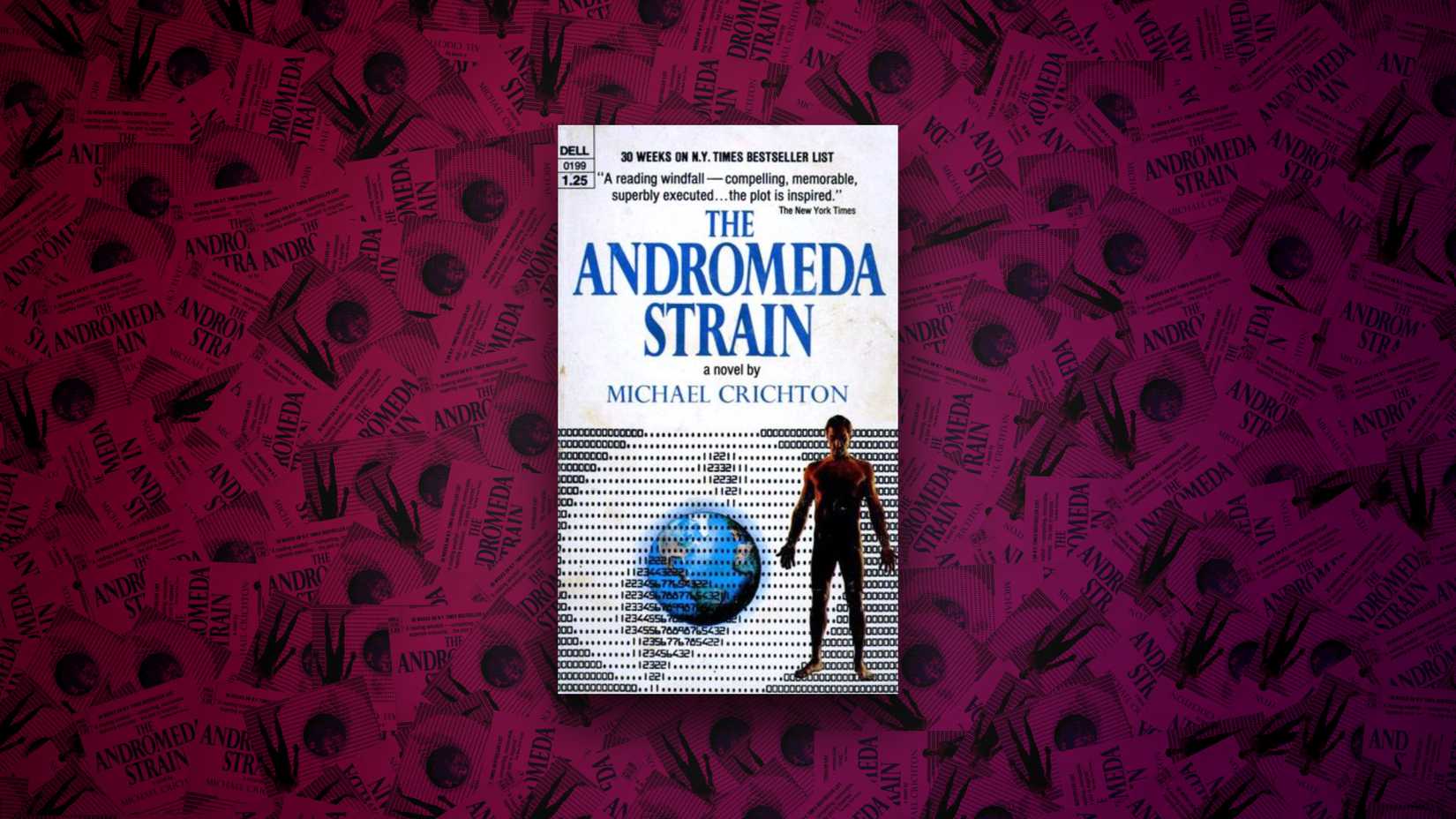
5. The Andromeda Strain (1969) by Michael Crichton
Main Facts & Premise
Before crafting prehistoric theme parks and dystopian tech resorts, Michael Crichton established himself as a titan of hard science fiction with The Andromeda Strain. When an unmanned military satellite crashes in a remote Arizona town, nearly every human resident drops dead within minutes. Their blood has inexplicably clotted into microscopic powder, save for two survivors: a screaming infant and an elderly alcoholic.

Chronology & Official Responses
From this visceral, terrifying opening, Crichton launches into a clinical race against time. An elite multidisciplinary team of scientists is activated under a top-secret protocol known as "Wildfire," retreating to a deeply buried, ultra-secure underground laboratory. Crichton’s obsession with procedural accuracy drives the narrative; he eschews traditional action tropes in favor of realistic laboratory protocols, electron microscopy, decontamination loops, and pathological analysis. The terror of the novel stems entirely from watching brilliant minds grapple with a microscopic predator that mutates faster than human containment technology can adapt.
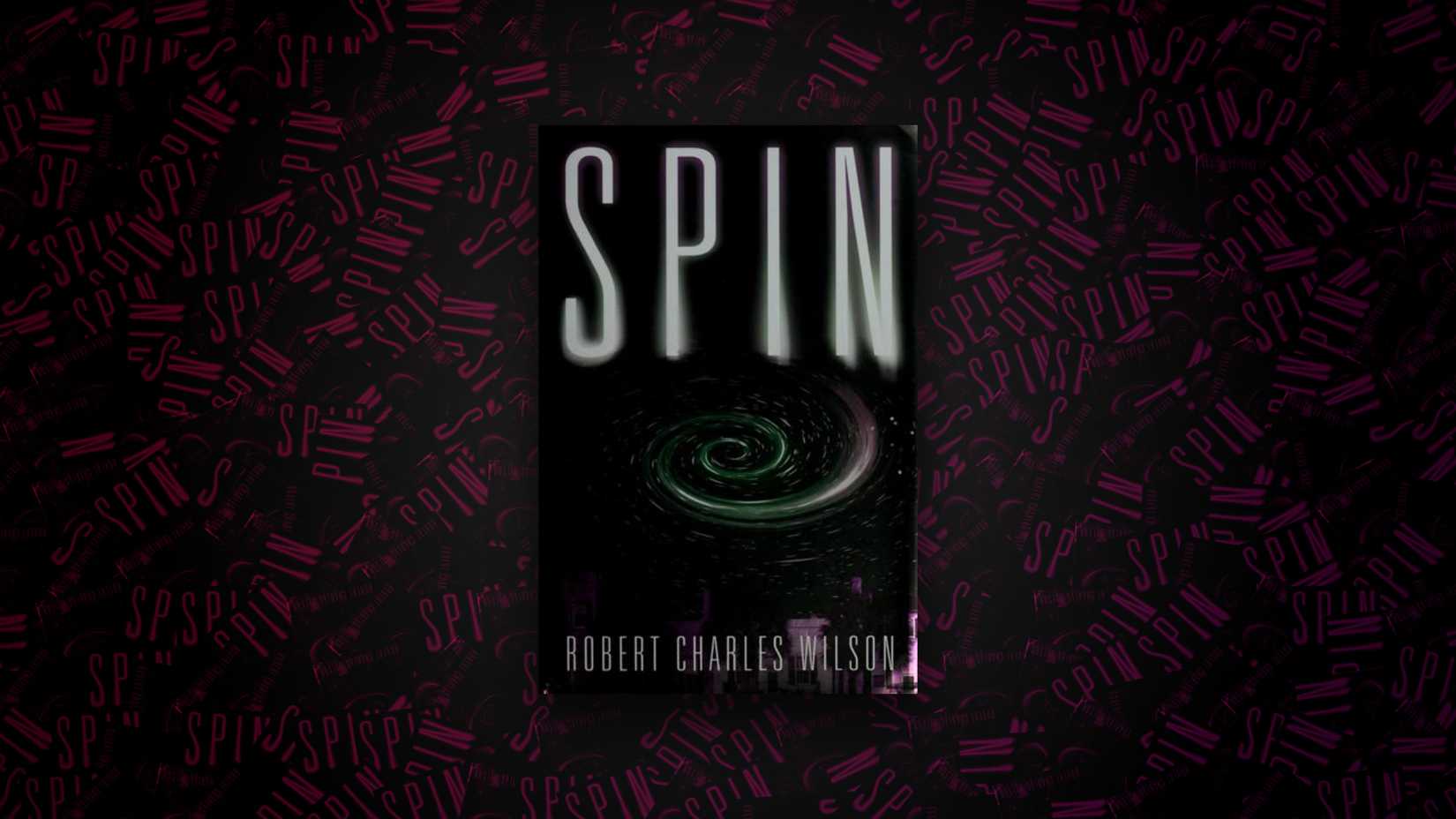
6. Spin (2005) by Robert Charles Wilson
Main Facts & Premise
Robert Charles Wilson’s Spin takes a deceptively simple, high-concept premise and expands it into an intimate, sweeping epic. On one fateful night in the protagonists’ youth, the stars in the night sky suddenly and permanently vanish, swallowed by an opaque, impenetrable membrane that envelops the Earth.
Chronology & Implications
Rather than framing this solely as a global disaster story, Wilson uses the "Spin" to completely distort temporal physics. Outside the barrier, time passes at a catastrophic, incomprehensible rate—billions of years tick away for every single decade experienced on Earth. As scientists calculate that the sun outside the barrier will age, expand, and incinerate the Earth within a single human lifetime, civilization descends into geopolitical chaos, religious fervor, and existential despair. Wilson filters the hard physics of temporal dilation and atmospheric mechanics through the fragile, lifelong bonds of three childhood friends, asking how ordinary people find meaning under a literal, accelerating countdown to planetary death.
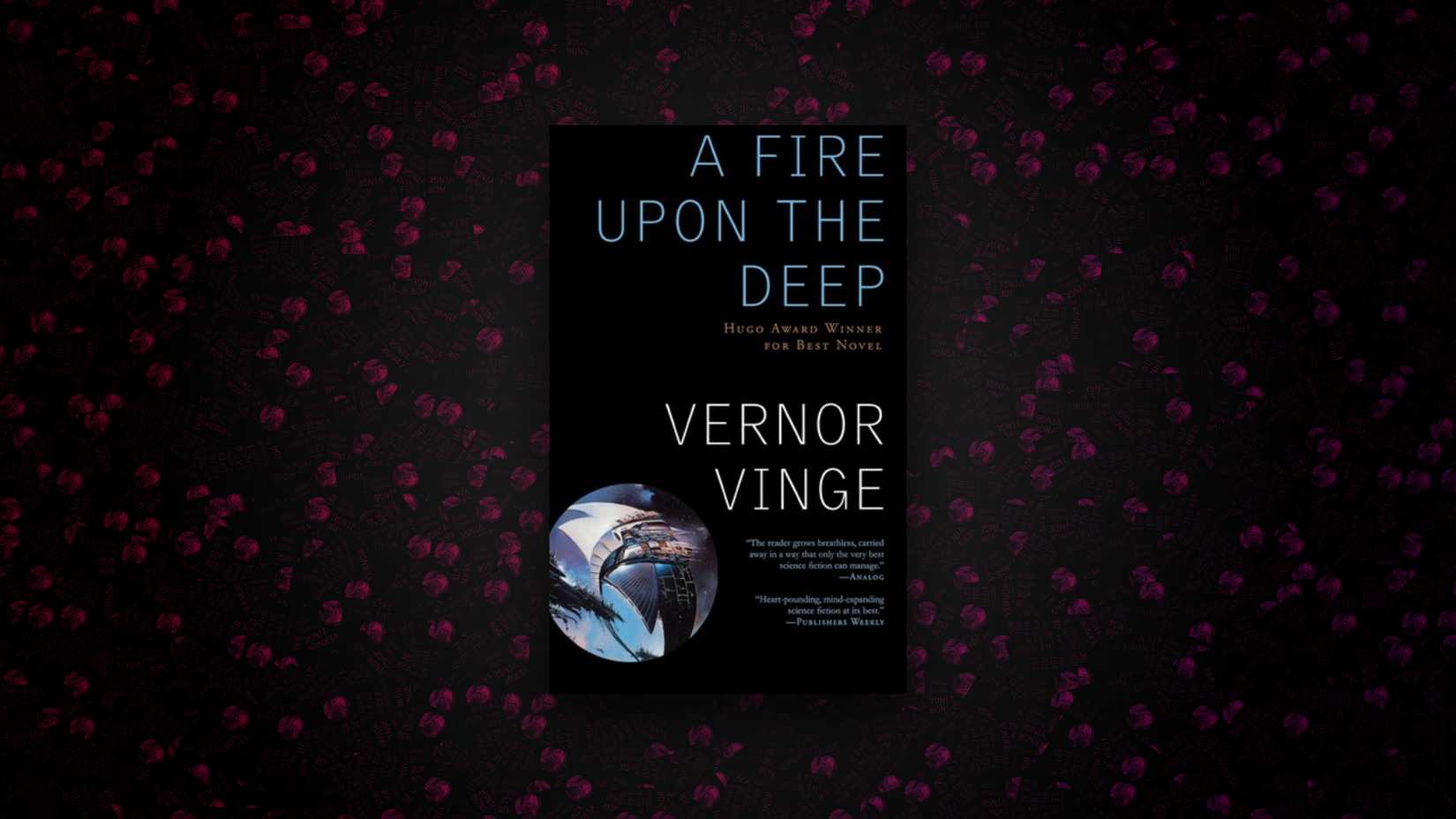
7. A Fire Upon the Deep (1992) by Vernor Vinge
Main Facts & Premise
Vernor Vinge’s A Fire Upon the Deep plunges the reader immediately into a galaxy where intelligence and the laws of physics are governed by geography. Space is divided into concentric "Zones of Thought," ranging from the "Unthinking Depths," where advanced computation is impossible, to the "Transcend," where superintelligent gods and entities dwell.
Supporting Data & Chronology
When a human research team inadvertently awakens an ancient, malevolent artificial intelligence residing in the Transcend, the digital entity launches a galaxy-spanning war of annihilation. Vinge balances this cosmic horror with rich, hard-science world-building—such as the "Tines," an alien species whose individual consciousnesses are distributed across packs of cooperative hive-mind creatures. Despite its dizzying density of computer science theory and galactic physics, Vinge grounds the narrative in the desperate, intimate survival story of two children stranded on a medieval alien world, bridging macro-scale space opera with rigorous speculative intellect.
8. The Three-Body Problem (2006) by Cixin Liu
Main Facts & Premise
Cixin Liu’s landmark novel opens during the visceral violence of the Chinese Cultural Revolution, grounding its cosmic horror in a brutal chapter of human history. Young astrophysicist Ye Wenjie witnesses her father beaten to death during a Red Guard struggle session, a formative trauma that ultimately drives her to make a fateful decision: broadcasting a signal from a secret military base into the depths of space, inviting an alien civilization on the brink of extinction to invade Earth.
Implications & Supporting Data
The narrative expands from historical trauma into the vast complexities of astrophysics, centering around the "three-body problem" in orbital mechanics—the impossibility of stably predicting the motion of three celestial bodies interacting gravitationally. Liu’s fictional Trisolarans inhabit a doomed planet subjected to chaotic eras dictated by three unpredictable suns. Liu treats theoretical physics and cosmology as arenas of profound existential dread. The science in the novel is terrifying precisely because it highlights humanity’s utter vulnerability against the unforgiving mechanics of the cosmos.
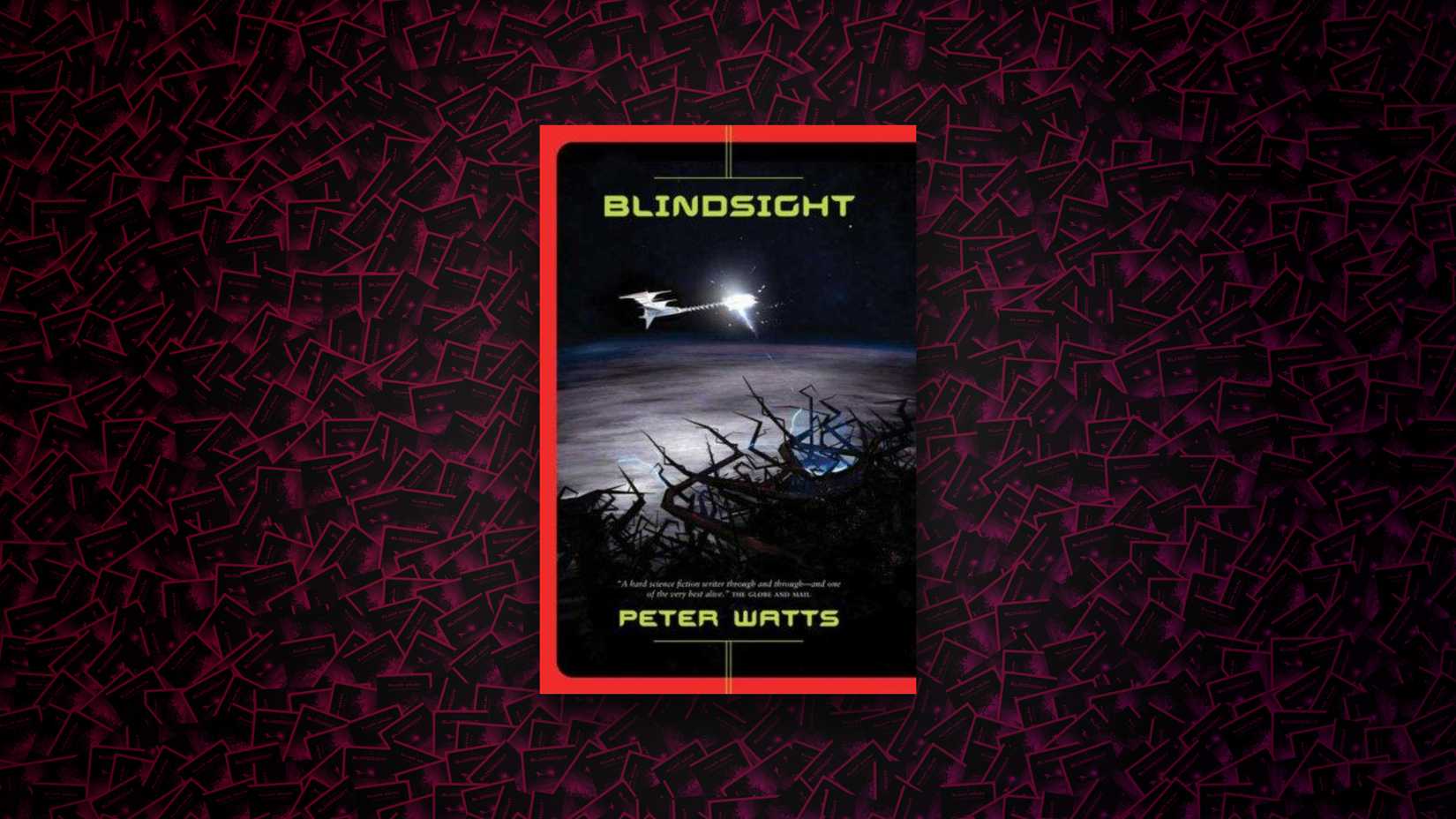
9. Blindsight (2006) by Peter Watts
Main Facts & Premise
Peter Watts’ Blindsight is a masterclass in hard sci-fi that weaponizes neuroscience and evolutionary biology to dismantle human exceptionalism. When an unknown alien intelligence maps Earth in a grid of falling probes, a heavily modified transhuman crew—including a linguist with surgically divided personalities and a tactical specialist engineered from a genetically resurrected vampire—is dispatched to the Kuiper belt aboard the ship Theseus to investigate.

Chronology & Implications
As the crew encounters the alien entity known as "Rorschach," Watts shifts the narrative away from traditional tropes of alien hostility toward a far more unsettling proposition: is conscious self-awareness actually an evolutionary dead end? Through meticulous references to neurology, sensory processing, and artificial intelligence, Watts constructs a deeply clinical, peer-reviewed nightmare. Blindsight forces readers to question the very nature of consciousness, arguing that complex intelligence can thrive entirely in the dark, devoid of self-awareness or soul.
10. Permutation City (1994) by Greg Egan
Main Facts & Premise
Taking the familiar philosophical premise of simulated consciousness, Greg Egan’s Permutation City refuses to treat digital immortality as a casual narrative gimmick. Instead, Egan pursues the concept to its absolute mathematical and philosophical limit, exploring what happens when human minds are uploaded into digital environments operating at variable speeds.
Chronology & Supporting Data
The novel follows Paul Durham and a community of "Copies"—digital simulations of human consciousness striving for autonomy within virtual spaces. Egan explores the profound implications of digital existence: that a conscious copy possesses an equal claim to identity, that simulated universes are mathematically indistinguishable from physical reality, and that once existence is reduced to pure information, the traditional definition of a "real" human completely dissolves. Though Egan’s mathematics and computing theories are dense and demanding, their uncompromised rigor elevates Permutation City into an unmatched exploration of identity in the digital age.
 Raul Delapena Setiawan
 Suro Senen
 Nana Wu
