

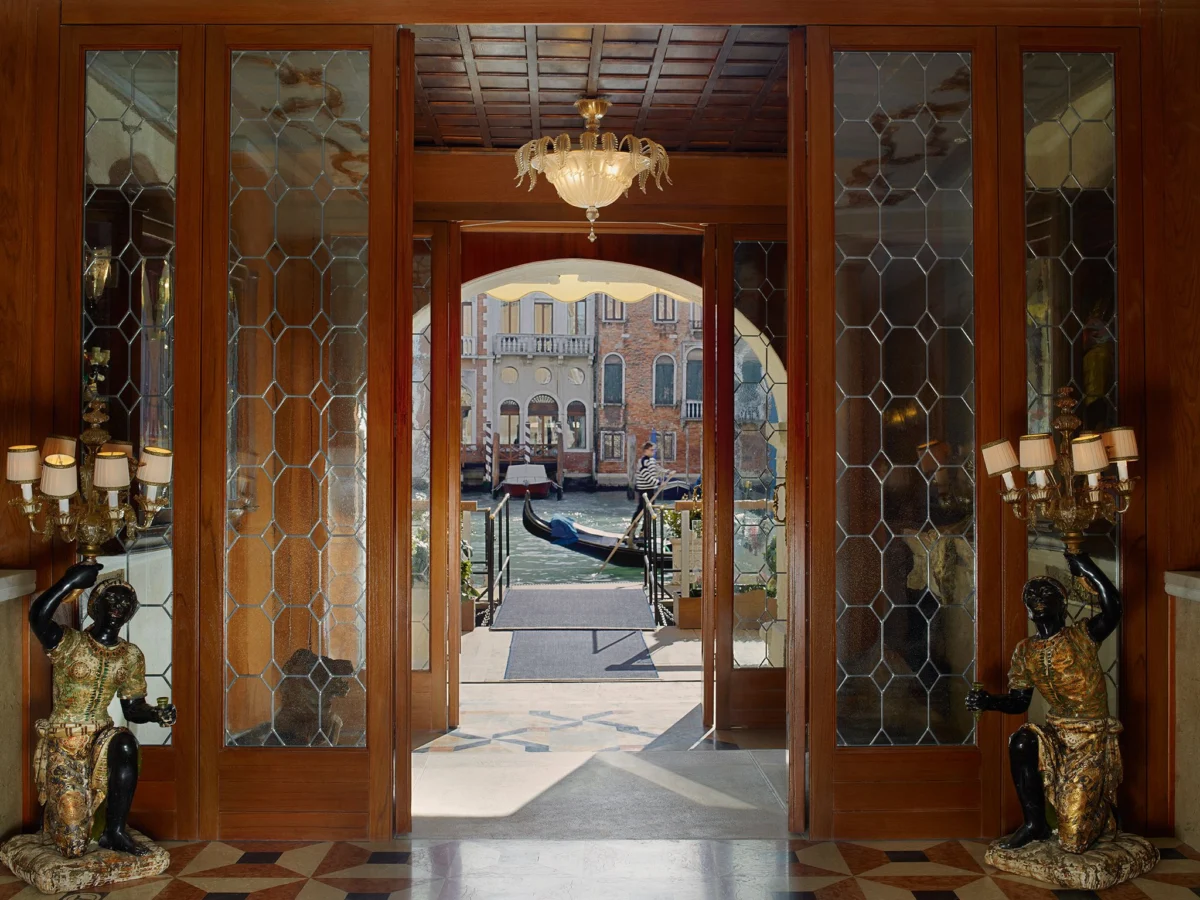
Venice is not merely a city; it is an improbable, shimmering miracle held together by salt, stone, and the indomitable will of history. To visit the "City of Water" is to step into a waking dream, a place where the frenetic pulse of modern life is muffled by the rhythmic lapping of the Adriatic against ancient marble. Whether you are navigating the labyrinthine calli (alleys) or watching the light shift across the Grand Canal, Venice demands a level of presence that few other destinations require. However, with this beauty comes the weight of global adoration, as over 20 million visitors descend upon these islands annually. Selecting the right sanctuary within this historic archipelago is not just a logistical choice—it is the key to unlocking the true soul of La Serenissima.
The Geography of Elegance: Understanding the Sestieri
Venice is divided into six sestieri, or districts, each offering a distinct temperament. For the uninitiated, the geography can be daunting, but understanding the flow of the city is essential to curating a stay that balances proximity to the action with the need for authentic tranquility.
San Marco: The Heart of the Empire
San Marco is the city’s beating heart, housing the iconic Saint Mark’s Basilica, the Doge’s Palace, and the Bridge of Sighs. Staying here places you in the center of the world’s most celebrated theater. While it is undeniably the busiest district, there is an unparalleled thrill in being the first to witness the sunrise over the Piazza before the cruise ship crowds arrive. Hotels in this district are often opulent, dripping in Murano glass and silk damask, reflecting the grandeur of the Venetian Republic’s zenith.
Cannaregio and the Northern Reach
For those who prefer a more local rhythm, the Cannaregio district offers a glimpse into the daily life of Venetians. The Venice Venice Hotel, for instance, masterfully bridges the gap between historic gravitas and contemporary design. Located at the edge of the district where the Rio dei Santi Apostoli meets the Grand Canal, it offers a strategic advantage: walk a few steps in one direction, and you are in the pulse of the city; turn the other way, and you are navigating the quieter, authentic residential quarters that most tourists never see.
Dorsoduro: The Intellectual’s Haven
Dorsoduro is the city’s gallery district, home to the Accademia and the Peggy Guggenheim Collection. It is also a burgeoning hub for gastronomy and boutique hospitality. Il Palazzo Experimental, situated at the eastern end of the Zattere promenade, captures this creative energy perfectly. Staying here feels like being part of a private club, far removed from the souvenir-heavy streets of the central tourist hubs, yet perfectly positioned to enjoy a sunset spritz along the water.
Chronology: From Republic to Modern Tourism
The history of Venetian hospitality is as layered as the city’s architecture.
- The Golden Age (13th–16th Century): During the height of the Republic, Venice was the premier gateway between the East and the West. Hospitality was focused on merchant houses and private palazzos hosting diplomats and traders.
- The Grand Tour (18th–19th Century): As the city’s political power waned, its cultural allure grew. European nobility arrived on the Grand Tour, cementing Venice as the ultimate destination for romance and artistic inspiration, leading to the conversion of grand estates into early luxury hotels.
- The Industrial/Modern Shift (20th Century): With the advent of mass aviation, Venice became accessible to the middle class. The late 20th century saw a transformation where the city struggled to balance the influx of tourists with the physical preservation of its fragile foundation.
- The Sustainability Era (2020s–Present): Following the pandemic-induced "pause," Venice has pivoted toward a model of managed tourism, including the introduction of visitor entry fees and stricter regulations on large cruise ships, aiming to preserve the city for the next century.
Supporting Data: The Logistics of the "City of Water"
Venice’s physical limitations are staggering. Comprised of 118 islands, 150 canals, and over 400 bridges, the city is a logistical marvel—and a maintenance nightmare.
- The Visitor Burden: With 20 million annual visitors, the average daily density in the peak season often exceeds the city’s infrastructure capacity.
- The Infrastructure of Logistics: Every pound of food, construction material, and luggage is moved via boat. This is why "luxury" in Venice is often defined by the seamlessness of arrival—private water taxi transfers directly to a hotel’s acqua porta (water gate) are not just a convenience; they are a necessity for a stress-free experience.
- The Outer Islands: The shift toward the lagoon islands is a growing trend. Properties like the JW Marriott Venice Resort & Spa on Isola delle Rose or the boutique Casa Burano represent a conscious move to decentralize tourism, offering guests a more expansive, resort-like experience while keeping the historic center a short boat ride away.
The Art of the Stay: Why We Choose Where We Choose
Condé Nast Traveler journalists evaluate properties based on a rigorous set of criteria that transcend mere star ratings. The selection process considers:
- Authentic Insider Access: Does the hotel connect the guest to the true fabric of the neighborhood, or is it a generic international brand?
- Sustainability Credentials: Given the city’s ecological fragility, we look for properties that prioritize water conservation, waste management, and the support of local artisans.
- Design and Heritage: A hotel in Venice must respect its architectural past. Whether it is a restored 15th-century palazzo or a modern intervention, the design must feel harmonious with the city’s aesthetic.
- Service Excellence: In a city where logistics can be complex, staff must be masters of navigation, concierge services, and local insight.
Official Responses and Future Outlook
The Venetian authorities, in partnership with heritage organizations like UNESCO, have taken significant steps to address the "overtourism" narrative. Recent initiatives include:
- The Venice Access Fee: A pilot program intended to regulate the flow of day-trippers during peak weekends, encouraging longer-term stays which are generally less taxing on the city’s infrastructure.
- Cruise Ship Diversion: The decision to ban massive cruise ships from the Giudecca Canal has been lauded as a landmark victory for environmental preservation and the physical protection of the city’s ancient foundations.
- Hospitality Regulation: Local government is increasingly scrutinizing short-term rentals (Airbnbs) to ensure that the city remains a home for residents, not just a transient theme park.
Implications for the Discerning Traveler
What does this mean for you? It means that the way you travel to Venice now carries moral and practical weight. Choosing to stay in a reputable, established hotel is a way of supporting the local economy in a structured, responsible manner. It allows you to move away from the "hit-and-run" style of tourism that harms the city and toward a "slow travel" philosophy.
When you stay in a hotel that values its place in the community—whether it’s the Hotel Cipriani on Giudecca or the historic Ca’ di Dio near the Arsenale—you are participating in a cycle of preservation. You are funding the maintenance of historic facades, supporting local staff, and ensuring that the Venetian spirit is kept alive by people who truly call it home.
Final Thoughts: A Night in the Silence
Venice is at its most profound at night. When the day-trippers depart and the water in the canals stills, the city reveals its true, tender self. The sound of water lapping against the stone, the faint hum of a distant vaporetto, and the echo of your own footsteps in a narrow alleyway—these are the moments that define a stay.
To choose the right hotel is to ensure that these moments are not just an accident, but the cornerstone of your experience. As you plan your next journey to the City of Water, look beyond the checklist of attractions. Seek the places that offer a bridge between the ancient magic of the past and the responsible, sustainable future of one of the world’s most precious cultural treasures. Venice is not going anywhere, but it is changing—and with the right choice of stay, you can be a witness to its enduring, quiet grace.
 Lina Irawan
 Ammar Sabilarrohman
 Evan Lee Salim
