

The Venice Film Festival is, by all accounts, a cinematic pilgrimage. It is the oldest film festival in the world, a hallowed ground where the most significant auteurs of our time unveil their latest visions against the backdrop of the Lido’s historic Art Deco architecture. For the lucky few who receive an invitation, it is a rarefied privilege. However, for those on the ground—the film critics, the industry journalists, the awards strategists, and the talent wranglers—the reality of the festival is often a grueling, high-pressure marathon.
Behind the glittering red carpets and the thunderous standing ovations lies a more frantic, often exhausting experience. It is a world of back-to-back screenings, tightly squeezed interview slots, frantic navigation of water taxis, and the perpetual, underlying anxiety of missing the “next big thing.” In this environment, time becomes the ultimate luxury. Proper meals are frequently reduced to hurried sandwiches snatched between press conferences, and the majestic beauty of the Venetian lagoon often fades into a blurred periphery as one rushes from the Palazzo del Cinema to the next press junket.
The Paradox of the Festival: Beauty vs. Burnout
For the seasoned festival-goer, the Venice Film Festival presents a unique psychological landscape. Even for the casual tourist, the “High Season” in Venice can be overwhelming. Narrow, labyrinthine streets become clogged with foot traffic, and a pervasive, strange kind of FOMO (fear of missing out) permeates the air. Whether you are on the clock or simply wandering as a sightseer, there is a constant, nagging worry: Did I choose the right restaurant? Am I missing the perfect view? Am I in the right place at the right time?

This year, I decided to break the cycle. Seeking a respite from the frenetic energy of the festival hub, I retreated to the JW Marriott Venice Resort & Spa, located on the secluded Isola delle Rose. A private island just a 20-minute water taxi ride from the bustle of San Marco, it offered the perfect sanctuary to host an intimate dinner party—a deliberate attempt to reclaim a slice of humanity in the heart of the industry’s most intense week.
Chronology of a Curated Escape
My journey to find balance began not with a screening, but with a commitment to pause. The JW Marriott’s “white-glove” event planning service—a hallmark of their global properties—allowed me to delegate the logistics of hosting while I focused on the content of the evening.
The Preparation Phase
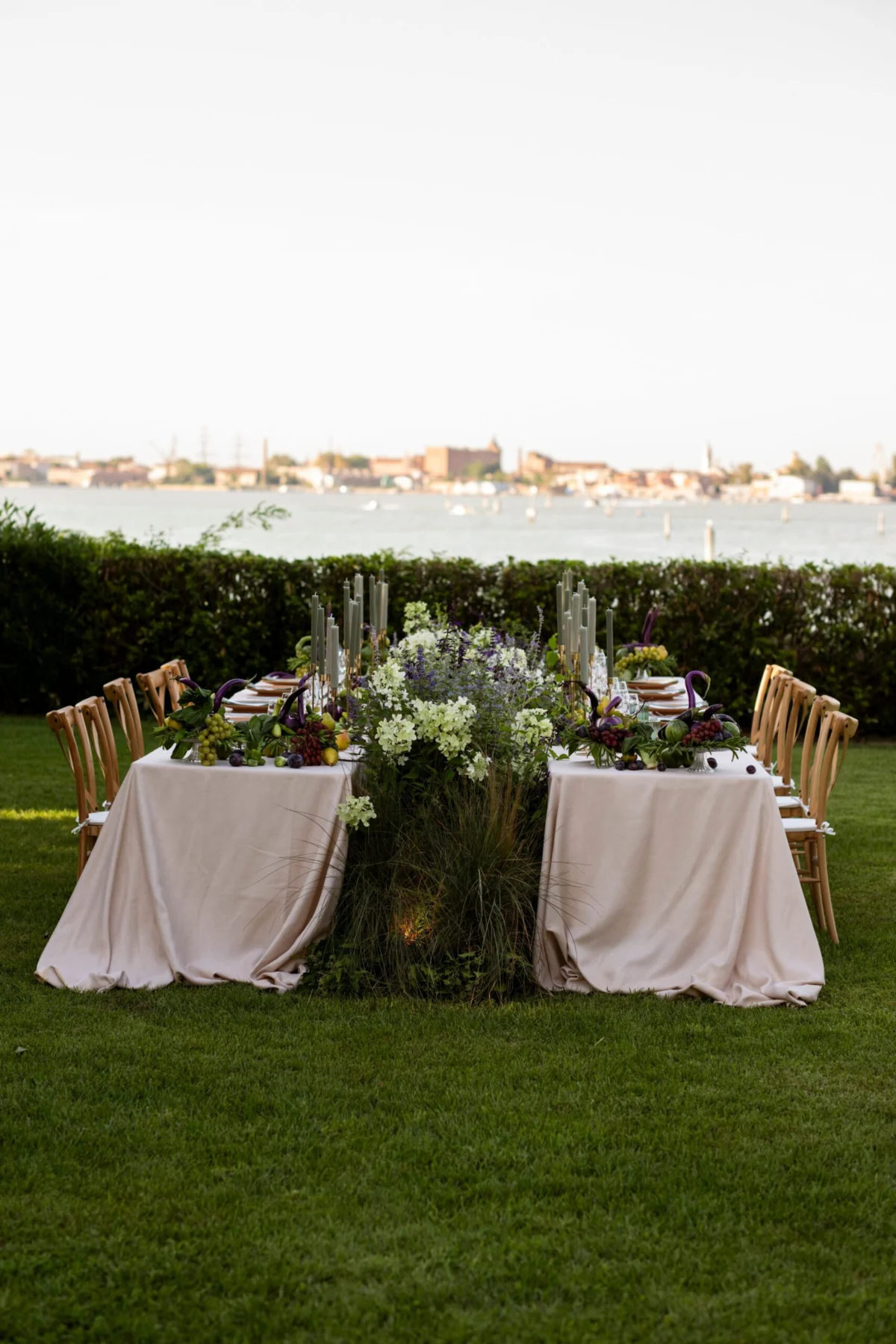
Weeks before my arrival in Venice, the hotel’s events team initiated a collaborative planning process. We discussed the menu, the aesthetic, and the atmosphere. I was presented with two distinct visions for the tablescape: one formal and refined, the other rustic yet elevated. I gravitated toward the latter, choosing a palette of sage green to mirror the island’s verdant, olive-tree-filled landscape. The team handled every detail—from the selection of stemware to the placement of organic, botanical centerpieces.

Arrival on the Isola delle Rose
I arrived on the island a day before the scheduled dinner. The transition was immediate. The sensory shift from the chaotic, sun-baked canals of Venice to the hushed, olive-grove-lined paths of the Isola delle Rose was profound. The resort, featuring modernist sculptures scattered amongst centuries-old trees, felt like a private art installation. My accommodation was a masterclass in understated luxury: a secluded outbuilding with earth-toned interiors and a private terrace overlooking the lagoon. It was the antithesis of the cramped, high-speed lifestyle of a festival critic.
The Dinner: A Symphony of Local Flavors
As the sun began to dip toward the horizon, the tone of the evening was set. I welcomed my guests—a mix of esteemed critics and journalists from publications such as Variety, IndieWire, the Associated Press, and New York Magazine, alongside key industry publicists.
The evening commenced with welcome drinks on the lawn. Two guitarists provided a gentle, melodic backdrop that underscored the conversation. We talked shop, certainly—comparing notes on potential Oscar contenders and trading war stories about past festival encounters—but the conversation quickly pivoted toward the rare, shared pleasure of sitting down for a proper meal.

The table setting was a whimsical, botanical triumph. Place cards were nestled against fresh, garden-harvested produce: a spindly, vibrant purple eggplant for me, a delicate Ronde de Nice squash for a guest. Even the candles were a thoughtful, culinary-themed detail, crafted from herb-infused butter sourced directly from the island’s gardens.
Supporting Data: A Culinary Rebuttal to the "Festival Diet"
The menu, curated to highlight the best of the Venetian lagoon and the resort’s own garden, served as a vital, nourishing antidote to the standard “festival diet” of hurried pizza slices and lukewarm coffee.
- Starters: We were served farm eggs with chanterelle mushrooms and aged Montasio cheese, followed by grilled baby cuttlefish in a bright, acidic tomato sauce, and charred zucchini rosettes filled with smoked ricotta and toasted almonds.
- The Entrée: The highlight was a risotto infused with garden herbs, fresh lemon, and rose shrimp, a dish that felt both grounded in local tradition and elevated by the setting.
- The Finale: The meal concluded with a light, refreshing dessert of fig, honey, and vanilla, a perfect end to a warm summer night.
The quality of the ingredients was not merely a matter of taste; it was a matter of wellness. For professionals whose daily lives are governed by strict, unforgiving deadlines, the opportunity to digest a multi-course, garden-to-table meal in an environment of calm is a functional necessity for mental clarity.

Official Perspectives: The Value of "Slow" in a "Fast" Industry
The philosophy behind such an event is simple but often ignored in the film industry: networking is at its most effective when it is decoupled from the pressure of the transaction.
Industry experts often discuss the “festival burnout” phenomenon. According to reports from hospitality partners at the Venice Film Festival, there has been an increasing demand for “private, low-stimulation zones” for high-level industry professionals. By creating a space that feels like a private residence rather than a public event venue, we allowed for a level of vulnerability and authentic connection that is rarely possible in a crowded hotel lobby or a noisy festival party.
The service staff at the JW Marriott operated with a "friendly, but not obsequious" professionalism. They understood that the goal was to facilitate connection, not to intrude upon it. This delicate balance of high-end service and relaxed, organic atmosphere is the new gold standard for high-pressure industry events.

Implications for the Future of Festival Culture
As the film industry continues to grapple with the demands of the digital age, the role of the film festival is shifting. While digital screenings and virtual press conferences have become common, they cannot replicate the cultural and social value of physical presence. However, the physical experience must evolve.
The success of our island dinner suggests a growing trend: the “retreat-style” approach to festival participation. By carving out a few hours of sanctuary, we were able to return to the festival grounds the next day with renewed focus and a strengthened sense of community.
Conclusion
As the dinner concluded, guests were presented with small tokens of the island—wildflower honey from the nearby Vignole Island and local olive oil. Some departed for their water taxis to head to a late-night premiere party, while others remained to enjoy the quiet of the garden.

The evening was a stark reminder that the Venice Film Festival is not just about the films; it is about the people who dedicate their lives to them. We are more than our deadlines, our press passes, and our social media updates. We are a global community that, on rare occasions, deserves to sit, eat, and breathe in a space that honors our shared humanity. By choosing to step away from the crowd, we didn’t miss the festival; we found a way to truly experience it.
 Neng Nana
 Ammar Sabilarrohman
 Evan Lee Salim
