

By the Hyperallergic Editorial Desk
Main Facts
As cultural institutions across the United States mark Indigenous Peoples’ Day, the contemporary art world is reckoning with a dual reality: a powerful surge in visibility for Native and Indigenous artists, and persistent systemic oversights in how canonical modern exhibitions frame political histories.

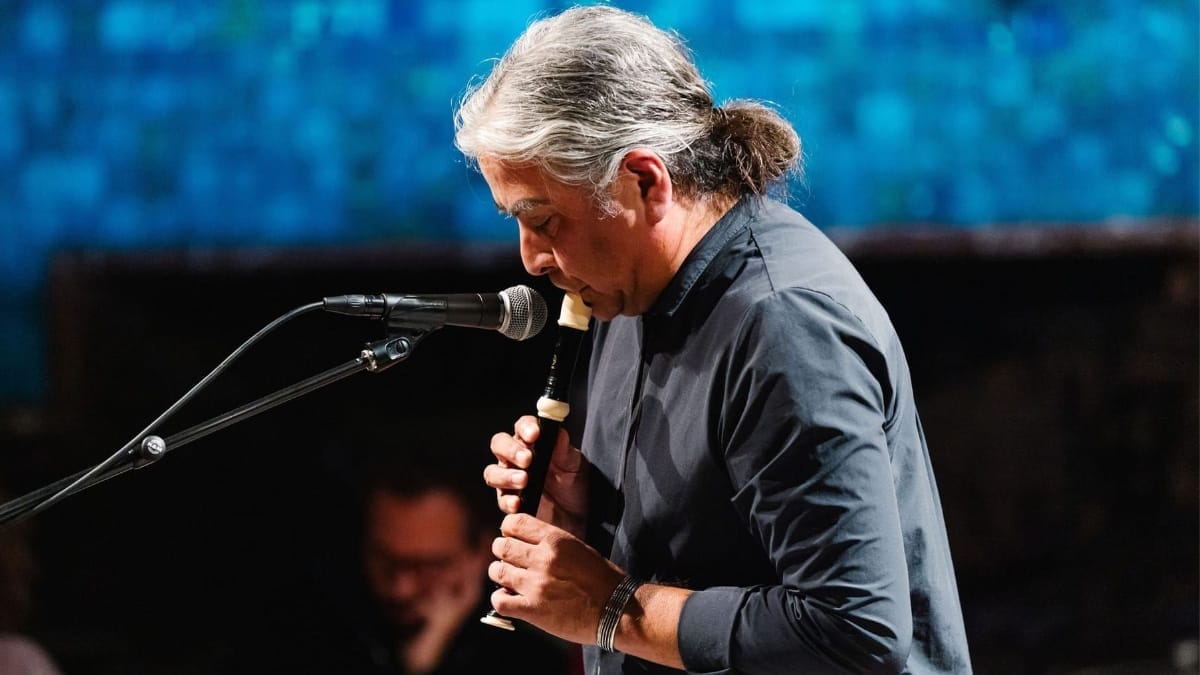
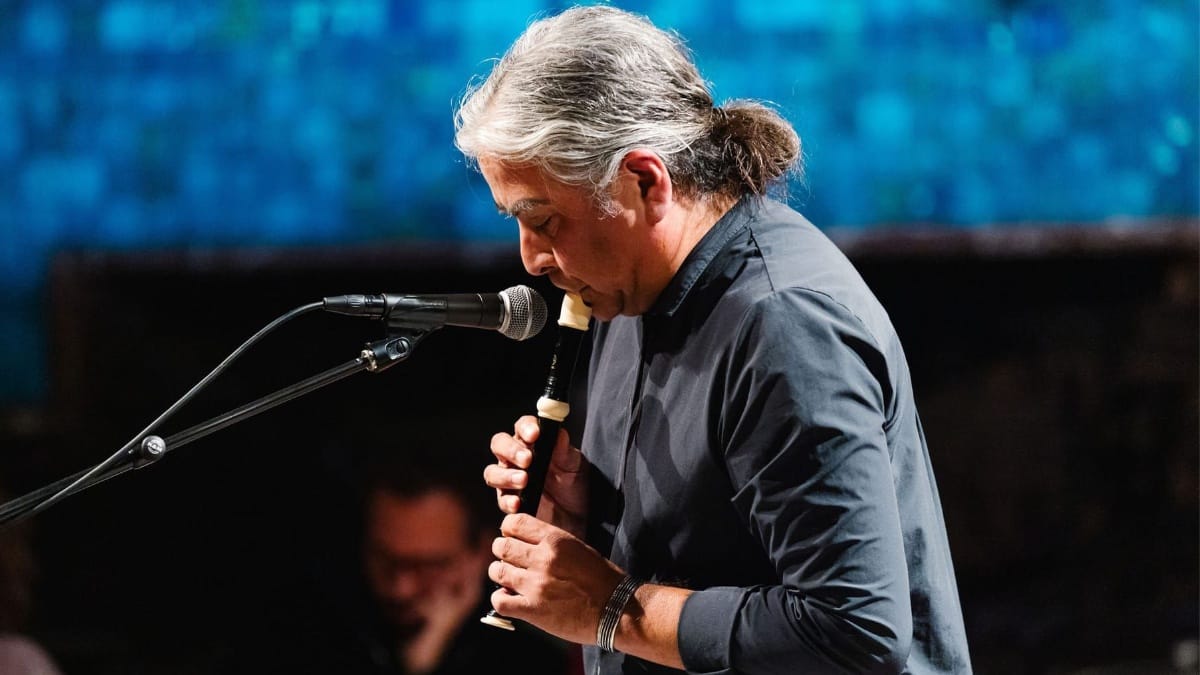
This tension anchors the latest cultural reporting from Hyperallergic, highlighted by a deep-dive conversation between Associate Editor Phillip Pyle and Pulitzer Prize-winning Diné musician and artist Raven Chacon. Chacon’s recent improvisational performances at Manhattan’s prestigious Park Avenue Armory placed synthesizers, sound mixers, ceramic horns, and turkey calls center stage, offering New York audiences an immersive look at an artist using sound to interrogate the "collisions" at the heart of music and to reclaim the acoustic technologies associated with colonial violence.
Concurrently, New York City is hosting a rich array of exhibitions centering Native art—notably showcasing the works of celebrated creators like Shelley Niro and Sarah Sense—while new institutional spaces, such as the upcoming Gochman Collection of Indigenous Art in Katonah, prepare to open their doors this November. Yet, this cultural momentum exists alongside critical controversies. Notably, recent critiques have emerged regarding a high-profile Felix Gonzalez-Torres exhibition that reviewers argue bizarrely sanitizes the late artist’s radical AIDS advocacy and explicit political spirit.
Chronology of Events and Recent Developments
To understand the current cultural landscape surrounding Indigenous art and critical curation in New York and beyond, several key milestones define the timeline:
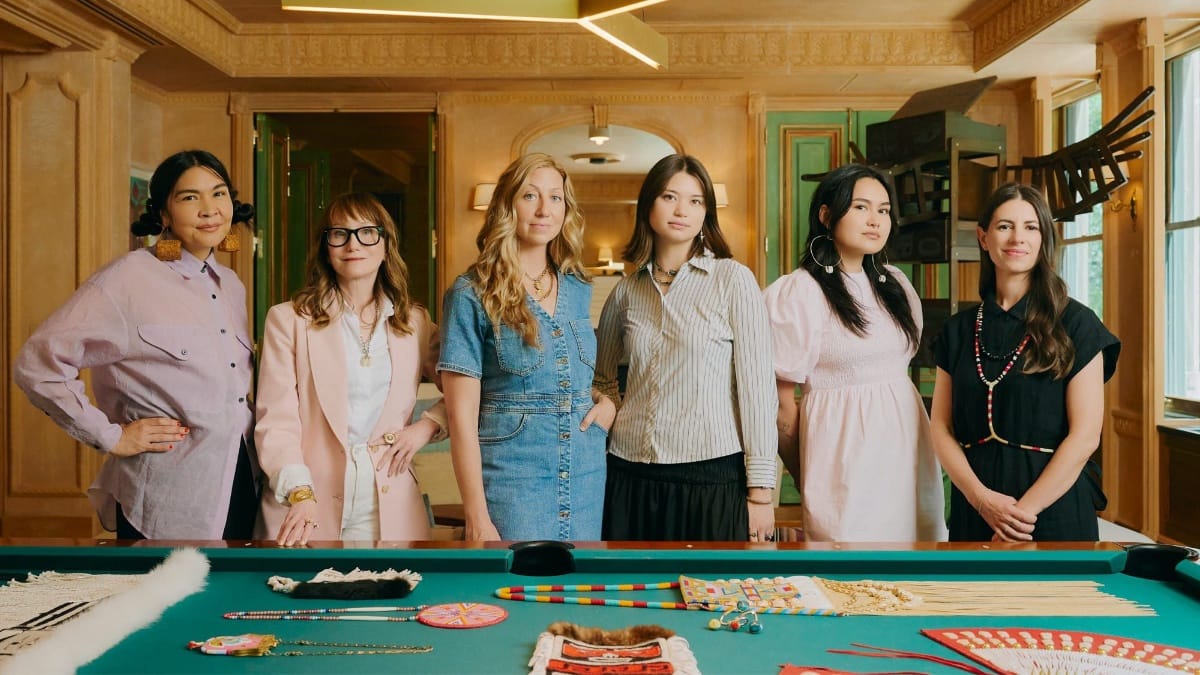
- Mid-October 2026: Cultural institutions in New York City roll out special programming and exhibition guides dedicated to Indigenous Peoples’ Day, elevating themes of Native survivance, sovereignty, and historical memory.
- Wednesday and Thursday Nights (Recent): Diné artist Raven Chacon commands the Veterans Room at Manhattan’s Park Avenue Armory. As part of the Armory’s Artists Studio series, Chacon performs hour-long sonic improvisations using an eclectic array of sound mixers, pedals, speakers, whistles, and handmade ceramic horns.
- November 2026 (Upcoming): The Gochman Collection of Indigenous Art prepares to inaugurate its new exhibition space in Katonah, New York, expanding the Hudson Valley’s footprint for Native contemporary art.
- Ongoing (Fall 2026): Art critics and cultural historians evaluate several major museum retrospectives, including a major examination of Hoocąk artist Truman Lowe’s fluid, water-inspired sculptural works, alongside contentious reviews of major contemporary retrospectives like the recent Felix Gonzalez-Torres showing.
- April 15 – May 1, 2027 (Future Horizon): Applications open for the ArtFields Festival in Lake City, South Carolina, offering over $100,000 in prizes and public art opportunities as the entire town transforms into a regional gallery.
- November 16, 2026 (Grant Deadline): The Asian Cultural Council (ACC) establishes its deadline for the 2027 global grant cycle, continuing vital support for international dialogues and cross-cultural exchanges between Asia and the United States.
Supporting Data & Cultural Context
The discourse surrounding contemporary Native art and historical curation is underscored by a shifting institutional landscape and increased philanthropic and critical engagement:
- Raven Chacon’s Sonic Medium: Chacon’s practice heavily relies on unconventional acoustic tools—such as turkey calls and ceramic horns—bridging contemporary electronic sound art with deep-rooted indigenous histories of the land.
- Geographic Reach of Exhibitions: New York City remains a primary hub, but regional initiatives like the Gochman Collection in Katonah and the ArtFields Festival in Lake City, South Carolina ($100,000+ in awards) indicate a decentralized national expansion of opportunities for diverse artists.
- Archival and Historical Memory: Re-evaluations of figures like the late Hoocąk sculptor Truman Lowe emphasize the use of natural, organic materials—predominantly wood and water-aligned forms—to encode ancestry, landscape memory, and cultural survival.
- Global Fellowship Support: Programs such as the Asian Cultural Council’s 2027 Fellowships emphasize the interconnected nature of global arts funding, supporting international research and cultural exchange.
Official Responses and Critical Perspectives
The intersection of indigenous expression, institutional curation, and historical revisionism has elicited robust commentary from artists, critics, and editors alike:
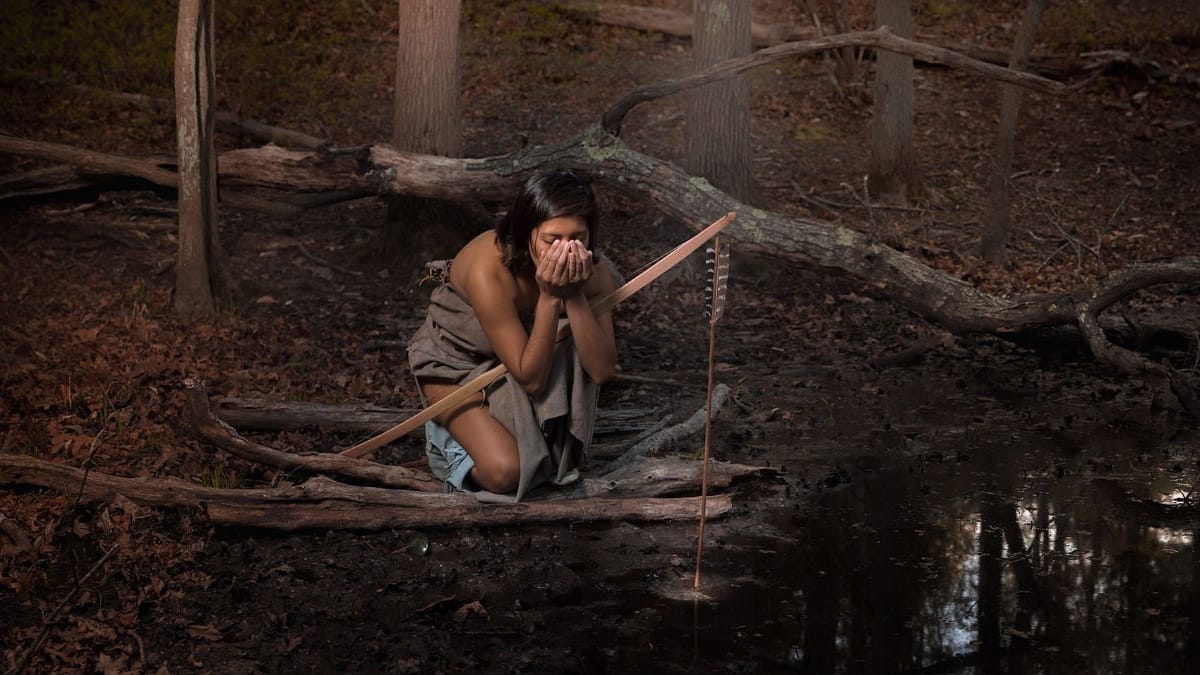
- On Native Survivance and Sovereignty: Reflecting on Indigenous Peoples’ Day, Hyperallergic associate editors and contributing critics emphasize that Native art in New York City functions not merely as aesthetic presentation, but as a vital embodiment of "survivance"—a term coined by Gerald Vizenor to denote an active sense of native presence over historical absence. Artists like Shelley Niro and Sarah Sense are cited for their mastery in rewriting colonial narratives through photography, textiles, and mixed media.
- Raven Chacon on Sonic Colonization: In his discussion with Phillip Pyle, Chacon elaborated on the philosophy driving his improvisational sets. By placing items traditionally used for hunting, signaling, or domestic utility alongside high-tech synthesizers and sound boards, Chacon reframes the acoustic space. He addresses the "collision" inherent in music, viewing sound not as passive entertainment, but as a medium capable of confronting and reclaiming the technologies historically tied to colonial expansion and violence.
- Critique of Institutional Sanitization: While celebration marks Indigenous Peoples’ Day programming, critical vigilance remains high across other sectors of the art world. Reviewers recently took aim at a major Felix Gonzalez-Torres exhibition, arguing that the mounting of the show sanitized the conceptual artist’s work. By glossing over his fierce AIDS advocacy, queer identity, and explicit political radicalism, the exhibition reportedly missed the mark, reducing politically charged interventions into palatable, minimalist aesthetics.
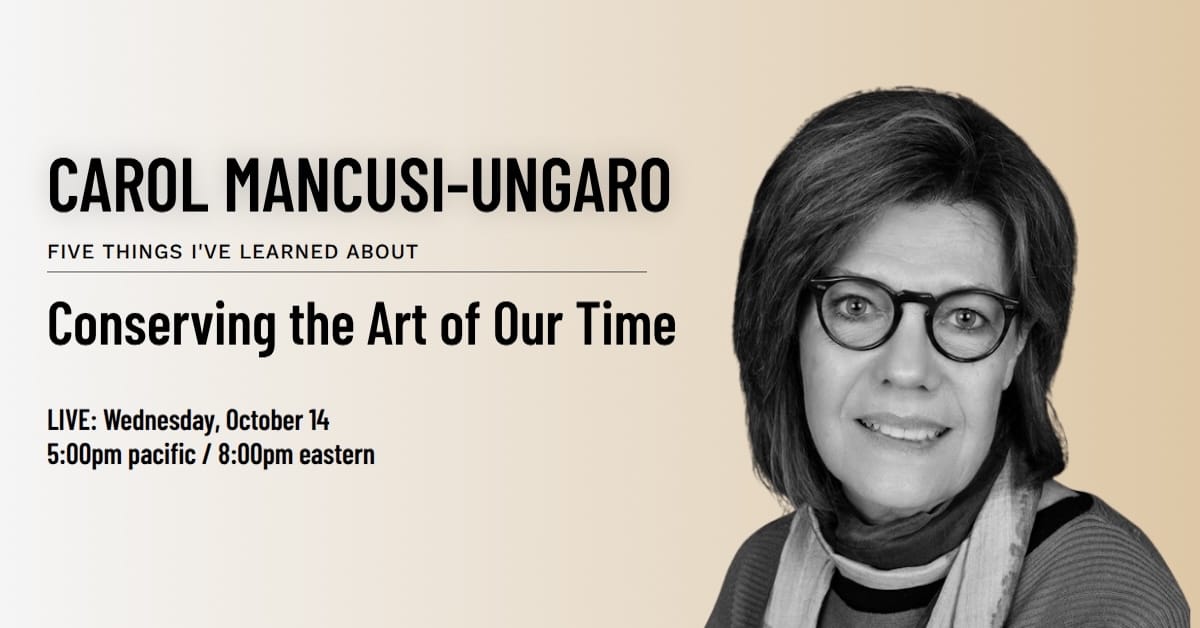
- Preserving Postwar Legacies: Educational initiatives, such as preeminent art restorer Carol Mancusi-Ungaro’s masterclasses on conserving works by postwar giants like Mark Rothko, Barnett Newman, and Cy Twombly, highlight the technical and ethical challenges museums face in maintaining the integrity of politically and materially complex art of the 20th century.
Implications for the Contemporary Art World
The convergence of these events—ranging from Chacon’s disruptive sonic archaeology at the Park Avenue Armory to the ongoing debates over historical revisionism in canonical exhibitions—signals a transformative era for the arts and cultural journalism:
- Redefining Institutional Accountability: Museums and galleries are increasingly expected to look beyond tokenistic inclusion. The critical backlash against sanitized retrospectives (such as the Gonzalez-Torres oversight) demonstrates that contemporary audiences and critics demand curatorial transparency, honoring artists’ original political intent and activist histories.
- Amplifying Indigenous Modernisms: As new institutional spaces like the Gochman Collection open and retrospectives for figures like Truman Lowe and Raven Chacon gain prominence, the art market and museum world are slowly correcting historical omissions. Indigenous art is increasingly recognized not as an anthropological artifact of the past, but as a cutting-edge, contemporary vanguard shaping the future of global aesthetics.
- The Intersection of Sound, Space, and Politics: Chacon’s work proves that non-traditional mediums—noise, improvisation, and acoustic reclamation—can act as powerful vehicles for historical reckoning. By turning acoustic spaces into sites of dialogue, artists are forcing viewers to listen to the history of the land itself.
- Global and Regional Support Systems: With ongoing grant cycles from organizations like the Asian Cultural Council and substantial regional platforms like ArtFields, the infrastructure supporting diverse artistic voices is expanding. This democratization of funding ensures that artists working outside traditional coastal epicenters can secure visibility and financial backing.
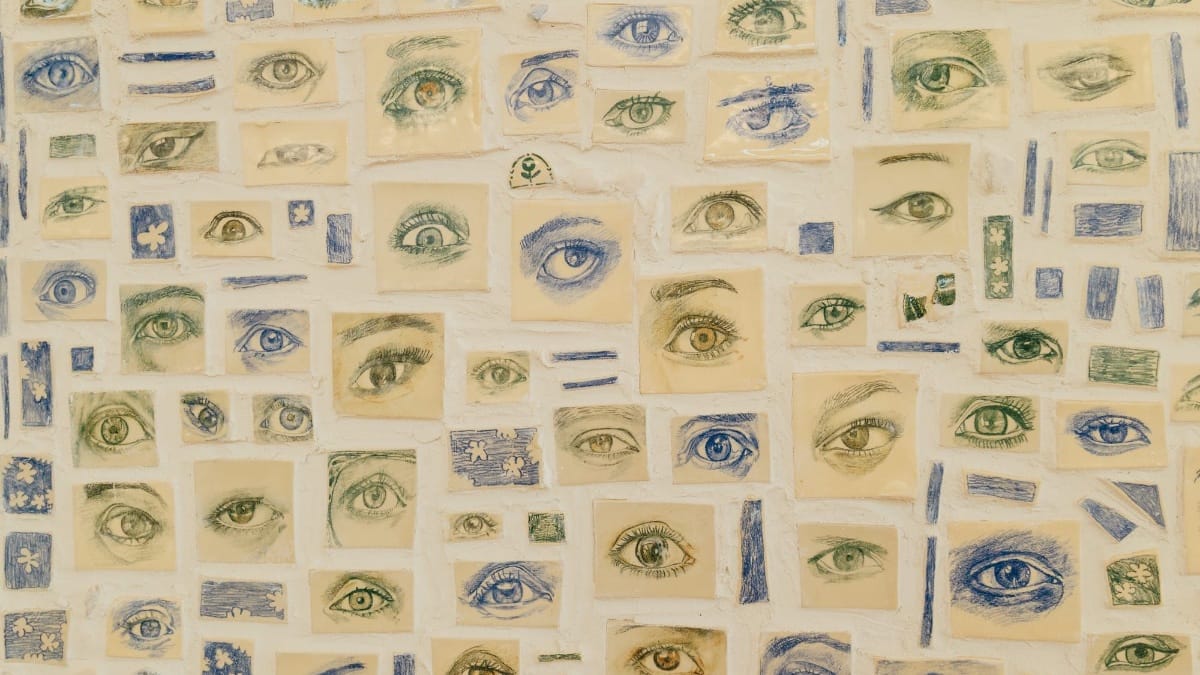
Ultimately, whether through the resonant ceramic horns of Raven Chacon, the fluid wooden sculptures of Truman Lowe, or the vigilant eyes of contemporary art critics, the cultural conversation remains anchored in an insistence on truth, memory, and uncompromising political integrity.
 Sagoh
Sagoh
 Nana
Nana
 Reynand Wu
