

By Jen Glennon
Published October 13, 2026
Square Enix stands as a titan of the video game industry, synonymous with the golden age of role-playing games. Thanks to global cultural phenomenons like Final Fantasy, Dragon Quest, and Kingdom Hearts, the publisher’s legacy is permanently etched into gaming history. Yet, for every blockbuster franchise that spans decades and hardware generations, dozens of brilliant, boundary-pushing titles have been left by the wayside.
Over the years, Square Enix has greenlit and released numerous games of immense potential that, due to shifting market trends, poor platform choices, or corporate missteps, failed to blossom into long-running series. Today, many of these gems are trapped on outdated hardware, growing increasingly difficult for modern gamers to experience.
Whether through a simple contemporary port, a careful HD remaster, or a ground-up reimagining, these five Square Enix RPGs deserve a second chance in the spotlight.
Main Facts: The Forgotten Vault of Square Enix
While the gaming community frequently fixates on the next numbered Final Fantasy entry or the latest Dragon Quest installment, Square Enix’s historical catalog contains a treasure trove of standalone projects and short-lived spinoffs that arguably matched—or even exceeded—the creative ambition of the company’s tentpole franchises.
The core issue facing these titles is modern accessibility. In an era where digital preservation is increasingly fragile, several defining pillars of 90s and 2000s role-playing gaming are unavailable on current-generation consoles like the PlayStation 5, Xbox Series X/S, or Nintendo Switch.

- Critical Acclaimed Icons: Titles like Chrono Trigger and Xenogears are universally cited in retrospectives as some of the greatest RPGs ever made, yet they languish in licensing and hardware limbo.
- Lost to Time and Hardware: Games like the iOS exclusive Bloodmasque remain entirely unplayable for standard modern gamers due to platform-specific architecture.
- Overlooked Experiments: Spinoffs like Final Fantasy Type-0 and horror-hybrids like Parasite Eve proved that Square Enix was once willing to take radical creative risks, blending genres in ways the publisher rarely attempts today.
Chronology of Neglect: How These Masterpieces Slipped Away
Understanding how these titles fell into obscurity requires looking back at the specific historical and corporate contexts that shaped Square Enix (and its predecessor, Squaresoft) across four distinct eras of gaming history.
1. The Golden Era of Experimentation (1995–1998)
During the mid-to-late 1990s, Squaresoft was firing on all cylinders, unbound by the risk-averse formulas that often govern modern AAA development.
- 1995: Chrono Trigger launched on the Super Nintendo, bringing together the "Dream Team" of creators from Dragon Quest and Final Fantasy.
- 1998: Parasite Eve debuted on the original PlayStation as a terrifying, cinematic blend of JRPG mechanics and survival horror. That same year, Xenogears arrived, showcasing a sprawling, philosophical sci-fi epic told through mechs and hand-drawn sprites.
2. The Missteps and Studio Shifts (Early 2000s)
The transition into the 2000s marked a turbulent period for the company. Following the commercial failure of the CGI feature film Final Fantasy: The Spirits Within, Squaresoft abandoned plans for sequels like Xenogears 2. Key creative minds, such as Tetsuya Takahashi, departed to found Monolith Soft (taking the spiritual lineage of Xenogears to Nintendo with Xenosaga and Xenoblade Chronicles).
3. The Mobile Gold Rush and Spinoff Era (2010–2015)
As the gaming landscape shifted toward mobile devices and handhelds, Square Enix attempted to capture new markets with mixed results.
- 2010: The Third Birthday attempted to revive Parasite Eve as a PlayStation Portable action shooter, alienating core fans.
- 2011: Final Fantasy Type-0 launched in Japan for the PSP, reinterpreting the franchise through the lens of a dark magical academy drama.
- 2013: Bloodmasque launched as an Apple-exclusive touch-screen action RPG, effectively sealing its fate as a footnote in mobile gaming history.
Supporting Data: The State of Accessibility Today
To quantify why fans are loudly demanding remasters and remakes, one needs only to look at the current availability of these titles across modern gaming ecosystems:
| Game Title | Original Release Year & Platform | Modern Availability Status | Remake / Remaster Prospects |
|---|---|---|---|
| Chrono Trigger | 1995 (SNES) | Steam, Mobile only (Delisted/Absent on modern consoles) | High fan demand, but no official confirmation. |
| Parasite Eve | 1998 (PS1) | Unavailable (Trapped on PS1 hardware) | Moderate potential, though licensing of the original novel poses hurdles. |
| Xenogears | 1998 (PS1) | PSN Classic (Region-dependent), physical PS1 discs | Low; executives cite massive undertaking costs. |
| Final Fantasy Type-0 | 2011 (PSP) / 2015 (PS4/Xbox One/PC) | Available via 2015 HD Remaster | Low priority for a direct sequel. |
| Bloodmasque | 2013 (iOS) | Completely defunct / Unplayable | Extremely low; requires a total rebuild. |
Deep Dive: Five Games That Deserve a Second Life
1. Parasite Eve (1998)
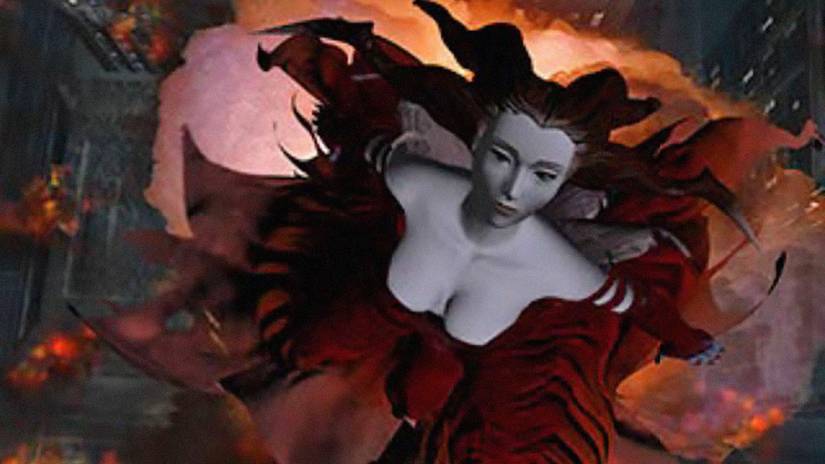
Long before Insomniac Games made players feel like Spider-Man swinging through Manhattan, Parasite Eve let players explore a chillingly realistic, holiday-season New York City. Following police detective Aya Brea as she tracks a mutant entity capable of causing human cells to spontaneously combust, the game combined pre-rendered backgrounds with real-time tactical action.
While it inspired two follow-ups—Parasite Eve 2 and The Third Birthday—the original title is ripe for a modern resurgence. Given the massive contemporary appetite for survival horror and the blueprint laid by the Final Fantasy VII Remake engine, a reimagined Parasite Eve could be a massive hit.
2. Bloodmasque (2013)
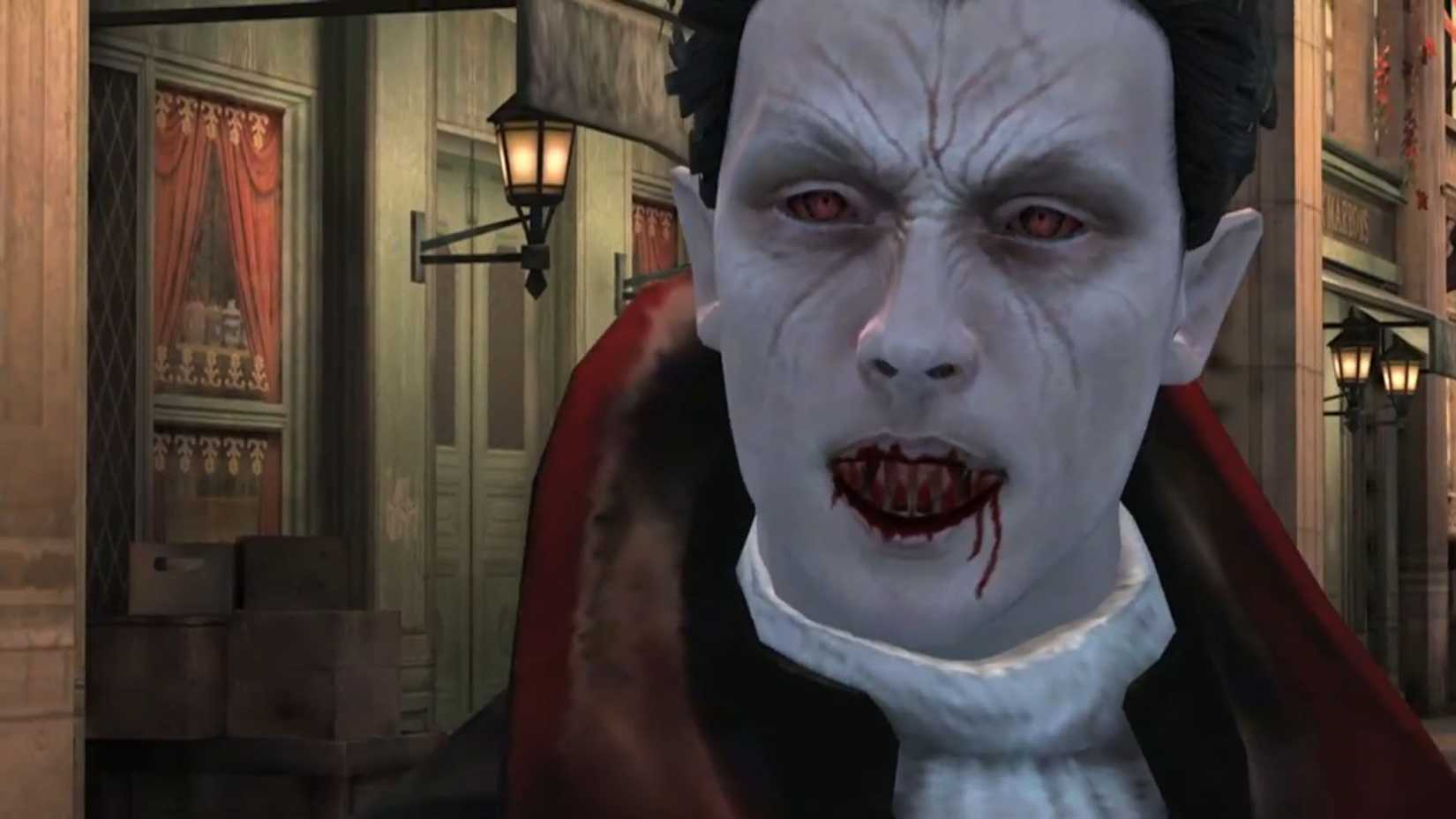
An alternate 19th-century Paris overrun by vampires? It sounds like a premise tailor-made for today’s gaming market. Unfortunately, Bloodmasque was locked away as an exclusive for touchscreen Apple devices upon its 2013 release.
Speaking with Polygon, Final Fantasy Tactics: The Ivalice Chronicles director Kazutoyo Maehiro—who served as a scenario designer on the project—revealed that he wrote roughly 3,000 years of lore for the game, charting the vampires’ history all the way into outer space. Maehiro noted that the game’s ambitious chronological scope makes it a prime candidate for a modern release, proving that the world is ready to look past its initial mobile constraints.
3. Xenogears (1998)
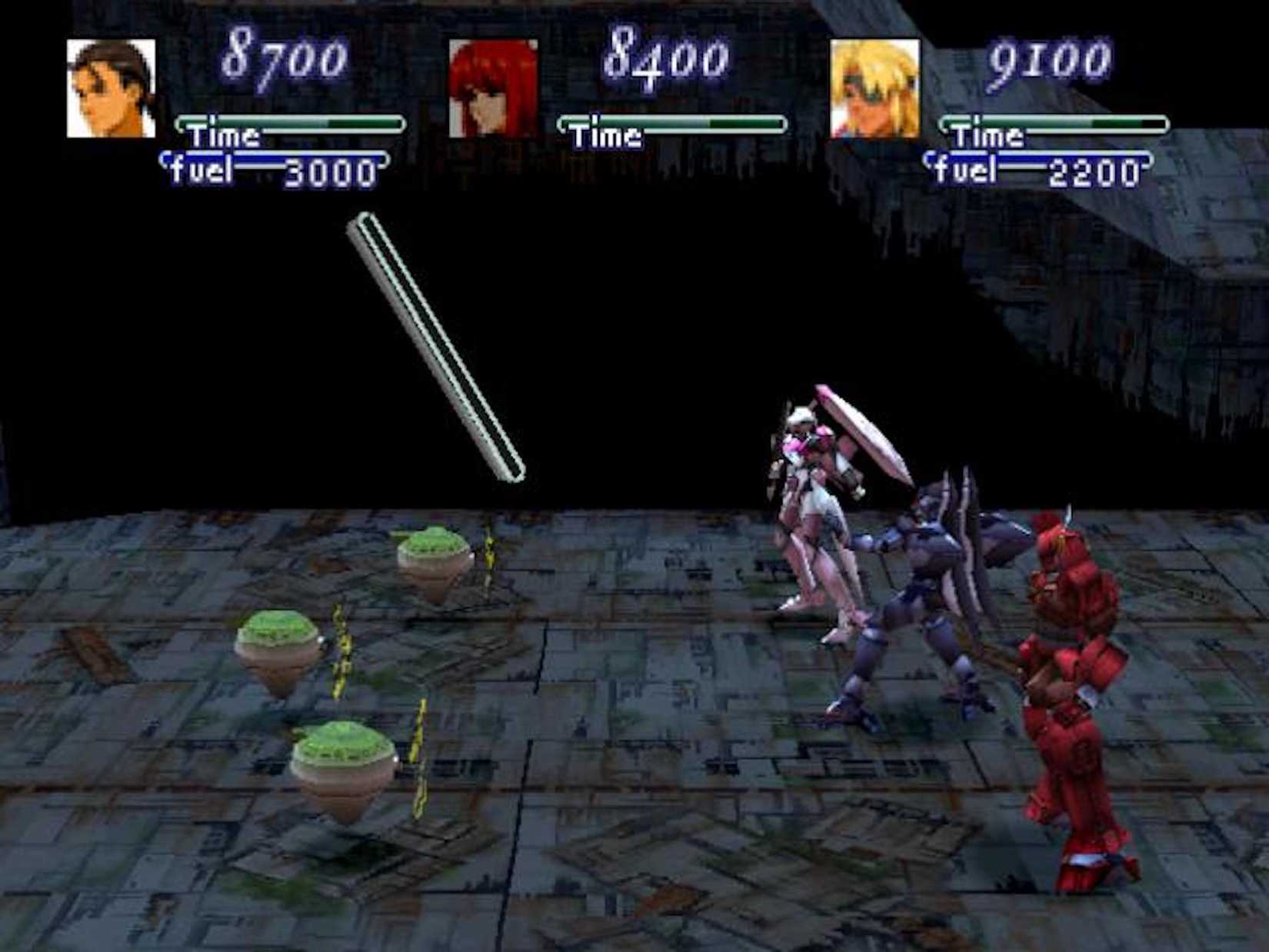
Conceived initially as an early pitch for Final Fantasy VII, Xenogears is legendary for its staggering ambition and its infamously rushed second half, which traded traditional dungeons for visual-novel-style exposition. Mixing mechs, Gnostic theology, and epic scale, it remains a cult classic.
While creator Tetsuya Takahashi continued his work on the Xeno lineage at Monolith Soft, a definitive 3D remaster—or a complete remake that fills out the unfinished narrative of the second disc—remains a holy grail for JRPG fans. However, hurdles remain; Final Fantasy VII Rebirth director Naoki Hamaguchi recently noted that modernizing a project of that era would be an extraordinarily daunting task.
4. Final Fantasy Type-0 (2011)
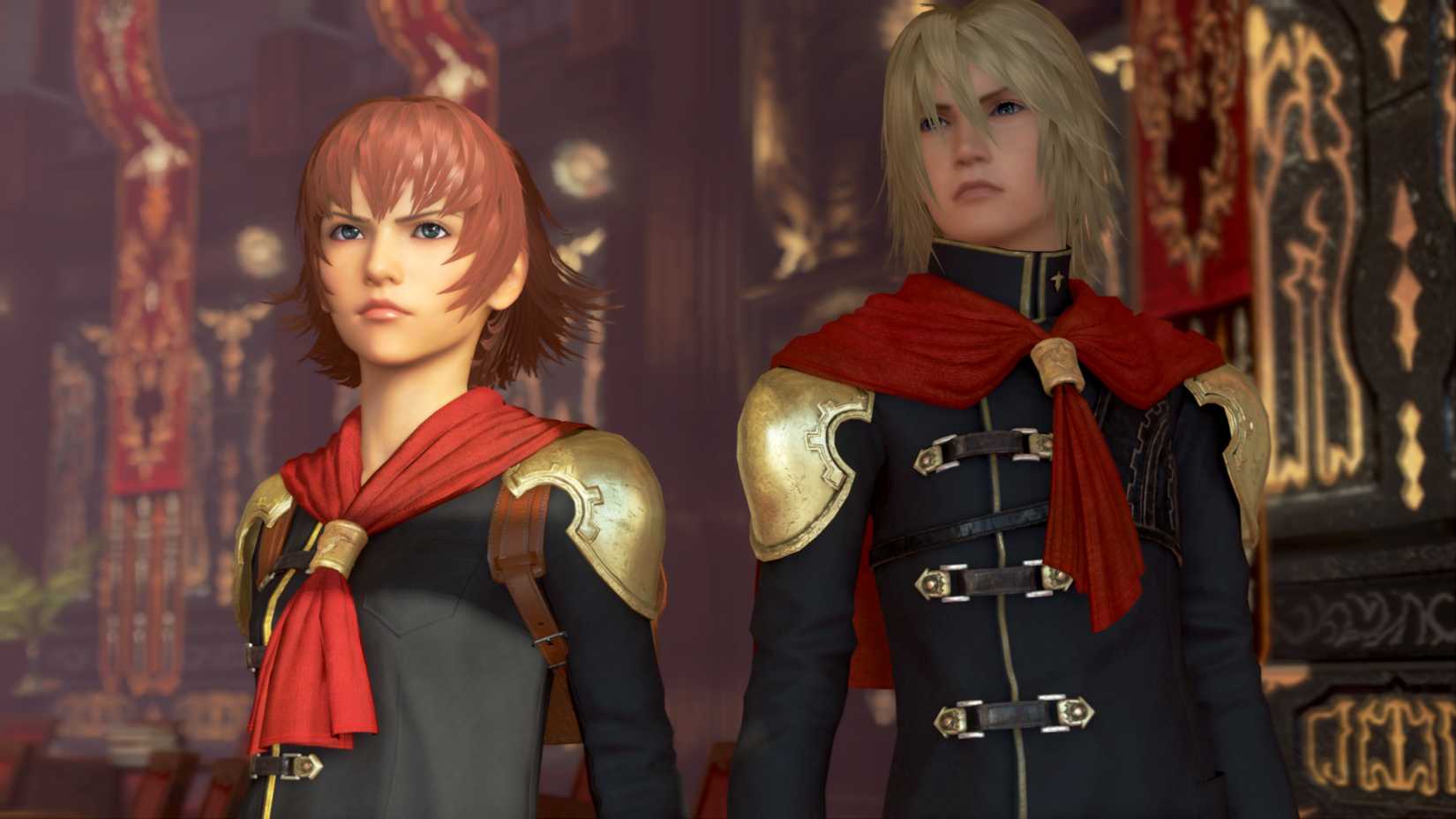
What if the future of Final Fantasy looked less like a traditional fantasy epic and more like Atlus’s Persona? That was the core question behind Final Fantasy Type-0, a darker, militaristic spin-off following 14 students at an elite magic academy balancing school life with global warfare.

While the game received an HD Remaster in 2015 for eighth-gen consoles, the subseries has remained dormant ever since. Given the enduring popularity of school-based magical tropes and ensemble casts, Square Enix is missing a trick by leaving this universe unexplored.
5. Chrono Trigger (1995)
No list of neglected classics is complete without Chrono Trigger. Developed by the legendary "Dream Team" of Yuji Horii, Hironobu Sakaguchi, and artist Akira Toriyama, this SNES masterpiece pioneered New Game+ mechanics, featured 13 distinct endings, and perfected the art of time-travel storytelling.
Despite rampant speculation surrounding its 30th anniversary in 2025—fanned by the release of Chrono Cross: The Radical Dreamers Edition in 2022—the game is currently unavailable on modern home consoles. Fans have spent years pleading for an HD-2D remake in the style of Octopath Traveler, a treatment that would honor the game’s timeless pixel art while introducing it to a new generation.
Implications: What a Return Could Mean for Square Enix
The reluctance of major publishers to look backward often stems from financial risk and the rising costs of modern game development. Yet, Square Enix’s recent financial shifts and pivot toward multiplatform strategies suggest a company increasingly interested in catalog preservation and maximizing its intellectual property portfolio.
If Square Enix were to re-invest in these dormant pillars, the implications for the company would be profound:
- Goodwill and Brand Loyalty: Reviving beloved titles like Chrono Trigger or Parasite Eve would instantly repair fractured trust with long-term fans who feel alienated by shifting modern release strategies.
- Creative Diversification: Leaning into horror (Parasite Eve) or complex sci-fi philosophy (Xenogears) would prove that Square Enix can deliver experiences outside the traditional fantasy mold.
- Preservation of Gaming History: Ensuring these masterpieces are playable on modern hardware prevents vital chapters of interactive storytelling from being lost to technological obsolescence.
Until then, fans can only hope that Square Enix realizes the immense value hiding in its own archives—and decides that it’s time to bring these legends back from the past.
 Nana Wu
 Iffa Jayyana
 Nila Kartika Wati
