Microsoft’s gaming division is currently navigating what leadership has euphemistically termed a major structural “reset.” This sweeping corporate overhaul has resulted in at least 1,600 job cuts, aggressive corporate restructuring, and the systematic divestment from several key internal and acquired studios.
Amid this turbulent climate, leaked internal transcripts from a company-wide town hall held in early October 2026 reveal that Xbox CEO Asha Sharma delivered a stark warning to her staff: the company “will not survive” if it relies exclusively on legacy properties. Sharma stressed the urgent necessity for the division to cultivate enduring, original intellectual properties (IP) capable of capturing new audiences.
However, this rhetorical pivot toward creative reinvention has triggered immediate backlash and widespread skepticism within the industry. Critics and insiders note that Sharma’s call for original innovation sits in sharp, contradictory contrast to Microsoft’s recent corporate actions. Over the preceding months, Xbox systematically dismantled, defunded, or spun off many of the exact internal development teams responsible for groundbreaking new IPs—including Double Fine, Ninja Theory, Compulsion Games, and Undead Labs.
While leadership publicly champions the creation of billion-dollar, multi-platform mega-franchises, the reality on the ground depicts a corporation retreating into safe, established legacy silos—reassigning legendary developers to evergreen juggernauts like Call of Duty, Fallout, and Halo.
Chronology of the Xbox “Reset”
To understand the profound disconnect between Sharma’s recent statements and the state of Xbox, it is necessary to trace the timeline of the division’s aggressive contraction over the past year:
Early 2026: Rumors begin to circulate regarding deep financial pressures within Microsoft’s gaming wing following the massive, multi-billion-dollar acquisition hangover of Activision Blizzard King. Corporate leadership quietly begins drafting consolidation strategies.
July 2026: The first wave of high-impact layoffs hits. Microsoft announces a staggering reduction of at least 1,600 positions across various divisions. Studio structures are fundamentally altered, with major cuts hitting teams like Compulsion Games, Undead Labs, and Ninja Theory.
August to September 2026: Microsoft officially stops funding multiple acclaimed studios. Rather than outright closures for all, complex restructuring leads to management buyouts for teams desperately trying to survive independently (with Ninja Theory notably left as an outlier facing an uncertain future). Simultaneously, foundational organizational lines are redrawn: veteran studios are consolidated under broader corporate umbrellas, such as absorbing Obsidian Entertainment directly beneath Bethesda’s operational structure.
Early October 2026: During an internal company town hall meeting, Xbox CEO Asha Sharma addresses anxious employees regarding the future of Xbox content strategy. An unauthorized transcript of her remarks is subsequently leaked to industry outlet Windows Central, sparking public debate over the company’s mixed signals.
Supporting Data & Corporate Strategy Shift
The internal documents reveal a two-pronged corporate strategy that simultaneously demands creative risk-taking while systematically penalizing the studios historically tasked with it.
During the October town hall, Sharma remarked:
"On content, I think this is probably the thing that you are all seeing the most about as we’re making a lot of changes… We’re backing our strongest franchises. I want our great games to become great global billion-dollar franchises."
This sentiment explains the massive infrastructural realignments enacted over the summer. In an effort to secure predictable, high-yield financial returns, Microsoft has centralized its heavy-hitting historical assets:
The Halo Pivot: Development duties for the iconic Halo series have been shifted toward Activision—the powerhouse publisher behind Call of Duty—raising questions about the long-term creative identity of Xbox’s historic mascot.
Bethesda Consolidation: Obsidian Entertainment has been formally slotted under Bethesda’s corporate banner, shifting its immediate focus toward franchise-driven behemoths like an upcoming Fallout project rather than distinct, smaller narrative experiments.
Studio Shrinking: Industry stalwarts like Doom developer id Software have reportedly had their headcounts slashed in half, making the development of massive, AAA technical showcases a monumental challenge.
Yet, immediately following her defense of legacy franchises, Sharma added a crucial caveat that highlighted the division’s existential fears:
"I would also like to see us continue to create enduring new IP. We will not survive if we only revive the past. We have to find new ways, and courage, to have invention on new IP, that reaches new sets of audiences."
What New IP Was Lost?
The hypocrisy cited by critics lies in the sheer volume of unique, critically acclaimed original intellectual properties that Microsoft actively funded, only to abandon or cast aside just as they began to bear fruit. The collateral damage of the Xbox reset includes teams renowned for taking creative risks:
Compulsion Games: The studio recently delivered South of Midnight, one of Xbox’s most visually striking and culturally rich recent titles—a fantastical action-adventure deeply rooted in the folklore of the American South and inspired by stop-motion animation. Despite creating a fresh, standout aesthetic, the studio was caught in the July layoffs and restructuring wave.
Double Fine Productions: Universally praised for out-of-the-box creative concepts, Double Fine released idiosyncratic multiplayer pottery action game Kiln and the inventive Keeper (where players control a sentient lighthouse) under Microsoft’s watch. Despite this pedigree, the studio’s long-term security under Xbox has been severed.
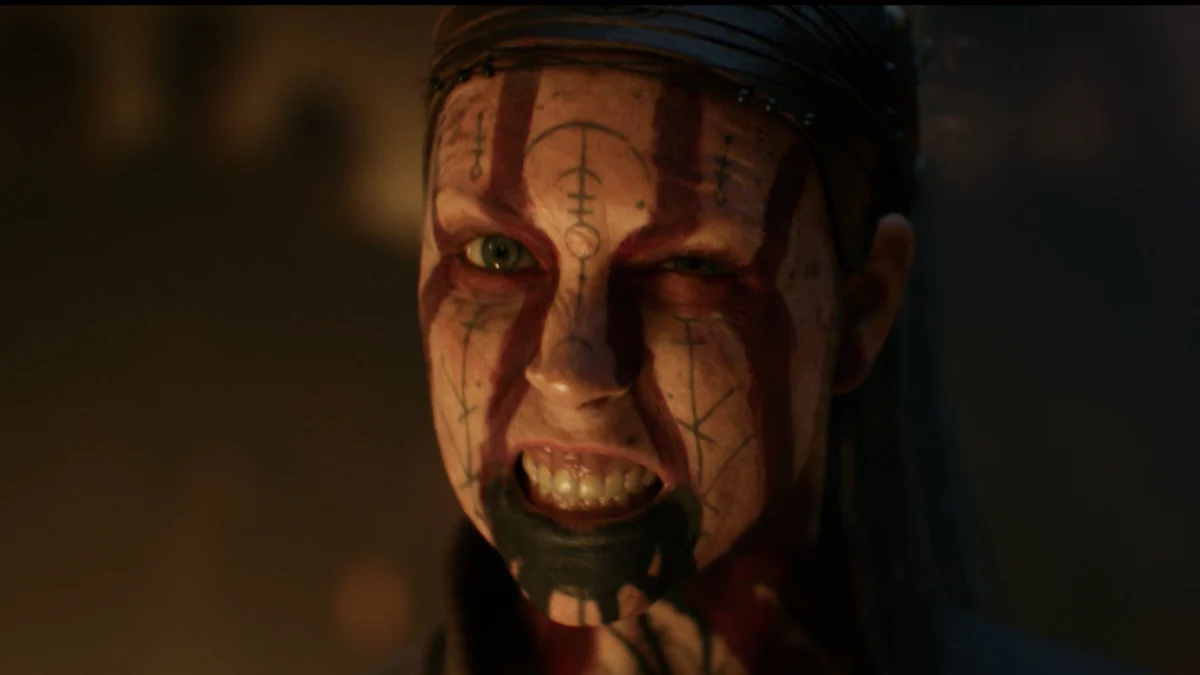
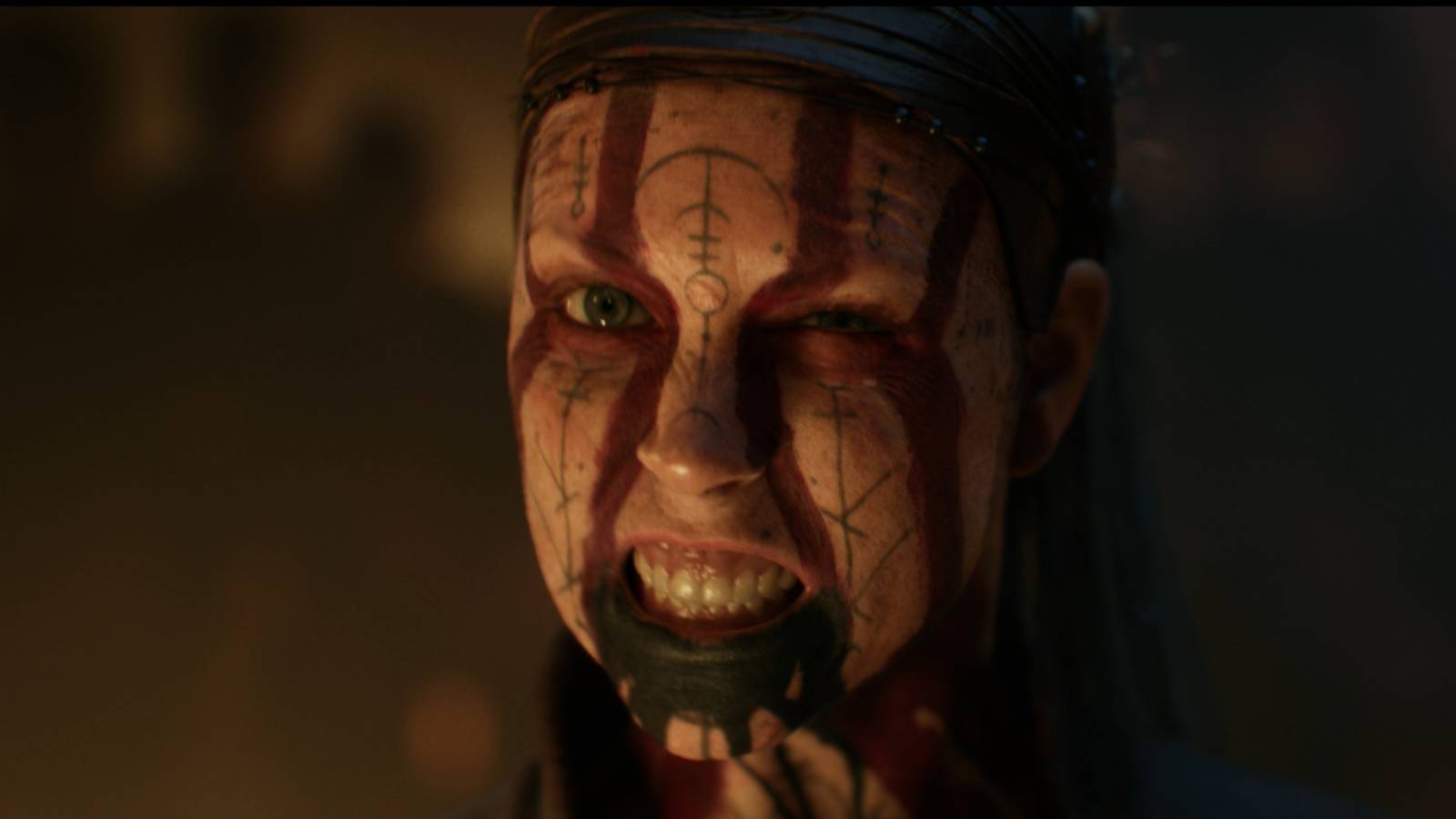
Ninja Theory: Creators of the psychologically complex, visually stunning Hellblade series—a franchise that pushed technical boundaries while exploring mental health—found themselves uniquely stranded during the recent management buyouts, leaving the future of Senua’s journey deeply uncertain.
Undead Labs: As the driving force behind the State of Decay survival franchise, Undead Labs established a crucial systemic pillar for Xbox Game Pass. Their restructuring stripped away the safety net of corporate backing.
Arkane Studios: Currently navigating intense, protracted negotiations with Microsoft regarding its structural future, Arkane previously delivered the mind-bending time-loop thriller Deathloop and has faced heavy scrutiny despite handling major upcoming projects like Marvel’s Blade.
Official Responses and Industry Implications
To date, official corporate communication from Microsoft PR has largely sidestepped the granular contradictions highlighted by the leaked transcripts. Executives like Asha Sharma and Matt Booty have maintained that the overarching "reset" is designed to streamline operations, eliminate redundancies, and position Xbox for sustainable long-term growth in a hyper-competitive, post-acquisition market.
Externally, however, the industry reaction has been one of profound weariness. Analysts point out a recurring systemic issue in modern corporate gaming: multi-billion-dollar conglomerates purchase boutique studios for their creative DNA, demand immediate blockbuster metrics, and subsequently gut those very same teams when economic realities or shifting shareholder expectations bite.
What This Means for the Future of Xbox
The Death of Mid-Budget Risk: By cutting ties with studios like Double Fine and Compulsion, Xbox is signaling an effective retreat from the "AAA-minus" or high-concept mid-budget space. Games like Pentiment or South of Midnight—which offer high artistic value but lack the infinite monetization loops of live-service giants—may no longer have a home at Microsoft.
A Return to the Safe Playbook: Moving major assets like Halo to Activision and chaining RPG developers like Obsidian to established global properties (Fallout, The Elder Scrolls) suggests that Xbox intends to rely on familiar, de-risked intellectual property to sustain Game Pass subscriber numbers.
The "Live-Service" Definition of New IP: When corporate leadership calls for "new IP" that can survive in the modern market, industry insiders increasingly interpret this as corporate-speak for a new, multi-platform live-service or multiplayer juggernaut capable of retaining millions of concurrent players for years—rather than narrative-driven, single-player artistic experiments.
Ultimately, Asha Sharma’s assertion that Xbox "won’t survive" without new IP is likely true in a macro-economic sense. No platform holder can subsist entirely on endless remasters and aging sequels. However, the paradox defining modern Xbox is that in their frantic corporate pruning to secure immediate financial stability, leadership may have successfully purged the exact creative talent required to invent that future.



 Iffa Jayyana
 Nila Kartika Wati
 Ammar Sabilarrohman
