As the contemporary art ecosystem continues to navigate a landscape defined by rapid technological disruption, shifting institutional priorities, and evolving global narratives, this week’s Art Movements roundup brings critical industry updates to the forefront. Published weekly by Hyperallergic, the briefing captures the pulse of the international art scene. This week’s dispatch highlights monumental curatorial announcements from New York’s Metropolitan Museum of Art, pivotal leadership shifts at cultural institutions in Massachusetts, and unexpected political interventions in the ongoing debate surrounding artificial intelligence and creative labor.
Main Facts
The cultural sector is experiencing a wave of notable appointments, high-profile commissions, and policy-adjacent debates that signal the direction in which major institutions are moving:
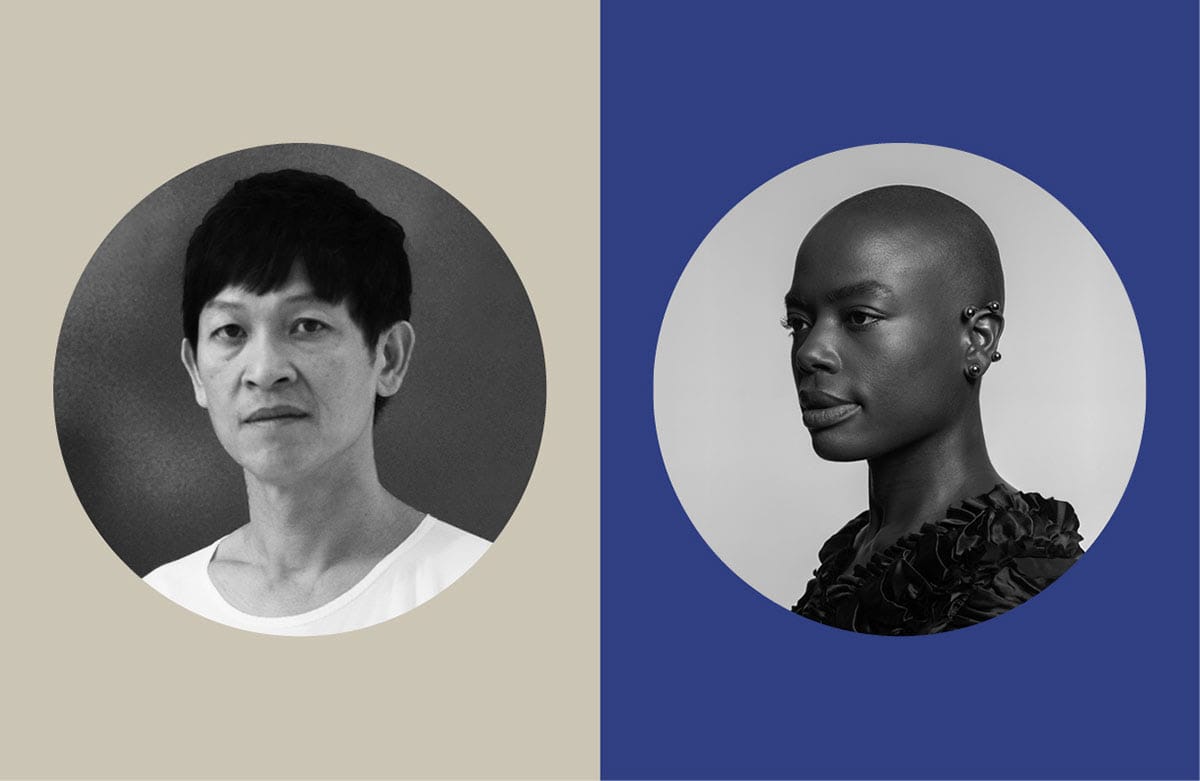
The Met’s 2027 Commissions: The Metropolitan Museum of Art has officially selected acclaimed artists Danh Vo and Sandra Mujinga for its prestigious 2027 Genesis Facade and Great Hall commissions, respectively.
Danh Vo will conceptualize and install new works across the four exterior niches of the museum’s iconic Beaux-Arts Fifth Avenue facade, with an opening slated for September 2027.
Sandra Mujinga will develop a large-scale, site-specific installation for the museum’s cavernous interior Great Hall, debuting in November 2027.
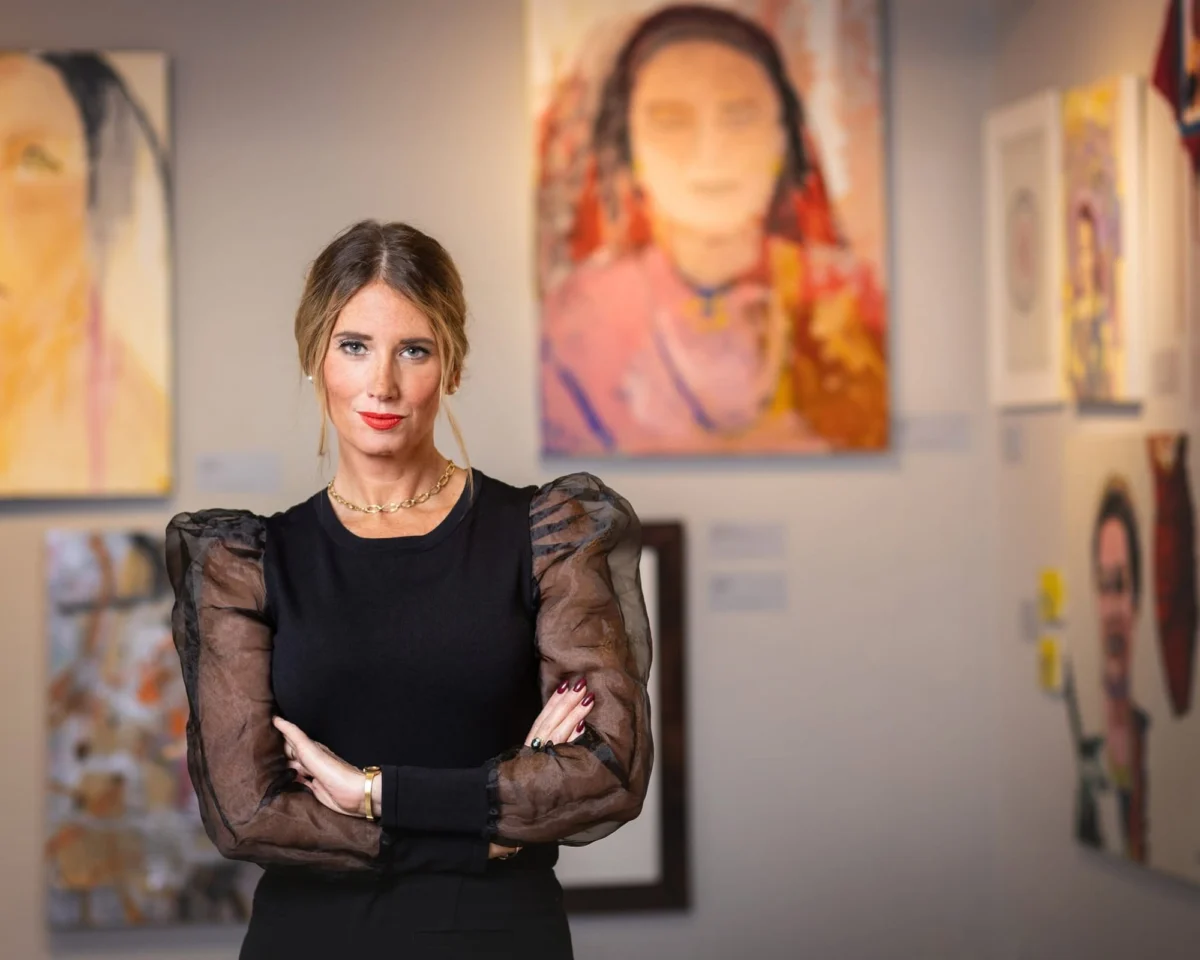
Leadership Evolution at AMoA:Sarah Hayes, who has successfully spearheaded the Development department at the Armenian Museum of America (AMoA) since 2023, has been promoted to Deputy Director of the Watertown, Massachusetts-based institution.
Broader Industry Currents: Alongside these major announcements, the art world continues to grapple with external pressures, including institutional grant distributions—such as the recently announced Rubin Museum grants—and growing political commentary on generative artificial intelligence in creative fields.
Chronology of Events
Understanding the trajectory of these cultural developments requires looking at the timelines of the key figures and institutions involved:
2005–2007: Sarah Hayes establishes her deep-rooted connection to Armenian culture and human rights by serving as a U.S. Peace Corps Volunteer in Armenia.
Post-2007: Hayes continues her advocacy and cultural work, eventually serving as the West Coast operations manager for the Armenia Tree Project based in Los Angeles.
2023: Sarah Hayes joins the Armenian Museum of America (AMoA) as the head of its Development department, where she immediately begins driving financial sustainability and strategic partnerships.
Recent Years (Leading to 2026): Hayes instrumentalizes key fundraising and acquisitions, notably securing essential works for a landmark exhibition dedicated to pioneering abstract expressionist Arshile Gorky at AMoA.
October 2026:Hyperallergic publishes its weekly Art Movements roundup, officially announcing the upcoming 2027 Met commissions for Danh Vo and Sandra Mujinga, alongside Hayes’s promotion to Deputy Director at AMoA.
September 2027 (Anticipated): Danh Vo’s newly commissioned works are scheduled to be unveiled on the exterior facade of the Metropolitan Museum of Art.
November 2027 (Anticipated): Sandra Mujinga’s site-specific interior installation is set to open to the public in the Met’s Great Hall.
Supporting Data and Context
The significance of these updates is amplified by the professional backgrounds and conceptual frameworks of the artists and leaders involved:
The Met’s Visionaries: Danh Vo and Sandra Mujinga
The Metropolitan Museum of Art’s Genesis Facade and Great Hall commission series has consistently served as a platform for artists who engage directly with public space, history, and contemporary socio-political realities.
Danh Vo: Born in Bà Rịa, Vietnam, in 1975, Vo’s personal history as a Vietnamese boat refugee profoundly shapes his artistic inquiry. His work frequently utilizes found objects, historical documents, and archival materials to question the grand narratives of modern history, colonialism, and identity. By placing his work in the external niches of the Met’s Beaux-Arts facade, Vo will engage directly with the architectural monumentality of one of the world’s most visited museums.
Sandra Mujinga: Based in Norway and Berlin, Mujinga’s artistic practice spans sculpture, video, performance, and installation. Drawing heavily from Afrofuturism, science fiction, and post-colonial theory, her work explores themes of surveillance, visibility, and bodily autonomy. Her speculative approaches to futurity make her an ideal fit for the vast, transitional space of the Met’s Great Hall, where visitors pause before dispersing into thousands of years of human history.
Institutional Resilience at the Armenian Museum of America
The appointment of Sarah Hayes as Deputy Director underscores the value of institutional memory and specialized operational expertise in mid-sized and community-focused museums. AMoA, which houses one of the most significant collections of Armenian art and artifacts in North America, has faced the ongoing challenge of maintaining financial resilience while expanding its cultural footprint. Hayes’s background—spanning grassroots international service with the Peace Corps, environmental and cultural management with the Armenia Tree Project, and targeted museum fundraising—positions her uniquely to guide the institution into its next phase of growth. Her work in securing high-profile loans and acquisitions, particularly for the Arshile Gorky exhibition, proved vital in elevating AMoA’s national profile.
Official Responses and Statements
Leadership from the Metropolitan Museum of Art has emphasized the thematic alignment between the selected artists and the institutional mission to reflect living, breathing histories.
In an official statement regarding the 2027 Genesis Facade and Great Hall commissions, Met Director and CEO Max Hollein noted:
"Danh Vo and Sandra Mujinga both treat history as something alive and unsettled and are deeply attuned to the ways objects and bodies carry meaning across time."
Hollein’s remarks highlight the museum’s ongoing commitment to commissioning contemporary works that converse with, rather than simply inhabit, historical architecture. The dialogue between Vo’s archival investigations and Mujinga’s speculative futures promises to transform how visitors experience the physical threshold of the museum.
Implications for the Art World
These developments point to broader trends currently shaping the global and domestic arts sectors:
The Re-Evaluation of Monumental Spaces: By choosing artists whose practices deal heavily with displacement, diaspora, and post-coloniality (Vo and Mujinga), major encyclopedic museums like The Met are actively seeking to de-center traditional, monolithic historical narratives. Public-facing commissions are increasingly used as sites of critical dialogue rather than mere decorative spectacles.
Leadership Stability and Specialized Expertise in Museums: Smaller and identity-focused institutions like the Armenian Museum of America benefit immensely from leadership transitions that prioritize professionals with deep, lived cultural fluency and robust fundraising acumen. As cultural funding models fluctuate, the appointment of figures like Sarah Hayes signals a trend toward sustainable, mission-driven operational management.
The Intersection of Art, Technology, and Policy: Beyond institutional appointments, the broader cultural conversation—including ongoing debates surrounding artificial intelligence in the arts—highlights an industry-wide anxiety over authorship, copyright, and the intrinsic value of human creativity. As political figures and cultural critics weigh in on the AI art debate, artists and institutions alike are forced to define the boundaries of authentic creative labor in the digital age.
As the art world looks toward the major exhibition openings of late 2026 and the monumental 2027 installations at institutions like The Met, these movements reflect an ecosystem in constant negotiation with its past, its technology, and its communities.



 Muslim
 Evan Lee Salim
 Jia Lissa
