

NEW YORK — What does it mean for a woman artist to enter her "prime" in a commercial and institutional ecosystem that historically reserves its highest financial valuations, retrospective honors, and critical applause for the twilight of her career?
This is the central, provocative question underpinning The Prime of Your Life, a sprawling and intellectually rigorous group exhibition currently on view at the Marc Straus Gallery in New York. Curated to spark discourse rather than offer comforting aesthetic resolutions, the exhibition gathers works by 18 women artists, all of whom are over the age of 75. Featuring a dynamic cacophony of media—including painting, drawing, sculpture, and large-scale installation—the show avoids tidy generational categorizations. Instead, it deploys these diverse artistic practices as a series of sharp, overlapping calls and responses, interrogating the shifting boundaries of contemporary feminist art history.
Main Facts: The Architecture of The Prime of Your Life
At its core, The Prime of Your Life uses chronological maturity not as a unifying stylistic device, but as a critical lens to examine the systemic paradoxes of the art market.
- The Exhibition Framework: Hosted at the Lower East Side’s Marc Straus Gallery, the exhibition showcases 18 prominent and under-recognized women artists who have crossed the 75-year threshold.
- The Thematic Core: The show investigates the concept of "old-age style" or "late style," drawing heavily on feminist art historical theory to question why female creators are so frequently marginalized during their youth and mid-career, only to achieve market viability and institutional visibility late in life.
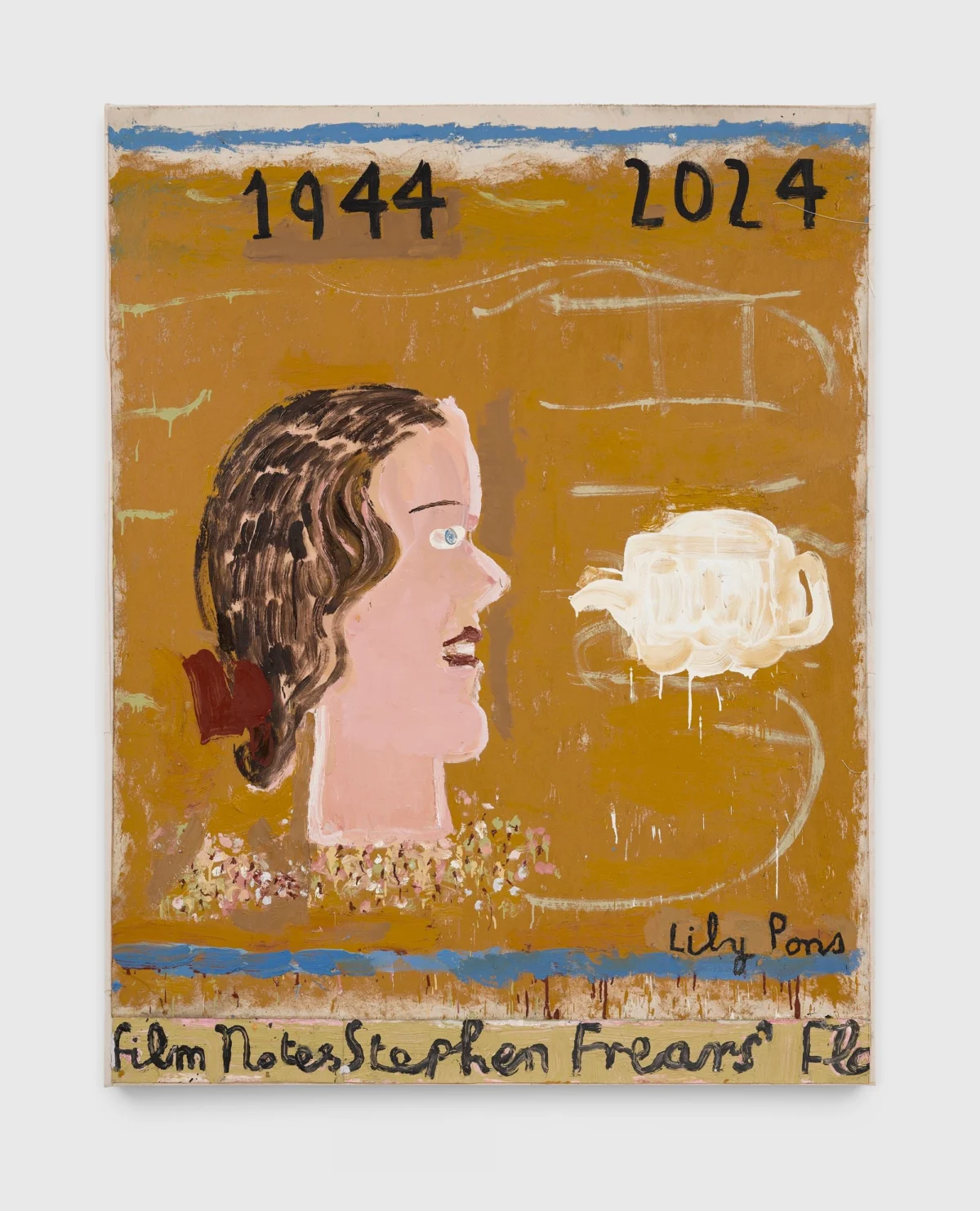
- Featured Artists and Works: The exhibition refuses visual harmony, juxtaposing disparate scales, techniques, and philosophies. Highlights include vibrant, deceptively naive canvases by Rose Wylie (Opera Singer and Teapot, 2024) and confrontational conceptual photography by Marina Abramović (Standing with Skeleton, 2008/2016).
- The Critical Dilemma: The exhibition forces viewers to confront a complex art-historical problem: How does an artist’s late-career output alter our interpretation of their earlier oeuvres, and when does market-driven "late style" intersect with genuine artistic evolution?
Chronology and Intellectual Lineage: From Bourgeois to Modern Mastery
To fully grasp the stakes of The Prime of Your Life, critics and curators must look backward to establish a theoretical foundation. The exhibition’s intellectual lineage traces directly to feminist art historian Linda Nochlin’s seminal 2008 essay, “Old-Age Style: Late Louise Bourgeois.”
The Evolution of "Late Style"
In her 2008 text, Nochlin posed a fundamental question: "What is an ‘old-age style’? Is it the same as a ‘late style’?"
Analyzing Bourgeois’s seven-decade career—particularly the interplay of soft and hard materials in her sculptural practice—Nochlin explored how an artist’s final works fundamentally reshape our understanding of their early creations. To articulate this phenomenon, Nochlin borrowed from the late Palestinian-American literary theorist Edward Said, summarizing "late style" with striking clarity:
"Late styles abandon all the comforting segues and aesthetic connections that hold the art object together, dealing instead with disconnects, abysses, unyielding dislocation and unresolved contradiction."
In essence, late styles resist smooth historical categorization. They force audiences to grapple with abrupt disruptions, biographical shifts, and stylistic mutations that defy neat linear narratives.
Applying the Theory to the Present
The Prime of Your Life translates Nochlin and Said’s theoretical frameworks into a physical, spatial experience. By gathering 18 women artists who have lived through seismic shifts in 20th- and 21st-century art history, the exhibition maps out how these creators navigate the twilight of their careers. Rather than presenting a unified front of "elderly wisdom," the gallery space hums with friction, highlighting artists who continue to challenge aesthetic conventions, experiment with new materials, and reject the comforting tropes often expected of aging creators.
Supporting Data and Key Works: A Dialogue Across Media
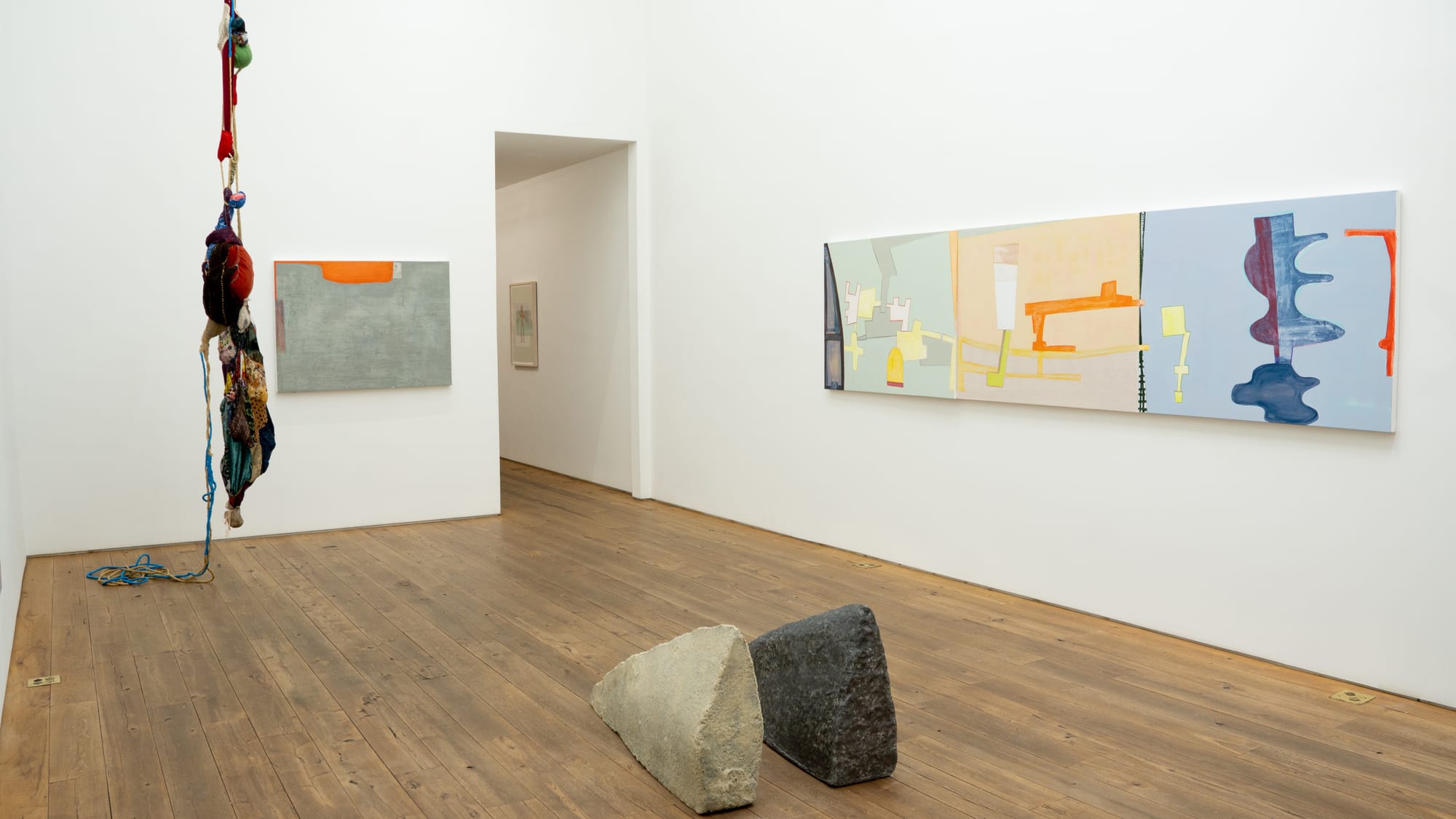
The exhibition’s strength lies in its refusal to offer easy viewing. Visitors stepping into Marc Straus Gallery are immediately met with visual dissonance—a deliberate curatorial choice that underscores the individuality of each participating artist.
Marina Abramović: Standing with Skeleton (2008/2016)
Among the most debated pieces in the exhibition is Marina Abramović’s large-scale color chromogenic print, Standing with Skeleton. Installed near the gallery’s entrance, the photograph depicts Abramović dressed entirely in black against a pitch-black background, an ivory human skeleton draped hauntingly over her back.
For over five decades, Abramović has positioned her physical body at the center of her performance art, favoring direct, unyielding confrontation over subtlety. Her career reached an indisputable zenith with The Artist Is Present (2010) at the Museum of Modern Art—an epic, emotionally charged endurance performance where she sat silently across from museum visitors day after day.

By contrast, Standing with Skeleton occupies a more ambiguous artistic space. Viewed alongside her rigorous live performances, the photograph can feel somewhat inanimate—to some critics, it borders on self-parody, with the skeleton occasionally risking the theatricality of Halloween decor rather than an elegiac meditation on mortality.
This tension is precisely what makes the inclusion of the work so vital to the exhibition’s thesis:
- Does knowing the monumental strength of Abramović’s live work diminish this static photograph?
- Is it fair to measure a later photographic experiment against a legendary career peak?
- Or are we witnessing a creator who, now approaching 80, is simply exploring new iterations of her lifelong obsession with presence, absence, and the body?
Rose Wylie: Opera Singer and Teapot (2024)
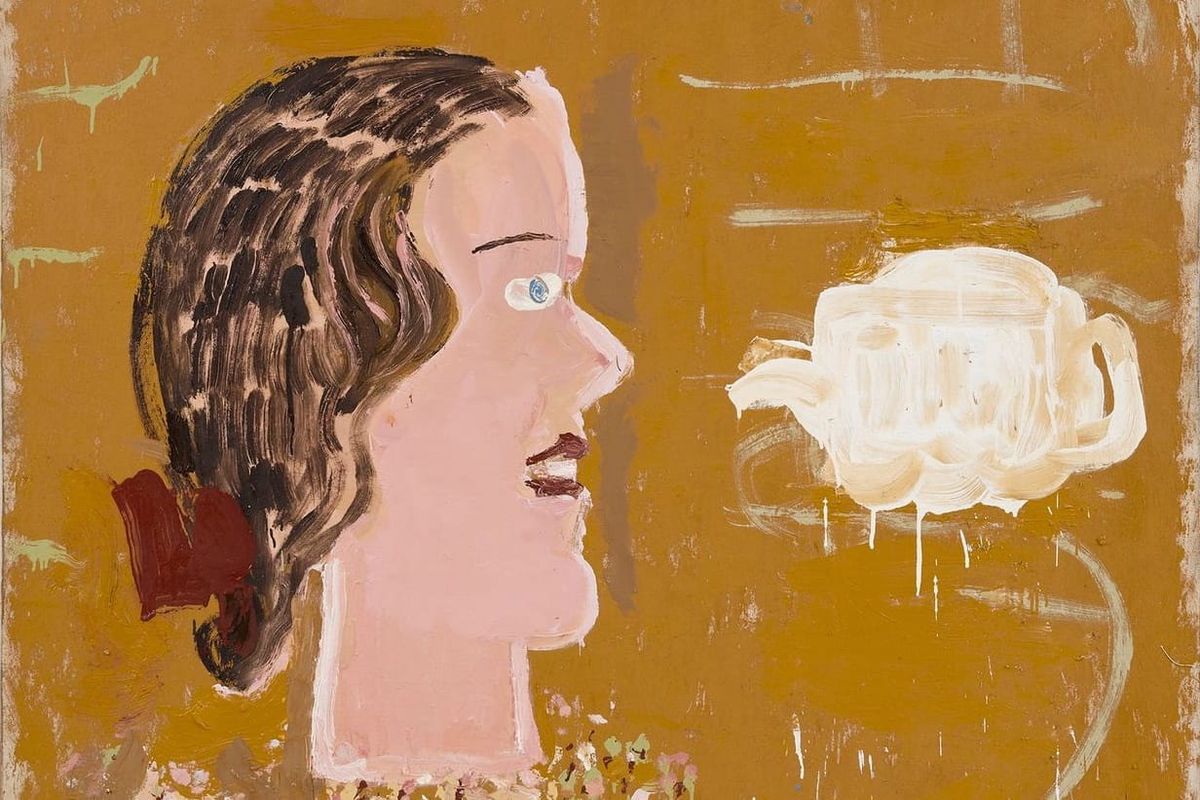
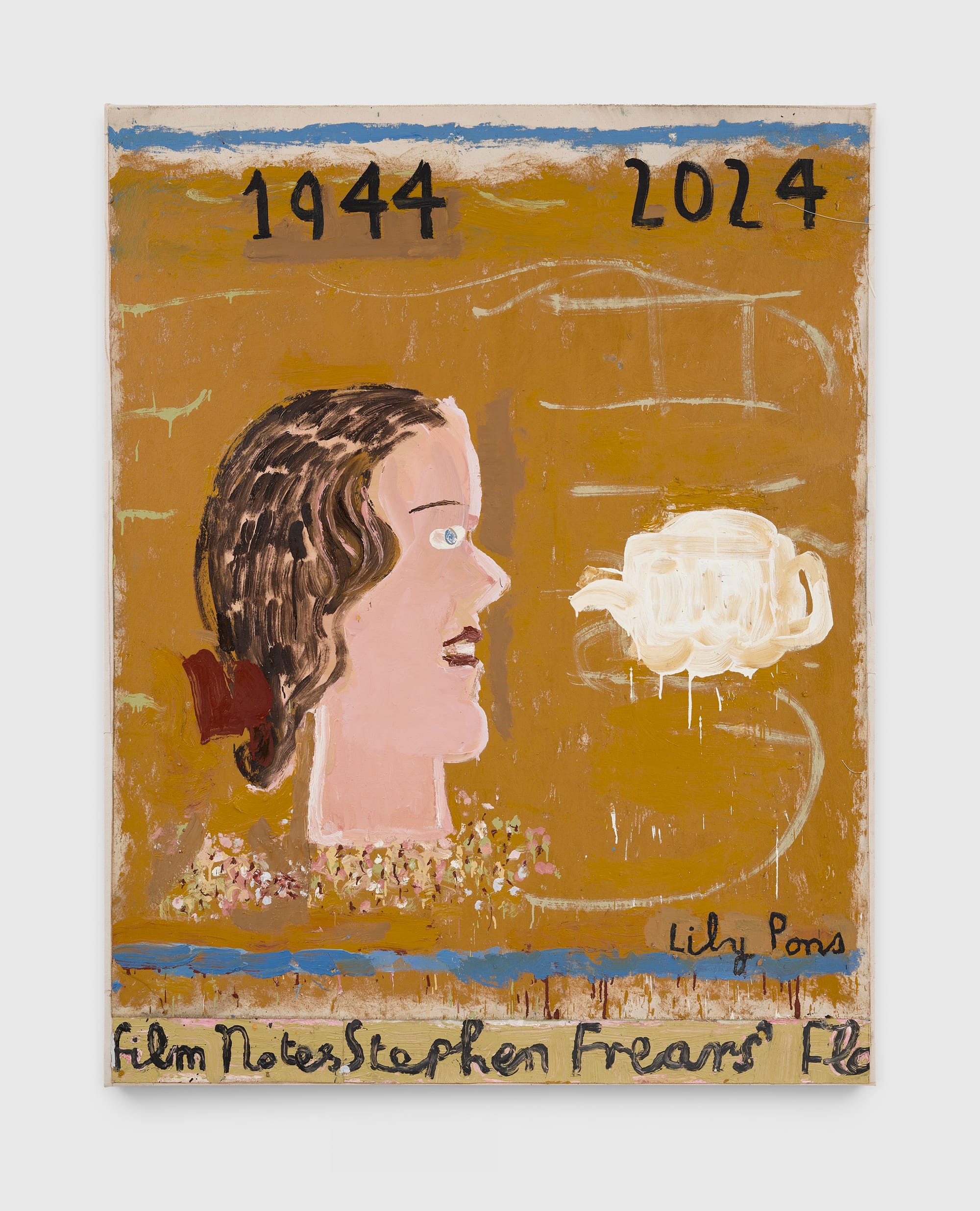
In sharp contrast to Abramović’s stark conceptualism stands the vibrant, unfettered painting Opera Singer and Teapot (2024) by British artist Rose Wylie. Known for creating large-scale, deceptively childlike canvases packed with pop-culture references, art history, and memories, Wylie achieved mainstream commercial and institutional success relatively late in life.
Her work in The Prime of Your Life exemplifies the uninhibited freedom of late style. Dispensing with traditional academic polish, Wylie’s brushwork is bold, immediate, and delightfully irreverent. Her paintings do not read as the cautious output of an aging artist seeking legacy; rather, they radiate a ferocious, youthful vitality, proving that raw inventiveness often accelerates when societal expectations and career anxieties finally fall away.
Official Responses and Curatorial Perspectives
The art world has increasingly turned its attention toward the phenomenon of the "rediscovered" senior woman artist. For decades, the dominant art market narrative favored youth, speed, and male genius, leaving generations of pioneering women to work in relative obscurity without institutional safety nets, major gallery representation, or adequate studio funding.
Curatorial teams and contemporary galleries are now actively reckoning with these historical oversights. However, exhibitions like The Prime of Your Life complicate celebratory narratives of "belated discovery."
Art historians and critics associated with the exhibition’s discourse point out a sobering irony: While celebrating older women artists is a necessary corrective to decades of systemic exclusion, it often masks the market’s opportunistic nature. Commercial galleries and museums frequently swoop in to market "late style" as a rare commodity only after these women have survived a lifetime of underrepresentation and financial precarity.
Thus, the "prime" referenced in the exhibition title carries a bittersweet double meaning. Is it the artistic peak of the creator, or is it the precise moment when patriarchal institutions and capitalist markets finally decide to monetize their endurance?
Broader Implications: Redefining Feminist Art History in the 21st Century
The implications of The Prime of Your Life extend far beyond the white cube of the Marc Straus Gallery, offering a crucial framework for how we write art history moving forward.
1. Dismantling Linear Career Narratives
Traditional art history loves a clean narrative arc: an artist emerges with a breakthrough style in their twenties or thirties, hits maturity in their forties, and produces dignified "masterpieces" in their twilight years. Exhibitions like this shatter that linear fantasy. They demonstrate that an artist’s trajectory can be jagged, interrupted by decades of caregiving, lack of resources, or systemic invisibility, only to explode with radical innovation later in life.
2. The Commercialization of Aging
As the art market hungers for fresh narratives and overlooked histories, older women artists have become a powerful focal point for commercial curation. The Prime of Your Life forces collectors, curators, and critics to look past the novelty of age and evaluate these works on their rigorous formal and conceptual merits. It asks the art world to support women not merely as tokenized historical corrections in their eighties, but throughout the entirety of their working lives.
3. Expanding the Boundaries of "Late Style"
By bringing together 18 distinct voices over 75, the exhibition broadens Edward Said and Linda Nochlin’s definitions of late style. Instead of viewing late-career art as a tragic harbinger of decline or an abrupt break with the past, The Prime of Your Life reframes it as a site of ultimate liberation—a space where artists throw off the shackles of market expectation and art-historical categorization to create entirely on their own terms.
Conclusion
The Prime of Your Life is more than an assemblage of works by senior women artists; it is a vital interrogation of value, visibility, and time in contemporary art. By placing figures like Marina Abramović and Rose Wylie in active dialogue with one another, Marc Straus Gallery has staged an exhibition that refuses easy sentimentality.
Ultimately, the show reminds us that artistic genius does not expire with youth. More importantly, it challenges the art world to ensure that future generations of women artists do not have to wait until the twilight of their lives to finally see their brilliance recognized, valued, and celebrated.
 Ali Ikhwan
 Basiran
 Muslim
