

By Rhea Nayyar
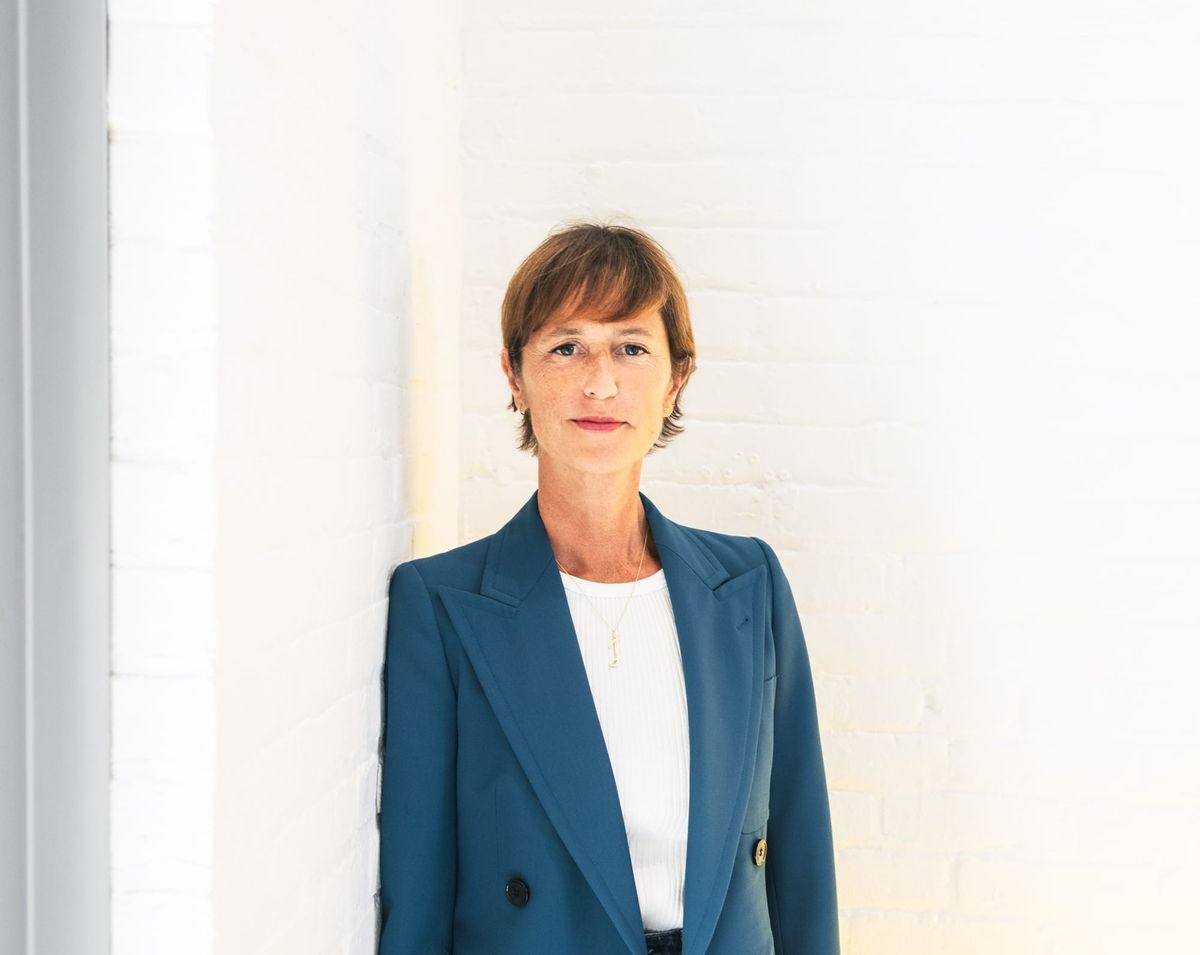
In a significant leadership transition for the global art world, the Tate board of trustees announced on July 22, 2026, that Jessica Morgan, the celebrated director of the Dia Art Foundation, has been appointed as the next director of the Tate. Morgan, a British curator with a deep history at the institution, is set to return to London to helm the museum network in 2027. Her appointment follows an extensive international search, marking a homecoming for a leader whose career has been defined by a commitment to institutional sustainability, ambitious artistic programming, and the diversification of museum collections.
The Return of a Tate Veteran
Morgan’s appointment is widely viewed as a "return to roots." Having served as the Tate Modern’s curator of international art from 2010 to 2014, and previously as a curator at the institution starting in 2002, she is intimately familiar with the complexities of the network. During her initial tenure, she was instrumental in shaping the institution’s international identity, organizing high-profile commissions for the iconic Turbine Hall—a space that serves as the museum’s architectural and symbolic heart.
Her departure from London to New York in 2014 to lead the Dia Art Foundation proved to be a transformative chapter. Over the last decade, she has steered Dia through a period of expansive growth, managing a complex network of sites, long-term installations, and land art projects across the United States and Germany. Her transition back to the U.K. brings a seasoned administrator who has successfully balanced the preservation of legacy art with the evolving demands of a contemporary audience.
A Chronology of Leadership and Institutional Evolution
The trajectory of Morgan’s career mirrors the shifting priorities of the 21st-century museum. Before her decade-long tenure at Dia, her curatorial foundation was laid at several prestigious American institutions.
- Early 2000s: Morgan begins her curatorial journey at the Tate, establishing a reputation for scholarly rigor and global outreach.
- Pre-2010: Her early career includes pivotal roles as chief curator at the Institute of Contemporary Art (ICA) in Boston and a curatorial position at the Museum of Contemporary Art, Chicago.
- 2010–2014: Morgan serves as curator of international art at Tate Modern, where she solidifies her reputation as a key voice in contemporary art.
- 2014–2026: As director of the Dia Art Foundation, Morgan oversees the modernization of the institution, including the successful renovation of Dia Chelsea and a significant expansion of the collection.
- 2027: Morgan is scheduled to assume the role of Director of the Tate, succeeding the outgoing Maria Balshaw.
Navigating Turbulence: The State of the Tate
Morgan takes the reins at a time of profound transition for the Tate. The outgoing director, Maria Balshaw, concluded a nine-year tenure defined by extreme external pressures. Balshaw’s leadership navigated the unprecedented challenges of the COVID-19 pandemic, which necessitated significant operational pivots. However, these years were also marked by institutional friction: the museum faced intense scrutiny following a settled lawsuit regarding a commissioned artist program, two rounds of major layoffs, and persistent staff strikes centered on grievances regarding pay, job security, and the rising cost of living.
Furthermore, attendance figures—the lifeblood of any public institution—have struggled to recover to pre-pandemic levels. Data from 2025 revealed a 27% decline in admissions across Tate Modern and Tate Britain compared to 2019, with a particularly concerning downturn in younger adult demographics. These statistics, which Balshaw attributed to a combination of Brexit-related travel friction and lingering pandemic-era habits, represent the primary challenge Morgan will inherit.
Strategic Optimism: The Path Forward
Despite the hurdles, Morgan arrives at a moment of cautious optimism. The first half of 2026 has shown a notable upswing in visibility and attendance. The Frida Kahlo exhibition opened this summer to record-breaking ticket presales, and the critical success of the Ana Mendieta and Tracey Emin exhibitions has reinvigorated the public’s engagement with the institution.
Additionally, Morgan’s arrival aligns with the much-anticipated reopening of Tate Liverpool. Having been shuttered for nearly four years for a comprehensive structural and pedagogical renovation, the site serves as a vital test case for the museum’s ability to re-engage regional audiences and leverage investment to drive foot traffic.
Institutional Success: The Dia Blueprint
To understand what Morgan might bring to the Tate, one must look at her performance at the Dia Art Foundation. Her tenure there was marked by aggressive fundraising and structural expansion. She increased Dia’s endowment by over $100 million, a feat achieved by nurturing a sophisticated network of donors and sponsors.
Her curatorial strategy at Dia mirrored the values she championed earlier in her career: a focus on acquisitions of work by women and artists of color. Under her leadership, the foundation expanded its collection to include over 50 additional artists, while mounting landmark solo exhibitions for figures such as Agnes Martin, Hélio Oiticica, Lee Ufan, Roni Horn, and Senga Nengudi.
Perhaps most crucially for the modern museum environment, Morgan has experience in labor relations. When Dia staff voted to unionize in 2022, Morgan’s administration engaged in a process that ultimately led to the ratification of a three-year contract in 2024. This agreement established higher wage floors, improved job security, and ensured transparency during layoffs—a track record that will be closely scrutinized by the Tate’s own workforce.
Official Responses and Future Outlook
The reaction from the board has been one of total confidence. Roland Rudd, the Tate’s board chairman, praised Morgan’s "visionary revitalization of the Dia Art Foundation," describing her as the "ideal person to lead the Tate into a new era."
Morgan herself remains focused on the continuity of her mission. "My time as a curator at Tate deeply informed my work in the last eleven years steering Dia Art Foundation, with artists and our public always at the centre of what we do," she stated in a recent press release.
As the art world looks toward 2027, the implications of Morgan’s appointment are clear: the Tate is looking for a leader who can bridge the gap between high-level scholarship and the pragmatic demands of institutional management. Her ability to synthesize the fundraising prowess required to sustain a large-scale network with a genuine, proven commitment to labor equity and diverse representation will be the definitive metric of her success.
The task ahead is immense—restoring the institution’s financial health, mending relationships with staff, and proving that the Tate can remain the definitive hub for contemporary art in a post-Brexit, post-pandemic landscape. Jessica Morgan has spent her career preparing for this specific challenge, and her return to London is, for many, the most significant appointment in the U.K. cultural sector in a decade.
 Basiran
 Muslim
 Evan Lee Salim
