

By [Your Name/Journalistic Desk]
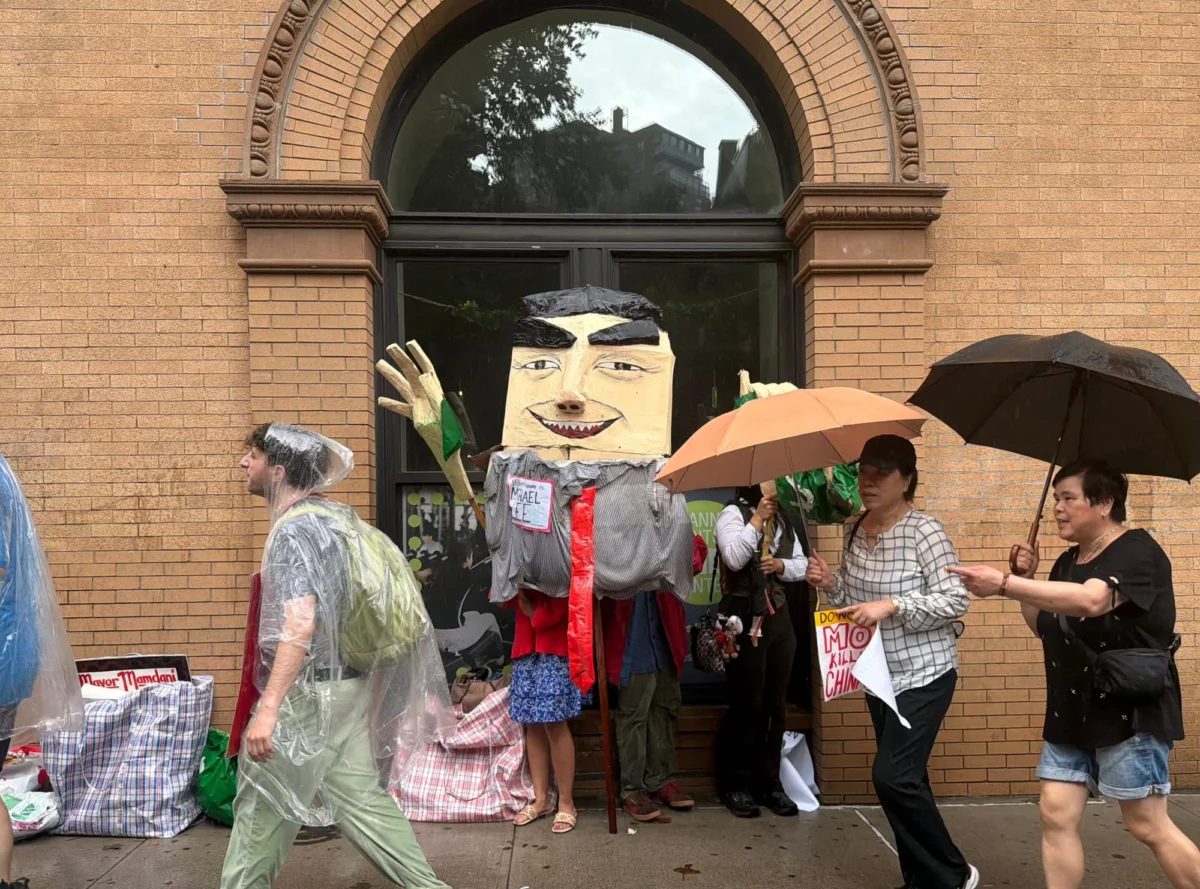
As a torrential summer storm swept across Lower Manhattan on Tuesday evening, July 21, the atmosphere inside and outside the Manny Cantor Center was no less turbulent. While the elements battered the streets of the Lower East Side, a different kind of storm was unfolding within: a high-stakes confrontation between the leadership of the Museum of Chinese in America (MOCA) and a coalition of community activists who argue that the institution has betrayed its mandate by becoming inextricably linked to the city’s controversial carceral expansion.
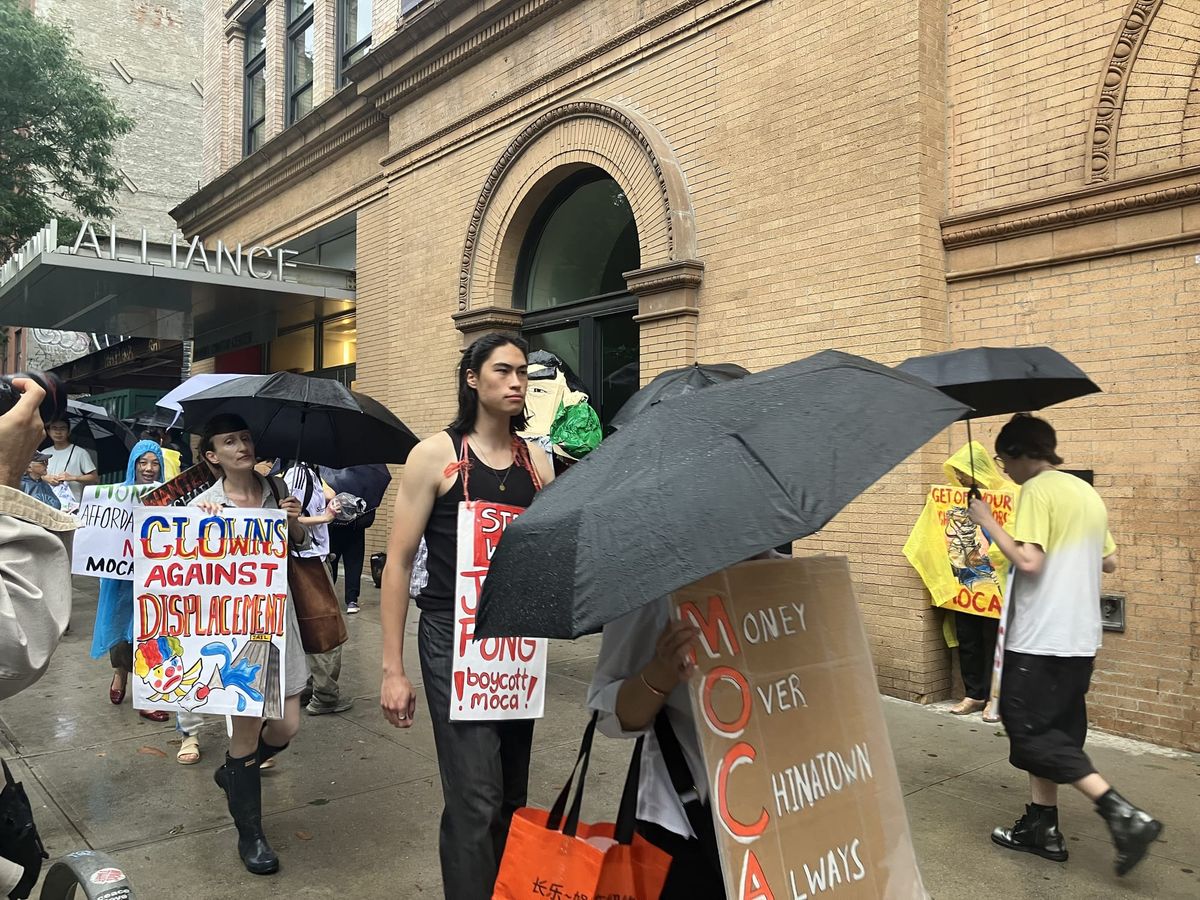
The protest, which featured signs declaring “Community united against MOCA’s Racism” and “No Jail,” served as a physical manifestation of a five-year-long rift that has polarized the neighborhood. At the center of the controversy is a $35 million capital grant accepted by the museum in 2019, a sum that protesters label as “blood money” linked to the construction of a new, massive jail facility in the heart of Chinatown.
The Roots of the Conflict: A Timeline of Contention
To understand the current impasse, one must look back to the structural crises faced by MOCA. Founded 46 years ago, the museum has long served as a vital repository for the Chinese-American diaspora, housing over 85,000 artifacts that detail the migration, struggle, and resilience of a community. However, its survival has come at a high cost.
- 2019: The city government announces a $35 million capital grant for MOCA. At the time, the museum was struggling with rent and the long-term viability of its Centre Street location. The grant was explicitly framed by the Department of Cultural Affairs as part of the city’s broader, ambitious—and highly criticized—effort to close the notorious Rikers Island facility by replacing it with a network of borough-based jails.
- 2020–2022: As the city’s plan for a “megajail” in Chinatown gained momentum, the museum’s acceptance of the 2019 grant began to attract scrutiny. Artists and cultural workers began to withdraw their work from MOCA exhibitions, citing moral objections to the institution’s perceived complicity in mass incarceration.
- 2023: Legal tensions rose as the Chinese-American Planning Council (CPC), an organization where MOCA President Michael Lee serves as a volunteer board member, became embroiled in a lawsuit regarding systemic wage theft of home-care workers.
- 2024: Michael Lee assumes the presidency of MOCA. His tenure begins with the immediate task of navigating the reputational damage and the ongoing protests that have dogged the institution for years.
- July 21, 2026: The town hall event takes place. Intended as a bridge-building exercise, the meeting serves to highlight the chasm between the museum’s institutional survival tactics and the community’s demand for radical accountability.
The Economics of Displacement and the "Jail Money" Label
For the demonstrators—including members of Youth Against Displacement (YAD), Planet Over Profit, and East Park River ACTION—the $35 million is not merely a subsidy; it is a symbol of the institutional erasure of Chinatown.
Zi Shun Ning, an organizer for YAD, stood in the rain outside the Manny Cantor Center, summarizing the sentiment of the protesters: “MOCA is still supporting the new jail through their actions, despite what they say. They took the money.”
The crux of the argument lies in the origin of the funds. While MOCA leadership has consistently characterized the grant as a necessary measure to purchase their building and secure a permanent home, critics point to a 2021 report from New York Magazine. That report included an admission from the Department of Cultural Affairs confirming that the grant was indeed tied to the city’s broader carceral agenda.
“Will MOCA ever admit that the $35 million is jail money?” asked protester Aaron Yin during the town hall. The question, met with silence from the dais, underscored the fundamental distrust between the museum’s board and the grassroots organizers.
Official Responses and the Rhetoric of Survival
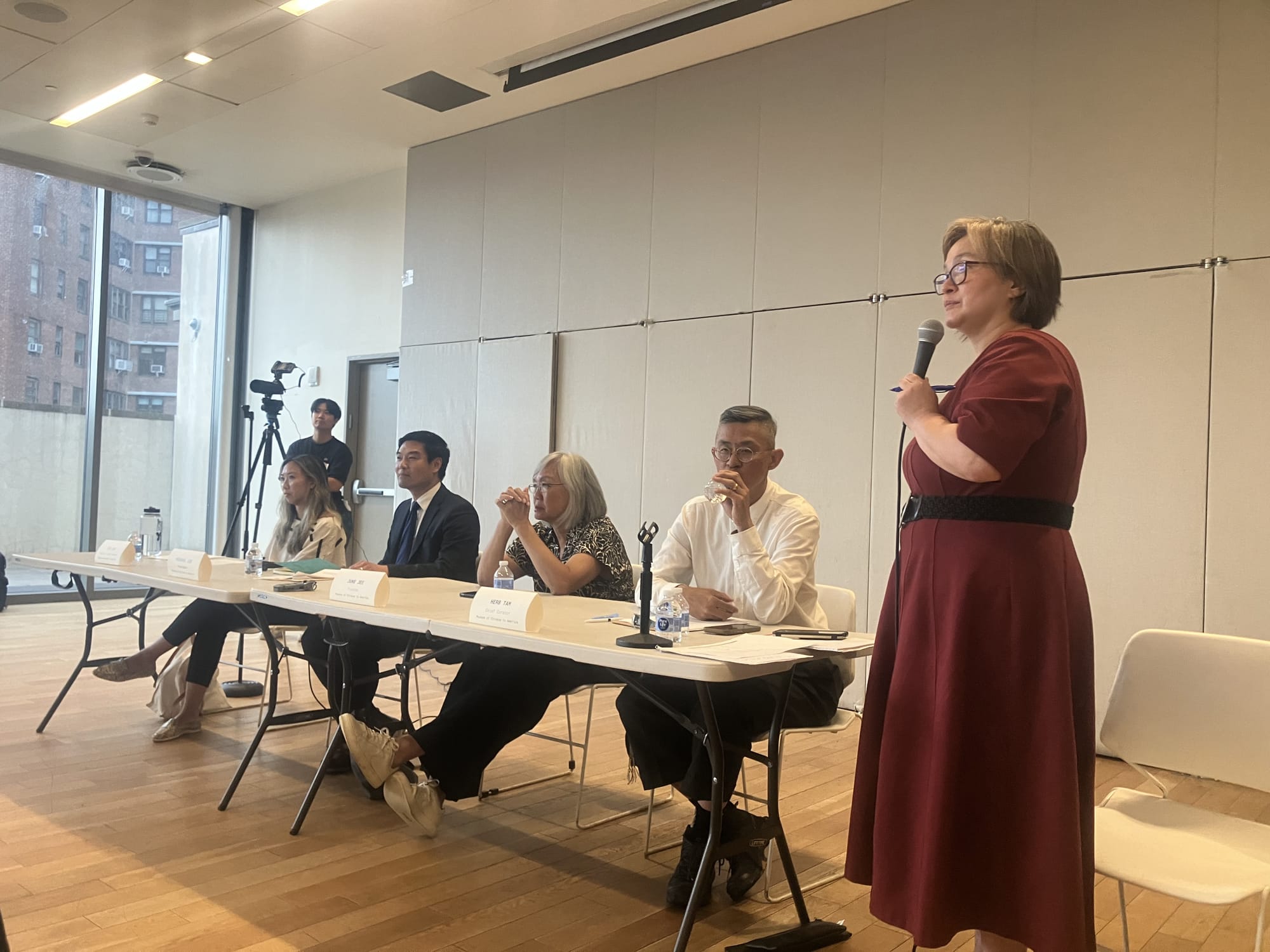
Inside the town hall, President Michael Lee attempted to walk a precarious tightrope. He maintained that the museum is fundamentally opposed to the construction of the new jail, but that the institution was facing an existential threat—the potential closure of its home since 2009—that left them with few alternatives.
“We chose this venue so that those who felt uncomfortable entering MOCA itself could attend,” Lee noted, emphasizing his attempt at outreach. When asked by Hyperallergic if he empathized with the protesters, Lee responded with a measured tone: “We respect everybody’s right to protest. They have every right to fight against the jail and to see MOCA as a symbol of the jail; if they feel that’s where they should direct their energy towards, then we completely respect that.”
Lee’s solution, however, was to urge the activists to redirect their focus toward city officials rather than the museum. “We applied for the grant solely to purchase the building and make sure it stays here in Chinatown,” he reiterated, distancing the museum from the policy decisions of the city.
The Collateral Damage: Gentrification and Labor Exploitation
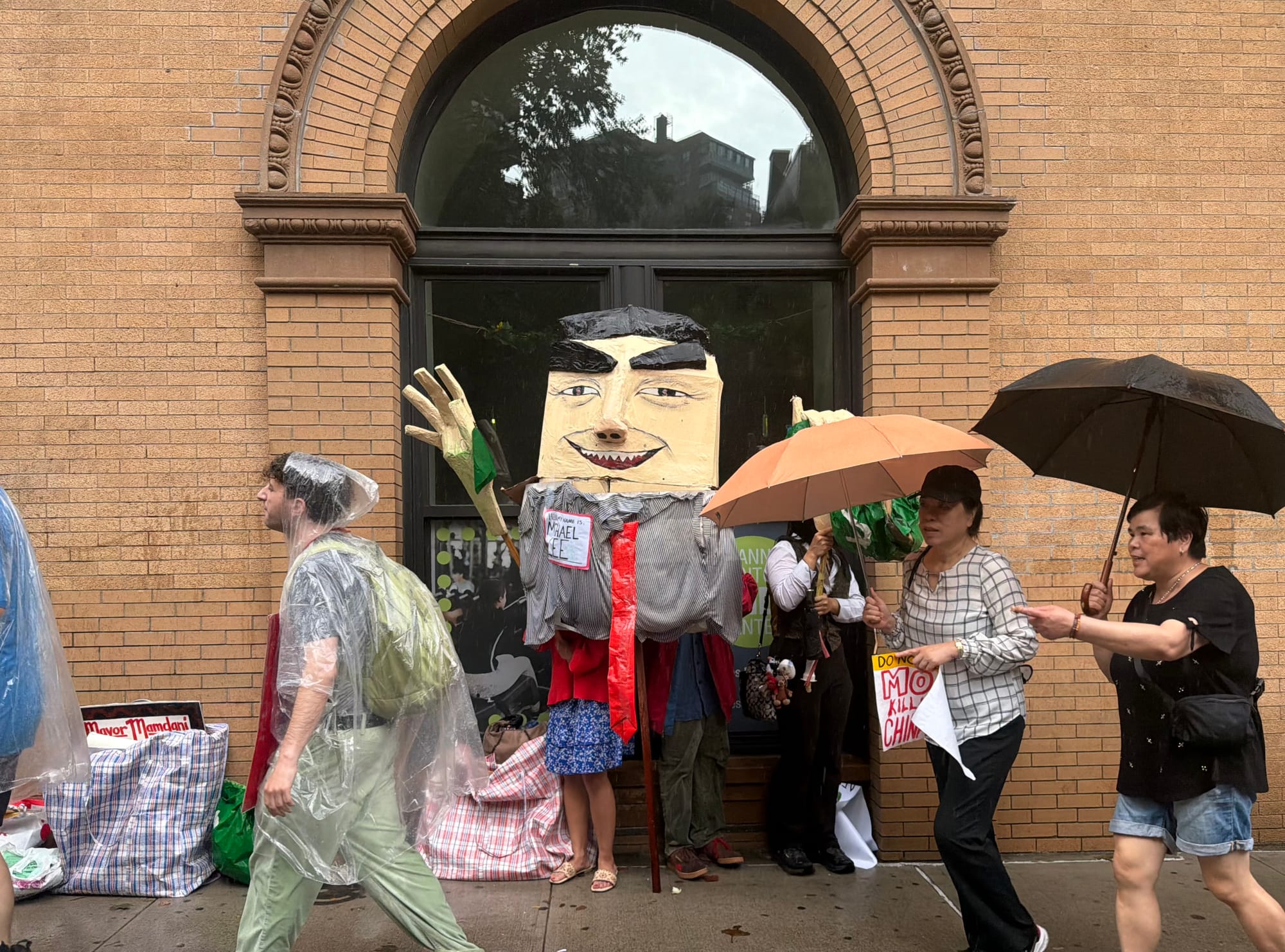
The protest was not limited to the jail issue. The demonstrators widened their scope to include broader critiques of the neighborhood’s socioeconomic decline. The effigy of Michael Lee carried through the streets was accompanied by slogans condemning the perceived gentrification that is slowly displacing longtime residents and businesses.
Particular ire was directed at former MOCA board member Jonathan Chu, a real estate mogul whose portfolio includes the building that once housed the historic Jing Fong banquet hall. The closure of Jing Fong, a cultural cornerstone for the local community, has become a rallying point for those who believe that the neighborhood’s cultural institutions are being sacrificed to a pro-development, anti-worker agenda.
Furthermore, the connection between MOCA and the Chinese-American Planning Council (CPC) has fueled claims of hypocrisy. By serving on the board of an organization currently being sued for the exploitation of home-care workers—specifically those subjected to 24-hour shifts—critics argue that Lee represents a nexus of power that favors capital over the vulnerable populations MOCA purports to preserve.
Implications: Can the Rift Be Healed?
The town hall, while providing a platform for dialogue, ultimately failed to provide a resolution. Supporters of the museum, such as civil rights attorney Rocky Chin, argued that MOCA remains an "anchor" that is essential for preserving the Chinese-American experience. “We need an anchor that preserves our family archives and addresses the urgent issues of our time, from the rise of anti-Asian violence to threats against birthright citizenship,” Chin stated.
However, for residents like Melinda Chiu, whose family has lived in Chinatown for generations, the stalemate is symptomatic of a larger disconnect. “I feel that instead of fighting each other, we could also work together,” Chiu suggested, while simultaneously reprimanding the museum for its five-year silence on the concerns of the community.
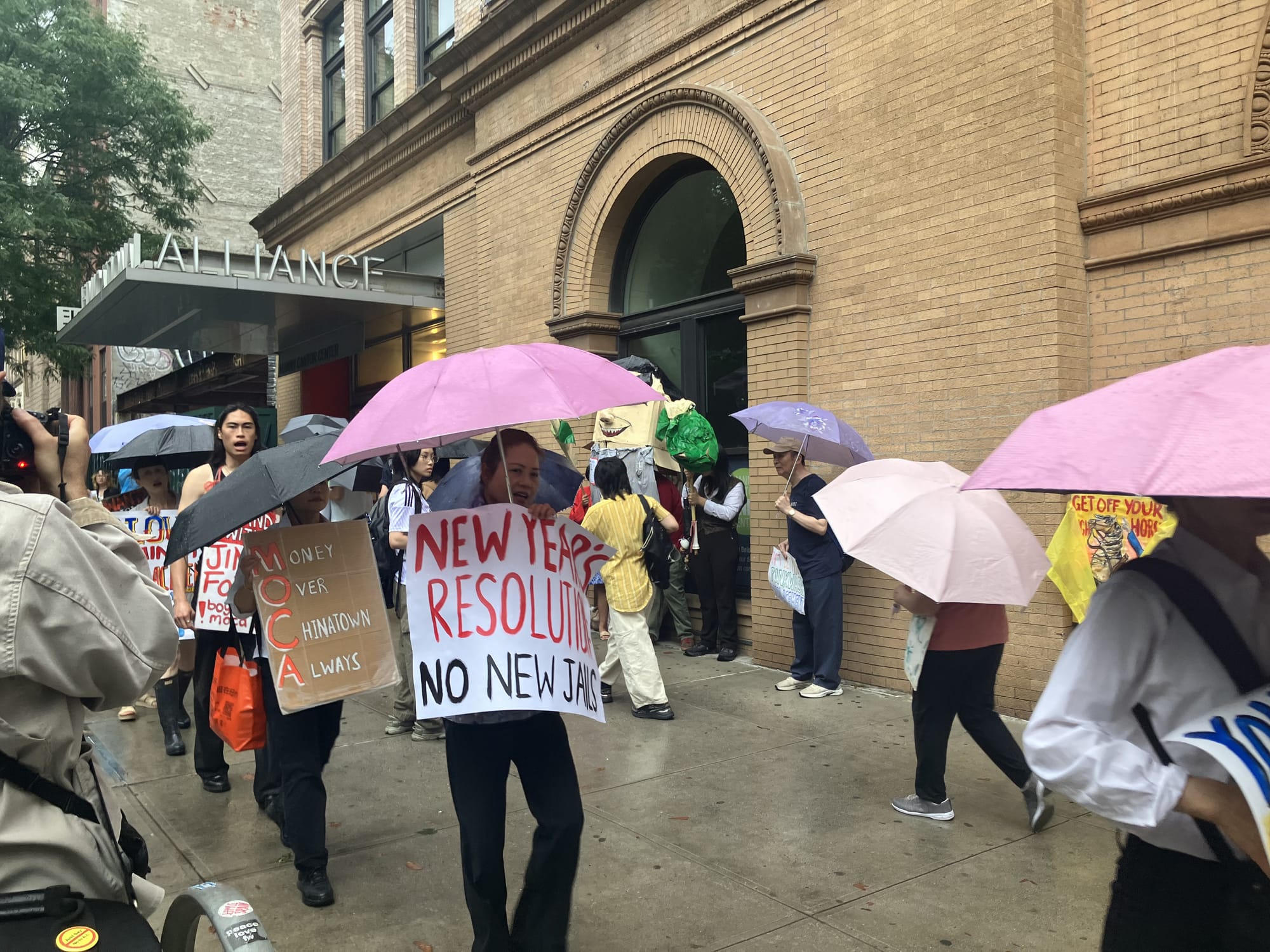
The challenge for MOCA is clear: it is attempting to preserve the past in a building paid for by a future that many in the community find abhorrent. As Pat Arnow of East River Park ACTION noted, the path forward likely requires more than just town halls. “If they came out against the jail in a forceful way, that might make a difference,” she remarked. “Because they’re the powers that be, and we are not.”
As the night ended and the rain subsided, the signs remained in the hands of the protesters, and the questions of complicity, institutional ethics, and the cost of survival remained unanswered. The Museum of Chinese in America stands at a crossroads: it must decide whether it will continue to be viewed as a pillar of the community or as an instrument of the very forces that threaten to dismantle it.
 Muslim
 Evan Lee Salim
 Jia Lissa
