

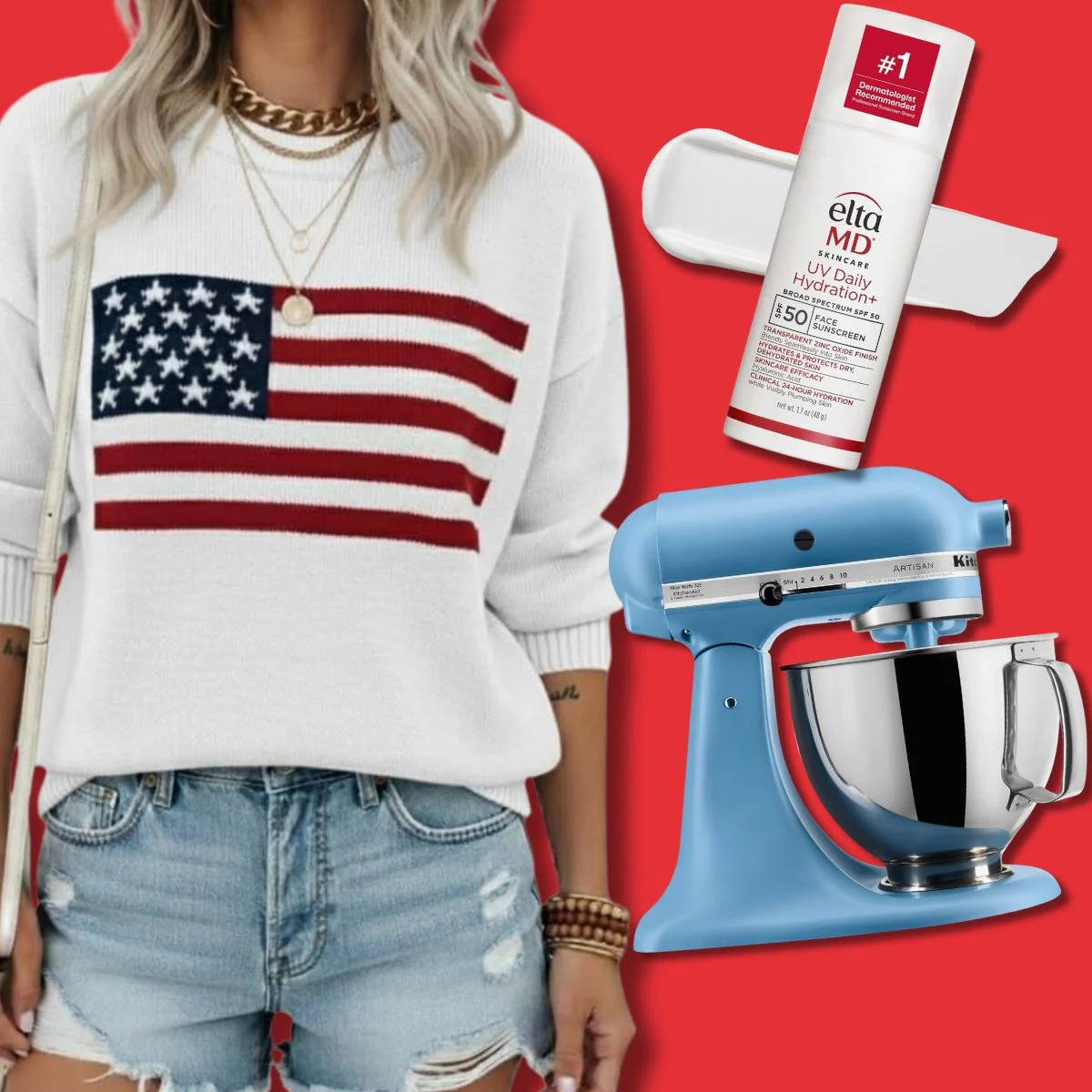
SEATTLE — The clock is ticking down on Amazon’s largest shopping event of the summer. Amazon Prime Day 2026, which officially commenced on June 23, is set to conclude tonight, June 26, at midnight. As the four-day retail event enters its final hours, millions of Prime members worldwide are rushing to secure deep discounts across tech, beauty, fashion, home, kitchen, and wellness categories.
What makes this year’s event particularly noteworthy is not just the sheer volume of transactions, but a significant structural change in Amazon’s seasonal retail calendar. By moving the event from its traditional mid-July slot to late June, the e-commerce giant has effectively rewritten the summer retail playbook, forcing competitors to pivot and igniting an intense battle for consumer dollars earlier in the season than ever before.
Chronology: The Evolution of Prime Day and the 2026 Calendar Shift
Since its inception in 2015 to celebrate Amazon’s 20th anniversary, Prime Day has historically been anchored in July. This timing was originally designed to stimulate sales during the notorious mid-summer retail lull. However, the 2026 event represents a calculated departure from tradition.
[Traditional Prime Day Window: Mid-July]
                  │
                  ▼ (Shifted in 2026)
[New Prime Day Window: June 23 – June 26, 2026]
                  │
                  ▼ (Strategic Reason)
[Avoids July 4th holiday travel & captures early summer spending]
By scheduling Prime Day from June 23 to June 26, Amazon successfully bypassed several logistical and consumer hurdles:
- July 4th Holiday Conflict Mitigation: Moving the sale to June prevents conflicts with the Independence Day holiday week, a period when many American consumers are traveling, offline, and less inclined to engage in high-volume online shopping.
- Early Summer Budget Capture: The June placement allows Amazon to capture consumer budgets early in the summer season, targeting shoppers preparing for vacations, outdoor activities, and the back-to-school transition.
- Fulfillment Optimization: Spreading major sales events further away from the late-summer and early-autumn preparation periods helps ease the burden on Amazon’s massive logistics and fulfillment network.
Throughout the four-day event, Amazon has utilized rolling "Lightning Deals" and category-specific spotlights to maintain high consumer engagement, culminating in today’s final hours, which historically see some of the highest traffic volumes of the entire event.
Supporting Data: Analysis of Top-Performing Categories and Viral Deals
To participate in the vast majority of these promotions, shoppers must hold an active Amazon Prime membership, which currently costs $14.99 per month or $139 annually. To lower the barrier to entry, Amazon continues to leverage its 30-day free trial for eligible new users, converting trial members into paying subscribers during one of its highest-volume periods.
Data from the 2026 event reveals distinct purchasing patterns, heavily driven by social media trends, celebrity endorsements, and "dupe" culture—where budget-conscious consumers seek affordable alternatives to high-end luxury items. Below is an analytical breakdown of the key products driving sales during this year’s event.
High-Performance Beauty and Skincare Technology
The beauty sector has seen unprecedented volume, fueled largely by "TikTok-viral" products and dermatologist-recommended brands.
- Advanced Hair Styling Tools: The Dyson Airwrap i.d. Multi-Styler has emerged as a top-tier seller. Now engineered with specialized attachments for distinct hair categories—one optimized for straight/wavy hair and another for curly/coily patterns—it has captured a diverse demographic. Simultaneously, the Dyson Supersonic Nural Hair Dryer in its special edition colorway has seen significant markdowns of over $100, appealing to premium beauty buyers.
- At-Home Dermatological Devices: Led by the Solawave Wrinkle Retreat Pro LED Face Mask—which utilizes 320 LED lights and four distinct light therapies—and the flexible silicone Wavytalk Red Light Therapy Mask, consumers are increasingly investing in clinical-grade skincare technology at home.
- Viral Formulations and Essences: Cult-favorite brands continue to dominate the mid-tier beauty space. The COSRX Snail Mucin 96% Repairing Serum, Paula’s Choice Skin Perfecting 2% BHA Liquid Exfoliant, and Medicube Toner Pads Zero Pore Pad 2.0 remain staple repeat-purchases, while the Youth To The People Superfood Facial Cleanser has capitalized on sustainability trends with its eco-friendly refillable glass bottles and pouches. Newer entries like the ANUA PDRN Collagen Glow Facial Serum Spray and the e.l.f. Sheer For It Blush Tint have also seen high conversion rates due to aggressive pricing.
The Rise of "Dupe" Culture and Celebrity-Driven Fashion
Fashion retail during Prime Day 2026 highlights a shift toward high-utility wardrobe basics and affordable alternatives to luxury labels.
- The Luxury Alternative Trend: A prime example of "dupe" purchasing this year is the Grewear American Flag Sweater. Visually reminiscent of the iconic, high-end Ralph Lauren American flag sweater (which retails for $398), the Grewear alternative has sold out in multiple sizes by offering a nearly identical aesthetic at a fraction of the price.
- Athletic and Street Footwear: Footwear sales have been bolstered by sports culture. The Adidas Samba Messi, featuring a distinctive pink hue celebrating Lionel Messi’s historic move to Inter Miami CF and the club’s signature home kit colors, has experienced a massive surge in demand ahead of the upcoming World Cup season. Additionally, the adidas Women’s Streettalk Shoe and the lightweight, sustainable Rothy’s The Square Mary Jane flats have dominated the everyday footwear category.
- Summer Casuals: Affordable fashion brands such as PRETTYGARDEN (with its flowy, smocked-back maxi dress), The Drop (featuring the Balu Feminine Shaped Waist Midi Dress), and AUWUKA (offering ’90s-inspired, high-waist raw-hem jean shorts) have successfully targeted consumers updating their seasonal wardrobes.
Elevated Home, Kitchen, and Wellness Essentials
Consumers are also utilizing the final hours of Prime Day to upgrade their living spaces and wellness routines, often guided by celebrity recommendations.

┌────────────────────────────────────────────────────────────────────────┐
│                   CELEBRITY-ENDORSED PRIME DAY FAVORITES               │
├──────────────────────┬────────────────────────┬────────────────────────┤
│ Celebrity            │ Product                │ Consumer Appeal        │
├──────────────────────┼────────────────────────┼────────────────────────┤
│ Jennifer Aniston     │ Vital Proteins Chocolate│ Daily wellness shake   │
│                      │ Collagen Peptides      │ staple                 │
├──────────────────────┼────────────────────────┼────────────────────────┤
│ Lala Kent            │ Easthome Mattress      │ High-comfort bedroom   │
│                      │ Topper                 │ upgrade                │
├──────────────────────┼────────────────────────┼────────────────────────┤
│ Nancy Silverton      │ Orblue Microplane      │ Professional-grade     │
│                      │                        │ kitchen tool           │
└──────────────────────┴────────────────────────┴────────────────────────┘- Premium Cookware: Kitchen upgrades remain a major draw. The KitchenAid Artisan Series 5 Quart Tilt Head Stand Mixer and the highly durable Lodge Essential Enamel Cast Iron Dutch Oven (6 Quarts) have seen substantial double-digit discounts, making these traditionally expensive bridal registry staples highly accessible.
- Value-Driven Kitchen Tools: For budget-conscious home cooks, the highly-rated Astercook 13-Piece Knife Set—offering rust-resistant blades with individual covers for approximately $20—has seen rapid sell-outs, demonstrating that entry-level utility products perform exceptionally well alongside premium brands.
Official Responses and Competitive Dynamics
The shift in Amazon’s promotional calendar did not occur in a vacuum. Major retail competitors have responded with aggressive counter-programming, creating a highly competitive landscape that industry analysts are calling "The Summer Black Friday."
Competitor Counter-Strategies
To prevent Amazon from monopolizing early summer retail spending, rival brick-and-mortar and e-commerce giants launched synchronized promotional events:
- Walmart: The nation’s largest retailer introduced its own expansive savings event, leveraging its Walmart+ membership program to offer competing discounts on electronics, home goods, and apparel.
- Target: Host to Target Circle Week, the retailer focused heavily on exclusive deals for loyalty members, prioritizing summer apparel, groceries, and home essentials.
- Best Buy: Focusing on its core strength, Best Buy launched high-profile electronics and appliance sales specifically timed to intercept consumers looking for tech deals on Prime Day.
Industry Commentary
Retail analysts point out that this competitive environment benefits the consumer but places immense pressure on retail margins.
"By moving Prime Day to June, Amazon has successfully pulled the holiday shopping season forward," says Sarah Mahoney, a senior retail analyst. "However, it forces a reactionary posture from Walmart and Target. Retailers are now locked in a continuous cycle of discounting, which means they must optimize their supply chains to survive on thinner margins during these peak promotional windows."
Implications: How the June Shift Redefines the Retail Landscape
The long-term implications of Amazon’s early Prime Day extend far beyond a single week of high sales volume. This strategic shift points to several broader trends in global commerce:
1. The Erasure of Retail Seasonality
Historically, the retail year was defined by clear, predictable peaks: Back-to-School in August, Black Friday in November, and post-Christmas clearance in January. By establishing a massive, multi-billion-dollar shopping event in late June, Amazon has effectively flattened the traditional retail curve, creating a highly lucrative "mid-year peak" that disrupts standard inventory cycles.
2. The Dominance of Subscription-Based Loyalty
The requirement of a Prime membership to access these deals underscores the critical importance of recurring subscription revenue. For Amazon, Prime Day is not merely about clearing inventory; it is a highly sophisticated customer acquisition tool. The long-term value of a customer locked into the Prime ecosystem—utilizing Prime Video, fast shipping, and grocery delivery—far outweighs the short-term margins lost on discounted items.
3. Supply Chain and Logistics Stress-Testing
Operating a peak-level shipping event in June serves as an invaluable real-world stress test for Amazon’s fulfillment networks ahead of the intense holiday season. The logistics data gathered during these four days allows the company to refine its predictive algorithms, inventory placement, and last-mile delivery protocols, ensuring maximum efficiency when the fourth-quarter rush begins.
As the final hours of Prime Day 2026 draw to a close, the immediate focus remains on the consumer rush to secure final deals before the midnight deadline. However, for the retail industry at large, the legacy of this year’s event will be studied as the moment the summer shopping season was permanently advanced.
 Iffa Jayyana
 Pevita Pearce
 Asep Darmawan
