

TOKYO — For over four decades, the Mobile Suit Gundam franchise has stood as a monumental pillar of Japanese pop culture, spawning dozens of anime series, feature films, and a sprawling empire of video games. Yet, for newcomers, diving into the legendary universe has often felt like an insurmountable hurdle. With decades of intricate geopolitical lore, parallel timelines, and overlapping factions, finding an entry point can be daunting.
Enter Gundam Rogue Orbit, Bandai Namco’s ambitious upcoming action game developed by Bandai Namco Studios and Sunrise. Designed from the ground up to break down traditional barriers to entry, the title introduces an entirely standalone setting that frees players from the burden of remembering fifty years of Universal Century or Alternate Universe canon.
Following a hands-on preview build at the Tokyo Game Show, critics and attendees alike are finding that Gundam Rogue Orbit offers a refreshing middle ground in the mecha genre: combining the high-mobility industrial weight of Armored Core with the flashy, accessible, and deeply satisfying combo-driven combat of Devil May Cry. Slated for release on March 5, 2027, for PlayStation 5, Windows PC, and Xbox Series X, the game aims to redefine what a mainstream mecha action title can achieve.
Main Facts: What is Gundam Rogue Orbit?
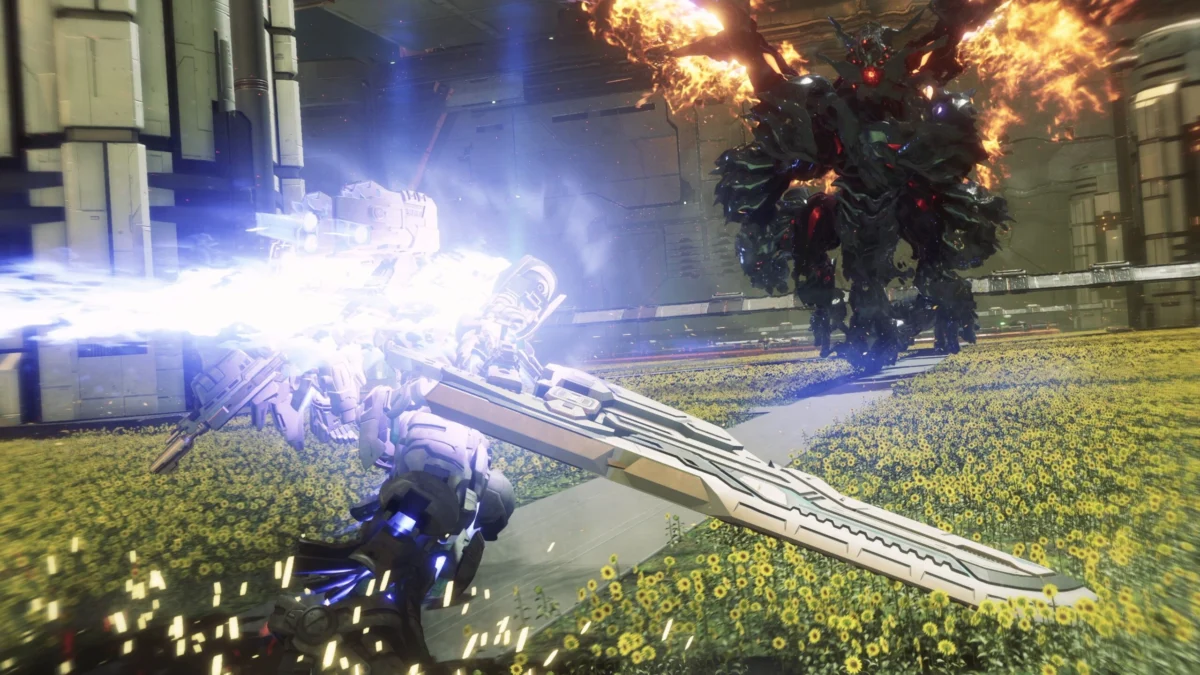
At its core, Gundam Rogue Orbit is a high-speed, melee-focused action game that trades the punishing difficulty of soulslike experiences for accessible, adrenaline-fueled spectacle. Rather than fighting opposing factions of humans or rival mobile suit pilots, players step into the cockpit of the cutting-edge Gundam Helix to combat a terrifying, invasive alien menace known only as the Apocalypse.

Players control the pilot RE-X, who is accompanied by his loyal Haro companion, Vii. Together, they form the vanguard against the extraterrestrial threat. The game emphasizes fast-paced, fluid movement, allowing pilots to seamlessly weave between aerial and ground combat while unleashing devastating attacks.
While players can experience temporary weapon and mobility overheating if they boost or fire incessantly, the combat loop is forgiving enough to encourage aggressive playstyles without locking players out of the fun through overly rigid punishment mechanics.
Chronology: From Concept to Tokyo Game Show Hands-On
The journey toward Gundam Rogue Orbit has been a carefully orchestrated rollout by Bandai Namco:
- Initial Reveal (Early 2026): Bandai Namco first turned heads with a cinematic teaser trailer that immediately sparked community conversations. Veteran gamers and mecha enthusiasts drew swift comparisons to modern tactical action benchmarks like FromSoftware’s Armored Core VI: Fires of Rubicon, Capcom’s Devil May Cry, and Capcom’s cooperative juggernaut Monster Hunter.
- Summer Game Fest Preview (June 2026): Bandai Namco provided a deeper look at the game’s premise, confirming that Rogue Orbit would serve as a standalone narrative entry point designed specifically to court players unfamiliar with traditional Gundam lore.
- Tokyo Game Show Playable Build (September 2026): Media and convention attendees got their first public hands-on experience with the title. The TGS build showcased three distinct mobile suit assemblies, tactical skills, and the game’s signature "Over-Rise" mechanic, cementing early positive impressions regarding its accessibility and control responsiveness.
- Upcoming Launch (March 5, 2027): With development in its home stretch, the game is scheduled to launch simultaneously on PlayStation 5, Xbox Series X/S, and PC, positioning it as one of Bandai Namco’s major spring blockbusters.
Supporting Data: Customization, Assemblies, and Combat Systems
While the Tokyo Game Show demo restricted players to pre-configured loadouts, Bandai Namco has promised deep structural and visual customizability when the full game releases. Even within the limited scope of the demo, the three available assemblies demonstrated remarkable mechanical variety:

1. Assault Sword
- Primary Focus: Aggressive close-quarters brawling.
- Key Feature: Equipped with a lock-on Anchor skill that physically tethers the Gundam Helix to enemies, allowing RE-X to rapidly close distances and stick to fast-moving targets like glue.
2. Whip Sword
- Primary Focus: Crowd control and dynamic range management.
- Key Feature: Combines traditional short-range sword strikes with an extendable "whip sword," enabling players to lash out at mid-range groups of Apocalypse creatures and pull themselves out of harm’s way.
3. Sword Lance
- Primary Focus: Piercing damage and spatial dominance.
- Key Feature: Utilizes heavy thrust attacks designed to puncture armored targets at mid-range, keeping aggressive alien hordes at bay through sheer kinetic force.
Combat Layering: Tactical Skills and Over-Rise
Beyond basic weapon handling, Gundam Rogue Orbit relies on a tiered system of offensive and defensive abilities:
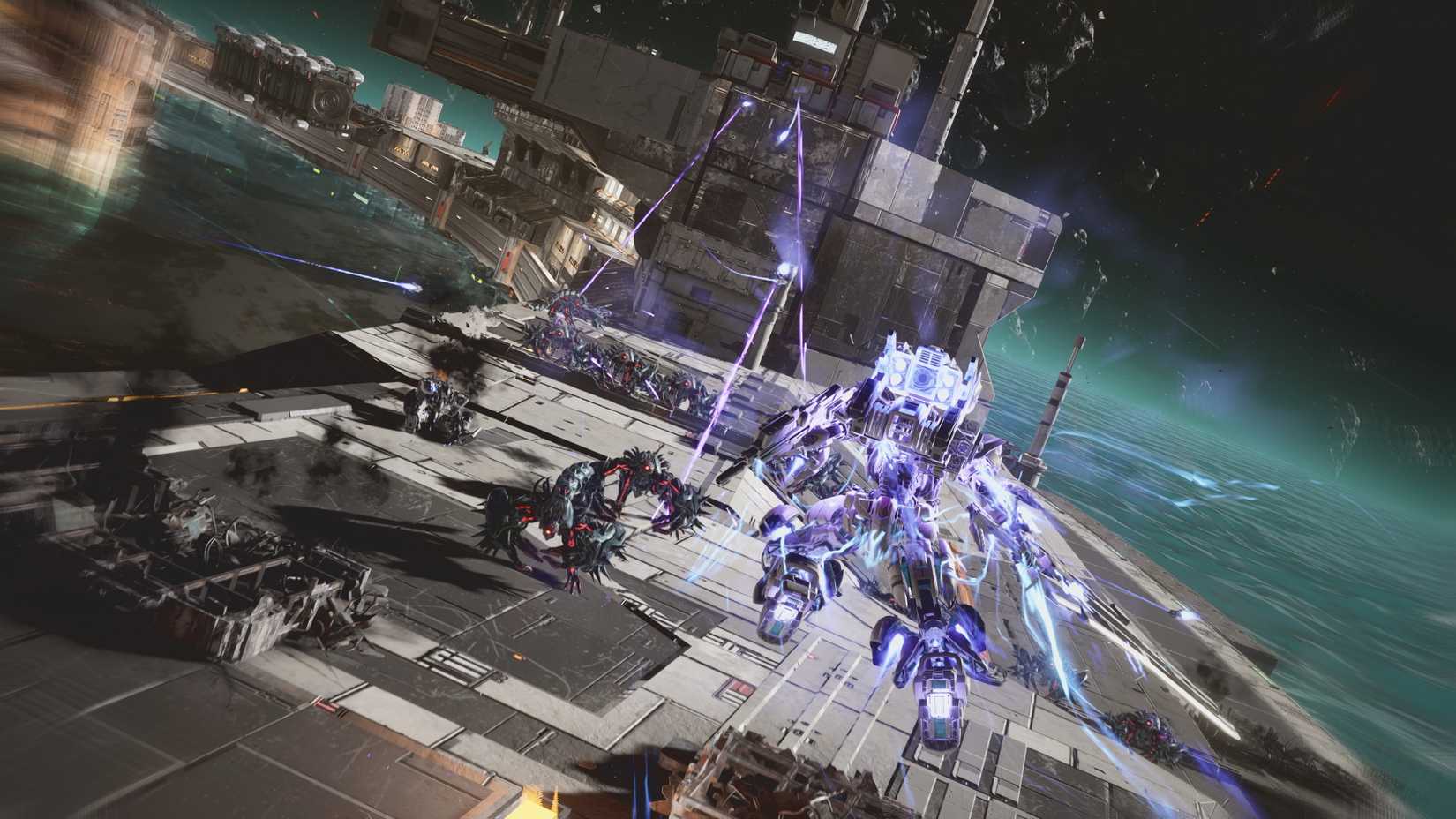
- Tactical Skills & Moves: Pilots have access to high-impact abilities that fill the screen with energy beams, explosions, and sweeping melee strikes. A high-speed Tactical Move grants instant evasive dashes, letting players flank opponents effortlessly.
- AP Units (AP-U): Limited-use utility devices—of which players can equip two at any time—grant specialized capabilities such as deployable energy shields.
- Over-Rise System: Reminiscent of classic character-action awakening mechanics, filling the Over-Rise gauge allows players to temporarily supercharge their basic attacks while gaining automated evasion frames.
- AP Unit Burst: By manually burning remaining Over-Rise energy, players can trigger an ultimate attack. This cinematic move unleashes a devastating deluge of concentrated energy blasts capable of obliterating single targets or clearing the screen of lesser foes in seconds.
Official Responses and Developer Vision
Speaking on the conceptual design behind Gundam Rogue Orbit, representatives from Bandai Namco Studios emphasized a desire to expand the global footprint of the Gundam intellectual property. For decades, the franchise has relied heavily on its rich, serialized anime history—a double-edged sword that builds passionate fandoms while intimidating casual players.
"We wanted to build a universe where anyone can pick up the controller, look at a magnificent mobile suit, and immediately feel like an unstoppable ace pilot," a studio spokesperson noted during promotional events. By removing canon barriers and leaning heavily into stylized, responsive action mechanics, Bandai Namco is actively courting fans of pure character-action games who may have previously bypassed the franchise due to its tactical, simulator-heavy, or deeply narrative-driven roots.
Implications: What Rogue Orbit Means for the Mecha Genre
The release of Gundam Rogue Orbit on March 5, 2027, could mark a significant shift in how licensed mecha properties are developed and marketed.
For years, the mecha genre has occupied a bifurcated space: on one side are slow-paced tactical sims or niche arena fighters aimed squarely at die-hard anime purists; on the other are rare breakout hits like Armored Core VI, which proved that dark, deliberate mechanical customization still commands mainstream attention.
By injecting the frantic, stylish energy of a character-action game—reminiscent of Devil May Cry or Bayonetta—into a massive sci-fi universe, Gundam Rogue Orbit bridges a critical gap. If Bandai Namco delivers on its promises of robust mobile suit customization and tightly tuned gameplay loops, the title could easily attract a new generation of players who care less about Newtype philosophies and UC timelines, and more about unleashing world-ending energy bursts on alien hordes in style.
As the industry counts down to March 2027, all eyes will be on Bandai Namco Studios to see how well these disparate gameplay philosophies hold up in the final, complete package.
 Basiran
 Suro Senen
