

In an era dominated by high-definition highlight reels and the relentless pressure of social media-fueled perfectionism, the pursuit of one’s “best self” has become a paradoxical source of anxiety. We are constantly inundated with images of peak performance,, leaving many to feel that if they cannot achieve immediate, transformative success, they have somehow failed.
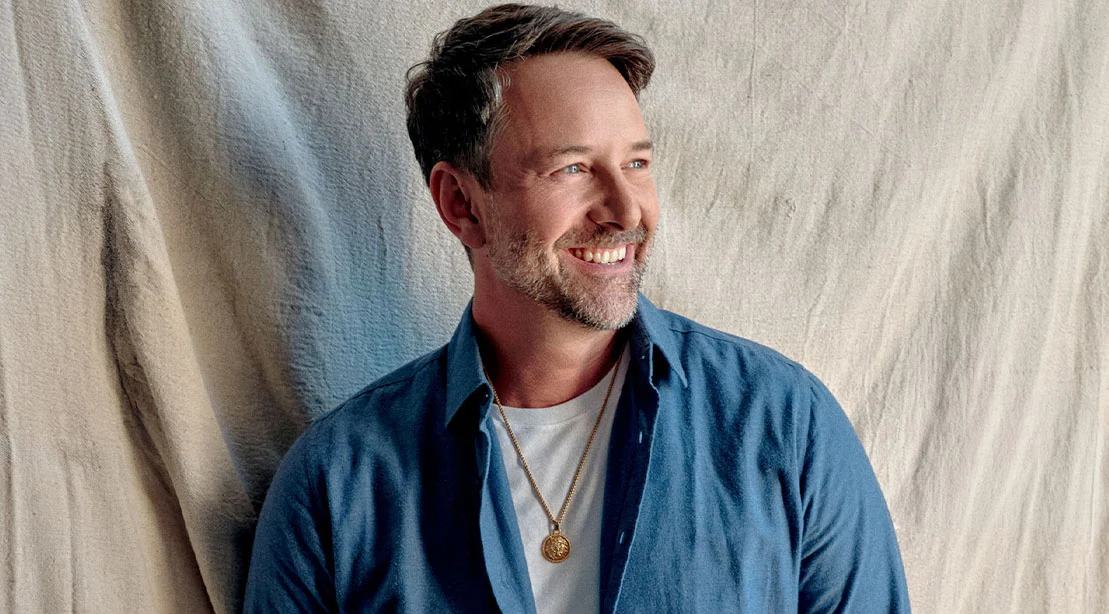
Joseph Ariël Towne—an actor, author, and high-performance coach—is challenging this narrative. Having worked with a diverse clientele ranging from award-winning creatives to Fortune 500 executives and elite professional athletes, Towne has spent years deconstructing the mechanics of human potential. In his new book, The Better Mindset: The Art & Science of Getting Better at What Matters Most, he argues that the quest for the “best” is not only elusive but fundamentally flawed. Instead, he proposes a shift in focus: from the static, unattainable destination of "best" to the dynamic, sustainable journey of "better."
The Core Thesis: Redefining Human Potential
The fundamental premise of Towne’s work is that the term “best” acts as a mental roadblock. It is an outcome—a fleeting, terminal point that, once reached, leaves nowhere to go but down. By contrast, “better” is a direction. It is an active, ongoing process that invites continuous growth without the crushing weight of perfection.
“The idea of being my best self or living my best life is a vague, catchy phrase that people throw around without giving a lot of thought to its meaning, or why it ultimately matters,” Towne explains. For the actor, known for his roles in Isn’t It Romantic and Decade of the Dead, the book is an attempt to strip away the industry-standard jargon of self-help and replace it with practical, psychological infrastructure.
Towne’s philosophy is deeply rooted in the concept of Kaizen, the Japanese principle of continuous improvement. While the Western world often prioritizes massive, disruptive innovation, Kaizen emphasizes the compounding power of thousands of microscopic, incremental wins.
Chronology of a Shift: From Actor to Performance Architect
Joseph Ariël Towne’s path to becoming a thought leader in the wellness space was not a linear trajectory. His career began in the highly competitive world of professional acting, an industry that demands both immense emotional vulnerability and extreme physical discipline. Throughout his time on set and behind the camera, Towne became fascinated by the intersection of mindset and physical performance.
He noticed that the same high-stakes pressures that caused many performers to burn out were the same forces impacting top-tier corporate executives and athletes. He began coaching, not by implementing rigid, overnight transformations, but by observing the habits of those who maintained success over decades rather than months.
Over the last several years, Towne has refined his coaching methodology through trial and error, working with high-profile individuals—many of whom remain anonymous—to foster environments that prioritize long-term sustainability over short-term spectacle. This synthesis of his artistic background and his coaching experience culminated in The Better Mindset, which serves as a distillation of the lessons he has taught to his private clients.
Supporting Data: The Science of Small Wins
The efficacy of Towne’s approach is supported by a growing body of behavioral science. The "aggregation of marginal gains"—the idea that improving every component of a process by just 1% can lead to massive aggregate growth—has been popularized in elite sports, most notably by British Cycling under Sir Dave Brailsford.
Towne reinforces this by advocating for the use of tracking and journaling. As noted in research published in the National Center for Biotechnology Information (NCBI), the act of documenting one’s daily behaviors—whether through food logs, exercise journals, or mood trackers—serves as a critical feedback loop. This externalization of data allows individuals to move from subjective feelings of failure to objective observation of progress.
“I think we all overestimate what we can accomplish in one day, and we underestimate what we can accomplish in forty,” Towne notes. This insight touches on the "compounding effect." When a habit is repeated daily, its impact is negligible at first, but over forty days, the neurological and physiological changes become undeniable.
Official Responses and Industry Endorsements
The principles outlined in The Better Mindset have garnered significant support from figures across multiple disciplines. Yogi Roth, a renowned former college football coach and current NBC Sports analyst, provided the book’s foreword, noting the necessity of Towne’s approach in an industry often obsessed with superficial results.
Actor Matthew Lillard, a longtime collaborator and advocate for Towne’s work, has also publicly endorsed the book, citing Towne’s ability to demystify complex psychological concepts. These endorsements speak to the book’s broad appeal: it is not intended merely for the athlete in the gym, but for anyone looking to navigate the complexities of modern life with a clearer, more resilient mind.
Implications for the Modern Professional
The implications of Towne’s philosophy extend into how we structure our work and our personal lives. He argues that we often fail because we attempt to change too much, too quickly. The result is a cycle of intense effort followed by rapid burnout, which only serves to reinforce the belief that change is impossible.
1. The Power of the Long Game
Towne advises readers to reject the "snapshot" culture of social media. He suggests that those who focus on the "compounding interest" of their habits inevitably outperform those who seek a singular, dramatic breakthrough. By choosing to get better slowly, the individual reduces the friction of change, making it more likely that the new behavior will stick.
2. Environmental Architecture
A key component of Towne’s coaching is the idea that our environment is "marketing" to us. If our home or office is cluttered, or if our social circles do not support our goals, we are constantly fighting an uphill battle. He urges his readers to remove the physical and digital triggers that keep them tethered to old, unproductive stories about who they are and what they are capable of.
3. Embracing the Discomfort
Perhaps the most challenging aspect of Towne’s advice is the mandate to embrace the discomfort of growth. He frames the "outside of the comfort zone" experience not as something to be feared, but as the primary indicator of progress. "Doing new things, to me, is brave," he says. By reframing challenge as a necessary component of the "better" journey, Towne gives his readers permission to fail forward, viewing setbacks as data points rather than moral failings.
Conclusion: A More Human Way Forward
As the noise of the self-improvement industry continues to grow, Joseph Ariël Towne offers a refreshing, quiet alternative. The Better Mindset is not a blueprint for perfection; it is a guidebook for those who are tired of the exhaustion that comes with trying to live up to an impossible standard.
By swapping the static destination of "best" for the fluid direction of "better," Towne empowers individuals to reclaim their agency. It is a philosophy that respects the reality of the human condition—our propensity for mistakes, our need for consistency, and our desire for meaningful growth.
“Better doesn’t care what age you are,” Towne concludes. “It doesn’t care about gender. It doesn’t care what you do for a living or what you have accomplished already. It doesn’t matter how many mistakes you have made or where you start. It matters where you finish.”
For those ready to move past the influencer-driven illusions and begin the authentic work of personal development, The Better Mindset: The Art & Science of Getting Better at What Matters Most is available for pre-order. It is, quite simply, the next step for anyone looking to make their life not just better, but truly their own.
 Lina Irawan
 Lina Hope
 rifanmuazin
