

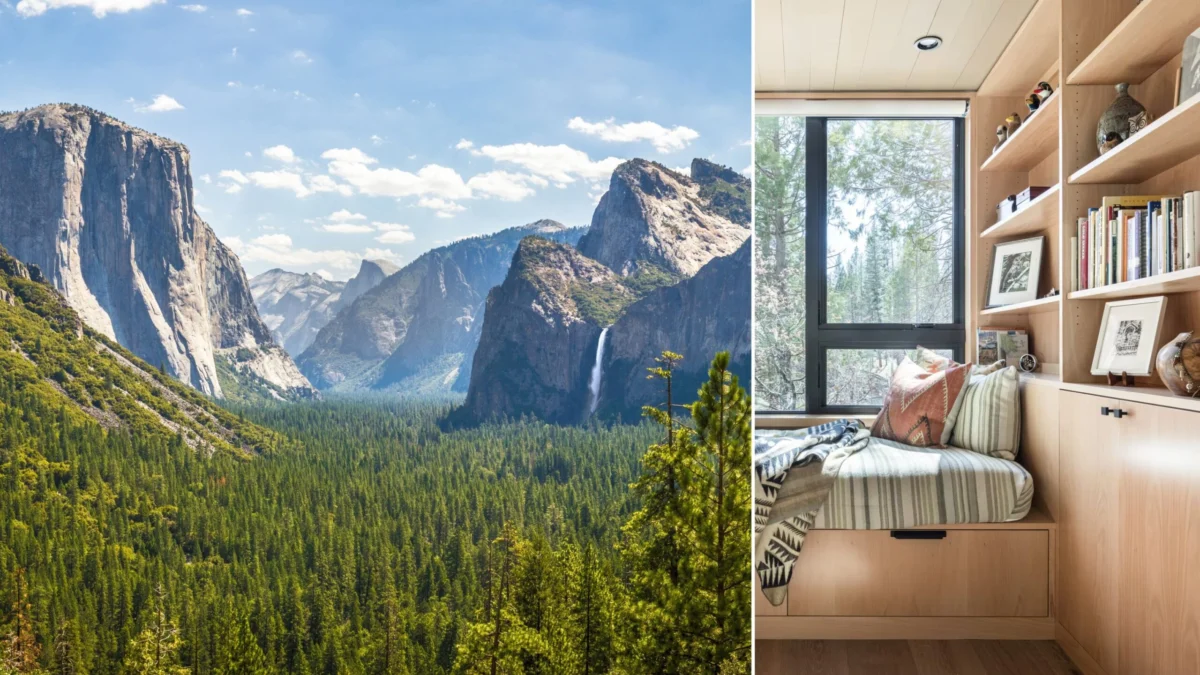
Planning a trip to one of America’s 63 national parks is an exercise in complex logistics. Between mapping out high-altitude trailheads, assembling specialized gear, and coordinating park entry reservations, the "trip of a lifetime" can quickly feel like a full-time job. Yet, amidst the flurry of itineraries and packing lists, travelers often overlook the most critical component of the experience: the home base.
Choosing the right accommodation isn’t just about comfort; it is about reclaiming your time. By securing lodging within or immediately adjacent to park boundaries, visitors can trade the soul-crushing reality of pre-dawn traffic and long, winding commutes for the transformative experience of living within the landscape itself.
The Logistics of the "Inside-the-Park" Strategy
Main Facts: Why Location is the Ultimate Amenity
The primary friction point for any national park visitor is the "entrance gate bottleneck." At popular destinations like Zion, Arches, and Yosemite, peak-season traffic can result in wait times exceeding two hours. When you factor in the additional time required to find parking at popular trailheads—which often fill to capacity by 7:30 a.m.—the day’s agenda is frequently dictated by logistical exhaustion rather than personal interest.
Staying inside the park boundary fundamentally shifts this dynamic. Guests gain the "early bird" advantage, allowing them to access the most popular trails before the day-tripping crowds arrive. Beyond the practicalities, there is an intangible, immersive quality to these stays. Trading the neon lights of a gateway town for the silence of a wilderness clearing allows for a deeper, more restorative connection to the environment. Whether it is enjoying a quiet cup of coffee while watching mist rise over the Great Smoky Mountains or opening a cabin door to the crisp, pine-scented air of the Rockies, the "home base" becomes a primary destination rather than a mere dormitory.
A Chronology of the Modern Park Stay
The evolution of park lodging has shifted dramatically over the last century.
- 1900–1950: The Era of the Grand Lodge. The early National Park Service (NPS) philosophy favored massive, architectural masterpieces like the El Tovar Hotel at the Grand Canyon or the Old Faithful Inn at Yellowstone. These were intended to be destinations in their own right, constructed from local timber and stone to harmonize with the surroundings.
- 1960–2000: The Gateway Boom. As national park visitation exploded in the mid-20th century, the private sector developed extensive infrastructure in "gateway communities"—towns like Gatlinburg, Estes Park, and West Yellowstone. While convenient, this led to a proliferation of generic hotel chains that lacked the wilderness aesthetic.
- 2010–Present: The Rise of the Experiential Rental. The emergence of platforms like Airbnb and VRBO shifted the market back toward intimacy. Modern travelers are now seeking "architectural retreats"—tiny homes, refurbished Airstreams, and curated mountain cabins that prioritize views and solitude over proximity to town amenities. This shift has forced a re-evaluation of how travelers interact with protected lands.
Supporting Data: The Value of Proximity
According to recent travel industry data, proximity to a national park entrance is the number one driver of satisfaction in traveler surveys. A study by the National Park Service indicated that visitors who lodge within or within five miles of park gates report a 35% higher satisfaction rate with their trip overall.
Furthermore, economic data suggests that the "scenic premium"—the added cost of staying in a high-demand, high-view location—is justified by the reduction in transportation costs and the massive increase in "active hours" spent within the park. In a typical week-long excursion, a traveler staying outside the park spends an average of 12 to 15 hours in transit to and from trailheads. A guest staying inside the park captures that time as "leisure time," effectively adding nearly two full days of enjoyment to their vacation.
Official Responses and Stewardship
The National Park Service remains cautious regarding private development within its boundaries. Because of strict land-use regulations and the mandate to preserve the "unimpaired" nature of the parks, short-term rentals are remarkably rare within official park borders.
"The mandate of the National Park Service is to conserve the scenery and the natural and historic objects and the wild life therein," says a spokesperson for the Department of the Interior. "While we recognize the desire for immersive experiences, our priority remains the protection of the resource. We encourage visitors to look for authorized lodges or properties on the immediate periphery that align with our sustainability guidelines."
NPS officials emphasize that travelers should prioritize "Leave No Trace" principles regardless of where they stay. The pressure on park infrastructure—from water usage to waste management—means that even those staying in private rentals must remain conscious of their footprint.
Implications for Future Travel
The trend toward "destination lodging" carries significant implications for the future of travel. As climate change and overcrowding affect the accessibility of these sites, the way we choose to lodge is becoming a political and environmental act.
1. The Scarcity Principle
Because short-term rentals within park boundaries are subject to rigorous permitting, they are inherently limited. This creates a "gold rush" effect where prime dates are often booked 12 to 18 months in advance. Travelers must now approach a national park trip with the same strategic foresight as a professional expedition.
2. The Architectural Shift
We are seeing a move toward sustainable, low-impact architecture. Modern hosts are increasingly focused on "dark sky" compliance (minimizing light pollution), xeriscaping (water-conscious landscaping), and renewable energy integration. Staying in a home that respects the local ecosystem is quickly becoming the gold standard for responsible tourism.
3. The Shift from "Quantity" to "Quality"
The traditional "checklist" approach to national parks—trying to see every landmark in three days—is being replaced by the "slow travel" movement. Instead of rushing between sights, the current trend favors staying in one high-quality location for a week, engaging in deep exploration of the surrounding topography, and fostering a stronger sense of place.
Choosing Your Base: A Checklist for Success
If you are planning to book a retreat for your next adventure, consider the following criteria to ensure your home base enhances your experience:
- Connectivity vs. Solitude: Do you need high-speed internet, or are you looking to disconnect? Many of the best locations are "off-grid," meaning your experience will be more immersive but potentially more challenging to manage.
- The "Front Porch" Test: Does the property offer an outdoor space that looks out onto the park? The ability to sit outside and observe the changing light of the mountains or the forest is the true value of these rentals.
- Proximity to Trailheads: Use GIS tools to measure the distance to the specific trails you intend to hike. A "park-adjacent" property that sits near a trailhead is significantly more valuable than one that sits near the main visitor center.
- Host Vetting: Look for "Superhost" or "Guest Favorite" designations. In remote areas, having a host who understands the nuances of the local climate, wildlife, and road conditions is an invaluable asset.
Conclusion
The choice of where to stay in a national park is no longer a footnote in the planning process; it is the headline. By prioritizing location, architectural harmony with the landscape, and the reduction of transit time, you transition from a visitor passing through to an inhabitant of the wild.
While the competition for these rare, high-quality stays remains fierce, the reward—a sunrise over a mountain peak, the silence of the forest at twilight, and the ability to step directly from your front door into the heart of America’s greatest treasures—is unparalleled. As you plan your next expedition, remember: the best part of the trip shouldn’t be the destination you drive to, but the place you wake up in.
 Evan Lee Salim
 Nana Muazin
 Sagoh
Sagoh
