

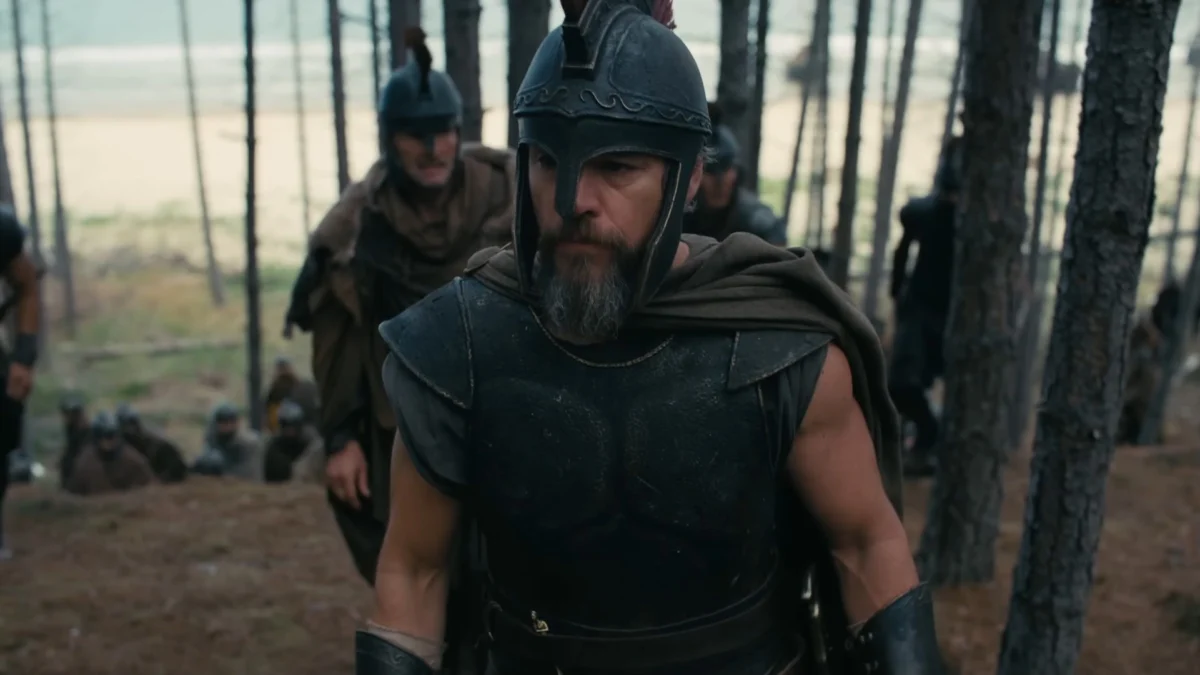
In an era defined by the precarious nature of the box office and the diminishing returns of the "Cinematic Universe" model, Christopher Nolan has once again proven that the most potent intellectual property in Hollywood remains the vision of a singular, uncompromising filmmaker. His latest epic, The Odyssey, shattered expectations during its opening weekend, raking in a staggering $124.5 million domestically.
As the film industry grapples with a summer season marred by high-profile franchise flops, The Odyssey stands as a defiant monolith. It is not a sequel, a reboot, or a spin-off; it is a massive, daring, and authentic piece of art. Its success serves as a critical rebuke to the current studio strategy of prioritizing brand recognition over creative agency, offering a blueprint for a future where original storytelling can once again thrive at the multiplex.
The Box Office Narrative: A Summer of Reckoning
The numbers tell a story of shifting consumer appetites. While major studios have spent the better part of the last decade banking on the perceived safety of established intellectual property (IP), the summer of 2026 has been defined by a series of high-budget misfires. From bloated franchise entries that feel manufactured by committee to the increasingly transparent reliance on algorithmic storytelling, audiences have begun to vote with their wallets, signaling a growing fatigue for derivative content.
The Odyssey, by contrast, arrived in theaters with the weight of expectation—not because of a comic book lineage or a toy-line tie-in, but because it is a Christopher Nolan picture. By delivering a domestic haul of $124.5 million, the film has effectively outperformed several of its franchise-heavy competitors, proving that there is a hunger for scale that isn’t tethered to a pre-existing cinematic universe.
A Chronology of Artistic Vision
The journey to The Odyssey began long before the cameras started rolling. Following the global phenomenon that was Oppenheimer—a film that defied conventional wisdom by turning a dense, historical biopic into a blockbuster—Nolan found himself in a position of unprecedented leverage.
- The Greenlight (2024): After the awards season sweep for his previous work, Nolan reportedly secured a "blank check" deal from Universal Pictures, granting him total creative control and a significant budget for his next project.
- Pre-Production (Early 2025): Eschewing the industry trend of heavy reliance on digital environments and green screens, Nolan emphasized practical locations and authentic set construction. The casting of Matt Damon as the lead was announced, signaling a return to the director’s preferred stable of collaborators.
- The Marketing Push (Spring 2026): The studio marketing campaign focused heavily on the "in-camera" spectacle. Trailers emphasized the tactile reality of the film—the harsh seas, the period-accurate vessels, and the visceral human emotion—rather than teasing post-credit scenes or cameos.
- Opening Weekend (July 2026): The film debuted to near-universal acclaim, with the $124.5 million opening weekend figure effectively silencing critics who argued that non-franchise films could no longer command a wide theatrical audience.
Behind the Lens: Why Craft Still Matters
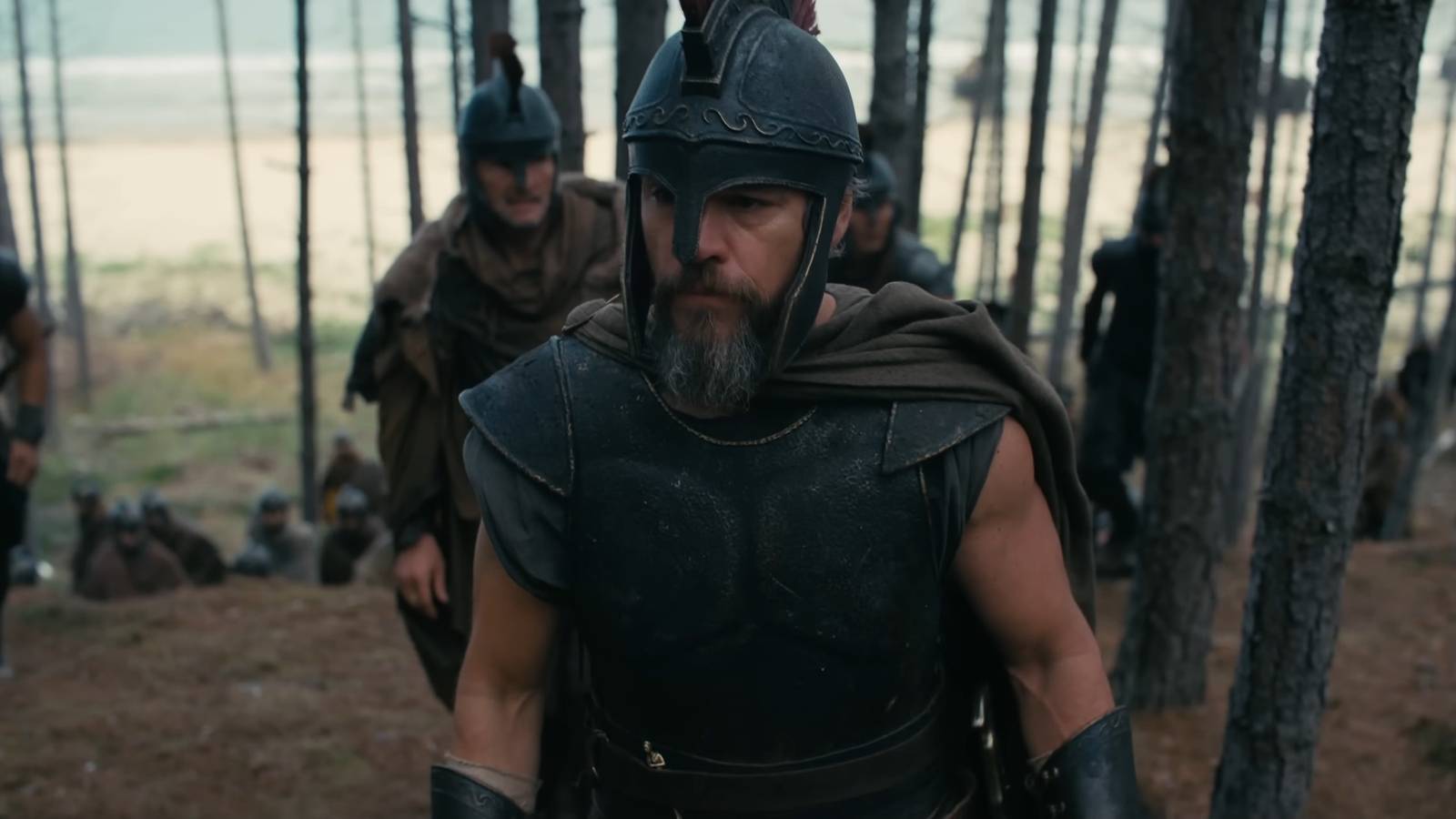
What sets The Odyssey apart is its commitment to the medium of film itself. In an age where many big-budget features feel like glorified pre-visualization software, Nolan’s latest work feels tangible. The film utilizes a mix of large-format photography and practical effects that create a sense of scale often lost in modern digital rendering.
The performances, particularly those of the ensemble cast, are grounded in a way that is rarely seen in modern blockbusters. By allowing the actors the space to inhabit their roles without the constant interruption of CGI overlays or the need to set up the next "chapter" of a franchise, Nolan has created a film that breathes. Audiences have responded to this; there is a palpable sense of respect for the viewer’s intelligence that permeates every frame of the movie.
The Industry Response: A Crossroads for Studios
While the box office results are the primary metric of success, the industry-wide reaction has been one of quiet, albeit anxious, reflection. Major studios, many of which have invested heavily in artificial intelligence and standardized script-writing tools to cut costs, are now facing a difficult reality.
"The success of The Odyssey isn’t an anomaly; it’s a correction," says industry analyst Sarah Jenkins. "Studios have spent years treating the audience like they are only interested in brand recognition. Nolan has proven that if you treat the audience like adults and give a visionary filmmaker the keys to the kingdom, they will show up in record numbers."
Conversely, there has been a notable silence from the corners of the industry that remain committed to the "AI-first" approach. As the discourse shifts toward the future of filmmaking, the contrast between the human-centric craft of The Odyssey and the synthetic output of the current studio trend has never been more stark.
Implications: The Death of the Franchise Monopoly?
The success of The Odyssey suggests that we may be witnessing the end of the "IP-only" era. For years, the industry mantra has been that original stories are "too risky" for $100 million-plus budgets. Nolan’s success—following in the footsteps of smaller-scale, high-impact films like Obsession—dismantles this argument entirely.
1. The Power of the Director as Brand
Nolan is one of the few directors left who acts as a brand unto himself. For studios, the lesson is clear: invest in the talent, not just the library of characters. When a director has a distinct, recognizable voice, the audience is far more likely to engage than when they are simply buying a ticket to the latest iteration of a tired franchise.
2. The Practicality of Practical Effects
The audience’s awe at the film’s visual quality confirms that the "CGI fatigue" narrative is real. When digital effects are used to augment reality rather than replace it, the result is a more immersive experience. Studios would do well to reinvest in practical sets and location shooting, which inherently provide a weight and groundedness that digital-only films lack.
3. Ending the "Universe" Trap
The pressure to build a "Cinematic Universe" often forces films to compromise their own endings or character arcs to serve a larger, nebulous strategy. The Odyssey succeeds because it is a self-contained story with a definitive beginning, middle, and end. It respects the audience’s time by providing a complete experience, rather than a two-hour advertisement for a future sequel.
Looking Ahead
As the summer season continues, the performance of The Odyssey will serve as a bellwether for the rest of the year. If the film maintains its momentum, it could force a radical shift in how studios approach their green-light processes.
We are at a turning point. The industry can either continue to double down on the failing strategy of franchised, algorithmic, and AI-assisted content, or it can pivot to support the visionaries who are capable of creating the next generation of classics.
If there is one takeaway from the record-breaking opening of The Odyssey, it is this: the audience is not tired of movies. They are tired of the assembly line. They are ready for stories that feel, breathe, and challenge them. It is time for the studios to stop looking for the next piece of IP and start looking for the next great filmmaker. The success of Christopher Nolan’s work is not a miracle—it is a proof of concept. The question now is whether the rest of Hollywood is brave enough to listen.
 Basiran
 Nana Muazin
 Layla Zulfa
