

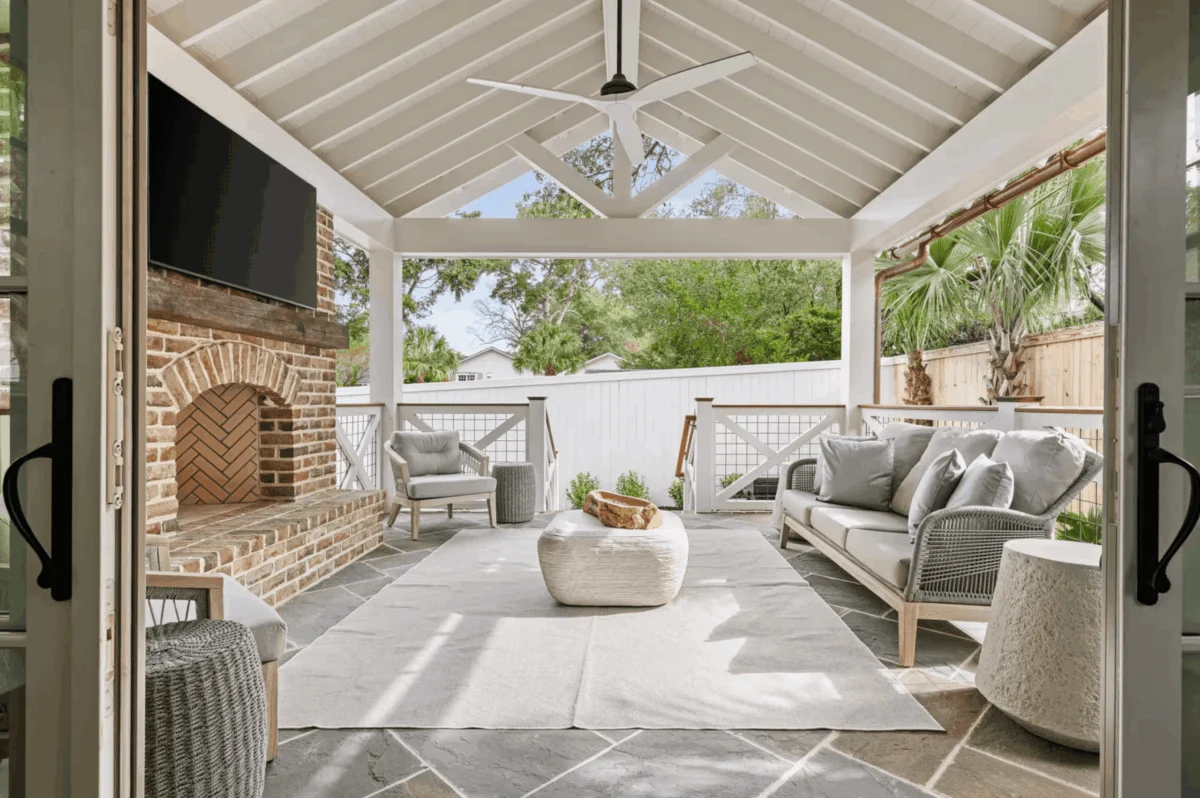
In the heart of the Lowcountry, where the scent of jasmine drifts through cobblestone alleys and the rhythmic tolling of church bells dictates the pace of the day, a quiet revolution in travel is unfolding. While Charleston remains home to some of the world’s most celebrated luxury hotels, a growing contingent of discerning travelers is opting for a more intimate experience: the private, licensed short-term rental.
By stepping into a restored carriage house or a design-forward loft, visitors are doing more than securing a place to sleep; they are participating in the authentic, lived-in fabric of the city. These are not mere vacation rentals, but carefully curated portals into the Charleston lifestyle.
The Evolution of the Charleston Stay: Main Facts
Charleston’s short-term rental landscape is defined by its exclusivity and regulation. Because the city strictly enforces ordinances to protect the architectural integrity and character of its historic districts, the inventory of available homes is limited. This is not a market of mass-produced listings, but a collection of high-quality, legally permitted properties.
The appeal is sensory and experiential. It is the ability to brew morning coffee in a kitchen that looks as if it were plucked from a design magazine, to lounge on a breezy piazza while the late afternoon sun hits the pastel-colored facades of the South of Broad neighborhood, or to borrow a bicycle to pedal beneath the sweeping, cathedral-like canopy of live oaks. For many, the ultimate luxury is the proximity to the marsh, where one can watch dolphins surface from a private dock at sunset—an experience that hotel corridors simply cannot replicate.
A Chronological Shift in Hospitality
The rise of the "lifestyle rental" in Charleston did not happen overnight. It is the result of a multi-year transition in how travelers perceive value.
- 2010–2015: The Rise of the Boutique Hotel. Charleston saw a massive influx of high-end hotel developments, solidifying its reputation as a world-class destination.
- 2016–2019: The Regulatory Turning Point. As tourism spiked, the city implemented stringent zoning laws for short-term rentals. This paradoxically increased the quality of the remaining inventory, as only the most dedicated property owners invested in the licensing and renovations required to operate legally.
- 2020–2022: The Paradigm Shift. During the pandemic, the demand for privacy, private kitchens, and home-like amenities surged. Travelers began to prioritize "nesting" in a destination rather than simply passing through it.
- 2023–Present: The "Guest Favorite" Era. The modern market now prioritizes verified Superhost status and design-forward interiors, shifting the focus from quantity to a highly vetted, quality-first model.
Supporting Data: Understanding the Market
For those planning a sojourn to the Holy City, understanding the financial and logistical landscape is essential. Data trends indicate a diverse spectrum of options, ranging from urban efficiency to sprawling coastal estates.
Pricing Tiers
- Entry-Level: Smaller, charming apartments—often tucked into the nooks of historic homes—typically start at $175 per night.
- The Sweet Spot: The majority of well-appointed, centrally located rentals average between $250 and $350 per night.
- Luxury Estates: For larger, design-forward homes, particularly those with deep historical significance or waterfront views, prices begin at $1,200 and can easily exceed $3,000 per night during peak demand windows.
Seasonal Planning
- Spring (March–April): The "Golden Window." With temperatures hovering in the 70s, the city is in full bloom. Demand is at its highest, and booking six months in advance is recommended.
- Summer: Beautiful but humid. Ideal for those prioritizing beach access at Folly Beach or Sullivan’s Island.
- Autumn (October): A local favorite. The humidity breaks, the air turns crisp, and the walking tours are at their most comfortable.
- Winter: The "Secret Season." Crowds vanish, and the city reveals a quiet, moody elegance. It is the most cost-effective time to secure high-end properties.
Official Stances and Regulatory Implications
The City of Charleston’s approach to short-term rentals is rooted in a desire to balance a booming tourism economy with the preservation of local neighborhoods. By requiring licenses and limiting the number of nights per year a property can be rented, the city has prevented the "hollowing out" of residential areas.
This policy has profound implications for the visitor. Because inventory is capped, guests are assured that they are staying in properties that are integrated into the community. It forces a higher standard of service and maintenance from hosts who are invested in the city’s long-term reputation. For the traveler, this means the end of the "anonymous rental" and the beginning of the "curated stay."
Where to Anchor Your Stay
Choosing a neighborhood in Charleston is a matter of deciding what kind of rhythm you wish to adopt.
Cannonborough-Elliotborough
Known as the city’s "hippest historic neighborhood," this area is a favorite for foodies. It is highly walkable and home to some of the most innovative new restaurants in the city. It feels young, vibrant, and deeply authentic.
King Street District
For those who want to be in the heart of the action, the lofts near King Street offer the best access to high-end shopping, art galleries, and nightlife. It is the urban, pulsating center of Charleston.
Queen Street and the Historic Core
If you are seeking the quintessential Charleston experience—wrought iron gates, cobblestone streets, and centuries-old architecture—the area near Queen Street is unmatched. These rentals often provide a quiet, tranquil retreat while being mere steps from the city’s major museums.
The Coastal Fringe: Sullivan’s Island and Folly Beach
For those who cannot choose between the city and the shore, these islands are approximately 20 minutes from downtown. They offer a distinct "salt-air" experience, providing the best of both worlds: a morning in a historic museum and an afternoon on the dunes.
Implications for the Future of Travel
The shift toward residential-style rentals in Charleston suggests that the future of luxury travel is no longer defined by the presence of a concierge or a room service menu. Instead, it is defined by autonomy and immersion.
When a traveler chooses a curated home, they are opting to shop at the local farmers’ market, to learn the neighborhood’s shortcuts, and to support a local ecosystem of property managers, cleaners, and homeowners. It is a more sustainable, human-centric way to visit a city.
As we look toward the next decade of tourism, Charleston stands as a model for how a historic destination can welcome the world without losing its soul. By strictly regulating the "where" and "how" of lodging, the city ensures that every visitor has the opportunity to feel, if only for a few days, that they are not just a guest in a hotel, but a resident of the Lowcountry.
Quick Reference: Planning Your Stay
- Short Stay (1–3 days): Focus on the Historic District to maximize time.
- Medium Stay (4–5 days): Allows for a mix of city exploration and a day trip to sites like Middleton Place or the ACE Basin.
- Extended Stay (7+ days): Recommended for those interested in nature, birding, or deep historical research. This allows time to venture to Botany Bay or the Center for Birds of Prey.
Ultimately, the best Charleston experience is one that feels personal. Whether you are sipping tea on a piazza or watching the sunset over the marsh, the right rental allows you to stop being a spectator and start being a participant in one of America’s most cherished cities.
 Evan Lee Salim
 Nana Muazin
 Sagoh
Sagoh
