

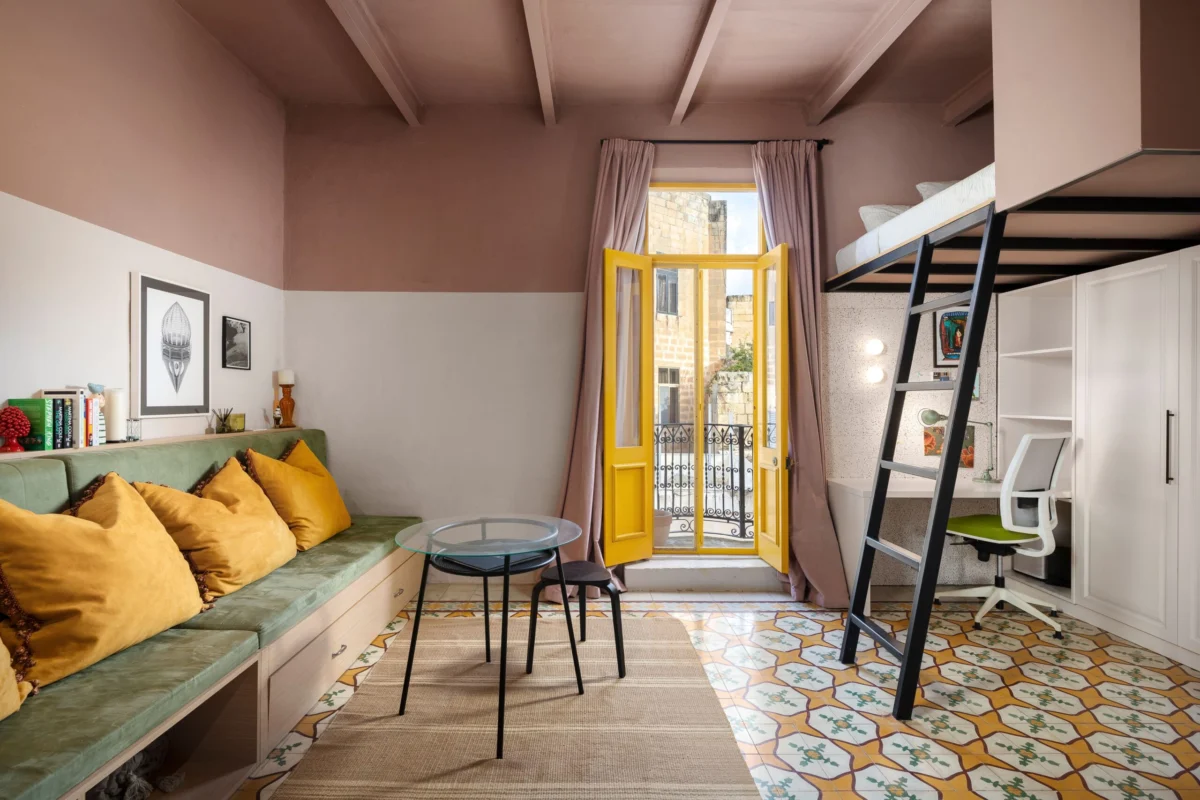
The Mediterranean archipelago of Malta is often defined by its contradictions. It is a nation that manages to be both profoundly ancient and refreshingly modern, a place where prehistoric, honey-hued limestone temples stand in silent testimony to civilizations long past, while vibrant, contemporary dining scenes and high-energy city life thrive in its streets. While the Maltese coastline has long been dominated by the familiar silhouettes of sprawling, family-friendly resorts, a shift in the travel landscape has brought a new focus to the island’s more intimate offerings.
For the discerning traveler, the best way to experience the true heartbeat of Malta is no longer through the lobby of a standardized hotel, but through the unique, curated spaces found on Airbnb. From repurposed historic ateliers in the fortified city of Valletta to sleek, modern penthouses that command panoramic views across the bustling urban sprawl of Sliema, these properties offer more than just a place to sleep—they offer a portal into the local rhythm of life.
The Evolution of Maltese Hospitality: From Grand Hotels to Boutique Stays
The Historical Context
Malta’s tourism industry was traditionally built on the "sun and sea" model, which favored the construction of large-scale hotels along the coastline of St. Julian’s and Bugibba. These establishments served the package-holiday boom of the late 20th century, focusing on high-volume occupancy and centralized amenities. However, as global travel trends have shifted toward "slow travel" and authentic immersion, the demand for boutique, localized accommodation has skyrocketed.
The Rise of the Airbnb Phenomenon
In the last decade, the influx of international digital nomads, cultural tourists, and luxury seekers has prompted a surge in high-quality short-term rentals. Property owners in Malta’s "Three Cities"—Vittoriosa, Senglea, and Cospicua—have begun renovating centuries-old buildings, turning dilapidated historic structures into stunning architectural feats. This trend has not only preserved local heritage but has also decentralized tourism, encouraging visitors to explore areas outside of the typical resort clusters.
Analyzing the Market: What Makes a Top-Tier Airbnb?
When evaluating the quality of an Airbnb in a historic environment like Malta, the criteria for excellence must be stringent. Our analysis, which incorporates Superhost status, guest satisfaction ratings, and the integration of local culture, highlights several key features that set a property apart.

Key Metrics for Selection
- Architectural Integrity: Does the property honor the traditional Maltese gallarija (enclosed wooden balcony) and the iconic local limestone?
- Sustainability and Amenities: Is the property energy-efficient, and does it provide modern necessities—such as high-speed Wi-Fi and updated climate control—without sacrificing character?
- Location Connectivity: Accessibility to public transport, including the iconic ferry routes that connect the Three Cities to Valletta, is paramount.
- Guest Sentiment: We have filtered our analysis based on consistently high ratings regarding cleanliness, host responsiveness, and the accuracy of the listing description.
The Geography of Style: Where to Stay
1. Valletta: The Living Museum
Staying in the capital city of Valletta is an exercise in time travel. Properties here are often located in buildings that date back to the time of the Knights of St. John. The best Airbnbs here often feature high, vaulted ceilings and exposed stone walls. They are the ideal base for those looking to be within walking distance of the St. John’s Co-Cathedral and the city’s burgeoning culinary scene.
2. Sliema and St. Julian’s: The Urban Pulse
For those who prefer the cosmopolitan energy of modern Malta, the sliver of land between Sliema and St. Julian’s is the place to be. Here, the architecture shifts to high-end apartments and luxury penthouses. These properties often emphasize light and space, with large terraces overlooking the Mediterranean—perfect for a morning coffee while watching the fishing boats drift toward the Grand Harbour.
3. The Three Cities: The Authentic Heart
Cospicua, Senglea, and Vittoriosa offer a quieter, more introspective side of the island. Staying in a renovated atelier in these cities offers a unique insight into the maritime history of the archipelago. These properties are often favored by artists and those seeking a respite from the more intense tourist corridors.
Chronology of Tourism Development in Malta
- 1960s – 1980s: The "Resort Era." Massive development of coastal hotels to cater to Northern European package tourists.
- 1990s – 2005: Focus on cultural tourism. Valletta receives increased attention as a UNESCO World Heritage site, sparking interest in city-center boutique stays.
- 2006 – 2015: The digital shift. The rise of peer-to-peer rental platforms allows individual property owners to compete with traditional hospitality models.
- 2016 – 2022: The "Experience Economy." Tourists prioritize unique, design-led stays. Restoration of historic homes in the Three Cities becomes a major industry.
- 2023 – Present: Regulation and Quality Control. The Malta Tourism Authority (MTA) introduces stricter licensing for short-term rentals to ensure safety and quality standards, professionalizing the Airbnb sector.
Official Responses and Regulatory Implications
The rapid growth of the short-term rental market has not gone unnoticed by the Maltese government. In recent years, the Malta Tourism Authority has taken steps to integrate these private accommodations into the broader tourism strategy.
"Our goal is to ensure that the quality of the visitor experience remains high, whether they are staying in a five-star hotel or a family-run apartment," a representative for the local tourism board stated in a recent briefing. "By implementing a licensing system, we protect the consumer while also ensuring that the character of our historic towns is preserved rather than exploited."

This regulatory environment has led to a more mature market, where "Guest Favorite" status is no longer just a marketing tag but a reflection of compliance with rigorous safety and quality standards.
The Implications for Future Travelers
For the traveler planning a trip to Malta, the abundance of choice is both a blessing and a challenge. The shift away from standard resorts means that you are no longer limited to the amenities offered by a single hotel chain. Instead, you can choose a neighborhood that fits your personality.
Why Opt for a Rental Over a Hotel?
- Personalization: You gain access to a kitchen, laundry facilities, and a private living space, which is invaluable for longer stays.
- Economic Impact: Your tourism spend is more likely to stay within the local community rather than being siphoned off by large, foreign-owned hotel corporations.
- A Deeper Connection: Staying in a residential building allows you to interact with local neighbors, providing a more authentic window into the Maltese lifestyle.
Conclusion: A New Way to Experience the Archipelago
Malta is a place that rewards the curious. By stepping away from the predictable, air-conditioned corridors of the major resorts, travelers open themselves up to the authentic charm of the island. Whether you choose to wake up in a centuries-old limestone house in the Three Cities or enjoy a glass of local wine on a modern terrace in Sliema, the Airbnb experience in Malta is defined by its diversity and its deep roots in the local culture.
As the island continues to evolve, the hospitality sector is proving that it can balance the old with the new. For those planning their next Mediterranean getaway, the message is clear: the best of Malta isn’t just found in its history books or its beaches—it’s waiting behind the front door of your next home away from home.
We have vetted these recommendations based on rigorous standards, including guest reviews, host reliability, and the unique architectural quality of the properties. As with any travel planning, we encourage readers to check the latest local regulations and verify individual property amenities prior to booking.
 Asro
Asro
 Siti Muinah
