

By Brian VanHooker
Published October 7, 2026
Main Facts
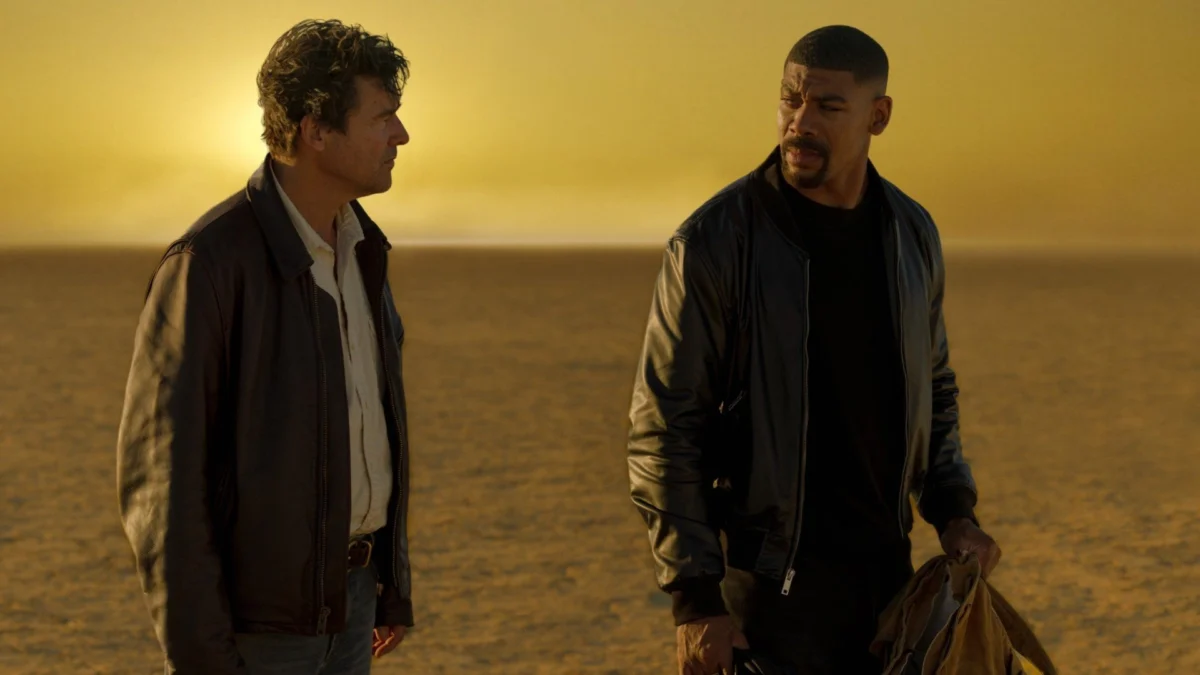
With the dramatic conclusion of HBO Max’s gritty DC Comics adaptation Lanterns, viewers are left searching for their next prestige television obsession. The eight-episode series, which traded cosmic space operas for a gritty, terrestrial detective narrative, recently wrapped up its acclaimed freshman run with the definitive unmasking of Hal Jordan’s killer.
While the finale leaves the ultimate fate of the Green Lantern ring hanging in the balance, it also leaves a massive vacuum in the schedules of sci-fi and procedural fans alike. Enter The X-Files. Although the iconic Fox supernatural phenomenon aired its last major broadcast decades ago, it serves as the ultimate thematic counterpart and "anti-Lanterns" viewing experience.
Featuring mismatched investigator pairings, extraterrestrial undertones, and a profound exploration of institutional skepticism, The X-Files provides a sprawling, multi-season counterweight to HBO’s tightly compressed, eight-episode rural sci-fi mystery.
Chronology: From 1990s Phenomenon to Modern Streaming Staple
To understand why The X-Files remains the quintessential follow-up to a contemporary comic book drama, one must examine its historical trajectory and how it set the blueprint for modern genre television.
- 1993: Created by Chris Carter, The X-Files premiered on the Fox network, introducing audiences to FBI Special Agents Fox Mulder and Dana Scully. The series initially relied on a "monster-of-the-week" format interwoven with a dense, overarching government conspiracy mythology regarding alien colonization.
- 1990s Peak: Over the course of its initial run, the series grew into a global pop-culture titan, defining 1990s television and proving that high-concept science fiction and horror could sustain mainstream, long-running network success.
- The Revival Era: After concluding its ninth season in 2002 and spawning two feature films (The X-Files in 1998 and The X-Files: I Want to Believe in 2008), Fox revived the series for two additional event seasons (Seasons 10 and 11) in 2016 and 2018, bringing its total episode count to 218 entries across 11 seasons.
- Present Day: Today, the complete saga is readily accessible for modern audiences to binge-watch across major streaming platforms, including Hulu, Disney+, and Pluto TV, making it an easy recommendation for viewers graduating from contemporary streaming hits like Lanterns.
Supporting Data: Comparing Two Styles of Speculative Fiction
While both Lanterns and The X-Files deal with extraordinary phenomena, law enforcement dynamics, and unexplained mysteries, their underlying mechanics are starkly different. A structural breakdown highlights how these two series approach storytelling:
| Feature / Metric | Lanterns (HBO Max) | The X-Files (Fox) |
|---|---|---|
| Format | Serialized, single-case focus | Episodic procedurals with a serialized mythology |
| Episode Count | 8 episodes | 218 episodes across 11 seasons |
| Setting | Small-town Rushville, Nebraska (Terrestrial alien investigation) | Global/North American investigations of the paranormal |
| Core Dynamic | Veteran cocky hero paired with a serious-minded ex-marine | Believer criminal profiler paired with a skeptical medical doctor |
| Fantastic Elements | Power rings, alien species, Green Lantern Corps | Ghosts, urban legends, occult, cryptids, and extraterrestrials |
| Streaming Home | HBO Max | Hulu, Disney+, Pluto TV |
Official Responses and Creative Context
The creative impulses behind both series reveal a deliberate attempt to ground fantastical premises in recognizable, human realities.
In Lanterns, showrunners and creators leaned away from the traditional, bright-colored galactic adventures traditionally associated with DC’s Green Lantern mythology. Instead, they drew clear aesthetic inspiration from prestige crime dramas like True Detective.

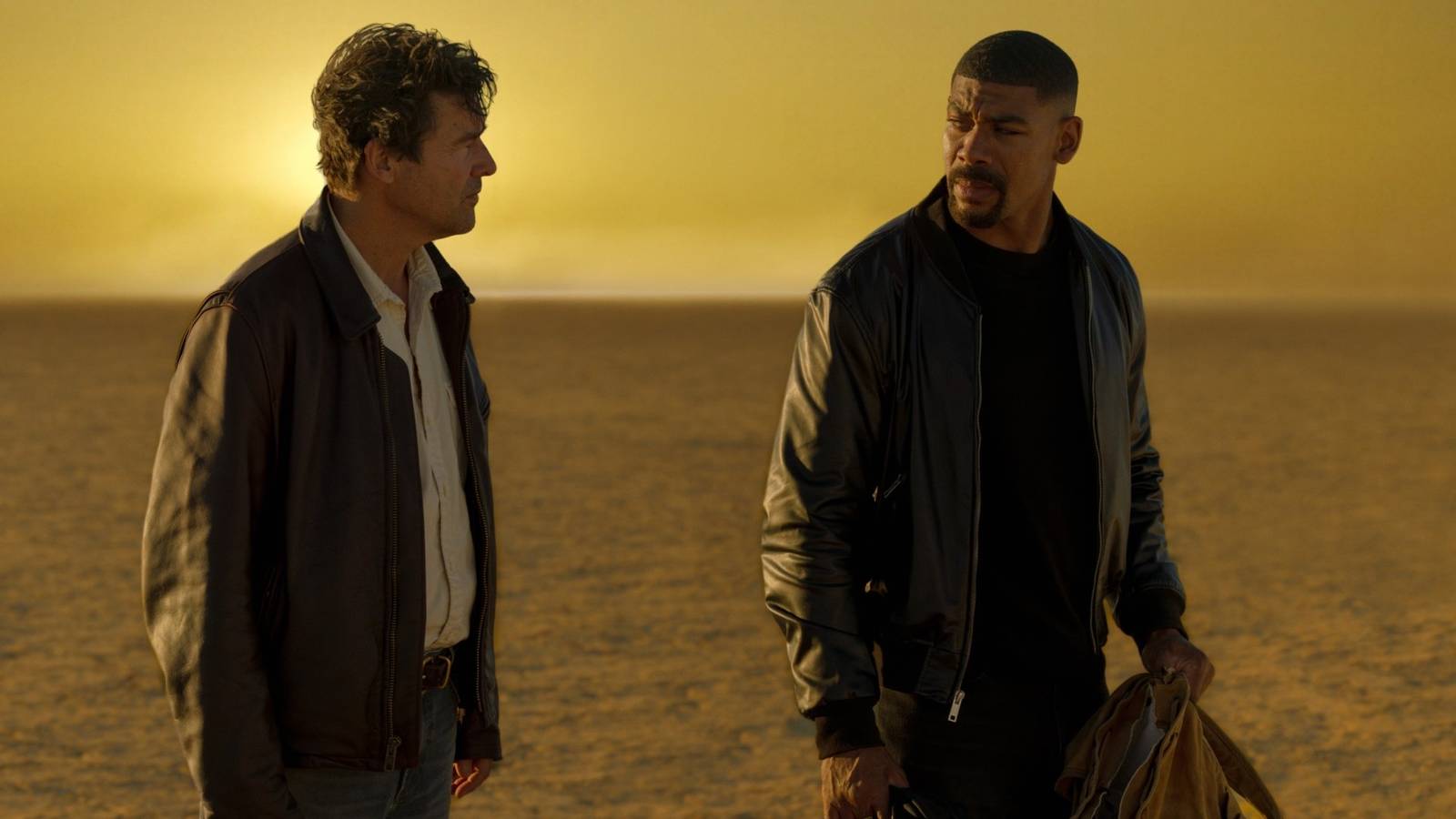
The narrative forces together Hal Jordan (played with rugged weariness by Kyle Chandler) and John Stewart (portrayed with stoic gravity by Aaron Pierre). The Guardians—the enigmatic alien overlords of the Green Lantern Corps—pair Stewart with Jordan not merely for cooperation, but as a bureaucratic oversight measure to rein in Jordan’s notorious rule-breaking tendencies. Together, they are forced to untangle a dark conspiracy in a seemingly quiet Midwestern town.
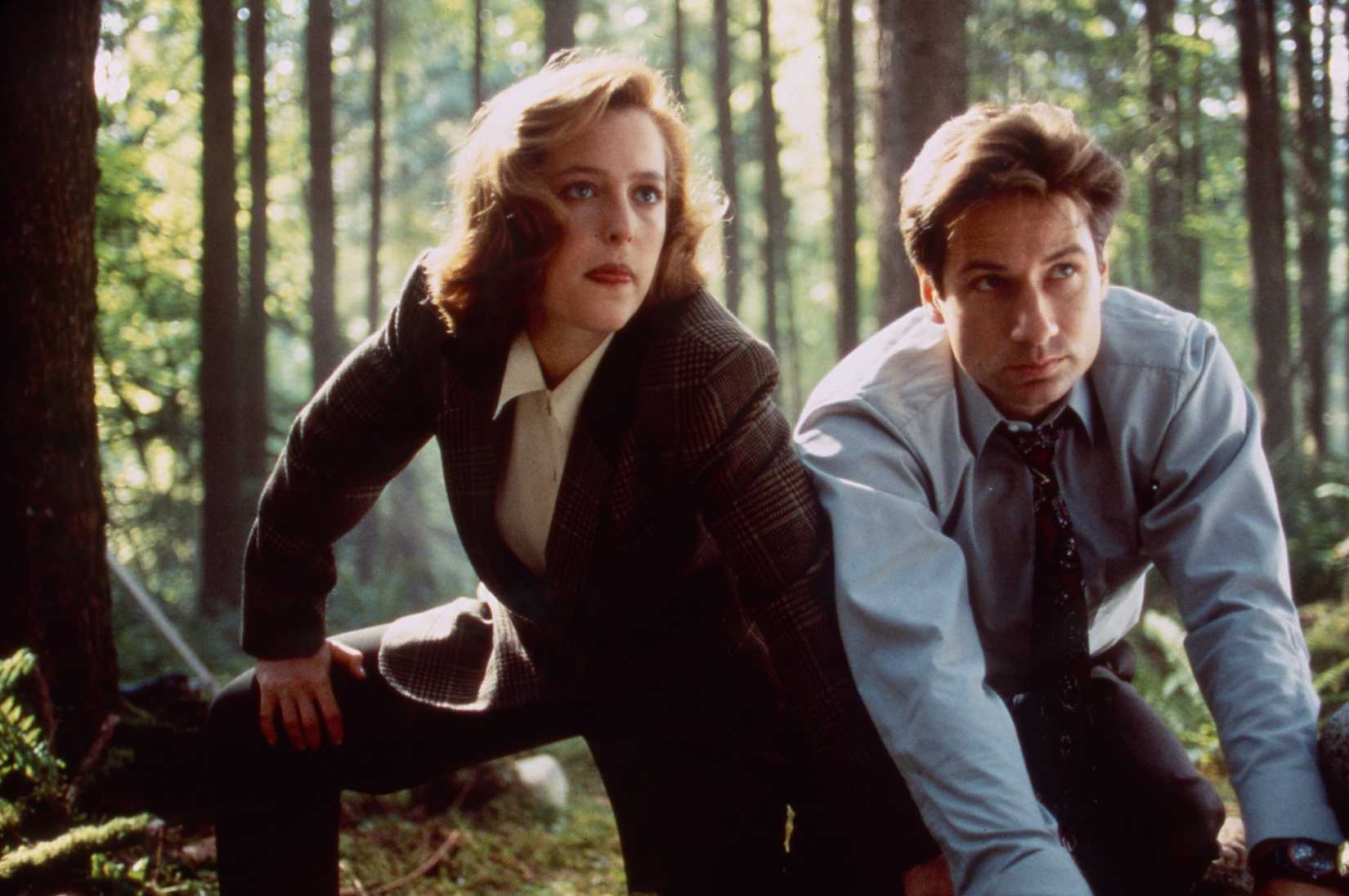
Conversely, The X-Files utilized a similar institutional ruse. Fox management, frustrated by Fox Mulder’s (David Duchovny) obsession with fringe cases and extraterrestrial cover-ups, assigned Dr. Dana Scully (Gillian Anderson)—a medical doctor grounded in rigorous scientific methodology—to debunk Mulder’s findings.
Reflecting on the dynamic of the show, series veterans have frequently noted that the heart of The X-Files was never just the monsters or the conspiracy conspiracies; it was the friction and ultimate evolution of mutual respect between Mulder and Scully. Much like Jordan and Stewart discovering a shared code of honor under pressure, Mulder and Scully’s shifting paradigms—Scully slowly opening up to the impossible, and Mulder learning the value of hard scientific inquiry—formed the emotional anchor of the entire franchise.
Implications: Why The X-Files Is the Inverse Mirror of Lanterns
Moving from Lanterns to The X-Files offers viewers an intriguing structural inversion.
In Lanterns, the investigators themselves are the most explicitly fantastic elements. Wielding green light rings capable of manufacturing constructs born purely from the imagination, Jordan and Stewart operate within a high-concept sci-fi framework, yet they are deployed to solve a surprisingly low-to-the-ground, slow-burn murder mystery in rural Nebraska.
The X-Files flips this dynamic completely on its head. Agents Mulder and Scully are entirely ordinary, grounded human beings operating within a mundane bureaucratic government agency (the FBI). Yet, the cases they investigate are wildly outlandish, spanning everything from genetic mutations and paranormal entities to shadowy multi-national alien conspiracies.
Furthermore, the viewing commitment shifts dramatically. Where Lanterns delivers a tightly packaged, cinematic eight-hour movie experience designed for rapid consumption, The X-Files invites viewers into a sprawling television universe. It offers genre-hopping versatility—pivoting effortlessly from terrifying horror episodes to high-octane political thrillers, and occasionally dipping into self-aware, comedic romps.
While viewers should perhaps skip the famously uneven vampire-seduction episode, the vast majority of The X-Files library stands as a masterclass in episodic television chemistry. It proves that regardless of whether you are wielding an alien power ring in a small Nebraska town or shining a flashlight into a damp forest looking for UFOs, the strength of any great sci-fi mystery ultimately lies in the partnership at its core.
 Nana Wu
 Reynand Wu
 Laily UPN
