

By Staff Gaming Correspondent
Published October 7, 2026
Main Facts
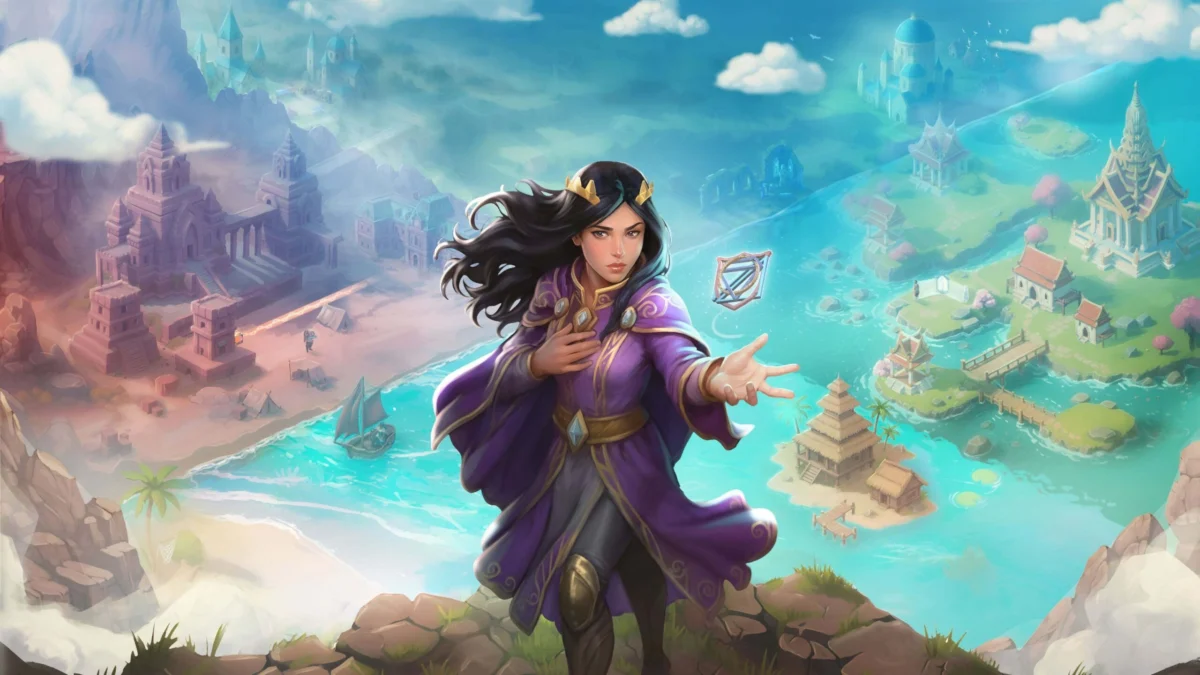
- The Project: Order of the Sinking Star is the gargantuan open-world puzzle game developed by Thekla, Inc., spearheaded by Braid and The Witness creator Jonathan Blow.
- Scope and Scale: Touted ahead of its release as a "500-hour" game, the title blends, remakes, and fundamentally reinvents multiple acclaimed indie Sokoban (box-pushing) games—including Alan Hazelden’s Mirror Isles and Skipping Stones to Lonely Homes, Silver Spaceship Software’s Promesst, and Jonah Ostroff’s Heroes of Sokoban.
- Release Details: The game officially launches on October 8, 2026, for Windows PC, PlayStation 5, and the next-generation Nintendo Switch 2.
- The Controversy: Beyond its mechanical density, the game has been entangled in a real-world controversy. Several original indie creators whose mechanics were licensed have publicly distanced themselves from the project following Jonathan Blow’s politically charged social media posts and public stances, highlighting a rift between the game’s cooperative themes and its principal creator’s public profile.
Chronology of Development and Release
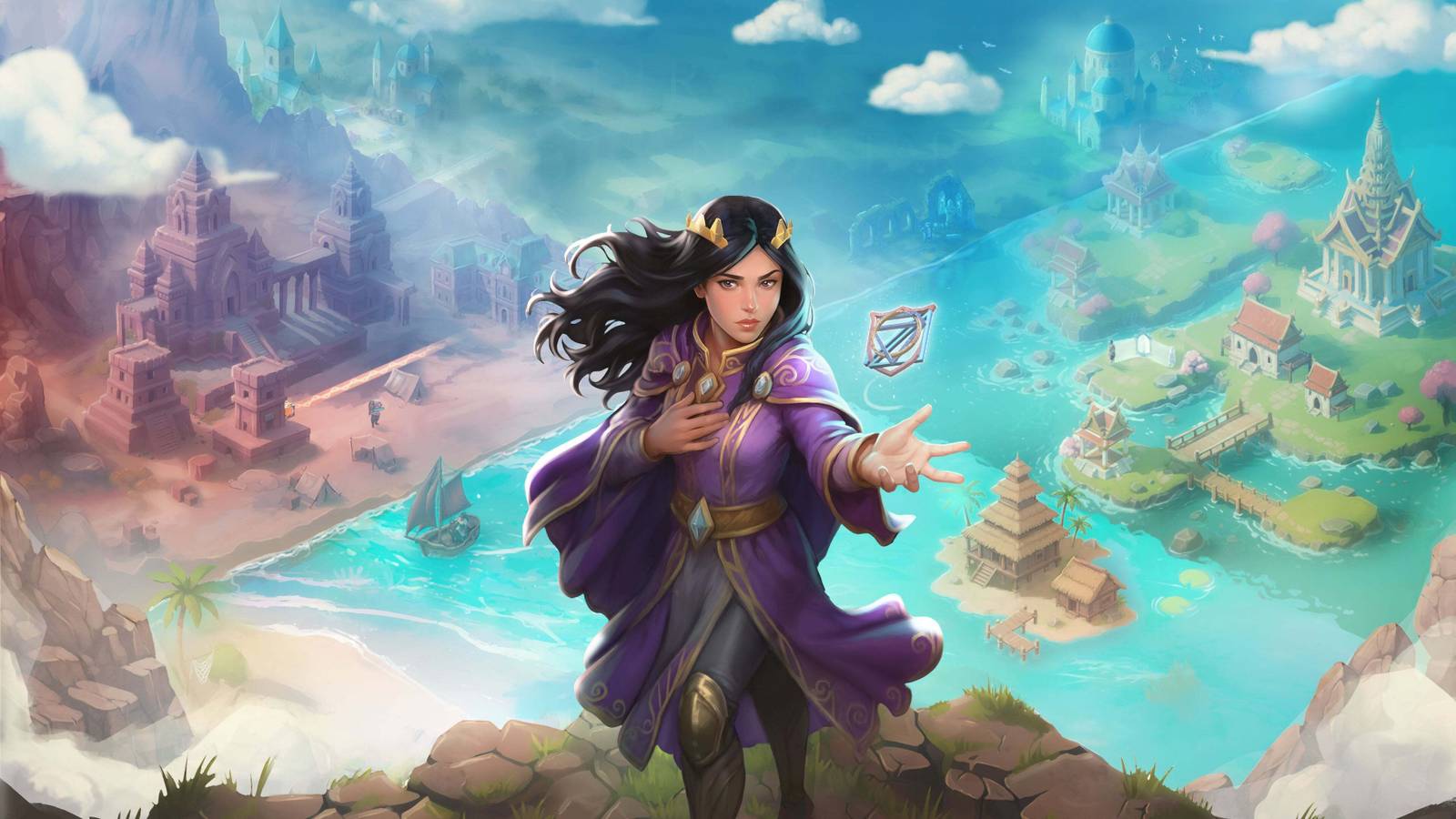
The journey toward Order of the Sinking Star has been long, quiet, and intensely debated within independent game development circles. Following the massive genre-shifting success of The Witness in 2016, Jonathan Blow and his team at Thekla began sketching out a concept that would dwarf their previous achievements. Rather than designing puzzles from a blank slate entirely, Thekla decided to look backward to move forward, taking celebrated minimalist indie puzzle games and synthesizing their mechanics into a sprawling, interconnected, top-down grid-based overworld.
As development stretched across years, early previews hinted at a project of unmatched magnitude. By late 2025 and early 2026, industry reports began circulating about the game’s staggering projected length—up to 500 hours for completionists. However, this prolonged development cycle was mirrored by shifting cultural landscapes outside the studio. As Blow’s personal social media presence grew more outspoken regarding political figures and alternative viewpoints, tensions began to brew behind the scenes regarding how the game’s collaborative premise aligned with its lead creator’s public rhetoric. Despite these hurdles, production pressed on toward an October 2026 release, culminating in early review builds sent to critics a month prior to launch.
Supporting Data & Gameplay Mechanics
To understand Order of the Sinking Star is to understand the evolution of spatial puzzle logic. Structurally, the game divides its universe into four cardinal directions, each serving as an homage to and reimagining of an existing indie puzzle touchstone:

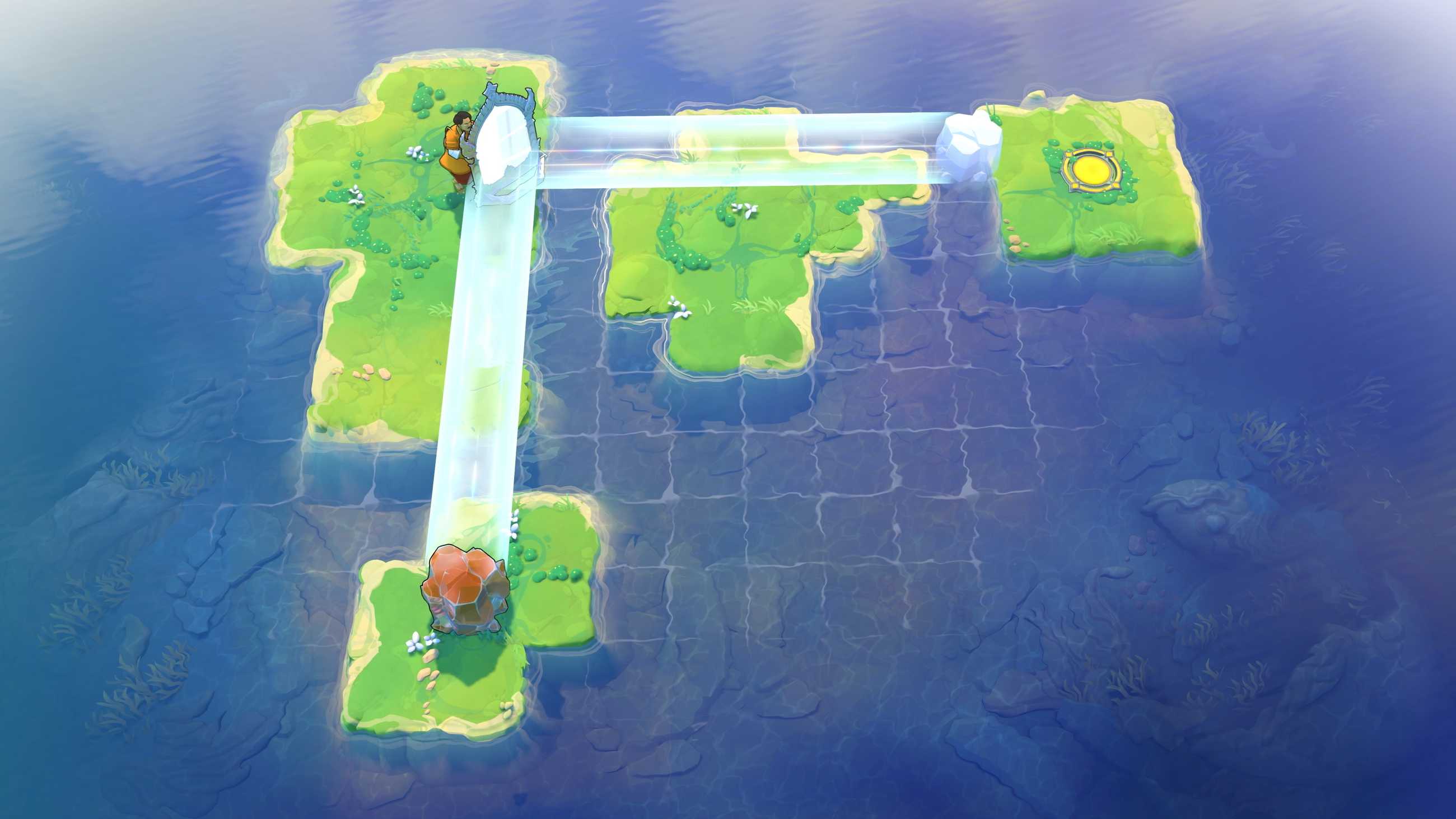
- East: A structural expansion of Alan Hazelden’s Mirror Isles, tasking players with teleporting across islands via strategically arranged mirrors.
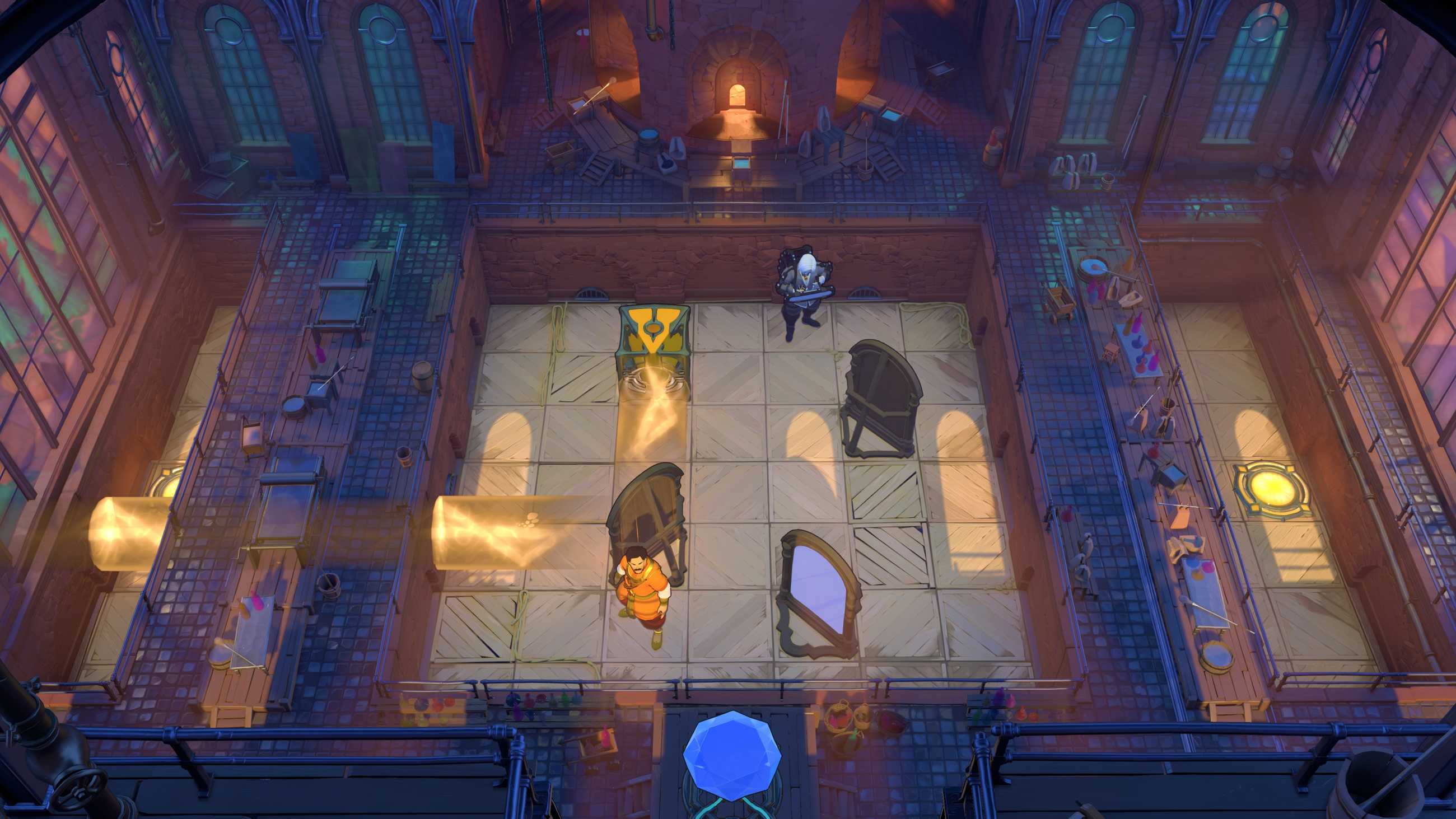
- West: A mechanical reworking of Silver Spaceship Software’s Promesst, focusing on color-coded laser beams, gem collection, and distinct spatial powers.
- North: A homage to Jonah Ostroff’s Heroes of Sokoban, allowing players to command multiple heroes who can push, pull, and swap places with moveable barriers.
- South: A re-imagination of Hazelden’s Skipping Stones to Lonely Homes, treating stone-pushing as a physics-adjacent rock-skipping challenge.
The true genius—and ultimate exhaustion—of Order of the Sinking Star lies in its mid-game convergence. As players explore the outer quadrants of the overworld, the rules begin to bleed together. Northwest regions fuse lasers with block-pushing mechanics; northeast sectors require players to maneuver mirrors and multiple heroes simultaneously.
Yet, this complexity demands immense mental endurance. Unlike traditional puzzle design, which often ebbs and flows by offering breathing room or simpler palate cleansers after a grueling challenge, Order ofs the Sinking Star operates on a curve of relentless escalation. Success rarely brings relief; it merely ushers the player into a trial of even greater magnitude.
Official Responses and Behind-the-Scenes Friction
The intersection of art and artist has rarely been more pronounced than in the discourse surrounding Order of the Sinking Star. Blow’s outspoken online persona—including public praise for figures like Donald Trump and skepticism regarding institutional narratives surrounding health policies—has alienated a portion of the development community.
Crucially, several indie designers whose foundational mechanics breathe life into Order of the Sinking Star have publicly distanced themselves from the game. Alan Hazelden confirmed that any incoming profits from his licensed works will be redirected toward supporting underrepresented and independent developers. Furthermore, clarification ahead of the game’s launch revealed that these original creators were not actively involved in designing the complex mechanical mashups featured in Thekla’s final product.
This disconnect feeds into a deeper narrative contradiction. Order of the Sinking Star heavily emphasizes themes of collaboration, mutual reliance, and the strength of diverse perspectives working in tandem—most notably demonstrated in the Heroes of Sokoban segment, where characters with disparate abilities must cooperate to survive. Critics and players alike have pointed out the cognitive dissonance of championing cooperative synergy within a game while its primary visionary openly critiques institutional frameworks centered on inclusivity and collaborative hiring.
Implications for the Industry and the Puzzle Genre
The release of Order of the Sinking Star raises critical questions about how we evaluate complex, long-form artistic endeavors in the modern gaming landscape.
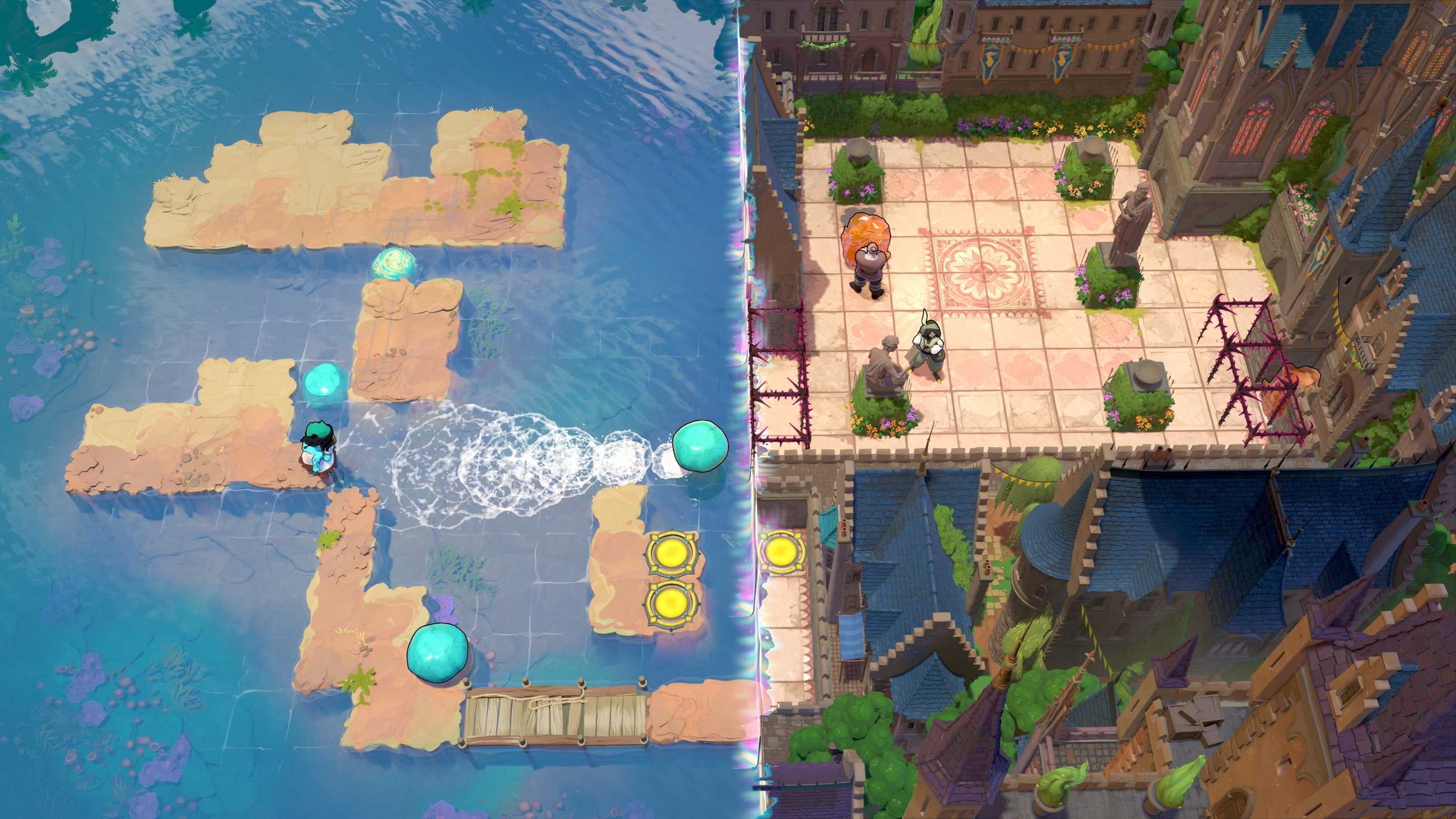
On one hand, the game represents an unassailable technical and intellectual achievement. For hardcore puzzle enthusiasts, it is an awe-inspiring monument to spatial logic, offering a multi-year gauntlet that rewards patience, lateral thinking, and deep intellectual curiosity. It stands as proof that the Sokoban format still holds infinite room for innovation.
On the other hand, it forces a reckoning with "designer-as-auteur" culture. When a game’s foundational metaphor relies so heavily on ideas of shared genius, community, and mutual respect, the real-world friction between the creators involved cannot be easily swept under the rug. Players are left to grapple with a fractured sense of trust—not only within the micro-interactions of the puzzles themselves (where a single misplaced step 30 minutes prior can quietly ruin a playthrough) but within the macro-narrative of how the game came to be.
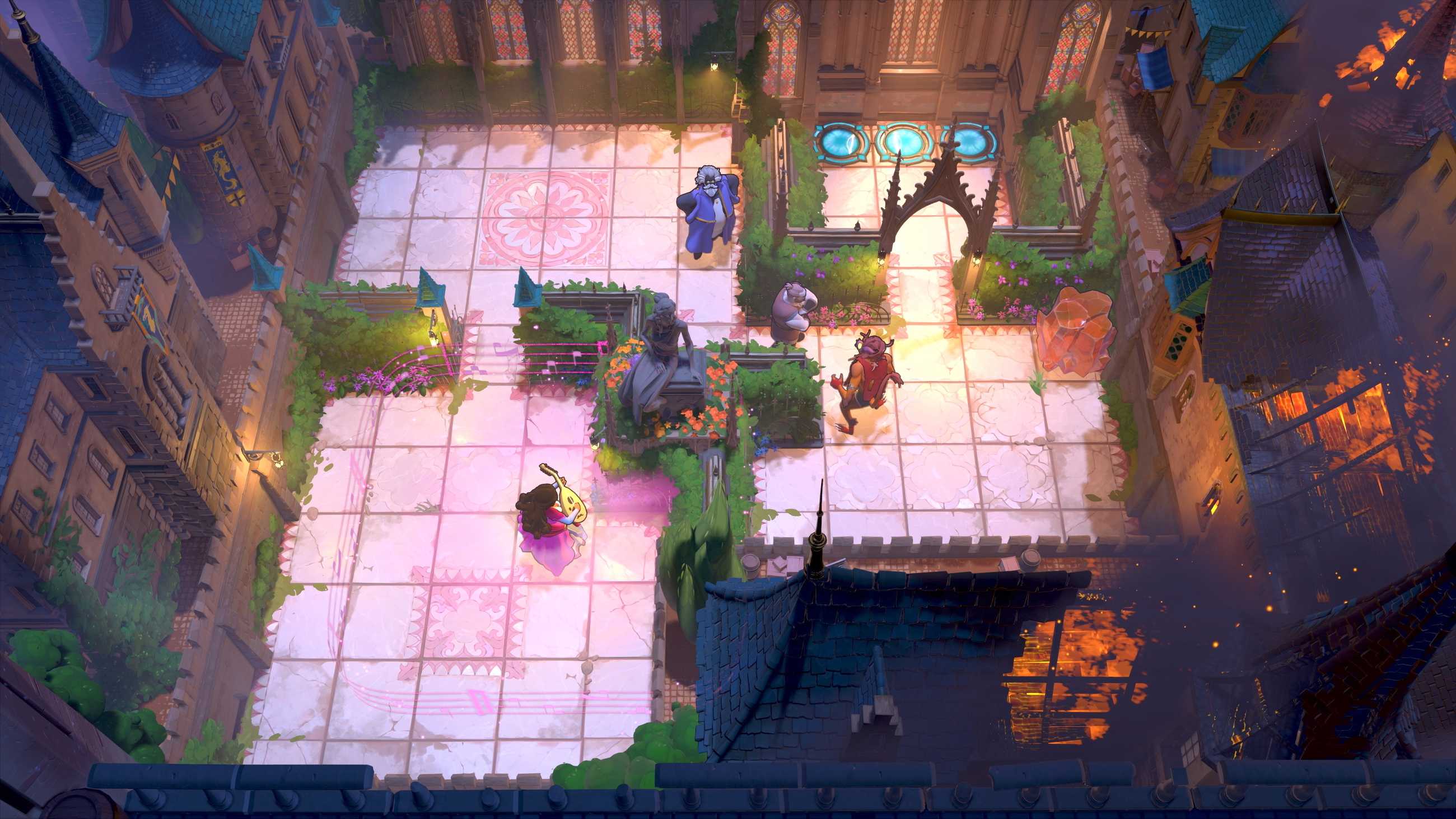
Ultimately, Order of the Sinking Star is a game that demands to be interrogated as fiercely as it interrogates the player. It refuses to settle for simple praise or easy dismissal. Whether it will be remembered as a transcendental masterwork of endurance or an over-extended exercise in exhaustion depends entirely on how much mental—and ethical—stamina its audience is willing to expend.
 Nila Kartika Wati
 Reynand Wu
 Laily UPN
