

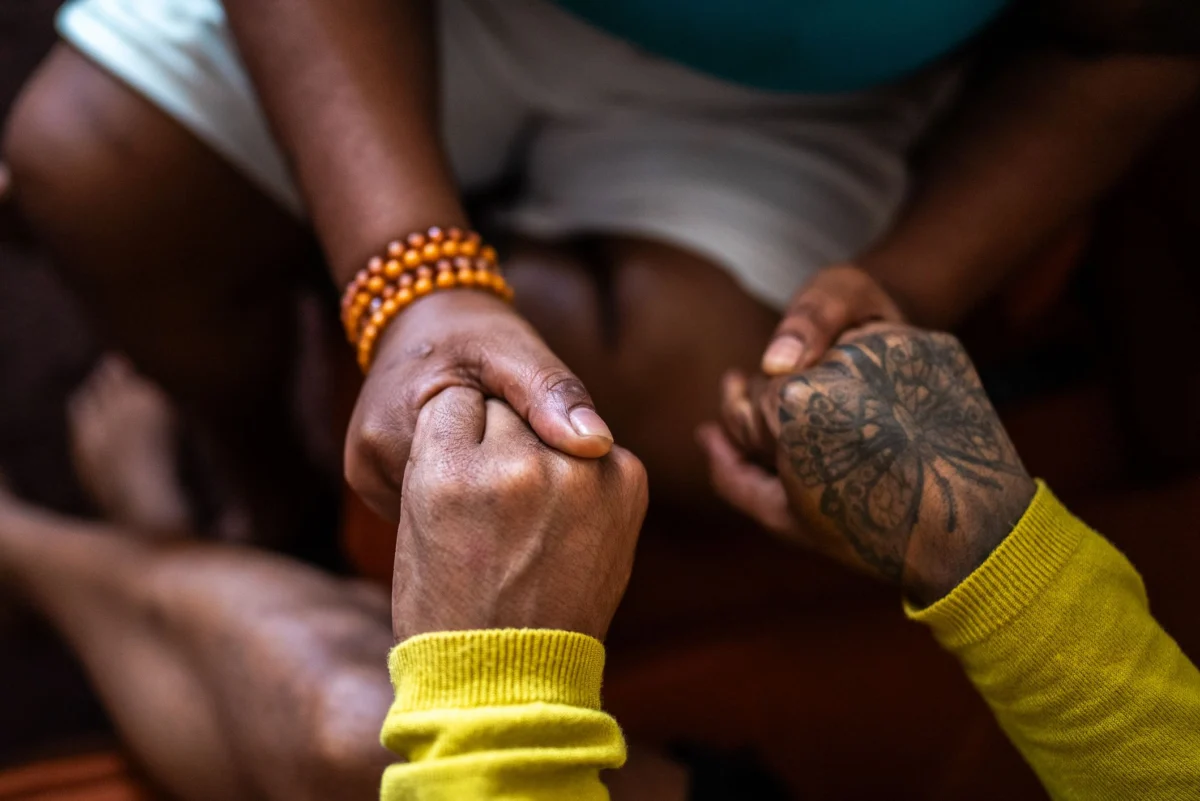
When exploring the landscape of breast health for Black women in the United States, statistical data often paints a grim picture. According to the National Breast Cancer Foundation, Black women are diagnosed with breast cancer at a younger median age—60 compared to 62 for white women—and face a mortality rate 38% higher than their white peers. They endure the lowest survival rates across every known stage of the disease. Furthermore, roughly one in five Black women diagnosed with breast cancer faces triple-negative breast cancer (TNBC), an aggressive, hard-to-treat form of the disease that disproportionately impacts women of color.
Yet, these figures tell only part of the story. They cannot capture the quiet courage of 3 a.m. phone calls, celebratory head-shaving parties, intensive therapy sessions that unlock generational trauma, or the profound moment a mother looks into her child’s eyes and decides that survival is her only option. Black women have always transcended being mere data points. Nowhere is this more evident than in the resilience, healing, and community-building of those who have confronted breast cancer head-on.
Main Facts: The Reality of Breast Cancer in Black Communities
The medical disparities surrounding Black women and breast cancer are well-documented, yet systemic barriers continue to impede equitable care.

- Disproportionate Diagnoses: Black women are more frequently diagnosed with aggressive breast cancer subtypes, such as triple-negative breast cancer, which lacks the three common receptors (estrogen, progesterone, and HER2) targeted by standard hormone therapies.
- Age and Stage Disparities: Clinical guidelines historically recommended initial mammogram screenings at age 40 or 50, missing younger patients. However, Black women experience higher incidence rates before age 40, frequently leading to delayed diagnoses when tumors are more advanced.
- The Advocacy Imperative: Many patients report being dismissed by medical professionals who attribute early symptoms, such as lumps or breast pain, to dense breast tissue, cysts, or normal postpartum changes—a phenomenon compounded by implicit bias within healthcare systems.
Despite these hurdles, a growing movement of survivors is rewriting the narrative, shifting the paradigm from passive patients to active architects of their own health outcomes.
Chronology: A Spectrum of Diagnoses and Triumphs
The personal journeys of thirteen Black women highlight the diverse ways breast cancer enters a life—and how it is met with unyielding resolve.
1. Monique Bass (53): Pushing Past Dismissal
Monique Bass discovered a lump at 47 through a self-exam. Despite three clean tissue biopsies over three years, she trusted her body and insisted on a lumpectomy. Diagnosed with stage 1 invasive ductal carcinoma during the 2020 pandemic while navigating a divorce, Bass endured chemotherapy and radiation. Today, she channels her survival into What’s Behind the Bra?, a New Jersey nonprofit offering comfort care packages and a weekly support podcast.

2. Jaqueline Beale (64): Finding Humor in the Hardest Places
Diagnosed with stage 1 breast cancer at 40—continuing a family history of the disease—Beale leaned into humor. Whether joking about a blunt radiologist hailing a cab or laughing through post-chemo sickness in elevators with her sister, Beale surrounded herself with laughter as a vital coping mechanism.
3. Annita White (51): From Overwhelmed to "Dr. Nita"
Five months late for her mammogram due to the demands of being a single mother and PhD student, Annita White was diagnosed with a fast-growing mass. After enduring grueling chemotherapy and surgical loss of her hair and breasts, White focused on her faith. Three years post-treatment, she is cancer-free, holds her doctorate, and serves as a survivor network member for the African American Breast Cancer Alliance.
4. Marylande Regis (38): Challenging the "Clogged Duct" Dismissal
As a registered nurse and mother of three, Marylande Regis found a lump shortly after breastfeeding her youngest child. Telehealth providers initially dismissed it as a clogged milk duct due to her youth. She persisted, securing a diagnosis of aggressive stage 2B BRCA1-positive breast cancer at 36. Following a bilateral mastectomy, chemotherapy, radiation, and a hysterectomy, Regis now focuses on raising her children, including a son with autism.
.jpg)
5. Judy Fambrough-Billingsley (75): Drawing on Civil Rights Resilience
An active athlete and German-American immigrant who walked three miles daily, Judy Fambrough-Billingsley initially ignored growing lumps due to a prior clean mammogram. When diagnosed, she drew strength from her upbringing as a Civil Rights activist and NAACP Youth Council president, viewing her medical battle as a continuation of a lifelong fight against non-inclusive systems.
6. Taylor Johnson (30): Guarding Her Peace for Her Daughter
Denied a mammogram at age 29 because she was "too young," content creator Taylor Johnson pushed for a biopsy, revealing stage 2 triple-negative breast cancer. Amid chemotherapy and surgery, her primary concern was maintaining emotional stability for her five-year-old daughter, ultimately realizing that emotional resilience is just as powerful as physical endurance.
7. Jessica Ncube (41): Reconciling Resilience with Softness
A clinical social worker accustomed to caring for others, Jessica Ncube received a silent diagnosis via routine mammogram. After a lumpectomy with unclear margins, she opted for a double mastectomy. Ncube had to unlearn the ingrained expectation of unbreakable Black resilience, learning instead to embrace softness, rest, and emotional vulnerability.

8. Ameiko Newman (40): Finding Purpose Through Adversity
Rushed to the hospital for abdominal pain, Ameiko Newman received an unexpected breast cancer diagnosis. Now undergoing weekly chemo and immunotherapy, Newman transformed her life by founding Graceful and Glow, creating stylish headscarves and chemo headwear specifically designed with Black women in mind.
9. Charlotte Connor (38): Choosing Radical Optimism
Diagnosed with stage 2A ductal carcinoma at 30 after initial medical skepticism following a breast augmentation, Connor consciously chose radical optimism. While battling chemo-induced illness, she kept her focus fixed on the future—planning celebratory meals and modeling resilience for her young daughter.
10. Donna Culmer (73): A Military Veteran’s Stand
Serving in the Navy as a military instructor in 1999, Donna Culmer was diagnosed with stage 1 cancer following follow-up imaging for a benign fibrocystic lump. Supported by her military community and church, she navigated months of chemotherapy and a mastectomy, later advising younger generations to remain calm and ask detailed questions.

11. Patricia Fox (38): Unlearning the Taboo of Therapy
Told at age 26 that a sudden breast lump was likely a cyst due to her dense tissue and youth, Patricia Fox advocated for a biopsy, revealing estrogen receptor-positive stage 2A cancer. Facing a psychological breaking point, Fox turned to therapy, later making it her mission to destigmatize mental health care within the Black community.
12. Annette Colden (63): Honoring a Sister’s Memory
After losing her sister to breast cancer, Annette Colden promised to maintain rigorous screenings. When doctors dismissed an early spot as "lumpy breasts," Colden’s intuition prompted further investigation, leading to a stage 0 diagnosis at 42. Today, she provides 3M-style support, mentoring women through Roswell Park Comprehensive Cancer Center.
13. Ricki Fairley (69): Quitting Her Life to Save Others
Diagnosed with aggressive stage 3A TNBC while traveling for work at age 55, Ricki Fairley overhauled her entire life—quitting her job, ending her marriage, and selling her home to prioritize her peace. After beating a subsequent metastatic recurrence, she co-founded The Black Breast Cancer Alliance, dedicating her life to dismantling systemic mortality disparities.

Supporting Data: Quantitative Realities
To contextualize these individual narratives, public health metrics underscore the urgency of specialized care and early screening interventions:
- Mortality Disparities: The American Cancer Society reports that Black women have a 38% higher breast cancer death rate compared to white women, despite lower overall incidence rates.
- Subtype Vulnerability: Black women are twice as likely to be diagnosed with triple-negative breast cancer compared to white women, which carries a higher risk of recurrence and metastasis.
- Screening Gaps: Studies indicate that Black women face systemic delays in receiving follow-up diagnostic imaging after an abnormal mammogram, which directly impacts stage-at-diagnosis metrics.
Official Responses and Medical Insights
Oncologists, public health advocates, and advocacy organizations are actively responding to these persistent disparities through targeted policy and clinical reforms.
Medical institutions are increasingly adopting updated American College of Radiology guidelines, which recommend that women—particularly Black women and those with dense breast tissue—begin annual risk assessments by age 25 and routine mammography screening at age 40. Furthermore, healthcare systems are deploying patient navigators to help women of color seamlessly transition from routine screenings to diagnostic biopsies without falling through institutional cracks.

Nonprofit initiatives, such as those led by Ricki Fairley’s Touch, The Black Breast Cancer Alliance and Monique Bass’s What’s Behind the Bra?, bridge the gap between clinical care and emotional support, ensuring patients receive culturally competent resources, mental health counseling, and community advocacy.
Implications: The Path Forward for Black Women’s Health
The experiences of these thirteen women offer a powerful blueprint for the future of breast health equity. By rejecting medical gaslighting, trusting their intuition, demanding second opinions, and integrating mental health support into oncology care, these survivors demonstrate that advocacy saves lives.
Ultimately, the narrative surrounding Black women and breast cancer is shifting away from inevitability and toward empowerment. As these women prove, while statistics may measure disease, they cannot measure the indomitable spirit of those who refuse to be defined by a diagnosis. Through community, early detection, and uncompromising self-advocacy, a new generation of Black women is transforming survival into a legacy of hope.
 Suro Senen
 Azzam Bilal Chamdy
 Nana
Nana
