

By Tasha Robinson
Published September 27, 2026
Main Facts
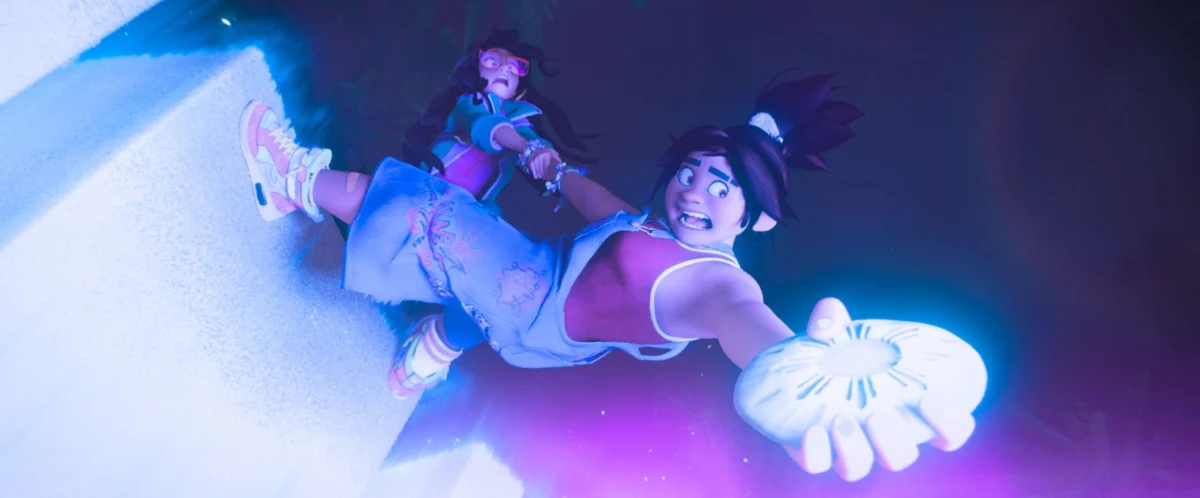
In DreamWorks Animation’s latest cinematic venture, Forgotten Island, teenage protagonists Jo and Raissa navigate the turbulent waters of growing up, changing dynamics, and impending separation. Throughout their journey, the two characters repeatedly lean on a singular Tagalog phrase: "Tayo na!"
Directed by Joel Crawford and Januel P. Mercado, the film notably resists the urge to explicitly translate or over-explain Filipino cultural touchstones for mainstream audiences. Instead, the directors trust viewers to absorb the contextual nuances of the language.
However, Forgotten Island takes the versatility of the Tagalog phrase and expands it. Depending on the delivery, tone, and context, "Tayo na!" can mean "Let’s go!", "You and me!", or "Get up!". In the film, it serves as an emotional anchor—acting simultaneously as a call to adventure, a shield against fear, and an unyielding promise between two childhood best friends facing a crossroads.

Chronology
The development and execution of Forgotten Island reflect a deliberate push toward cultural authenticity in major studio animation, culminating in its theatrical release in September 2026.
- Pre-Production and Writing: Directors Joel Crawford and Januel P. Mercado, alongside their creative team, wove Filipino cultural elements into the script. Rather than utilizing exposition-heavy dialogue to explain terms, they integrated naturalistic phrases like "Tayo na!" directly into the emotional core of the narrative.
- Voice Casting: Actresses Liza Soberano (voiced as Raissa) and Grammy-winning singer-songwriter H.E.R. (voiced as Jo) were brought on to helm the lead roles, lending not only their vocal talents but also their authentic Filipino heritage to the characters.
- Recording Sessions: Working closely together, Soberano and H.E.R. infused their real-life cultural backgrounds into their performances. They collaborated on subtle script nuances, including improvised jokes such as Jo mocking a bully’s vehicle as a "cheapney"—a nod to Manila’s iconic mass-transit jeepneys.
- September 27, 2026: Forgotten Island officially debuts in theaters worldwide, sparking widespread discussion online among Tagalog speakers and cultural commentators regarding the multi-layered usage of its central catchphrase.
Supporting Data & Linguistic Nuance
The phrase "Tayo na!" occupies a fascinating space in conversational Tagalog. Online linguistic breakdowns and cultural discussions—highlighted across platforms like YouTube and Instagram following the film’s release—demonstrate its varied colloquial applications:
- Literal and Grammatical Roots: While structurally simple, its meaning shifts based on inflection. As noted by voice actress Liza Soberano, it can function formally as "Let’s go," but carries a deeper, communal weight.
- Contextual Interpretations:
- Parental/Urgent: Used to rush someone (e.g., a mother hurrying her child to school, as recalled by H.E.R.).
- Relational/Inclusive: Conveying the sentiment, "I’m not doing this without you."
- Coercive/Commitment: Operating as an unbreakable mutual pact.
In Forgotten Island, this linguistic flexibility mirrors the plot’s emotional stakes. When Raissa prepares to leave the country for college—leaving Jo feeling isolated and anxious about the future—the opening of a portal to the mythical island of Nakali forces both girls to make a choice. Nakali is a place they spent their childhood hunting down, fueled by stories from Jo’s grandmother. Yet, when faced with the reality of the unknown, Raissa hesitates.
It is precisely at this moment that Jo deploys "Tayo na!" It functions in the narrative much like cinematic codes seen in other media—such as "Oklahoma" in Ted Lasso or "Grapefruit" in the horror film Bring Her Back—where agreed-upon phrases demand absolute truth, action, and commitment over comfortable avoidance.

Official Responses and Creative Insights
The emotional weight of Forgotten Island rests heavily on the chemistry between its lead voice actors. Both Liza Soberano and H.E.R. have emphasized how deeply their own upbringings influenced their interpretation of the script.
H.E.R. noted the personal familiarity of the phrase in everyday family settings:
"We grew up saying that. I think about my mom [saying it while] rushing me in the morning to get to school. But for us, it became like, our phrase. To say like, ‘Hey, come on, you. You’ve gotta join me. Let’s go.’"
She further elaborated on how the phrase translates dynamically within the film’s narrative stakes:
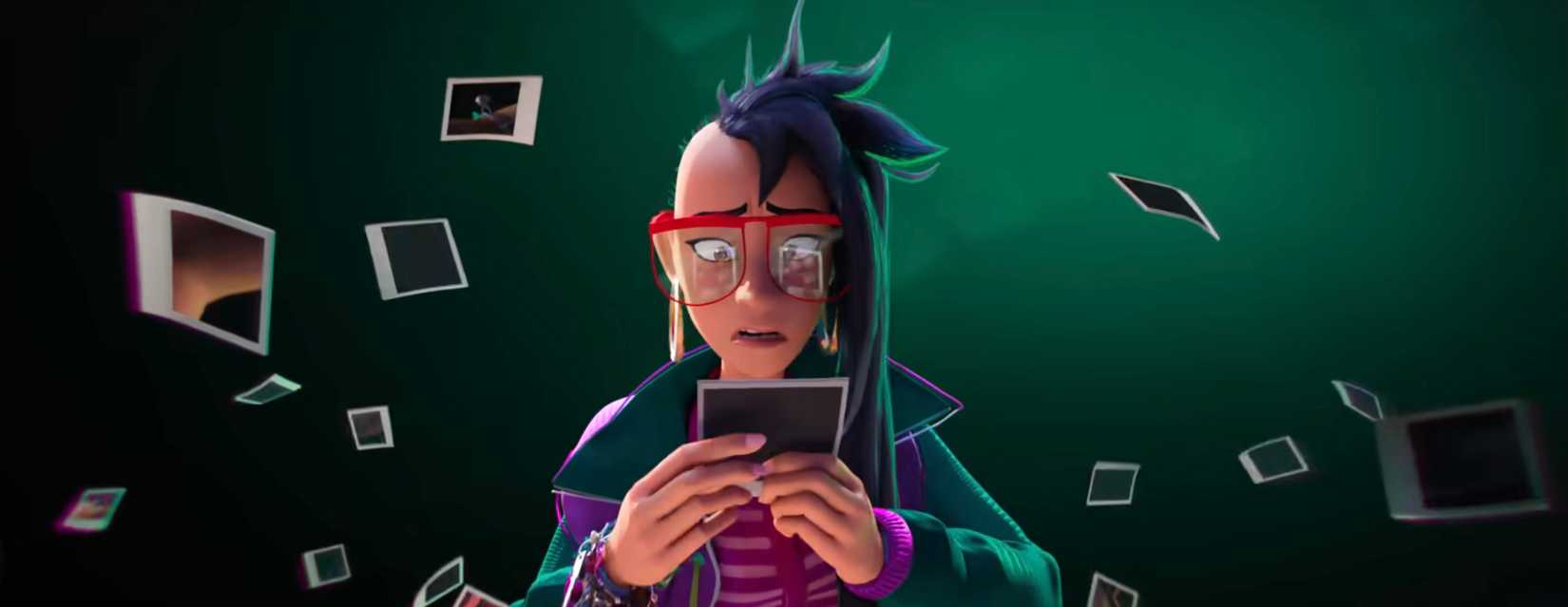
"Once I say ‘tayo na,’ she knows I’m serious. You can’t back down from a ‘tayo na.’ It’s almost like an initiation. Like ‘If I say tayo na, you can’t say no.’ It’s our promise with each other."
Liza Soberano added perspective on the deeper emotional resonance embedded in her character’s interpretation:
"I grew up hearing my grandma say it a lot. It’s actually a very formal way of saying ‘Let’s go.’ ‘Tayo na,’ more than anything, means ‘I’m not doing this without you.’ We both kind of treat it that way. It’s our safe word that we have for each other. You know it’s serious, you know it’s game time when we say this. You don’t have a choice. It’s like the best-friend card."
Beyond mastering the linguistic nuances, the actors praised the production environment for allowing them to contribute organically to the dialogue. H.E.R. expressed immense pride in introducing the "cheapney" joke, celebrating how the recording booth transformed into a culturally resonant space:
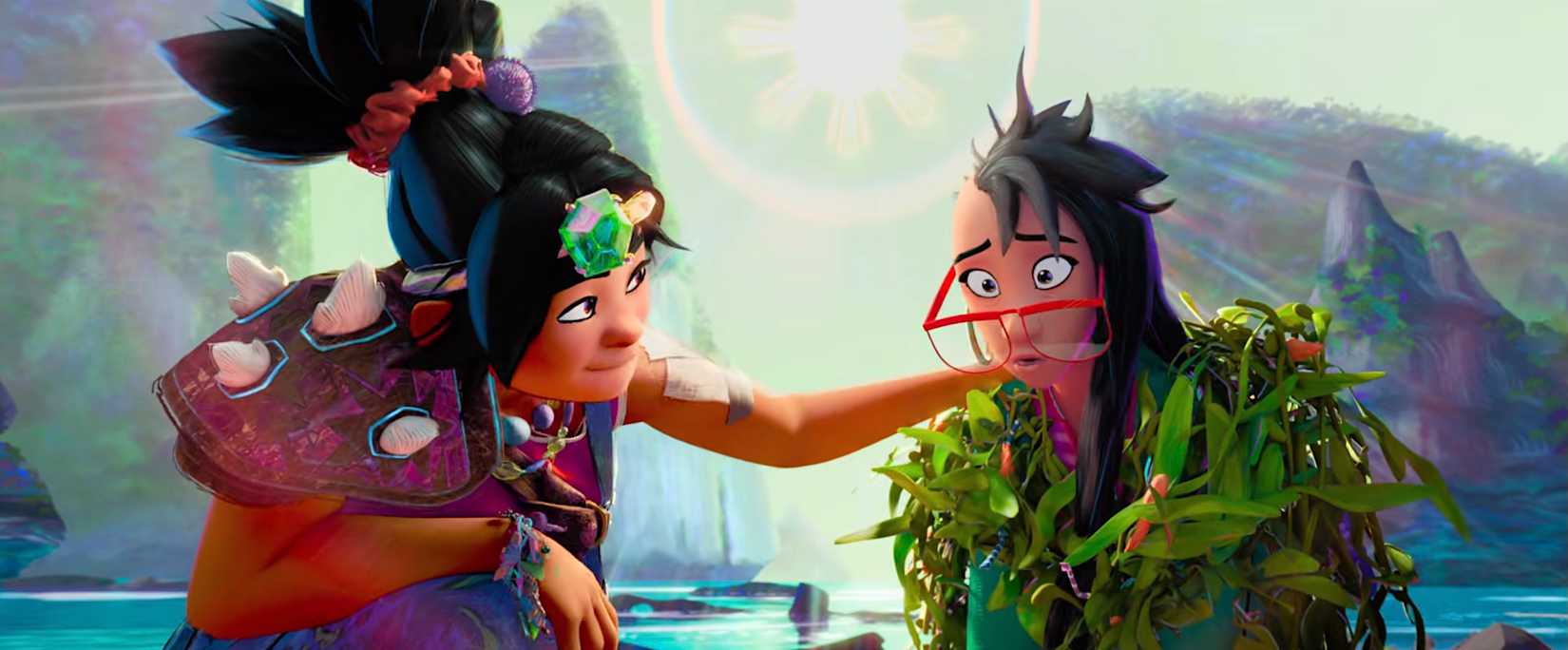
"It was so much fun. I just loved how much we were able to be so ourselves. Even though we might have been nervous at times, or shy, or whatever, it just was so organic, especially because we’re both Filipino. We’ve been talking so much about how when you meet another Filipino, immediately you’re like family. […] You relate to each other, and it’s like a safe space. We experienced that recording together."
Implications
The cultural reception of Forgotten Island points to a growing appetite for authentic, uncompromised representation in mainstream animation. By refusing to spoon-feed foreign linguistic concepts to its audience, DreamWorks and directors Joel Crawford and Januel P. Mercado have established a precedent for trusting viewers to engage with global cultures on their own terms.
Furthermore, by weaponizing a simple everyday phrase like "Tayo na!" into a narrative device that explores fear, transition, and the unbreakable bonds of youth, the film elevates a linguistic nuance into a universal cinematic trope. For Filipino viewers, it offers a rare and validating reflection of lived experience on the silver screen; for global audiences, it redefines how friendship and mutual accountability can be communicated through the power of language.
Forgotten Island is playing in theaters nationwide now.
 Basiran
 Nana Muazin
 Layla Zulfa
