


By Oli Welsh
Published September 27, 2026
Did you know that, if you own a PlayStation 5, you cannot play Grand Theft Auto 4?
It is a staggering realization for a medium that prides itself on technological progress. Grand Theft Auto, one of the most culturally seismic and commercially dominant entertainment franchises in human history, is suffering from a massive preservation crisis. While the gaming industry as a whole has made monumental strides toward solving the issue of backward compatibility in recent console generations, its most prominent titan remains curiously indifferent to its own history.
When measured against other elite tier-one developers—studios like Nintendo, Bethesda, or Blizzard that aggressively curate and maintain their back catalogs—Rockstar Games’ handling of its foundational titles borders on negligence. For a franchise boasting 16 distinct entries (soon to be 17 with the impending arrival of Grand Theft Auto 6), an astonishing 11 are entirely inaccessible on the current generation of PlayStation hardware, the very ecosystem most inextricably linked to the series’ rise to global dominance.
Main Facts: The Missing Grand Theft Auto Library
The sheer scope of inaccessible software under the Rockstar Games umbrella is alarming. If a modern player fires up a current-generation Sony console, they are locked out of a vast swath of gaming heritage.

Nor can you play the original Grand Theft Auto and its expansions, GTA 2, or the beloved PSP-era spin-offs Liberty City Stories and Vice City Stories. The critically acclaimed Grand Theft Auto 4 expansions—The Lost and Damned and The Ballad of Gay Tony—are similarly missing in action. Portable experiments like Grand Theft Auto Advance and the inventive Nintendo DS exclusive Chinatown Wars have vanished into the ether of obsolete hardware.
The divide across platforms further highlights the fractured nature of Rockstar’s catalog management:
- PlayStation 5: Severely restricted. Aside from GTA 5, GTA Online, and the controversial The Trilogy — The Definitive Edition, the platform is a ghost town for classic GTA content.
- Xbox Series X/S & PC: Marginally better, primarily due to Microsoft’s aggressive, industry-leading backward-compatibility engineering, which keeps GTA 4 and its expansions playable on modern Xbox consoles.
- Mobile & Handhelds: A chaotic patchwork where random titles like Liberty City Stories pop up on iOS and Android while major console titles remain stranded.
The original 2D isometric games that birthed the phenomenon are completely unavailable natively. To experience them today, enthusiasts must resort to digging up vintage physical media to run on aging hardware, or tracking down abandonware PC copies and patching them together using fragile, community-driven mods.
Chronology: From Prolific Outprints to Monumental Spans
To understand how Rockstar arrived at this cultural blind spot, one must examine the dramatic metamorphosis of the studio’s development cadence over the last three decades.
The Golden Era of Proliferation (1997–2009)
In the 2000s and well into the 2010s, Rockstar operated with an entirely different business philosophy. Driven by a multi-studio infrastructure, the company flooded the market, showing little hesitation in capitalizing on the franchise’s explosive popularity through a relentless stream of releases.

Consider the timeline: of the first 16 releases in the series, a staggering 14 landed within the franchise’s first 12 years of existence. Grand Theft Auto III (2001) revolutionized 3D game design; Vice City (2002) captured a neon-soaked cultural zeitgeist; San Andreas (2004) expanded the sandbox paradigm to unprecedented scales. During this epoch, top-tier spin-offs, handheld adaptations, and full numbered sequels arrived every year or two.
The Era of Monolithic Scarcity (2013–2026)
In the 17 years since the release of Grand Theft Auto 4 and its subsequent DLCs, the franchise has received only two major numbered entries: Grand Theft Auto 5 in 2013 and the upcoming GTA 6.
This dramatic deceleration is only partially explained by the skyrocketing costs, development timelines, and technical complexities of modern high-definition game design. A series of fundamental shifts occurred within Rockstar:
- The Monolith Transition: Rockstar evolved from a decentralized network of studios working on multiple parallel projects into a massive, unified global monolith dedicating thousands of developers to single, titanic releases.
- The Red Dead Pivot: Resources were heavily funneled into historical epics like Red Dead Redemption 2, which redefined narrative fidelity in open-world gaming.
- The GTA Online Phenomenon: The unexpected, multi-billion-dollar longevity of GTA Online fundamentally altered corporate priorities, turning a single mode into a perpetual live-service revenue engine.
Supporting Data: How Rockstar Compares to Industry Peers
Rockstar’s laissez-faire attitude toward its legacy catalog stands in stark contrast to how other industry giants treat their crown jewels. Preservation is routinely viewed by top-tier publishers not just as an artistic duty, but as a reliable secondary revenue stream and a vital tool for brand cultivation.
| Franchise | Total Mainline Titles | Unavailable on Current-Gen Flagship (PS5 / Switch 2) | Preservation Strategy |
|---|---|---|---|
| The Legend of Zelda | 21 | 6 (5 due to unique dual-screen hardware limitations) | Nintendo actively curates its back catalog via subscription tiers, remasters, and ports. |
| Final Fantasy | 16 (spanning 36 years) | 2 (One of which is a 24-year-old active MMO) | Square Enix systematically ports and remasters classic entries across nearly all modern platforms. |
| Grand Theft Auto | 16 (soon to be 17) | 11 | Major gaps; reliance on outsourced remasters with historically rocky rollouts. |
The comparative data underscores an uncomfortable truth: Rockstar is an outlier among AAA creators. While Bethesda invested heavily in lavishing modern audiences with sweeping remakes (such as the extensive modernization of The Elder Scrolls IV: Oblivion), Rockstar’s single major attempt at revisiting its past—2021’s Grand Theft Auto: The Trilogy — The Definitive Edition—was outsourced to Grove Street Games and launched in a state of severe technical degradation and artistic inconsistency.
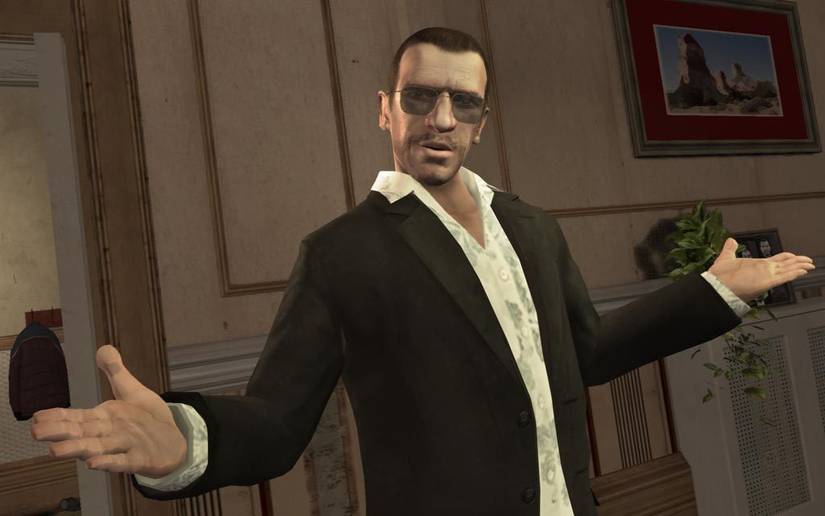
The botched launch and subsequent patch cycles revealed a jarring reality: Rockstar appeared genuinely surprised by the intense backlash, briefly pulling back the curtain to expose an underlying apathy toward its foundational works.
Official Responses and Industry Context
Rockstar Games has historically maintained a notoriously insular corporate culture, rarely offering deep public justifications for its catalog management strategies. Company executives have consistently deflected inquiries regarding older ports, choosing instead to focus their public relations engine entirely on future tentpole releases like Grand Theft Auto 6.
However, industry analysts point to a deeper psychological shift within the company. In its early days, Rockstar wore its counter-cultural, anarchic identity on its sleeve, treating GTA like an ever-present, high-velocity pop-culture brand akin to Call of Duty or EA Sports.
Today, Rockstar views itself differently. Much like Bethesda with The Elder Scrolls, the company now views GTA through the lens of high-art event cinema—products defined by extreme scarcity, massive scale, and cinematic prestige.
Implications: Why Ignoring the Past Hurts the Future
This strategic pivot toward elite scarcity carries dangerous implications for the medium. By effectively sweeping its mid-tier titles, handheld experiments, and early 3D iterations under the rug, Rockstar is signaling an unspoken embarrassment regarding its own evolution.
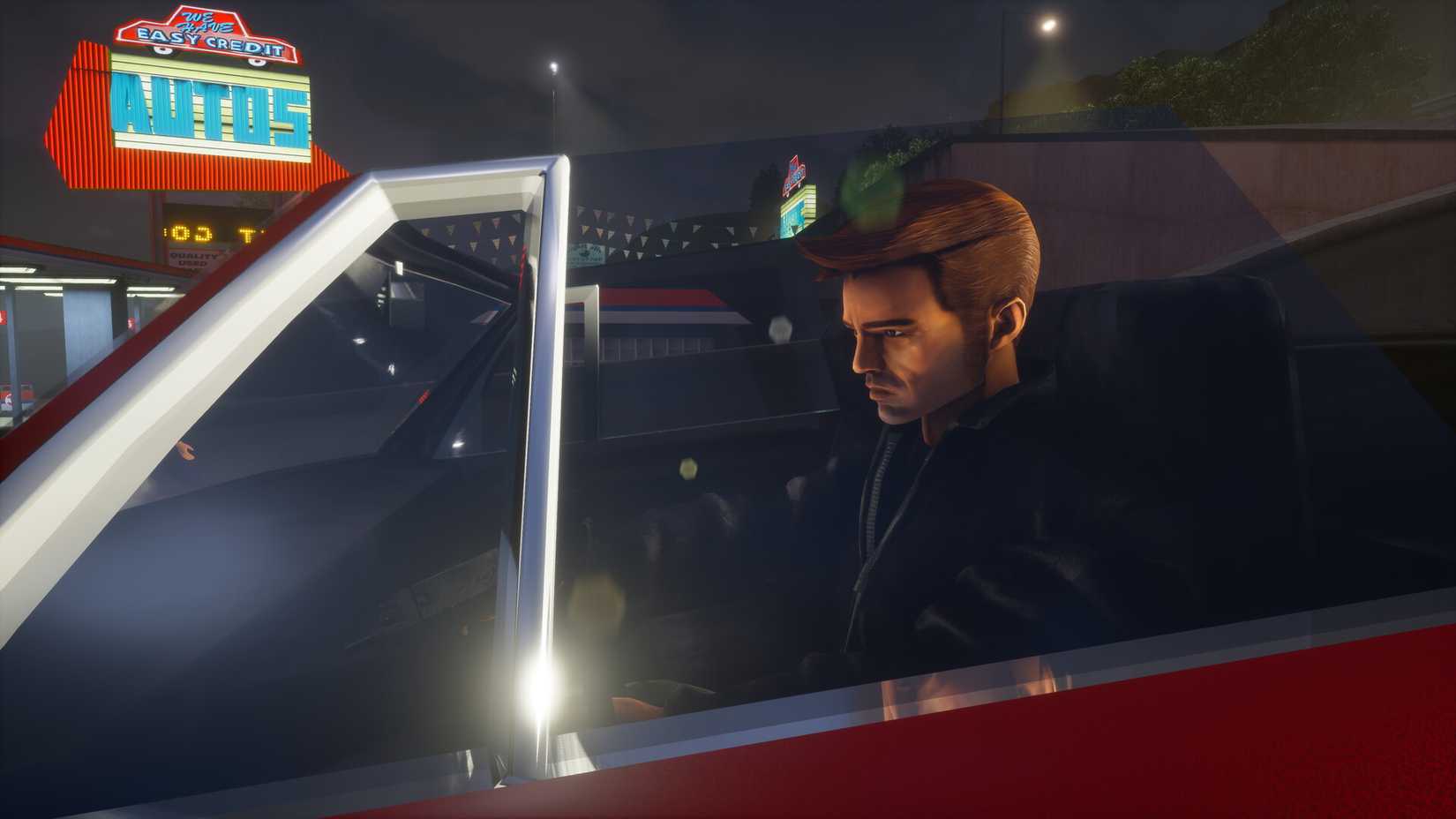
Games like GTA 2 or Vice City Stories may lack the billion-dollar photorealism of modern hardware standards, but they are essential stepping stones in the developmental DNA of interactive entertainment. They represent creative risks, design eccentricities, and historical context that fans are eager to study, celebrate, and recontextualize.
Consider Nintendo’s handling of Zelda II: The Adventure of Link—an eccentric, black-sheep side-scroller that many purists initially dismissed. By keeping the game readily accessible, Nintendo allowed generations of players to understand the full developmental arc of the franchise, deepening consumer loyalty and enriching the cultural tapestry of the series.
Fans love to reclaim forgotten masterpieces, champion quirky misfires, and understand the historical lineage of the worlds they inhabit. By locking away 11 out of 16 titles, Rockstar is starving its own community of vital historical context.
A Win-Win Proposition
The solution is remarkably straightforward. The ongoing technological evolution of PC architecture, coupled with cloud streaming and robust emulation standards, makes the distribution of legacy software easier than ever before.
Keeping game history alive requires deliberate cultivation. Studios at the very top of the food chain carry a profound cultural responsibility to tend to their own digital gardens. But beyond artistic stewardship, it is a sound commercial strategy. Release the games, Rockstar. Give the audience access to the archives. It remains a definitive win-win.
 Basiran
 Suro Senen
