

By Tomas Franzese
Published: October 10, 2026
Main Facts
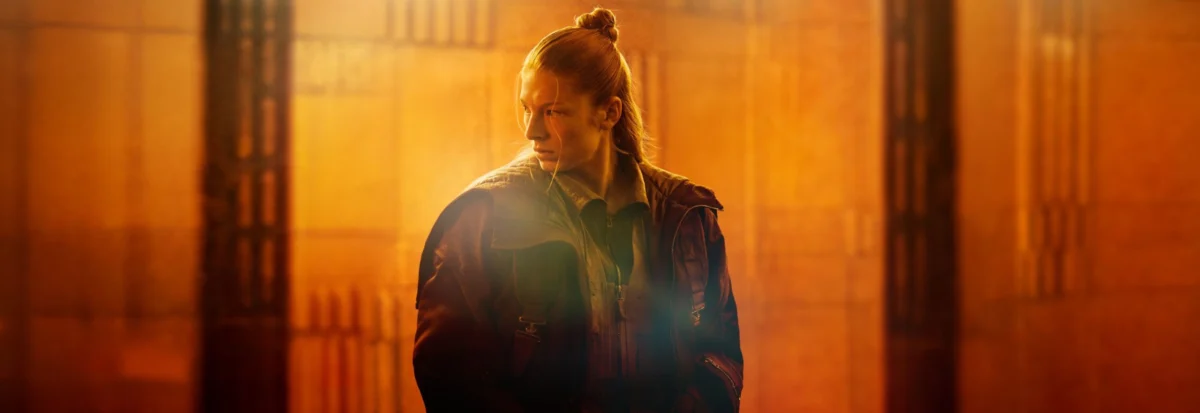
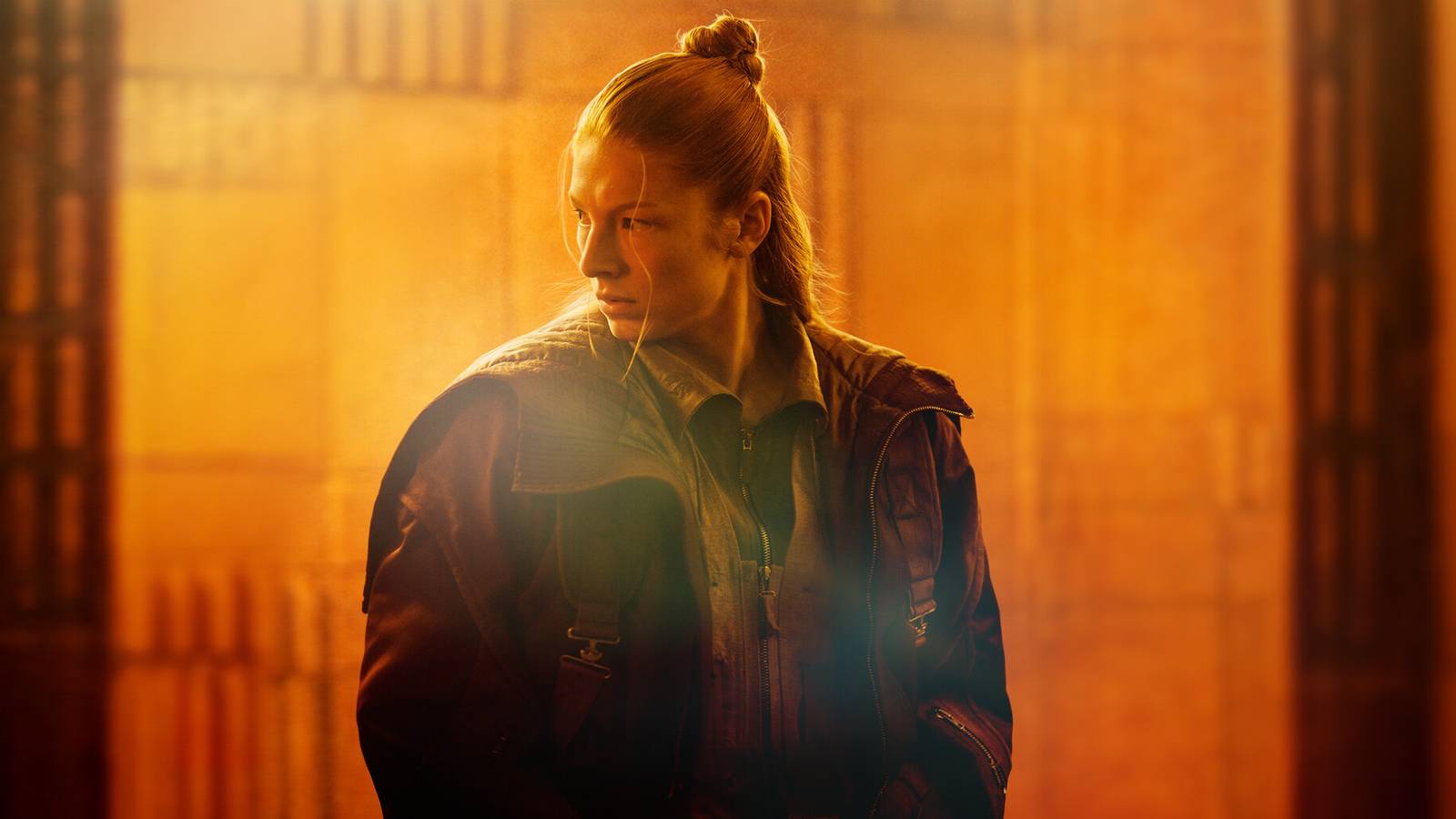
At the highly anticipated New York Comic Con (NYCC) panel, Amazon MGM Studios and Prime Video electrified science fiction fans by premiering a brand-new trailer and official poster for the upcoming prestige series Blade Runner 2099. Slated to make its global streaming debut next month, the series serves as the next major television chapter in one of cinema’s most revered cyberpunk universes.
The latest footage provides an extensive look at the series’ central narrative engine: a harrowing investigation into the disappearance of 38 synthetic humans, known as Replicants, over a single year. The trail throws together two vastly different figures: Cora, a fugitive on the run portrayed by Hunter Schafer, and Olwen, a near-death Replicant brought to life by Academy Award winner Michelle Yeoh.
Prime Video has confirmed that the complete eight-episode first season of Blade Runner 2099 will drop all at once on November 25, 2026. Alongside the trailer, the studio revealed a striking new key art poster featuring the chilling tagline: "Welcome to a future we no longer control." This ominous text underscores a massive sociological shift within the franchise’s continuity—by the year 2099, Los Angeles is no longer a human-dominated sprawl, but a neon-drenched cityscape increasingly populated and shaped by Replicants.
Chronology: The Evolution of a Cyberpunk Milestone
To fully grasp the magnitude of Blade Runner 2099, it is essential to trace the historical timeline of the intellectual property, which has redefined visual science fiction for over four decades:
- 1968: Philip K. Dick publishes his seminal dystopian novel Do Androids Dream of Electric Sheep?, setting the philosophical groundwork for themes of artificial intelligence, empathy, and what it truly means to be human.
- 1982: Director Ridley Scott releases the cinematic masterpiece Blade Runner, starring Harrison Ford as Rick Deckard and Rutger Hauer as Roy Batty. Though a modest box-office return initially, the film’s distinct neo-noir aesthetic and rainy, synth-scored dystopia transform it into a timeless cultural touchstone.
- 2017: Denis Villeneuve directs the critically acclaimed sequel Blade Runner 2049, starring Ryan Gosling and welcoming back Harrison Ford. The film expands the universe’s lore, exploring the collapse of ecosystems, new classes of subservient synthetic life, and the dawn of Replicant rebellion.
- September 2026: Showrunner Silka Luisa sits down with entertainment outlets to tease the thematic DNA of the upcoming television series, famously describing it as "Chinatown set in the world of Blade Runner."
- October 10, 2026: Prime Video hosts its marquee Blade Runner 2099 panel at New York Comic Con, debuting the explosive new trailer, detailing character arcs, and dropping the official theatrical poster.
- November 25, 2026: All eight episodes of Blade Runner 2099 are scheduled to premiere simultaneously on Prime Video worldwide.
Supporting Data & Production Insights
The production scale of Blade Runner 2099 matches the cinematic pedigree of its predecessors. Amazon MGM Studios has invested heavily to ensure the television adaptation maintains the tactile, practical-effects-heavy look and high-end visual fidelity expected by fans of Scott’s and Villeneuve’s work.
Key Production and Distribution Metrics:
- Release Date: November 25, 2026
- Platform: Prime Video (Global Exclusive)
- Season Length: 8 episodes (Released simultaneously)
- Format Status: Designed as a self-contained, complete story arc for its inaugural season.
- Leading Cast Members:
- Hunter Schafer as Cora (A hunted fugitive caught in a web of corporate and synthetic conspiracies)
- Michelle Yeoh as Olwen (A deteriorating Replicant nearing the end of her pre-programmed lifespan)
- Ecosystem Availability: Existing franchise entries—including Blade Runner: The Final Cut and Blade Runner 2049—are currently streaming on Prime Video to allow audiences to binge the foundational lore prior to the November premiere.
Official Responses and Creative Vision
The transition of Blade Runner from the silver screen to episodic television has been guided by meticulous creative choices. During the New York Comic Con presentation and preceding press junkets, the creative team emphasized that the series is not merely a nostalgia grab, but an expansion of the philosophical inquiries posed by Philip K. Dick.
Showrunner Silka Luisa elaborated on the stylistic approach in interviews leading up to the convention. By framing the series through a hard-boiled detective lens reminiscent of 1970s neo-noir classics, Blade Runner 2099 pivots away from sweeping galactic battles to focus on intimate, gritty investigative work.
"It’s really about Cora and Olwen investigating missing people, just like they do in the films," Luisa explained to press. The narrative forces these two starkly contrasting characters into an uneasy alliance. As they chase the breadcrumbs left behind by the 38 missing Replicants, they stumble upon a subversive criminal faction. This underground network of synthetics holds a radical ideology: they believe Replicants should shed their conditioning to mimic humanity and instead embrace their distinct, superior nature.
The casting chemistry between Hunter Schafer and Michelle Yeoh was a focal point of discussion during the NYCC panel. Industry insiders note that Schafer brings a frantic, visceral energy to Cora, a human or synthetic survivor fighting for agency in a decaying world, while Yeoh lends gravity and sorrow to Olwen, whose mortality clock is rapidly winding down.

Implications for the Sci-Fi Genre and Streaming Landscape
The arrival of Blade Runner 2099 marks a significant milestone for Prime Video’s science fiction slate. In an era where streaming services frequently rely on open-ended, multi-season formulas designed to stretch narratives indefinitely, Amazon’s backing of a closed, eight-episode "complete story" signals a refreshing commitment to narrative integrity.
1. Elevating Prestige Television Sci-Fi
With high-concept intellectual properties often suffering from "franchise fatigue," Blade Runner 2099 sidesteps fatigue by changing the medium entirely. Transitioning from a two-hour film format to an eight-hour television arc allows writers to slow down the pacing, diving deep into the sociological implications of a world where Replicants outnumber or out-influence humans.
2. Exploring Post-Humanism and AI Ethics
As real-world artificial intelligence advances at an unprecedented rate, the thematic relevance of the Blade Runner universe has never been sharper. The central conflict of the series—a faction of synthetics rejecting the mandate to "act human"—serves as a brilliant meta-commentary on identity, autonomy, and the ethics of creation. It forces viewers to question whether mimicking human traits is a form of liberation or a form of enslavement to human design.
3. A Complete, Self-Contained Narrative Arc
Showrunner Silka Luisa’s confirmation that the first season tells a complete, self-contained story offers reassurance to audiences weary of unresolved cliffhangers. While the door remains open for future expansions should the series achieve monumental viewership, viewers can look forward to a satisfying narrative resolution on November 25.
As the countdown to late November continues, fans can rewatch Blade Runner: The Final Cut and Blade Runner 2049 on Prime Video to prepare for a journey back into the rain-slicked, neon-lit alleys of a future we no longer control.
 Muslim
 Nana
Nana
 Evan Lee Salim
