

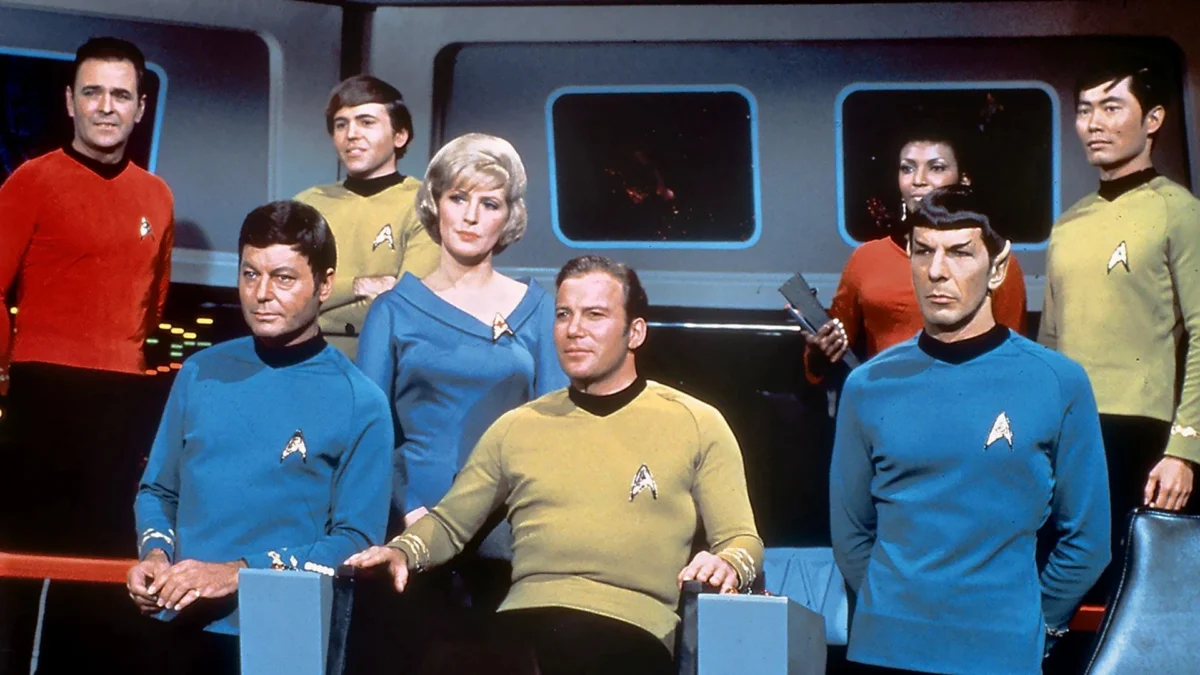
Nearly sixty years after its initial broadcast on NBC in September 1966, Gene Roddenberry’s Star Trek continues to occupy a towering position within the global cultural landscape. Ask ten different Trekkies to curate a list of the definitive episodes from The Original Series (TOS), and you will inevitably receive ten wildly divergent inventories.
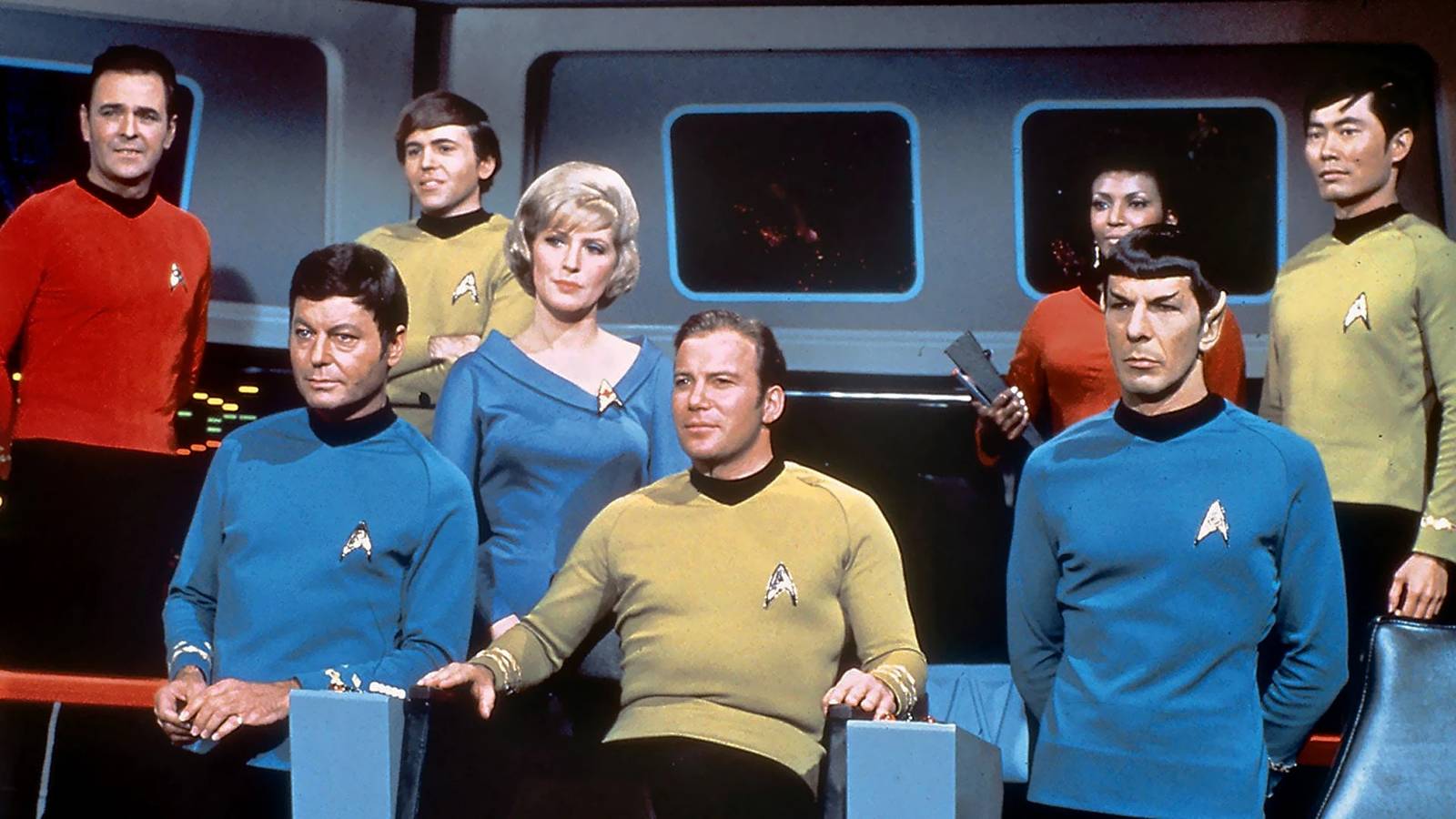
Some purists prioritize incisive political allegory, others focus on groundbreaking science-fiction conceptualization, and a steadfast faction will always argue—with considerable merit—that Harlan Ellison’s "The City on the Edge of Forever" occupies the undisputed top spot.

When Star Trek first arrived on television screens, it offered a stark contrast to the standard science-fiction fare of the mid-20th century. While contemporary programs relied primarily on pulp thrills, monster-of-the-week tropes, and rudimentary space combat, Roddenberry’s creation utilized the infinite canvas of deep space to interrogate terrestrial morality, systematic prejudice, philosophical ethics, and the perennial cost of maintaining human empathy.
Even as television production standards have evolved by leaps and bounds, the finest outings of the U.S.S. Enterprise retain their potency. They bridge ambitious speculative concepts with intimate, character-driven storytelling, cementing The Original Series as a foundational pillar of modern speculative fiction.
Chronology and Production Context: From the Rejection of Pike to the Golden Era
To understand the enduring brilliance of Star Trek, one must examine the rocky chronological evolution of its production. The franchise did not emerge fully formed; it was hammered out through network pushback, shifting casts, and unprecedented creative risks.
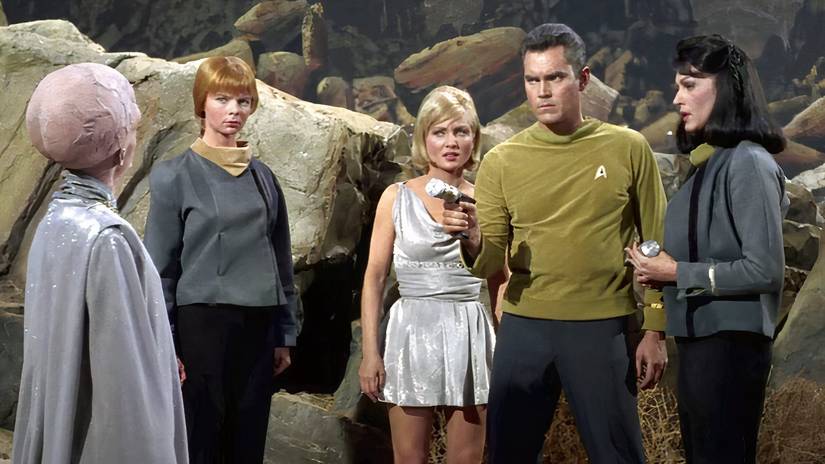
The Rejected Beginning (1964–1965)
The journey began with "The Cage," the original pilot featuring Jeffrey Hunter as Captain Christopher Pike. Network executives at NBC famously rejected the episode for being "too cerebral," slow-paced, and bogged down in heavy exposition. Yet, this unaired hour laid the genetic code for the entire franchise, establishing a universe that valued intellectual curiosity and ethical dilemmas over simple laser-tag shootouts.
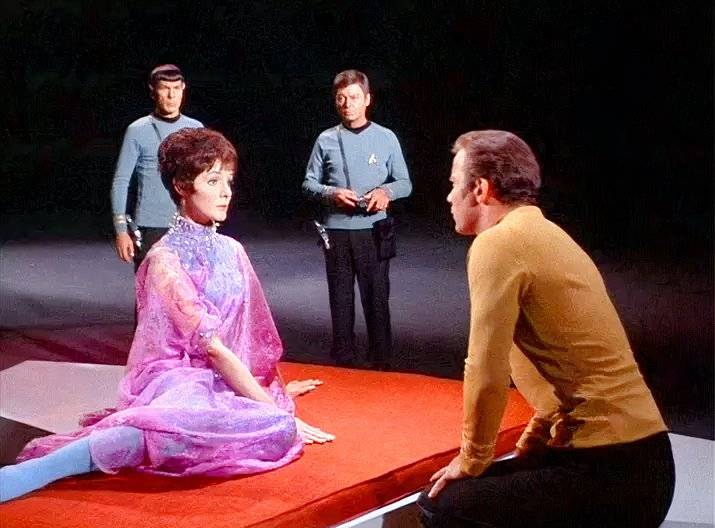
The Shatner Era Takes Flight (1966–1969)
Following the greenlight for a second pilot—which introduced William Shatner as Captain James T. Kirk, Leonard Nimoy as Spock, and DeForest Kelley as Dr. Leonard "Bones" McCoy—Star Trek settled into its iconic 79-episode run. Despite facing perpetual cancellation threats due to modest Nielsen ratings, the series cultivated a fiercely loyal fan base. This grassroots support eventually forced NBC to keep the show alive for three seasons, paving the way for the multi-billion-dollar multimedia empire we recognize today.
Supporting Data: The Anatomy of a Classic
While The Original Series operated on famously tight television budgets—often relying on painted backdrops, recycled monster suits, and cardboard rocks—its creative output punched far above its economic weight class.
- Total Episodes: 79 broadcast episodes, plus 2 pilots ("The Cage" and "Where No Man Has Gone Before").
- Key Creative Forces: Created by Gene Roddenberry; heavily shaped by writers such as D.C. Fontana, Gene L. Coon, and Harlan Ellison; iconic musical scores primarily composed by Alexander Courage, Gerald Fried, and George Duning.
- Cultural Legacy: Established tropes ranging from the Starfleet Prime Directive and transporter technology to the foundational dynamics of the human-Vulcan friendship.
Official Responses and Critical Reception
Over the decades, network executives, cultural historians, and the cast members themselves have reflected on the unexpected longevity of The Original Series.
In retrospective interviews, Leonard Nimoy frequently noted that portraying Spock required balancing stoic logic with a profound, underlying warmth—a dichotomy that resonated deeply with viewers who felt marginalized or emotionally reserved. Meanwhile, network brass at NBC, who spent the late 1960s viewing Star Trek as a marginal ratings performer, ultimately watched in astonishment as the series spawned the most lucrative syndication and feature-film lifecycle in television history.
Academics have similarly praised the show for its boundary-pushing production choices. By assembling a multi-ethnic bridge crew featuring an African American communications officer (Nichelle Nichols) and a Japanese American helmsman (George Takei) during the height of the American Civil Rights Movement and the Cold War, Star Trek offered an explicit, optimistic vision of a united humanity that transcended contemporary geopolitical divides.
Implications: Why These 10 Episodes Still Matter
The enduring relevance of these specific episodes lies in their refusal to rely solely on speculative window dressing. They use science fiction as a mirror to examine human flaws, institutional corruption, and personal sacrifice. Below is the definitive ranking of the 10 iconic episodes that showcase Star Trek operating at the absolute peak of its creative powers.
10. "Court Martial" (Season 1, Episode 21)
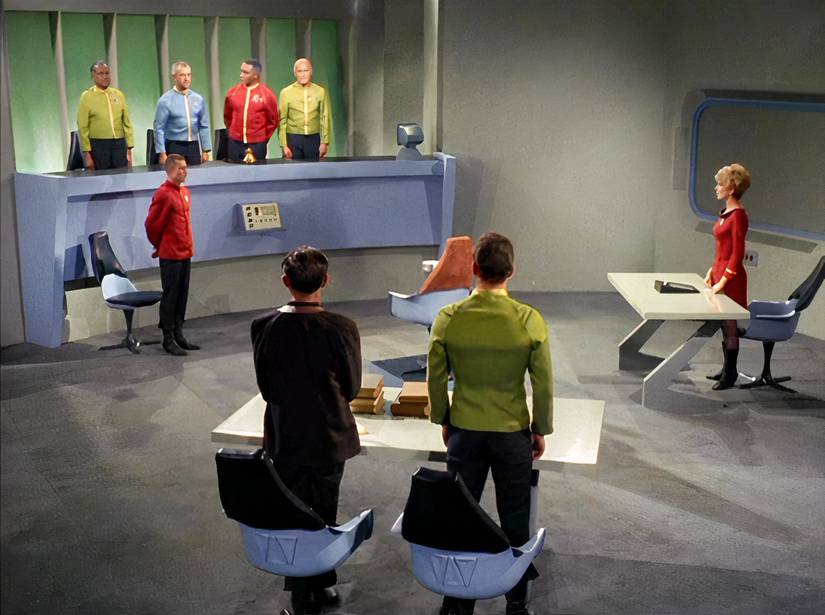
- The Premise: Captain James T. Kirk finds his illustrious career hanging in the balance after a routine mission results in the apparent death of crewman Benjamin Finney (Richard Webb). When automated computer logs flatly contradict Kirk’s testimony, Starfleet convenes a military tribunal.
- Why It Works: "Court Martial" brilliantly refashions Star Trek into a high-stakes courtroom drama. Elisha Cook Jr. delivers a stellar guest performance as Samuel T. Cogley, an old-fashioned defense attorney who passionately advocates for human rights and individual accountability in an increasingly computerized society. Proving that Star Trek didn’t always need a hostile alien armada to generate suspense, the episode highlights the sanctity of human intuition over infallible data.
9. "The Enterprise Incident" (Season 3, Episode 2)
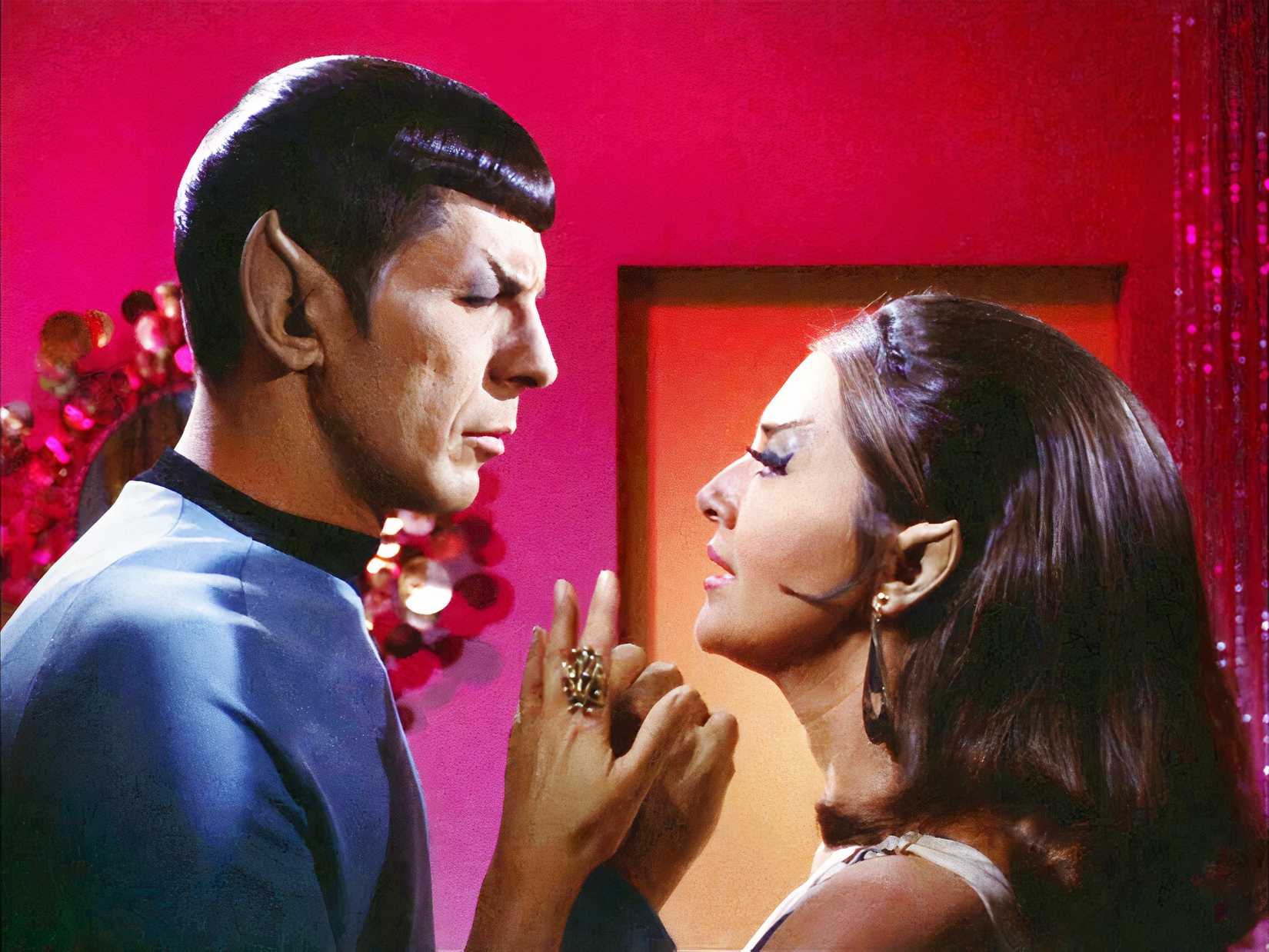
- The Premise: In a rare narrative dive into hard espionage, Captain Kirk appears to lose his professional equilibrium, impulsively ordering the Enterprise deep into hostile Romulan space. First Officer Spock seemingly betrays his captain, while a sharp Romulan commander (Joanne Linville) takes a keen personal interest in the Vulcan.
- Why It Works: The episode thrives on narrative ambiguity and moral gray areas. The elaborate deception is eventually unmasked as a high-stakes Federation covert operation designed to liberate a Romulan cloaking device. Linville shines as a formidable intellectual adversary, and the script delightfully introduces the fictitious "Vulcan death grip," cementing the notion that Starfleet officers are more than willing to play dirty for the greater good.
8. "The Cage" (Original Unaired Pilot)
- The Premise: Long before Kirk took the captain’s chair, a weary and battle-scarred Captain Christopher Pike (Jeffrey Hunter) commanded the Enterprise. Investigating a distress beacon on Talos IV, Pike is captured by advanced, telepathic aliens capable of projecting hyper-realistic illusions that test the limits of human free will.
- Why It Works: Though initially rejected by NBC for being too unconventional, "The Cage" contains the foundational DNA of the entire franchise. Its melancholic atmosphere differs sharply from the faster-paced adventure format that followed, yet its philosophical interrogation of illusion versus reality remains profoundly thought-provoking.
7. "The Empath" (Season 3, Episode 12)
- The Premise: Kirk, Spock, and Dr. McCoy arrive at a research outpost on a dying world, only to be captured by enigmatic, sadistic extraterrestrials known as the Vians. They are forced to observe Gem (Kathryn Hays), a mute native woman capable of absorbing physical trauma and disease into her own body.
- Why It Works: Utilizing sparse, minimalist stage sets, "The Empath" feels more like an avant-garde theatrical production than standard television. Hays delivers a masterclass in non-verbal acting, while DeForest Kelley’s Dr. McCoy anchors the emotional core through a silent, harrowing self-sacrifice designed to protect his companions.
6. "The Trouble with Tribbles" (Season 2, Episode 15)
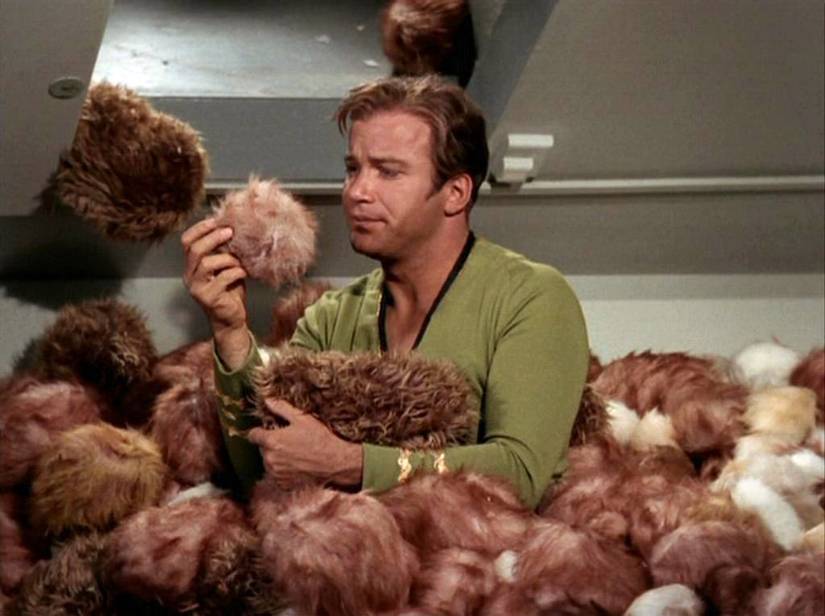
- The Premise: Shifting away from heavy philosophical quandaries, this comedic masterpiece finds the Enterprise docked at Deep Space Station K-7 to safeguard a cargo of valuable grain. Lieutenant Uhura introduces a purring, softball-sized creature called a tribble—which immediately begins reproducing at an exponential, catastrophic rate.
- Why It Works: Penned by David Gerrold, the script balances slapstick chaos with sharp corporate satire, simmering Klingon tensions, and Kirk’s mounting exasperation. The iconic visual of Captain Kirk buried beneath an avalanche of furry aliens remains one of the most recognizable and joyous images in television history.
5. "Arena" (Season 1, Episode 19)
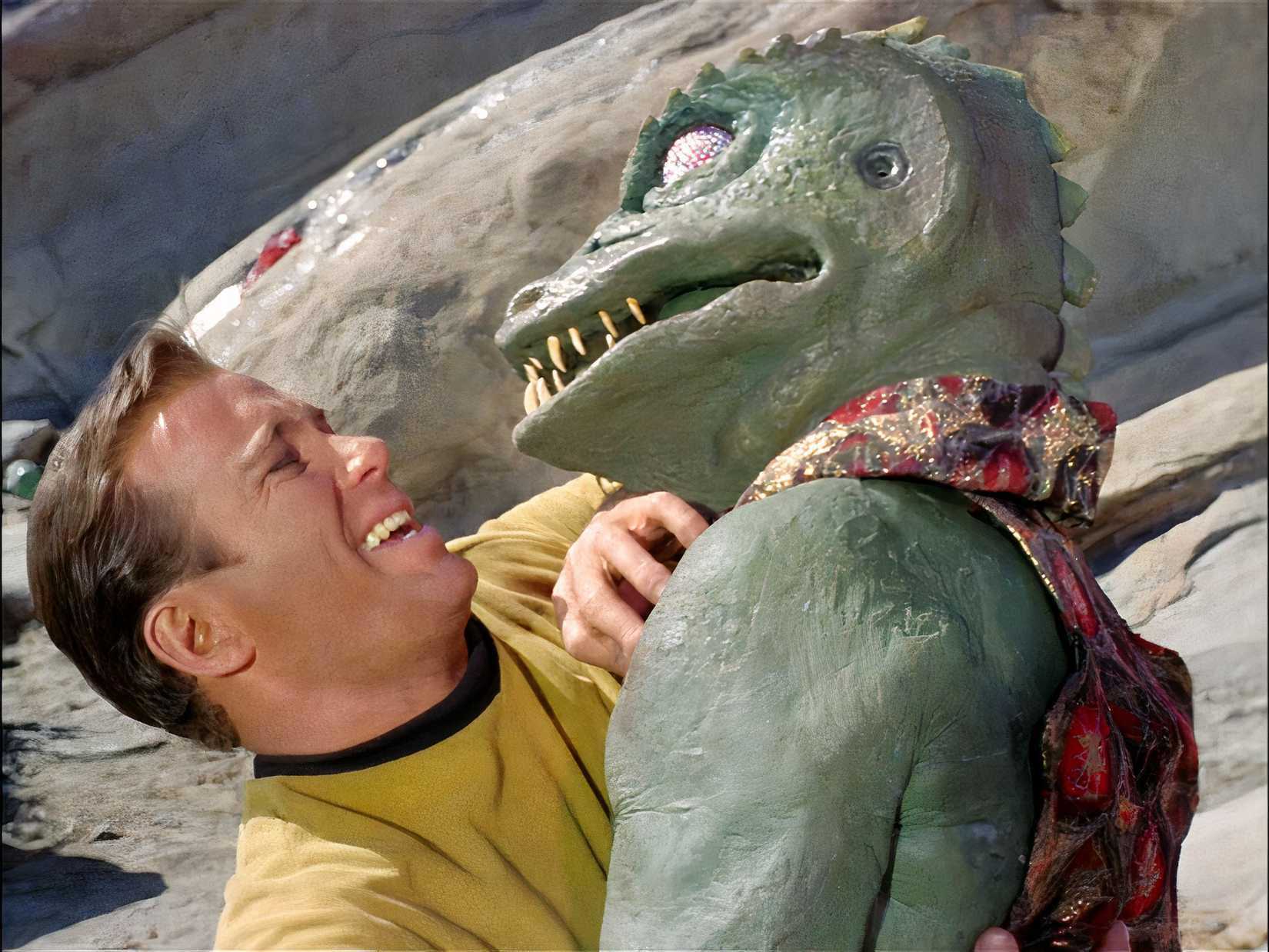
- The Premise: Following an unprovoked attack on a remote Federation outpost, Kirk relentlessly pursues the raider vessel. Suddenly, the intervention of a hyper-advanced, god-like species known as the Metrons halts the conflict. Kirk and the reptilian Gorn captain are unceremoniously dumped onto a barren rock to fight to the death.
- Why It Works: While the rubbery Gorn costume has inspired affectionate pop-culture parody over the decades, the thematic weight of the narrative remains unimpeachable. When Kirk gains the upper hand and deliberately chooses to spare his helpless adversary, he rejects the cycle of vengeance. It stands as a quintessential Roddenberry statement: mercy and understanding will always triumph over unbridled hostility.
4. "Space Seed" (Season 1, Episode 23)
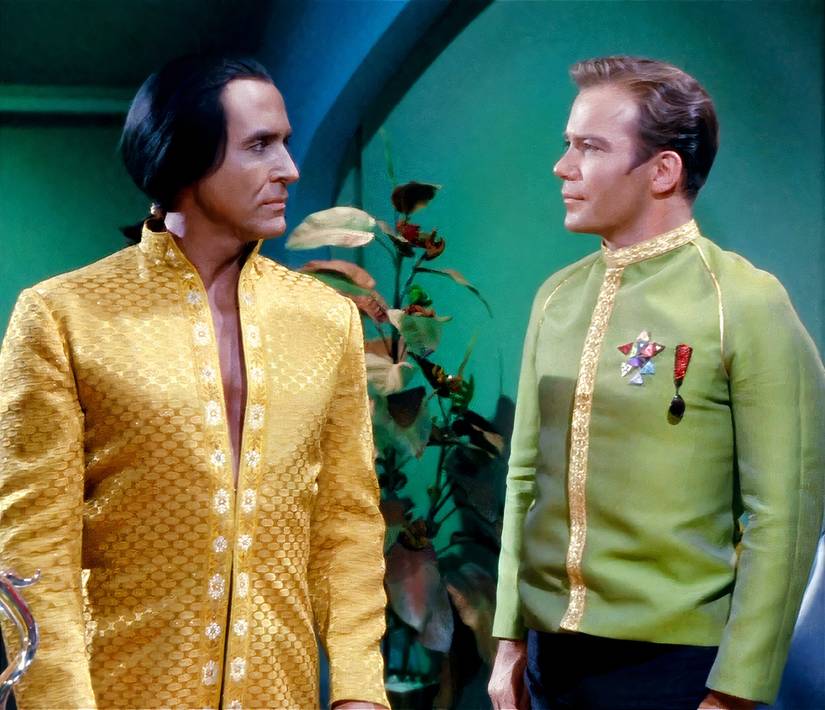
- The Premise: The Enterprise encounters the SS Botany Bay, an drifting pre-warp vessel carrying frozen, genetically engineered tyrants from Earth’s 20th-century Eugenics Wars. Their charismatic leader, Khan Noonien Singh (Ricardo Montalbán), quickly awakens and launches a calculated bid to commandeer the ship.
- Why It Works: Ricardo Montalbán’s magnetic, physically imposing performance elevates this episode into legendary status. Khan is not a mindless monster; he is a brilliant, arrogant reflection of humanity’s dark potential. The intellectual chess match between Kirk and Khan laid the narrative groundwork for Star Trek II: The Wrath of Khan, widely considered one of the greatest cinematic sequels ever produced.
3. "The Doomsday Machine" (Season 2, Episode 6)
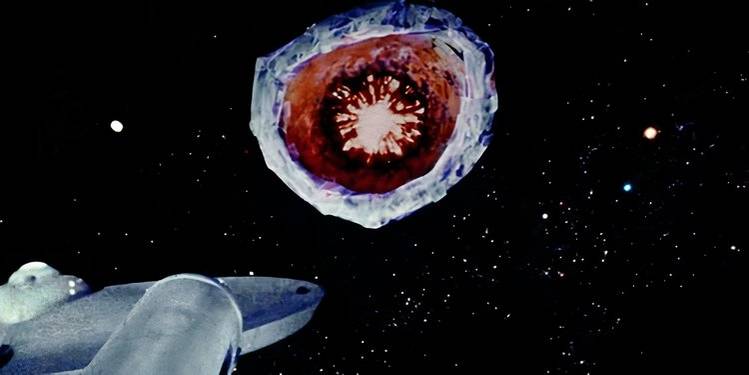
- The Premise: The Enterprise stumbles upon the wreckage of the USS Constellation, devastated by an ancient, planet-eating robotic behemoth. Commodore Matt Decker (William Windom), consumed by survivor’s guilt and an all-consuming need for vengeance, seizes command and recklessly leads the ship toward destruction.
- Why It Works: William Windom delivers a blistering, tragic performance as a broken commander blinded by obsession. The mounting tension—augmented by blistering ship-to-ship maneuvering and Decker’s fatal suicide run in a shuttlecraft—creates a masterclass in hard-sci-fi suspense.
2. "The City on the Edge of Forever" (Season 1, Episode 29)
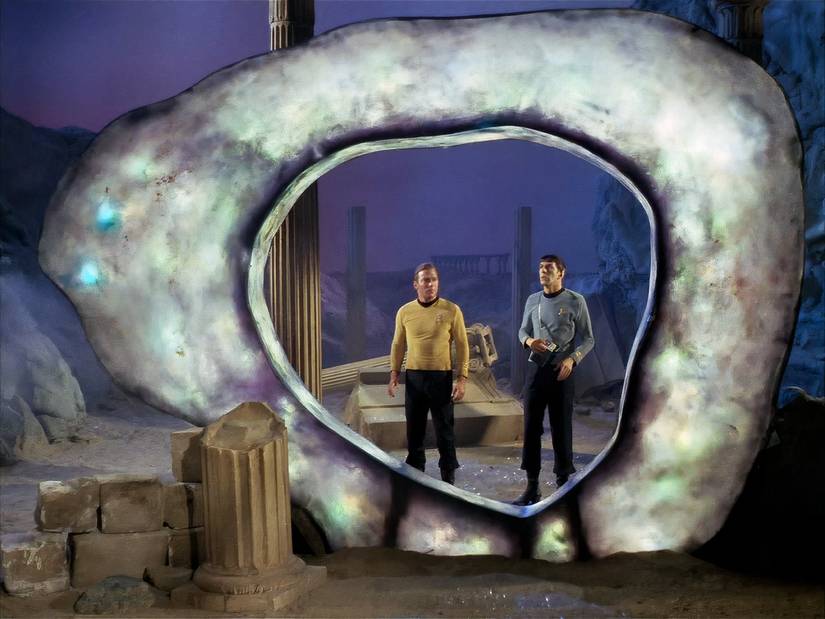
- The Premise: A contaminated Dr. McCoy accidentally injects himself with an overdose of a stimulant, flees through a time-portal known as the Guardian of Forever, and inadvertently alters human history. Kirk and Spock leap after him into 1930s New York City, where Kirk falls deeply in love with Edith Keeler (Joan Collins), a visionary pacifist whose life must be sacrificed to restore the correct timeline.
- Why It Works: Widely acclaimed as the pinnacle of the series, this episode blends romance, temporal mechanics, and profound tragedy. William Shatner and Joan Collins deliver career-best performances, culminating in a devastating climax that proves doing the right thing often demands an unbearable personal toll.
1. "Amok Time" (Season 2, Episode 1)
- The Premise: For the first time in the franchise, viewers are whisked away to the harsh, desert landscape of Vulcan when Spock undergoes pon farr, a mandatory biological mating cycle that will result in his death if unfulfilled. His intended bride, T’Pring, invokes an archaic challenge ritual, pitting Spock in a mortal duel to the death against his beloved captain, James T. Kirk.
- Why It Works: "Amok Time" cements the emotional anchor of the entire franchise: the profound bond between Kirk and Spock. From the introduction of iconic Vulcan lore to Gerald Fried’s pulsating, legendary fight theme, every element clicks into place. Yet, it is the final moment—when Spock discovers Kirk survived their duel and momentarily breaks his stoic facade with unbridled relief—that defines the soul of Star Trek. In that singular frame, Leonard Nimoy captured the essence of what it means to be human.
 Lina Irawan
 Ali Ikhwan
