

The modern action video game landscape has spent the better part of a decade obsessed with suffering. From the punishing grit of the Dark Souls lineage to contemporary releases like Onimusha: Way of the Sword and Ninja Gaiden 4, the genre’s prevailing philosophy dictates that mastery must be bought with relentless repetition, split-second reflexes, and a deep understanding of mathematically unforgiving combat loops. Players are conditioned to view success as an arduous climb over the broken bodies of towering bosses.
Yet, as the industry rolls through 2026 with high-profile releases like Pragmata, 007 First Light, and Beast of Reincarnation, developer S-Game has carved out an entirely different path. With Phantom Blade Zero—slated for release on October 29 for PlayStation 5 and Windows PC—the studio is less interested in transforming players into hardened martial arts grandmasters than it is in celebrating the visceral, breathtaking spectacle of classic 1990s kung-fu cinema.
However, in its pursuit of theatrical accessibility and cinematic fluidity, Phantom Blade Zero walks a razor-thin line. While its aesthetic and world-building are triumphs of traditional Chinese fantasy fused with steampunk mechanics, its design decisions ultimately strip away the very agency that makes an interactive power fantasy sing.
Main Facts: The Anatomy of Phantom Blade Zero
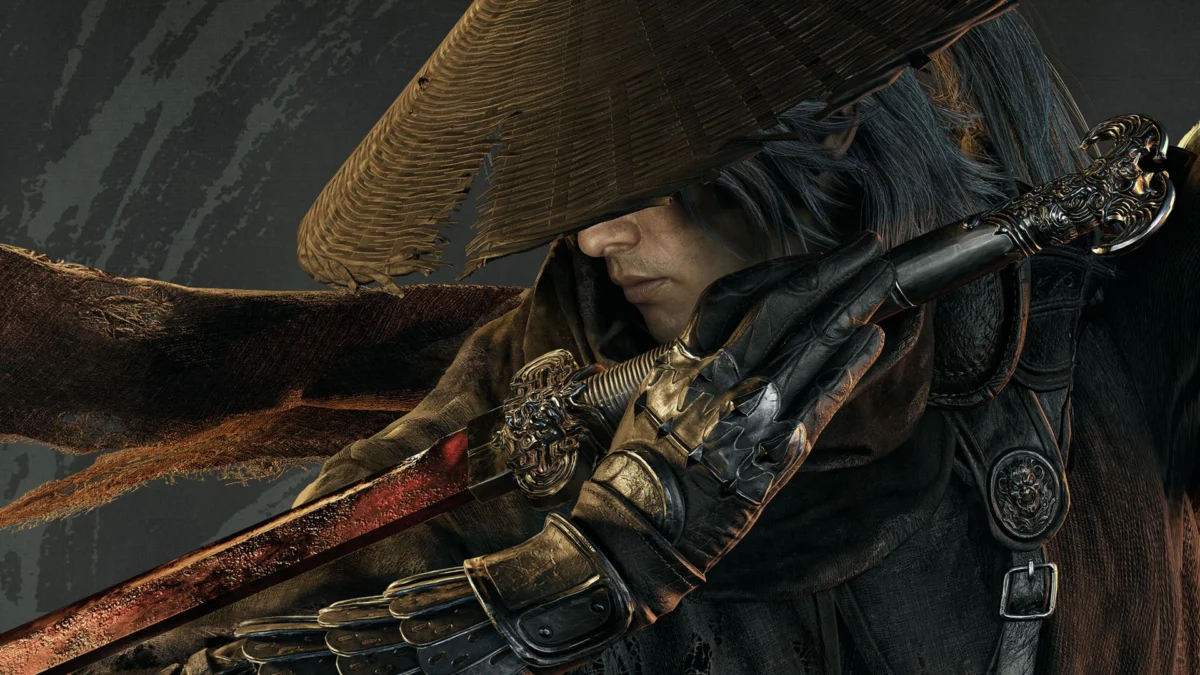
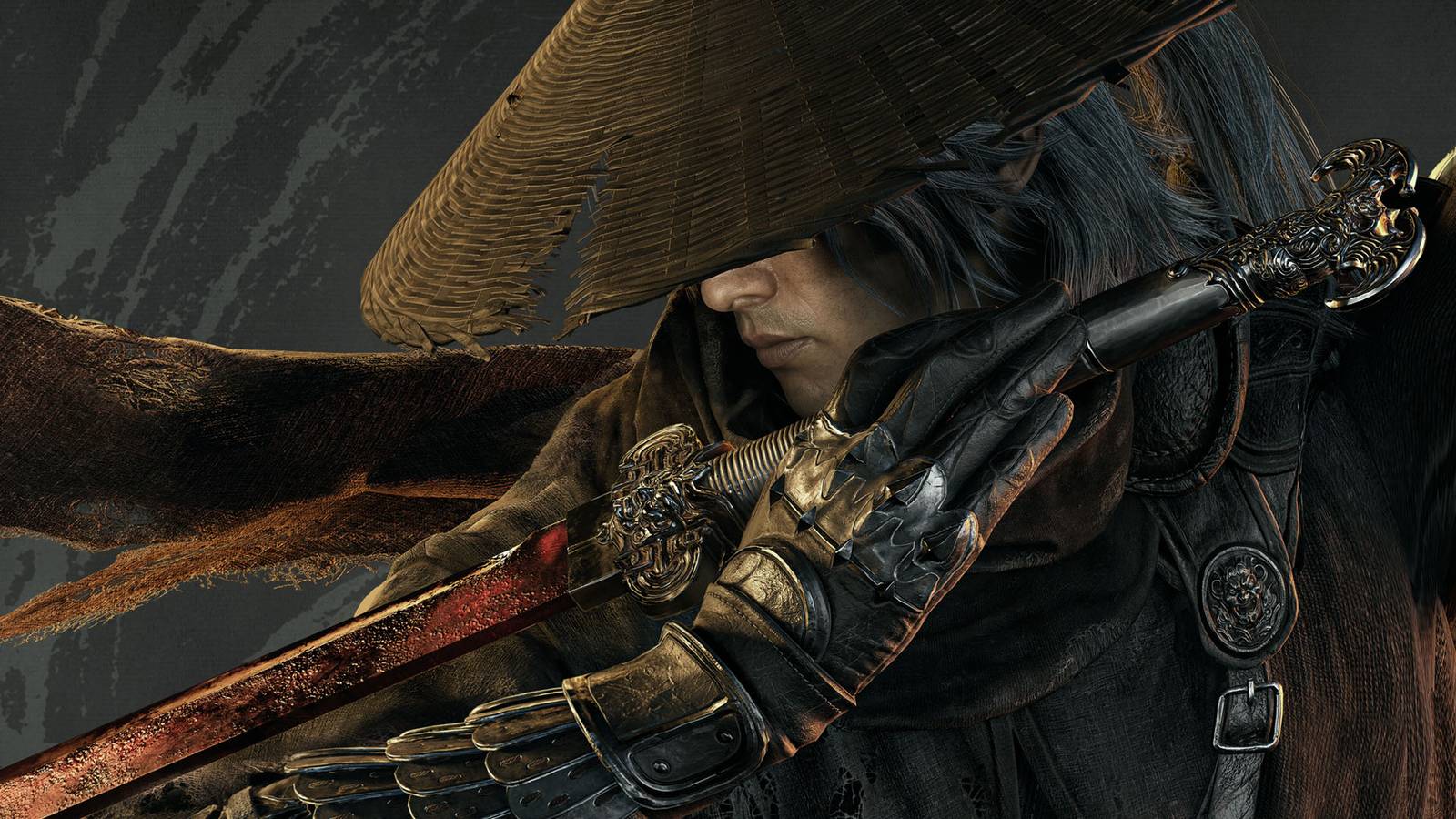
At its core, Phantom Blade Zero is an ambitious, narrative-driven action-RPG that trades high-complexity button combinations for fluid, cinematic choreography.
- Release Date: October 29, 2026.
- Platforms: PlayStation 5, Windows PC.
- Developer: S-Game (founded by Soulframe Liang).
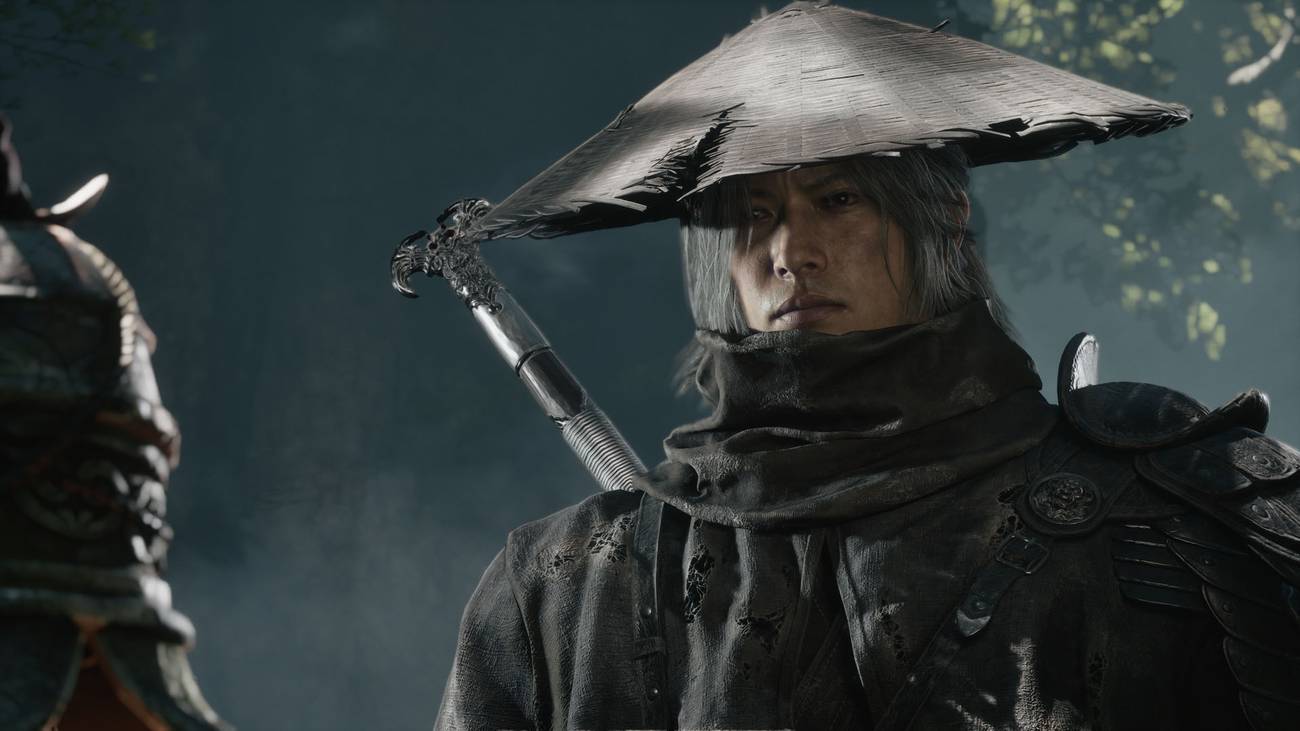
- High-Profile Collaborations: The project features legendary martial arts actor Donnie Yen (Ip Man) as a creative consultant and character model, alongside action director Kenji Tanigaki (The Furious).
- Protagonist: Soul, a legendary swordmaster and former member of "The Order," operating under a strict 66-day life expectancy due to a magically implanted artificial heart.
- Combat Mechanics: A hybrid system combining standard light attacks, stamina-dependent heavy attacks (governed by the mystical "Sha-Chi" energy bar), weapon swapping, and telegraph-driven parry/dodge systems.
Chronology: From First Impressions to Mechanical Revelation
The First Ten Hours: Navigating the Fog of Lore
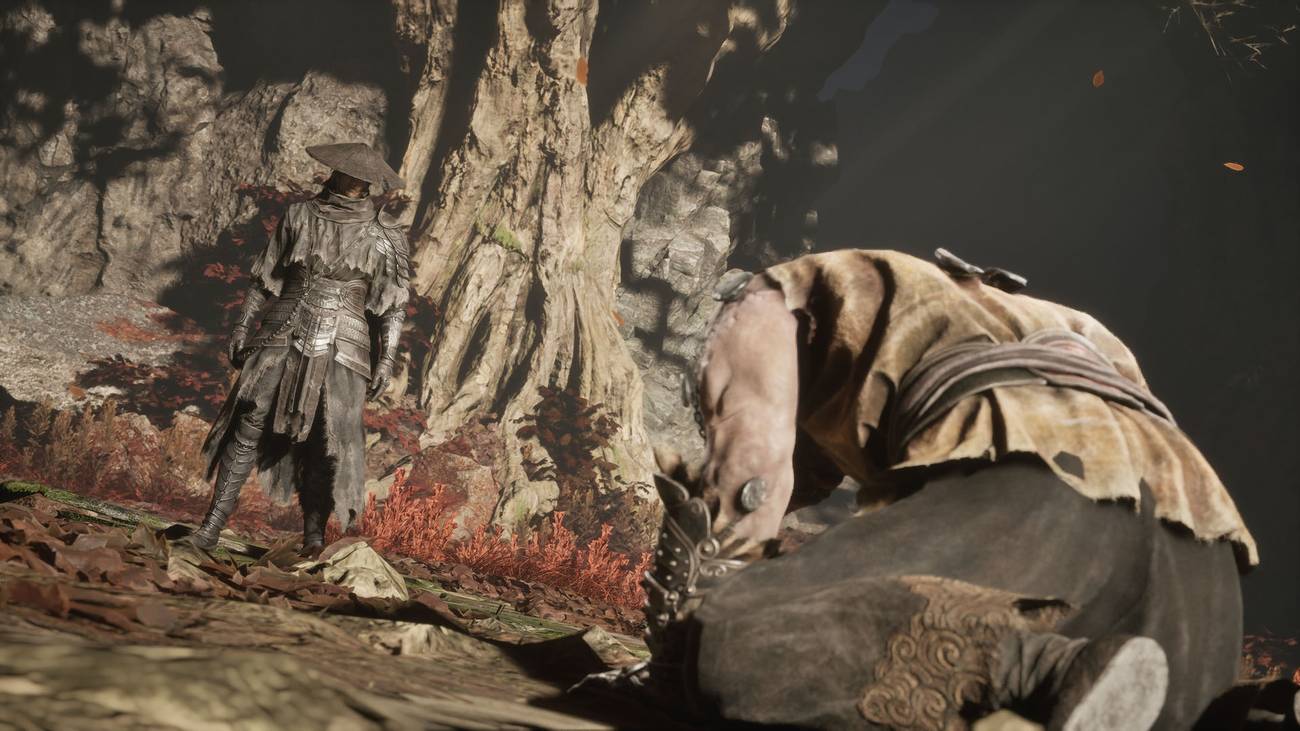
Stepping into the world of Phantom Blade Zero can be a disorienting, almost overwhelming experience. Within the opening hours, players are bombarded with proprietary terminology: The Order, the Wilun, Sha-Chi, and the Maskwalkers. There is little to no traditional exposition designed to spoon-feed backstories or translate key concepts.
This narrative structure mirrors contemporary Chinese donghuas (such as Lord of Mysteries) and epic web novels (like Mo Dao Zu Shi). S-Game expects its audience to resist the urge to demand immediate explanations, trusting instead that a coherent picture will emerge organically through environmental storytelling, notes left by the fallen, character dialogue, and fragmented flashbacks.
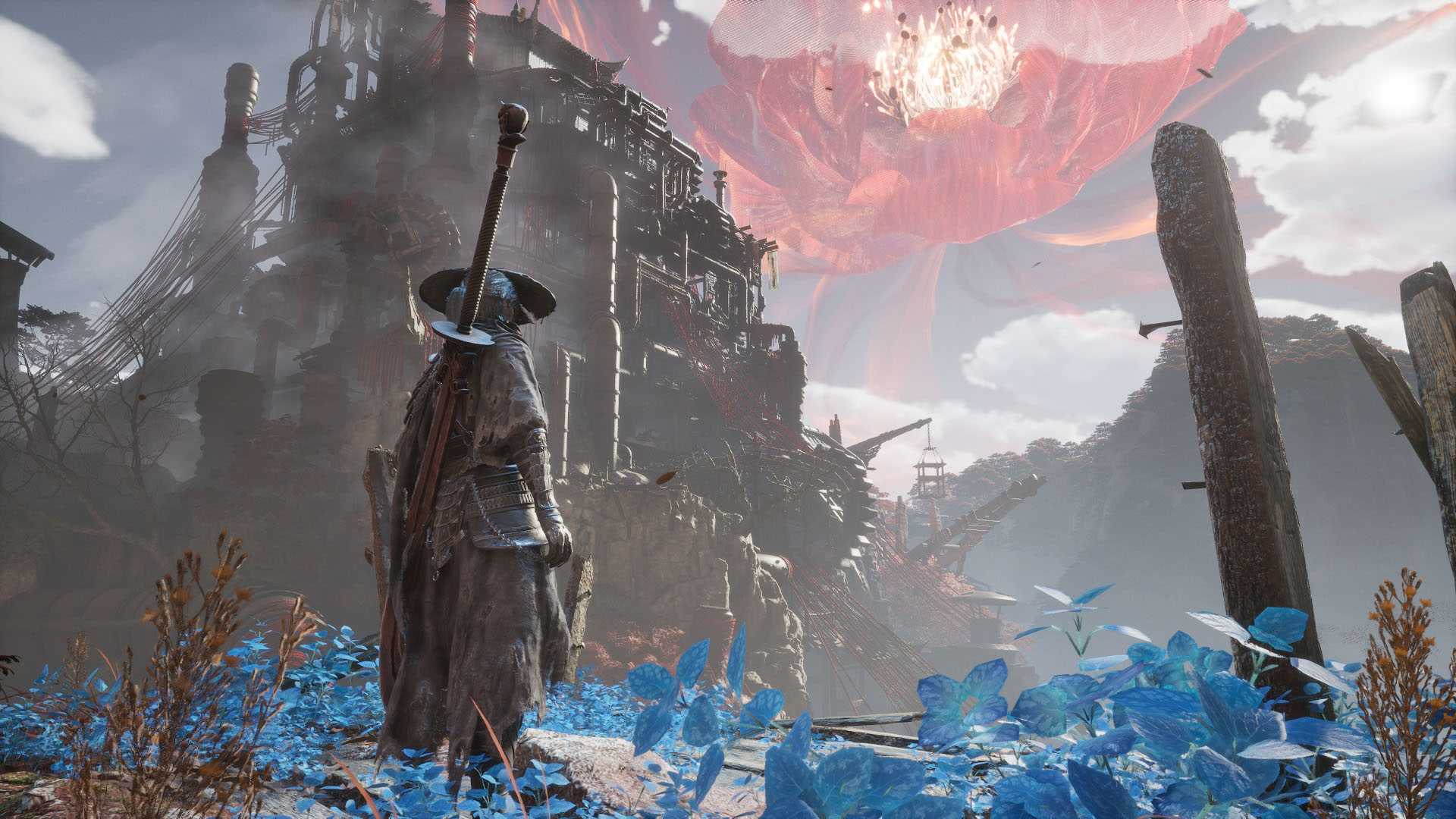
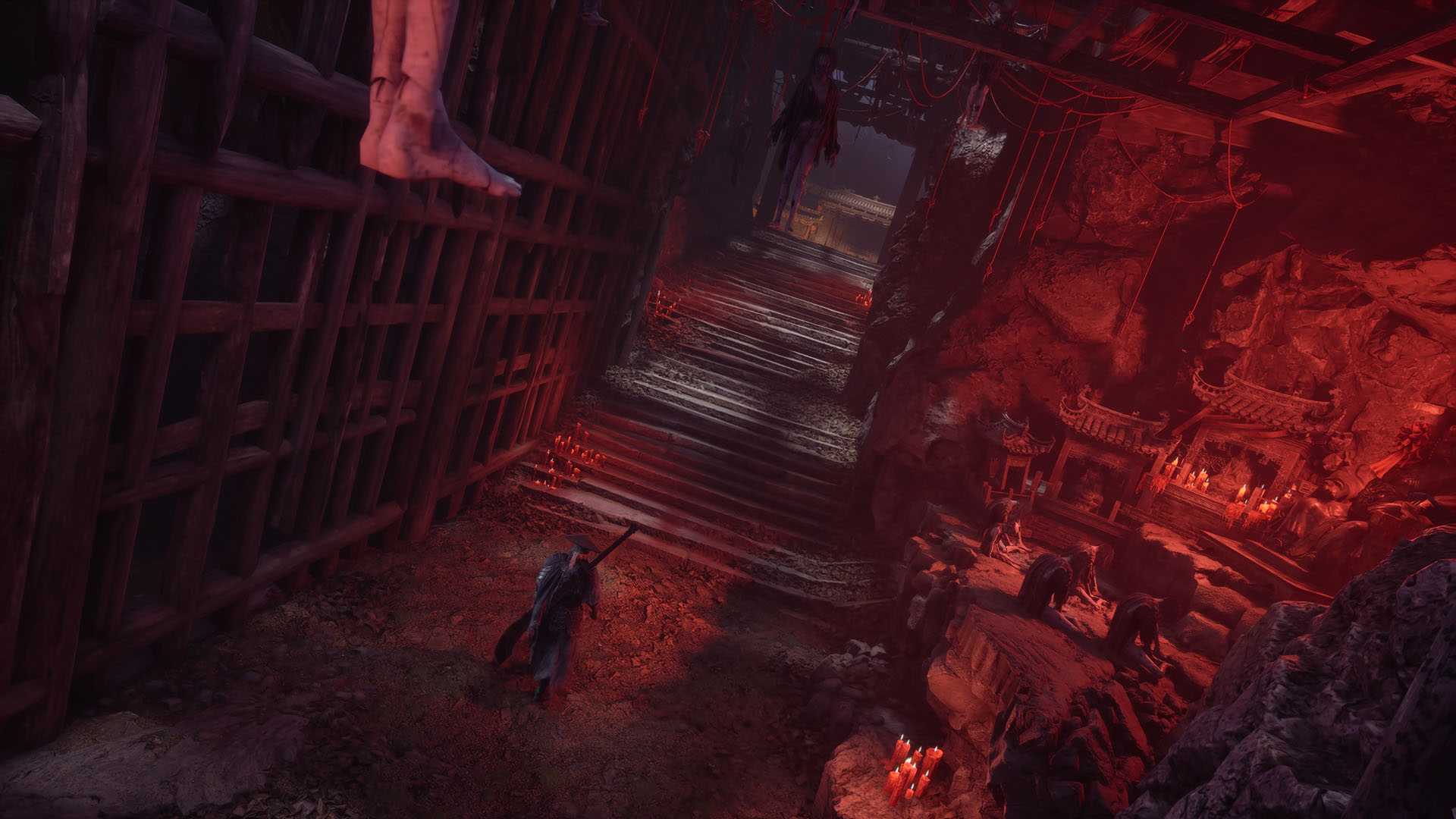
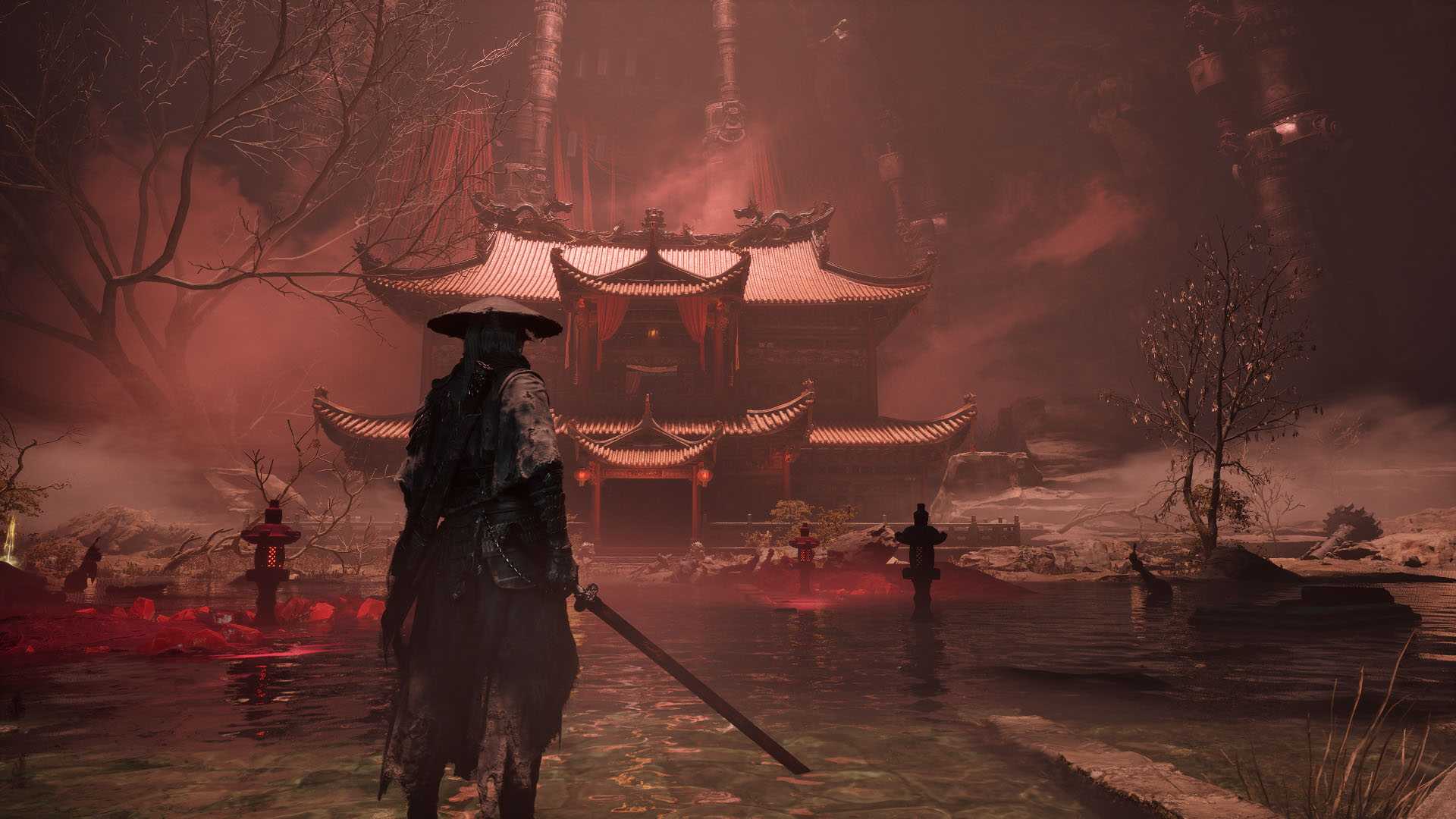
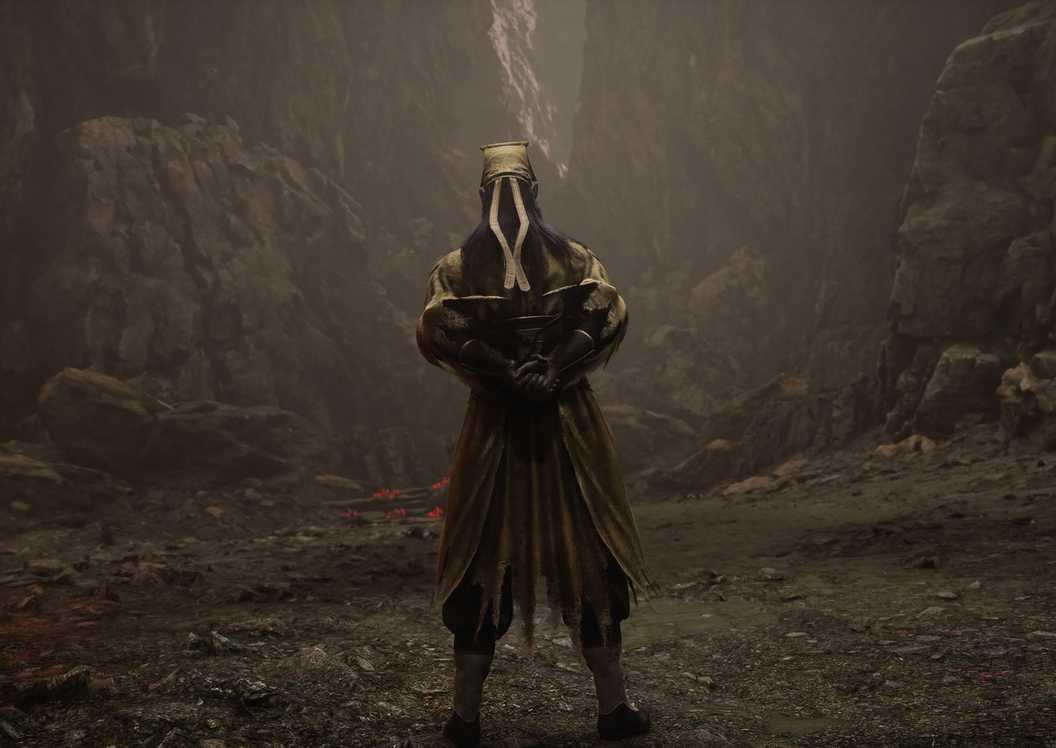
Once the player surrenders to this deliberate withholding of information, a captivating setting reveals itself. The game’s maps are a masterclass in atmospheric contrast, blending lush, traditional natural landscapes with industrial towers that vent hisses of scalding steam. It is a world where cyborg-like warriors enhance their bodies to better manipulate Sha-Chi, and where ancient codes of honor clash against systemic treachery.
The Combat Loop: Staging the Dance
When S-Game founder Soulframe Liang originally revealed the project, he emphasized that the team’s primary goal was to capture the sleek, dynamic movement of 1990s martial arts films. To achieve this, the developers implemented a combat design centered around standard attacks paired with a stamina (Sha-Chi) bar governing heavy strikes.
Defensively, players can dodge or parry, with parrying serving as the premier method to chip away at an enemy’s Sha-Chi reserves. However, the game’s core mechanics soon reveal internal contradictions. Through weapon swapping—allowing players to equip and cycle between two primary weapons with a short cooldown—the entire Sha-Chi bar instantly refills. Coupled with exploratory upgrades and talismans that accelerate stamina regeneration, the stamina bar largely ceases to matter past the ten-hour mark.
Instead of managing tactical resources, players are treated to a streamlined, albeit somewhat repetitive, button-mashing loop. The game relies on heavy visual spectacle rather than complex command inputs. Whether executing simple double-sword cuts or performing complex choreography where Soul stretches an arm and leg to strike two distinct enemies simultaneously, every movement looks and feels like it was lifted straight from a wire-fu classic.
Supporting Data: Industry Influences and Combat Balance
S-Game’s commitment to authentic martial arts choreography is underscored by its heavy-hitting development roster. Donnie Yen’s involvement brings an authentic cinematic pedigree, while Kenji Tanigaki’s choreography direction ensures that the physical language of the fights mirrors the stark, metal-against-flesh contrasts of films like Crouching Tiger, Hidden Dragon and Jet Li’s Hero.
| Feature Aspect | Traditional Action Games (e.g., Onimusha) | Phantom Blade Zero Approach |
|---|---|---|
| Input Complexity | High skill ceilings requiring intricate button combos. | Simplified, accessible commands focusing on visual flow. |
| Defensive Strategy | Tight, reactive parry/dodge windows with high failure rates. | Color-coded telegraphs (red/blue flashes) dictating precise responses. |
| Resource Management | Punishing stamina systems that gate momentum. | Easily bypassed via weapon-swapping loops and overpowered talismans. |
| Pacing | Staccato bursts of intense friction and failure. | Unbroken, cinematic momentum designed to mimic choreographed films. |
Despite offering four selectable difficulty settings, Phantom Blade Zero accidentally undermines its own challenge through systemic generosity. Exploration yields powerful talismans—such as items that increase elemental damage mitigation up to 60%—and certain weapons, like the early-game Scarlet Wraithblade (which conjures a field of lilies to drain enemy health and stamina), render subsequent weapon discovery largely redundant.
Furthermore, the game’s reliance on explicit visual cues (blue flashes for parries, red flashes for dodges) conditions players into a reactive loop. Rather than feeling like an omnipotent martial arts god dictating the flow of battle, the player often feels like an actor hitting their mark on a pre-determined stage cue.
Official Responses and Developer Intent
S-Game has consistently framed Phantom Blade Zero as an artistic celebration of Wuxia traditions rather than a strict entry in the "souls-like" subgenre. In promotional statements, the development team has emphasized that the primary objective was emotional resonance and visual poetry.
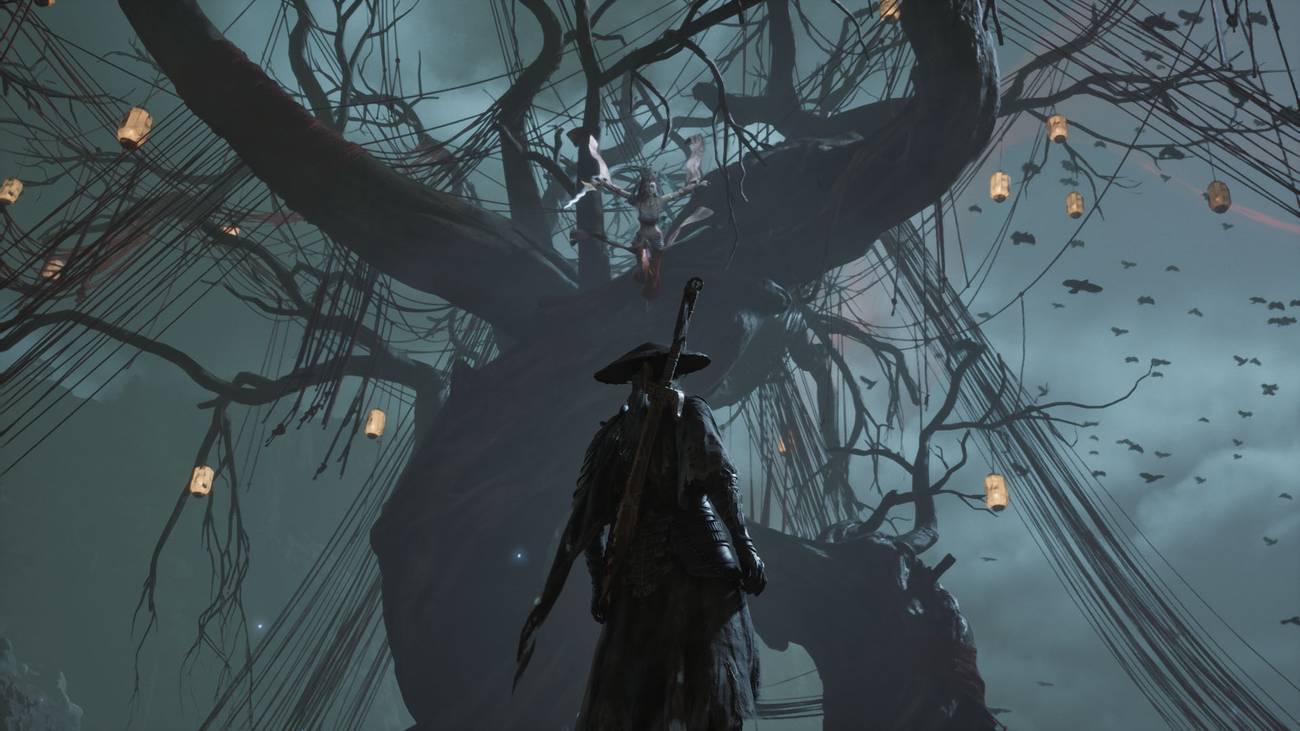
While critics and players alike have noted the relative flatness of the protagonist Soul—whose generic quest for revenge and redemption keeps him somewhat two-dimensional—S-Game views this narrative restraint as a deliberate canvas. By keeping the central figure straightforward, the developers allow the environmental storytelling, the plight of everyday soldiers transformed into monsters, and the rich cultural synthesis of folklore and steampunk engineering to take center stage.
Implications for the Action Genre
Phantom Blade Zero stands as a fascinating anomaly in the 2026 gaming landscape. It proves conclusively that action games can prioritize artistic choreography, fluid aesthetics, and accessibility over punishing martial difficulty. For players seeking the visual poetry of classic kung-fu cinema without the carpal-tunnel-inducing stress of modern hard-core action titles, S-Game’s creation is a welcome breath of fresh air.
However, the game also serves as a cautionary tale about the delicate balance between accessibility and player agency. In Wuxia cinema, the ultimate illusion is convincing the audience that the performers are divine beings performing impossible, death-defying feats through sheer internal power.
By over-relying on explicit visual prompts, easily exploitable gear loops, and streamlined inputs, Phantom Blade Zero occasionally lets the theatrical wires show. The combat remains undeniably dazzling, but in minimizing the active friction required to earn that power, the game risks reducing an epic martial arts epic into an interactive cinematic script—one where the player watches the magic happen rather than making it happen themselves.
 Nana
 Ali Ikhwan
