

25 June 2026 | Humanitarian Aid
In a harrowing turn of events that has sent shockwaves across the globe, Venezuela is grappling with the aftermath of a catastrophic seismic event. Late Wednesday, the nation’s northern coast was struck by two powerful, back-to-back earthquakes that have leveled infrastructure, claimed scores of lives, and left hundreds wounded. As the dust settles over the capital, Caracas, and the coastal state of La Guaira, the United Nations has issued an urgent call for a massive, coordinated international effort to support the victims of what is being described as the country’s most severe geological disaster in over a century.
The Reality on the Ground: A Nation in Crisis
The humanitarian situation in Venezuela is currently fluid and rapidly deteriorating. As of midday Thursday, official reports confirm at least 164 fatalities, with the injury toll climbing to 971. Emergency responders, working under perilous conditions, warn that these figures are likely to rise as search and rescue teams gain access to the most heavily impacted districts, particularly in the coastal state of La Guaira, where communication blackouts and road collapses have hampered the initial arrival of aid.
The disaster struck with terrifying speed late Wednesday evening. According to data provided by the United States Geological Survey (USGS), the first seismic event registered a magnitude of 7.2. Its epicenter was localized near the city of San Felipe, a densely populated hub of approximately 220,000 people. Less than a minute later, a second, even more violent tremor—measuring 7.5 on the Richter scale—tore through the region. Seismologists have confirmed that this second quake stands as the most powerful seismic occurrence in Venezuela in over 125 years, causing widespread structural failure in a country already struggling with aging infrastructure.
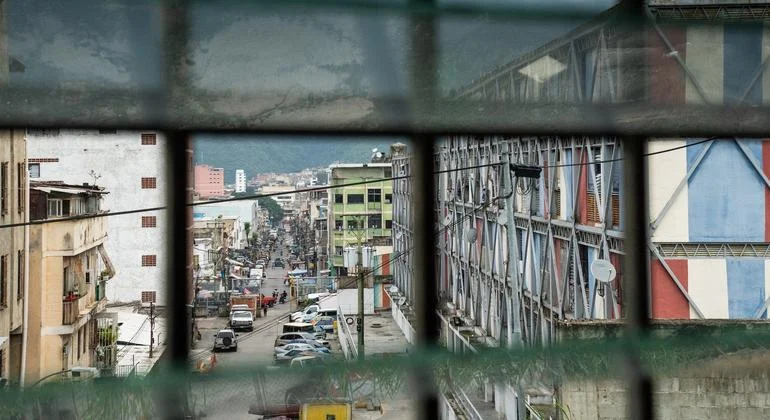
In Caracas, the urban sprawl has been transformed into a landscape of debris. High-rise apartments, commercial centers, and historic buildings in the city center have been severely compromised or flattened. Thousands have been displaced, forced to congregate in open parks and public squares, fearful of returning to buildings that may be rendered unstable by the persistent aftershocks.
Chronology of the Disaster: A Night of Terror
The events of Wednesday night began at approximately 10:45 PM local time. Residents in San Felipe reported a sudden, violent jolting that lasted for nearly 45 seconds. Before survivors could seek shelter or process the initial impact, a second, larger tremor struck, exacerbating the damage to foundations already weakened by the first event.
- 22:45 (Wednesday): The initial 7.2 magnitude earthquake strikes near San Felipe. Power grids across the northern corridor fail instantly, plunging the region into darkness.
- 22:46 (Wednesday): A 7.5 magnitude aftershock—effectively a second major quake—hits the same fault line. This tremor causes the collapse of major bridges and renders key highways leading to the coast impassable.
- 01:30 (Thursday): Local emergency services and volunteer groups begin manual search and rescue operations in the capital, Caracas.
- 05:00 (Thursday): The UN Office for the Coordination of Humanitarian Affairs (OCHA) establishes a crisis command center. Humanitarian Coordinator Gianluca Rampolla initiates contact with national authorities.
- 08:00 (Thursday): UN emergency relief chief Tom Fletcher issues a global appeal, formally requesting Urban Search and Rescue (USAR) teams through the International Search and Rescue Advisory Group (INSARAG).
- 11:00 (Thursday): Initial aid shipments and technical teams begin mobilizing in neighboring countries and international hubs.
The Humanitarian Response: A Global "All Hands on Deck"
The response to this disaster has been swift, with the United Nations acting as the central nervous system for international aid. Tom Fletcher, the UN emergency relief chief, emphasized the urgency of the situation during a press briefing held early Thursday.
"I am in constant contact with our team in Caracas to ensure a swift and effective response," Fletcher stated. "Our teams are working on the ground with national authorities to identify immediate priorities, which include medical supplies, emergency shelter, and heavy machinery for debris clearance. We are seeing a heartening wave of international solidarity, but the scale of the destruction requires all hands on deck."
UN Agency Coordination
The UN’s response is multifaceted, drawing upon the specialized expertise of several agencies:
- World Food Programme (WFP): Acting Executive Director Carl Skau expressed the WFP’s readiness to provide emergency food rations to displaced populations. "Our thoughts are with the Venezuelan people," Skau noted. "We are prepared to scale up logistics to ensure that food reaches the most vulnerable communities in the affected zones immediately."
- International Organization for Migration (IOM): Director General Amy Pope highlighted the vulnerability of displaced persons and migrants within the region. The IOM is currently mobilizing to provide non-food items, hygiene kits, and emergency shelter management.
- UN Office for Project Services (UNOPS): Executive Director Jorge Moreira da Silva has pledged the agency’s technical expertise in infrastructure assessment, vital for determining which buildings remain safe for habitation and how to rebuild the shattered road networks.
- UNHCR (The UN Refugee Agency): High Commissioner for Refugees Barham Salih offered the agency’s full support, focusing on the protection of displaced individuals and the restoration of community services in areas where refugees and host communities have been equally impacted.
Supporting Data and Technical Implications
The geological profile of this disaster is significant. The northern coast of Venezuela sits near the boundary of the Caribbean and South American tectonic plates, a region historically prone to seismic activity. However, the intensity of these two quakes, occurring within such a narrow timeframe, suggests a "cascading failure" of the fault line.
The structural impact is intensified by the density of the urban environments affected. In San Felipe and Caracas, the concentration of low-to-mid-rise concrete structures—many of which were built prior to the implementation of modern, earthquake-resistant building codes—has contributed to the high casualty rate. Engineers from the UN’s Office for Project Services are already coordinating with local authorities to assess the integrity of hospitals and power stations, as the failure of these critical facilities is currently the greatest threat to the survival of the injured.
The Path Ahead: Recovery and Resilience
As search and rescue efforts transition into a long-term recovery phase, the implications for Venezuela are profound. The economic strain of the disaster, coupled with the immense humanitarian burden, necessitates a sustained international commitment.
The UN has signaled that while immediate aid is focused on life-saving operations, a secondary phase will focus on "building back better." This involves not only clearing the rubble but establishing infrastructure that can withstand future seismic threats. Furthermore, the psychosocial impact on the population—many of whom are experiencing the compounding trauma of national instability alongside a natural disaster—will require a dedicated mental health support initiative, which the UN is currently integrating into its overall aid package.
The international community remains on high alert. With countries across Latin America and Europe pledging personnel, medical equipment, and financial aid, the coming days will be critical. The success of the response will depend on the logistical coordination led by the UN, ensuring that resources reach the most isolated communities in La Guaira and beyond.
For those watching the situation unfold, the message from the United Nations is clear: the people of Venezuela are not alone in this crisis. "We are standing with you," said the UN representatives in a joint statement. "The road to recovery will be long, but the global community is committed to walking it alongside the Venezuelan people."
For ongoing updates, residents and international observers are encouraged to monitor official UN channels. To receive daily updates or to find information on how to support relief efforts, please visit the UN News official website.
 Lina Hope
 Layla Zulfa
