

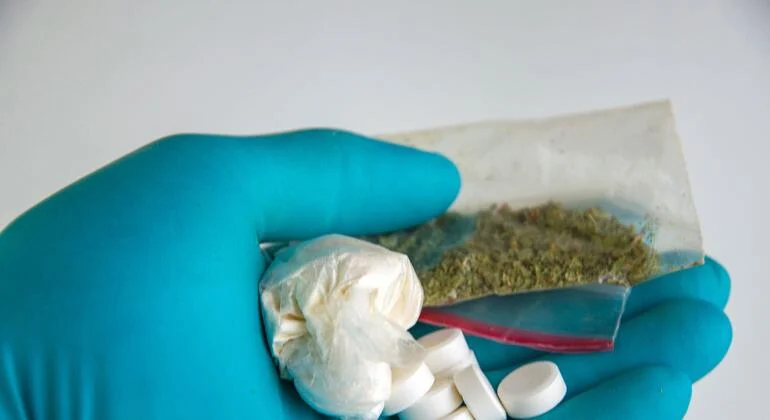
The landscape of global narcotics is undergoing a profound and perilous transformation. According to the latest findings from the United Nations Office on Drugs and Crime (UNODC), the world is witnessing an unprecedented surge in drug use, coupled with an alarming rise in the potency and diversity of synthetic substances. As the global market shifts away from traditional plant-based narcotics toward lab-engineered compounds, health experts, law enforcement, and policymakers are sounding the alarm on a crisis that is increasingly difficult to track, treat, and contain.
Main Facts: The Numbers Behind the Surge
In 2024, the UNODC reported that an estimated 331 million people—roughly 6.2 percent of the global population aged 15 to 64—are regular drug users. This figure represents a significant climb from the 5.2 percent recorded just a decade ago. While cannabis remains the most widely consumed substance globally, with 256 million users, the composition of the market is shifting in ways that present acute threats to public health.
The proliferation of synthetic drugs is perhaps the most concerning development. In 2024 alone, authorities identified 755 new psychoactive substances, 118 of which were reported for the first time. The sheer volume of different drugs detected in customs and police seizures has increased fivefold compared to the year 2000. This hyper-diversified market creates a "blind spot" for healthcare providers and first responders, who often find themselves treating overdoses without knowing the precise chemical composition of the substance involved.
Chronology: A Decade of Market Volatility
To understand the current crisis, one must look at the shifting trends of the last ten years:
- 2014–2018: The market saw a steady rise in traditional drug usage, with cannabis and cocaine dominating international trade routes.
- 2019–2021: The COVID-19 pandemic caused significant disruptions in supply chains, forcing traffickers to innovate. This period saw a marked increase in the production of synthetic drugs as border closures made moving plant-based commodities like heroin and cocaine more difficult.
- 2022: A watershed moment occurred when the Taliban administration in Afghanistan enforced a strict ban on opium cultivation. This led to a collapse in global heroin supplies, creating a vacuum in the illicit opioid market.
- 2023–2024: The vacuum left by Afghan heroin was not filled by other opium-producing nations like Myanmar, Laos, or Mexico. Instead, traffickers pivoted to high-potency synthetic opioids, including fentanyls and nitazenes.
- 2025: The current year marks a record high in synthetic opioid prevalence, with production of illicit methamphetamine also reaching new geographical frontiers in Africa and the Middle East.
Supporting Data: Mapping the Shift
The global opioid market is currently at a critical turning point. While Afghanistan’s 2022 ban reduced opium production by thousands of tonnes, the global demand has not disappeared—it has merely transitioned to more dangerous alternatives. Myanmar’s opium output rose from 420 tonnes in 2021 to over 1,000 tonnes in 2025, but this growth remains insufficient to offset the global supply gap.
The shift toward synthetics like nitazenes is statistically significant and medically concerning. These substances are often far more potent than heroin, increasing the probability of lethal overdose exponentially. Furthermore, the methamphetamine market has transcended its traditional strongholds in Southeast Asia. Seizures of meth have grown by an average of 13 percent annually, with trafficking routes now embedding themselves deeply within West and Southern Africa, as well as the Near and Middle East.
Cannabis, too, has seen a geographical decentralization. Between 2015 and 2024, 57 countries reported seizures of cannabis originating from regions outside of North America, a fivefold increase in international distribution compared to the previous decade.
Official Responses: The Call for International Cooperation
The leadership of the UNODC has been clear: the current trajectory is unsustainable without robust, coordinated international action. Monica Juma, Executive Director of the UNODC, highlighted the existential nature of this threat, noting that the market is becoming "very diverse, but also perhaps more dangerous."
"We have seen an unprecedented spike in new types of drugs on the market, and worryingly, some are more potent or dangerous than before," Juma stated.
Chloé Carpentier, the report’s lead researcher, emphasized the practical difficulties on the ground. "We don’t always know what we are taking, and first responders don’t know what they are responding to," she said. Carpentier stressed that the complexity of modern drug markets requires a shift in strategy—from localized law enforcement to a global intelligence-sharing network. Without standardized detection methods and a shared global database of new psychoactive substances, national responses will continue to fall short.
Implications: Inequality and the Human Cost
The crisis is not merely a matter of supply and demand; it is deeply intertwined with systemic socioeconomic failures. The UNODC report identifies poverty, homelessness, and poor mental health as the primary drivers that exacerbate the harms associated with drug use.
The Gender Gap in Healthcare
Treatment remains one of the most glaring areas of inequality. Women who suffer from drug use disorders face significant barriers to care, leading to a situation where only one in 23 women receives treatment, compared to one in nine men. This disparity is particularly lethal; women who inject drugs are 20 percent more likely to be living with HIV than their male counterparts. Experts suggest that the stigma associated with drug use, coupled with a lack of gender-sensitive healthcare facilities, prevents women from seeking the help they need until their condition has deteriorated significantly.
Youth Vulnerability
Adolescents remain a high-risk demographic. Because the human brain continues to develop well into the mid-twenties, drug use during the teenage years carries long-lasting consequences for cognitive function and behavioral development. The prevalence of synthetic drugs, which are often cheaper and easier to conceal than traditional narcotics, makes them particularly dangerous for younger populations.
The Conflict-Drug Nexus
Perhaps most alarming is the intersection of drug trafficking and armed conflict. The report highlights that displaced populations—refugees and those living in humanitarian crisis zones—are highly susceptible to drug use disorders. However, because humanitarian efforts are typically focused on immediate survival needs like food, water, and shelter, drug treatment programs are rarely prioritized in refugee settlements.
Furthermore, a cyclical relationship exists between instability and illicit trade. Trafficking networks thrive in the absence of rule of law, and the proceeds from these networks are frequently used to finance the very conflicts that cause the displacement in the first place. This creates a "vicious cycle" that destabilizes entire regions, making it increasingly difficult for international bodies to intervene.
Conclusion: A Path Forward
The data provided by the UNODC presents a sobering reality: we are entering an era where the traditional "war on drugs" model is increasingly obsolete against the rapid evolution of synthetic chemistry. The shift toward potent, lab-created substances requires a fundamental rethink of global drug policy.
As the report concludes, the solution lies in a multifaceted approach. It must include:
- Enhanced Intelligence Sharing: Establishing real-time global monitoring of synthetic chemical precursors to prevent them from reaching illicit laboratories.
- Harm Reduction and Equitable Care: Prioritizing treatment over punishment, with a specific focus on closing the gender gap in healthcare access.
- Integrating Health into Humanitarian Aid: Recognizing that in conflict zones, addressing the mental health and addiction needs of displaced people is a critical component of long-term regional stability.
- Strengthening International Cooperation: As Ms. Carpentier noted, "We cannot achieve anything without international cooperation."
The globalization of drug markets means that no nation can solve this crisis in isolation. The potency of the new synthetic generation demands a unified, science-based response that addresses the root causes of addiction—poverty, inequality, and despair—rather than simply reacting to the symptoms of the trade. The cost of inaction, as measured in human lives, is rising every day.
 Lina Hope
 Asro
Asro
 Layla Zulfa
