

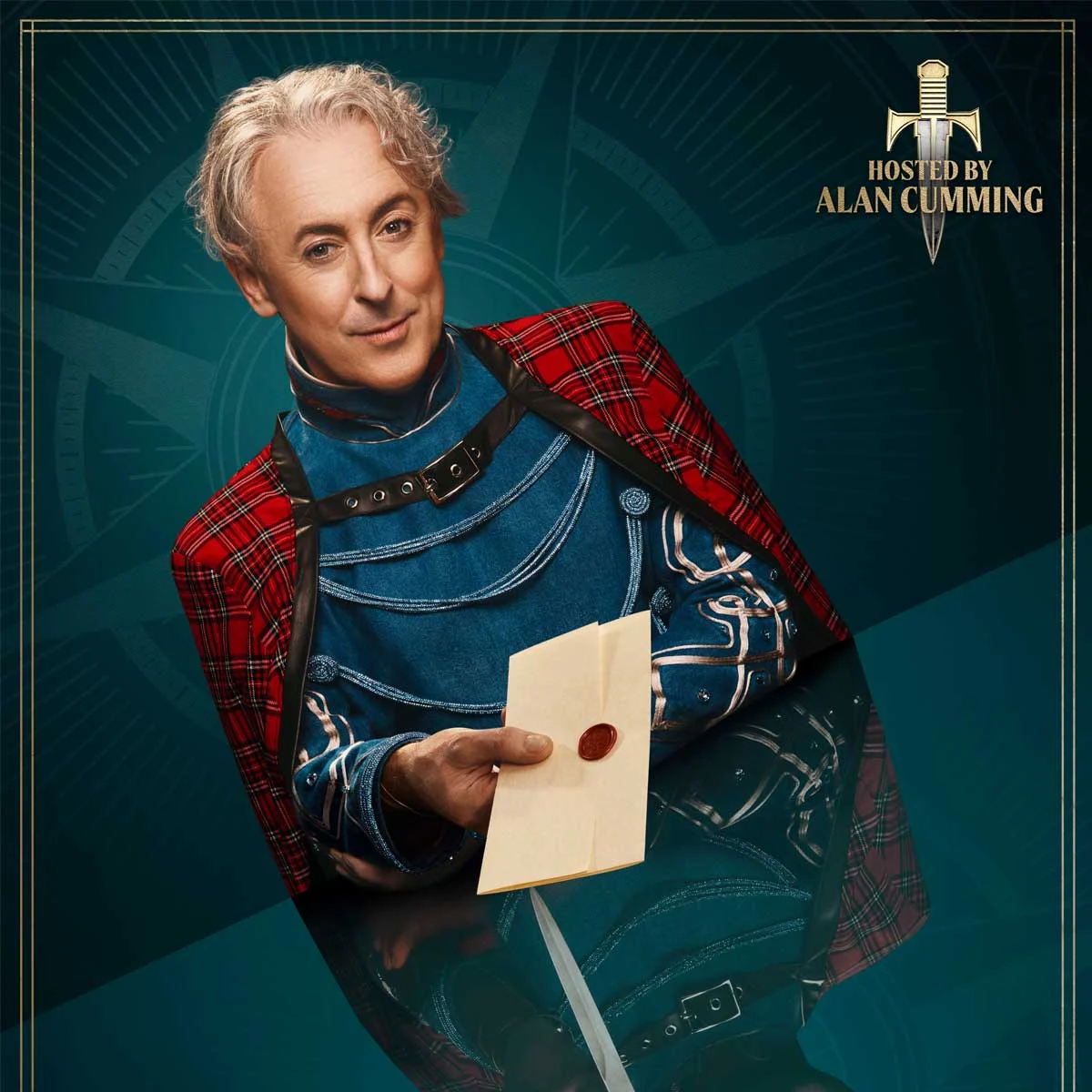
Since its premiere in 2023, Peacock’s The Traitors has evolved from a sleeper hit into a cultural phenomenon. The series, which masterfully blends psychological warfare with the opulent, moody backdrop of the Scottish Highlands, has captured the imagination of viewers worldwide. With the September 17 premiere of its latest spin-off, The Traitors: New Blood, the game of cat-and-mouse is entering its most intense phase yet. As host Alan Cumming famously teased in the series trailer, "When nobody knows who you are, you can get away with anything."
The Core Concept: A Murder Mystery in Real Time
At its heart, The Traitors is a high-stakes social deduction game. Contestants arrive at the historic Ardross Castle, where they are divided into two distinct groups: the Faithful and the Traitors. The objective for the Faithful is to identify and banish the Traitors before they are "murdered" and eliminated from the game. Conversely, the Traitors—hand-picked by host Alan Cumming—must navigate the roundtable, deflect suspicion, and orchestrate nightly eliminations to secure the grand prize of $250,000.
The tension is palpable, and the stakes are real. As funeral director and current contestant Joe Vanella bluntly noted, "Make no mistake, we’re all here for one reason, and that’s to win $250,000." This singular focus on the prize drives the cutthroat nature of the competition, leading to alliances, betrayals, and psychological manipulation that often leave viewers breathless.
Chronology of a Reality Phenomenon
The show’s trajectory has been nothing short of meteoric. The first season introduced the world to the strategic brilliance of Survivor legend Cirie Fields, whose ability to "read the room" and cultivate trust allowed her to outmaneuver even the most seasoned reality stars.
Following the initial success, the franchise expanded its scope. Season four winner Rob Rausch cemented his place in the series’ history by orchestrating a stunning betrayal of Love Islander Maura Higgins. The aftermath—which saw Rausch attempting to mend fences with a $16,000 Birkin bag—highlighted the blurred lines between genuine interpersonal connections and game-based strategy.
In the realm of off-screen headlines, the show continues to generate buzz. Most recently, The Real Housewives of Atlanta star Phaedra Parks confirmed she is dating The Challenge veteran and Traitors contestant CT Tamburello. The pair, whose chemistry was the subject of intense speculation during their shared time in the castle, have officially confirmed their relationship two years after initial romance rumors surfaced. This intersection of high-octane gameplay and real-life romance underscores the intense, high-pressure environment created by the production.
Behind the Velvet Curtain: Production Secrets
While the audience sees the high-drama roundtables and the atmospheric murder ceremonies, the reality of life at Ardross Castle is a tightly controlled "military operation."
The Illusion of the Castle
Despite the picturesque setting, the contestants do not actually live in the castle. As Alan Cumming revealed to The Daily Beast, the cast stays at the Inverness airport hotel, while he resides in his own private quarters. The castle serves as a stage—a place for filming, scheming, and the iconic roundtable ceremonies—rather than a living space.
Rigorous Rules of Engagement
Producers have implemented strict protocols to maintain the integrity of the game. For example, contestants are prohibited from discussing the game when cameras are not rolling. Dan Gheesling, a standout from season two, noted that off-camera conversations are useless to the game’s narrative because they cannot be included in the final edit.
Furthermore, the "social" aspect is strictly regulated. Even real-life couples, such as Larsa Pippen and Marcus Jordan during their season, were forbidden from sharing a room. Producers were clear: allowing them to room together would grant an unfair strategic advantage, disrupting the isolation necessary for the game to function at its peak level of paranoia.
The "Job Interview" for Villains
The selection process for who becomes a Traitor is as clandestine as the game itself. Executive producer Mike Cotton explained that the decision is essentially a "job interview" conducted by producers and Alan Cumming. They look for specific attributes—deception, intelligence, and the ability to bluff—before making the final selection moments before the game begins. Even the host is kept in the dark until the last possible moment, adding a layer of spontaneity to his theatrical performance.
Official Perspectives and Producer Insights
The success of The Traitors is largely attributed to the meticulous planning of its production team. By keeping the cast in an "immersive bubble," the producers ensure that players remain focused on the game.
"We mainly like to film an episode a day," explained executive producer Sam Rees-Jones. "It’s a real pressure, but content-wise, it’s definitely the right thing to do." This relentless schedule prevents contestants from having the time to decompress, which in turn leads to the emotional outbursts and irrational decision-making that make for compelling television.
Alan Cumming, who plays the role of the master of ceremonies with a flair reminiscent of a Bond villain, has become synonymous with the show’s success. His decision to bring his rescue dog, Lala, onto the set and incorporate theatrical, Shakespearean flourishes into his hosting style has elevated the show from a standard competition series to a campy, high-art psychological experiment.
Strategic Implications: How to Win
For those hoping to emulate the success of previous winners like Cirie Fields, the strategy is deceptively simple but difficult to execute: identify the most trusted person in the room and align with them.
Fields’ own success in season one was predicated on her bond with Faithful contestant Andie Vanacore. By positioning herself as a trusted advisor to someone who was universally liked, Fields successfully shielded herself from suspicion. This "parasitic" trust strategy remains the gold standard for anyone hoping to navigate the treacherous waters of the castle.
However, the game is constantly evolving. With the introduction of "New Blood" in the latest season, the playing field has leveled. Without the preconceived notions that come with "reality royalty," the new contestants are finding that it is much easier to blend in, lie, and deceive. As the game grows more complex, the tactics used by the Traitors must become more sophisticated, leading to a constant arms race between those trying to hide and those trying to expose.
Conclusion: The Enduring Appeal of the Deception
The Traitors succeeds because it taps into a fundamental human fascination with secrets and social hierarchy. It is a show where the most likable person can be the most dangerous, and the loudest voice in the room is often the safest.
As the series continues to expand and evolve, one thing remains certain: the game will always be defined by the tension between human connection and the cold, calculated necessity of betrayal. Whether it’s the high-stakes drama of a $250,000 prize or the unexpected blossoming of real-world relationships, The Traitors proves that in the castle, nothing is ever as it seems—and that is exactly why we can’t look away.
As the new cast settles into the Scottish Highlands, the world watches with bated breath, waiting to see who will be the next to survive the roundtable, and who will be the next to fall victim to the Traitors’ blade. In the world of Alan Cumming’s castle, the only rule is that there are no rules, and in the game of deceit, everyone is a target.
 Pevita Pearce
 Asep Darmawan
 Sagoh
Sagoh
