

For years, the podcast industry has grappled with an existential measurement crisis. Unlike the highly trackable world of display advertising or the mature analytics of television, podcasting has historically been defined by a "black box" of listener behavior. Advertisers have long fretted over the "skip button," the multitasking habits of commuters, and the inherent difficulty of quantifying the conversion journey from an audio ad to a retail purchase.
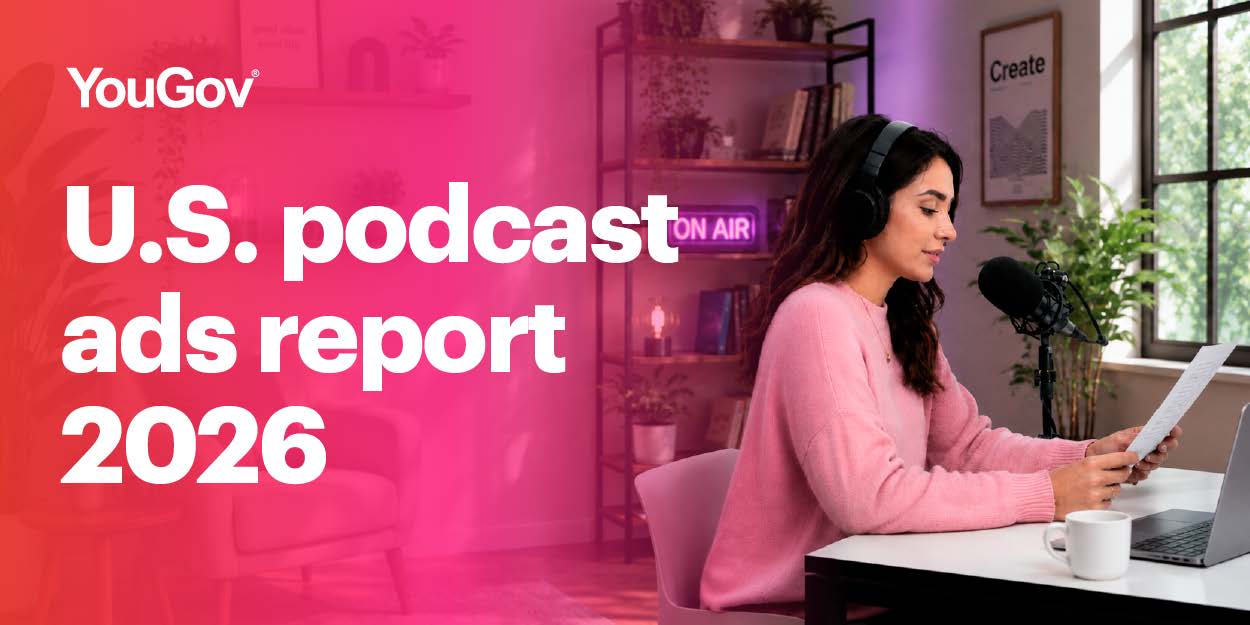
However, a new comprehensive study—the U.S. Podcast Ads Report 2026 by YouGov—seeks to shatter these misconceptions, moving the conversation beyond simple skip rates and into the nuanced psychology of listener engagement.
The Core Challenge: Moving Beyond the Skip Button
The primary hurdle for podcast monetization has always been the perception of "passive consumption." Because podcasts are often consumed while listeners are driving, exercising, or performing household chores, marketers have assumed that ad effectiveness is diluted by distraction.
The 2026 YouGov report, which synthesizes insights from over 1,300 U.S. adults—including a robust cohort of 800+ dedicated podcast listeners—suggests that the industry has been looking at the wrong metrics. Rather than focusing on how often a listener hits "fast-forward," the report argues that we must analyze the receptivity of the audience.
"We are seeing a paradigm shift," the report notes. "The effectiveness of an ad isn’t just about whether it was skipped, but whether it built brand equity, triggered a search, or altered the listener’s perception of a product."
Chronology: The Evolution of Podcast Metrics
To understand the current state of the industry, one must look at the historical trajectory of podcast measurement:

- The Early Era (Pre-2015): The "Wild West" of podcasting. Measurement was limited to simple download counts. If a file was requested, it was a "listen." Advertisers relied heavily on vanity codes and simple URL redirects.
- The Attribution Awakening (2016–2020): The rise of sophisticated ad-tech allowed for pixel-based tracking and deterministic attribution. However, this sparked privacy concerns and debates over the "intrusiveness" of tracking technologies.
- The Shift to Brand Lift (2021–2024): As tracking became more difficult due to Apple’s privacy changes and the sunsetting of cookies, the industry pivoted toward brand lift studies. Advertisers began valuing "recall" and "intent" over raw click-through rates.
- The Hybrid Future (2025–Present): With the surge in video-podcasting, the measurement landscape has become bifurcated. Brands are now forced to reconcile audio-only metrics with visual engagement data, leading to the current push for the holistic insights seen in the latest YouGov report.
Supporting Data: The Anatomy of Engagement
The YouGov 2026 report provides several critical takeaways regarding how modern audiences interact with sponsored content.
1. The Video Factor
One of the most significant variables introduced in the study is the role of video. The report highlights that video-first podcasts are changing the "trust dynamic." When listeners can see the host—often a trusted figure in their daily lives—the parasocial relationship is amplified. Ads delivered in a video-podcast format see a statistically higher conversion rate, as the visual cues (such as a host holding the product) bridge the gap between "mention" and "endorsement."

2. Trust as a Currency
The survey data indicates that host-read ads remain the gold standard for trust, but there is a rising threshold for "authenticity." Listeners are increasingly adept at identifying "canned" host-reads. The data suggests that when a host integrates a brand into the narrative of the episode rather than reading a script, listener retention during the ad break increases by nearly 22%.
3. The Path to Purchase
Contrary to the belief that podcasts are only for brand awareness, the study finds that 40% of listeners engage in "active search" within 24 hours of hearing a podcast ad. This behavior—searching for a product, checking reviews, or visiting a website—often happens after the episode concludes, proving that the "immediate click" is not the only metric that matters.

Official Industry Perspectives: The Bumper Score and Beyond
The ongoing debate over standardization was recently highlighted by Dan Misener of Bumper, who joined the Sound Off Podcast to discuss the current state of podcast analytics. Misener argues that the industry’s obsession with "standardization" might be counterproductive.
"We’re not trying to create standards," Misener stated during the interview. "People can agree to buy advertising with no industry body having to write a white paper in order to make that happen."

Misener’s perspective reflects a growing movement within the industry that favors marketplace-driven data. Instead of waiting for a universal, government-sanctioned measurement standard, publishers and advertisers are creating their own "Bumper scores" and proprietary data sets that allow for more flexible, context-aware ad buying. This mirrors the YouGov findings, which suggest that different audiences require different measurement frameworks.
Implications for the Future of Podcasting
As the industry matures, the implications of these findings are profound for both creators and advertisers.

For Advertisers: The End of "Spray and Pray"
The days of buying ads based purely on reach are fading. The data proves that context matters. Advertisers must now align their messaging with the "vibe" of the show. A product advertised on a show about "queer cozy mysteries" requires a vastly different creative approach than one advertised on a hard-hitting political news podcast. The YouGov report suggests that creative alignment is now as important as the audience size itself.
For Creators: Monetizing the "Long Tail"
The study also provides a blueprint for creators to increase their ad revenue. By understanding that their audience values authenticity, creators can charge premium rates for "integrated" ads that provide genuine value, rather than simply interrupting the flow of the content. Furthermore, the rise of video components suggests that creators who diversify their format—offering both audio for the commuter and video for the home-viewer—will capture a larger share of the advertising market.

For the Global Community: Innovations in Transcription
As highlighted in the Into The Podverse podcast, the evolution of podcasting is not limited to the U.S. market. With the advent of AI-powered transcription services that can handle code-switching and multilingual nuances (such as Yoruba, Pidgin, and Hausa), the global reach of podcasts is expanding. This democratization of content creates entirely new, untapped markets for advertisers who are willing to look beyond the English-speaking bubble.
Conclusion: A More Mature Market
The 2026 podcast advertising landscape is far more sophisticated than the early days of direct-response discount codes. We are moving toward a data-informed, trust-based model where the "skip button" is no longer the villain of the story.

Instead, the focus has shifted to the intent of the listener. By leveraging the findings from the YouGov U.S. Podcast Ads Report, brands can better understand how to reach their audience in ways that feel natural, respectful, and ultimately, effective.
As the industry continues to innovate—from the integration of video to the sophisticated handling of global languages—the podcast remains one of the most powerful tools in a marketer’s arsenal. The secret to success in 2026 is simple: stop worrying about the skips, and start focusing on the connection.

Quick Reference: Current Market Leaders (U.S. Data)
- Apple Podcasts: The Daily continues its reign as the #1 show in the U.S.
- Spotify: The Joe Rogan Experience remains the dominant force in the Spotify ecosystem.
- Emerging Trends: Fitness and Technology categories are seeing rapid growth, with shows like How to: Fitness and American Alchemy with Jesse Michels seeing significant spikes in engagement, signaling a shift in listener interest toward self-optimization and speculative tech.
For those looking to dive deeper, the full YouGov U.S. Podcast Ads Report 2026 is available for download, offering a comprehensive look at the metrics that are defining the next decade of audio.
 Asep Darmawan
 Jia Lissa
 Neng Nana
