

Introduction: A Paradigm Shift in Kenyan Agriculture
For generations, Kenyan farmers have relied on intuition, tradition, and often, trial-and-error, when managing the foundation of their livelihoods: the soil. However, a significant shift is underway. The "Soil Mapping for Resilient Agrifood systems" (SoilFER) programme is fundamentally altering the agricultural landscape by replacing guesswork with data-driven precision. By providing farmers with granular, location-specific insights into soil health, this initiative is not only boosting crop yields but also fostering a culture of sustainable land management across the nation’s 45 counties.
Spearheaded by the Food and Agriculture Organization of the United Nations (FAO) and the Kenya Agricultural and Livestock Research Organization (KALRO), SoilFER is a multi-layered intervention. It combines high-tech digital mapping, the renovation of regional laboratory infrastructure, and a community-led education model that empowers local farmers to become stewards of their own land.
The Core Mechanics of SoilFER: Data-Driven Farming
At the heart of the SoilFER programme is the democratization of scientific data. Agriculture, particularly for smallholder farmers, has historically been hampered by a lack of diagnostic tools. Farmers often over-apply fertilizers or use the wrong chemical inputs in a desperate bid to maximize yields, inadvertently degrading the very soil they rely on.
The Digital Mapping Infrastructure
To date, the programme has successfully collected and analyzed over 3,600 soil samples across 45 Kenyan counties. These samples are not merely tested; they are georeferenced to create a comprehensive, dynamic digital soil map. This map serves as a living document, allowing for location-specific prescriptions regarding soil pH levels, nutrient deficiencies, and organic matter content.
Empowering the ‘Soil Doctors’
Beyond the technical data, the programme recognizes that information is only as valuable as its application. To bridge the gap between lab results and farm-level practice, the initiative has launched the "Soil Doctor" training model. Select farmers are trained to diagnose soil degradation issues and implement restorative measures. These "Soil Doctors" then return to their communities to act as peer-to-peer educators, ensuring that the knowledge of soil health scales horizontally across rural networks.
Chronology: A Roadmap to Modernization
The trajectory of the SoilFER programme highlights a deliberate, phased approach to scaling agricultural resilience:
- Foundation Phase: The initial partnership between the UN FAO and KALRO was established at the Kabete headquarters, setting the stage for national cooperation.
- Infrastructure Investment: Recognizing that data analysis requires robust hardware, the partnership oversaw the renovation and high-tech equipment installation of three key laboratory facilities.
- Field Operations: The collection of 3,600+ samples began, spanning the diverse ecological zones of Kenya’s 45 counties.
- The Mobile Integration: The programme achieved a critical milestone by automating the delivery of results; farmers now receive their soil analysis directly via mobile phone text messages.
- National Expansion: The formal launch of the Kenya Soil Partnership and the national rollout of the Global Soil Doctors Programme marked the move from a pilot project to a systemic national framework.
Supporting Data and Technical Efficacy
The impact of the programme is rooted in its technical rigor. By equipping labs with state-of-the-art technology, KALRO has significantly reduced the turnaround time for soil analysis. This efficiency is crucial; in agriculture, timing is everything.
The Role of Mobile Connectivity
Kenya’s high rate of mobile penetration has been a secret weapon for the SoilFER team. By bypassing the need for physical paperwork and mail-in reports, the digital transmission of soil data ensures that farmers receive actionable insights during the critical pre-planting window. This allows for precise purchasing of fertilizers, saving farmers money while preventing the environmental damage caused by nutrient runoff and soil acidification.
Regional Implementation
While Kenya serves as a primary hub for this methodology, the SoilFER framework is being piloted as part of a larger global effort. The programme is simultaneously active in Ghana, Guatemala, Honduras, Mozambique, Tunisia, and Zambia. This global cross-pollination of data and best practices allows the FAO to refine the SoilFER model continuously based on diverse climatic and soil conditions.
Voices from the Field: "Now We Know Better"
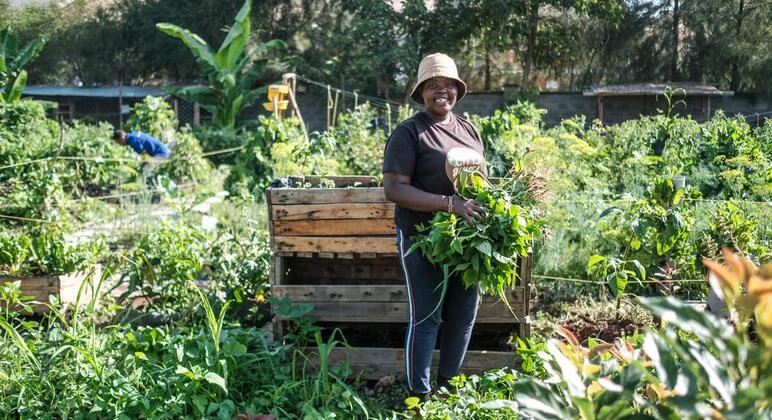
The success of the programme is best exemplified by the transformation of farmers like Agness Munialo from Kakamega County. Her experience reflects a broader shift in mindset among the agricultural community.
"Farmers would use excessive chemicals, sometimes even more fertilizers in an attempt to get more yields," Ms. Munialo remarked. "Now we know better."
Her testimony highlights a key psychological and economic hurdle: the misconception that more input always equals more output. Through her training as a "Soil Doctor," Ms. Munialo has learned that healthy soil is a biological system that requires balance rather than just chemical saturation. By understanding the specific pH and fertility needs of her land, she has moved from a reactive farming style to one characterized by precision and foresight.
Attracting the Next Generation
A significant, perhaps unintended, success of the initiative is its appeal to younger Kenyans. Agriculture has often been viewed by Gen Z as a labor-intensive, low-reward occupation. However, the integration of data science and mobile technology is changing that narrative. Jackline Kioko, a KALRO intern, notes that the ability to apply scientific testing to a family farm changes the profession from "toiling" to "managing."
"I’d love to do farming more, now that I have the information that you can actually test your soils to know what nutrients it requires," Kioko said. This transition is essential for the future of food security, as the average age of the African farmer continues to climb.
Official Responses and Policy Implications
The government of Kenya has signaled that soil health is now a cornerstone of its national agricultural strategy. Cabinet Secretary for Agriculture, Mutahi Kagwe, emphasized that institutional cooperation is the only way to achieve food security.
"I want to urge Kenyans that before thinking about what to plant or the fertilizer to use, think about soil testing," Secretary Kagwe stated during the official launch event. He has called for a systemic integration of soil health protocols across all relevant agricultural institutions, moving away from isolated, siloed departments toward a cohesive national strategy.
The Institutional Framework
The launch of the Kenya Soil Partnership and the Kenya Soil Laboratory Network represents a formal commitment to this vision. These institutions are tasked with:
- Standardizing Testing: Ensuring that labs across the country adhere to the same rigorous scientific standards.
- Policy Coordination: Using the national soil map to inform government fertilizer subsidy programs, ensuring that the right types of fertilizers are distributed to the right regions.
- Knowledge Exchange: Creating a platform for researchers, policymakers, and farmers to share findings and adjust strategies in real-time.
Implications: A Sustainable Path Forward
The SoilFER programme is more than just a series of tests; it is an exercise in long-term resilience. As climate change continues to make weather patterns more unpredictable, the quality of the soil becomes the primary buffer against crop failure. Healthy, nutrient-rich soil retains moisture better, resists erosion, and supports robust root systems that can withstand both drought and heavy rainfall.
Economic Impact
For the individual farmer, the economic implications are immediate. Reduced spending on unnecessary chemical fertilizers directly increases net income. Furthermore, consistent yields lead to more stable market pricing, which benefits both producers and consumers.
Environmental Sustainability
Beyond the farm gate, the environmental impact is profound. Excessive nitrogen and phosphorus application is a major contributor to water pollution and the degradation of local ecosystems. By fostering a "precision agriculture" approach, the SoilFER programme aligns the goals of economic development with those of environmental stewardship.
Looking Toward the Future
The integration of Gen Z into the agricultural sector, the strengthening of regional labs, and the national adoption of data-driven protocols suggest that Kenya is positioning itself as a leader in sustainable African agriculture. While the road to full national coverage is long, the infrastructure and the "Soil Doctor" network provide a scalable template for success.
In conclusion, the SoilFER programme serves as a powerful reminder that the solutions to global food insecurity are often buried beneath our feet. By combining the latest in digital technology with the ancient wisdom of the land and the dedication of local farmers, Kenya is proving that the path to a resilient future is paved with data, collaboration, and a deep respect for the soil. As the programme continues to expand, it stands as a beacon for other nations, demonstrating that when you treat the soil with intelligence, it responds with abundance.
 Ammar Sabilarrohman
 Asro
