

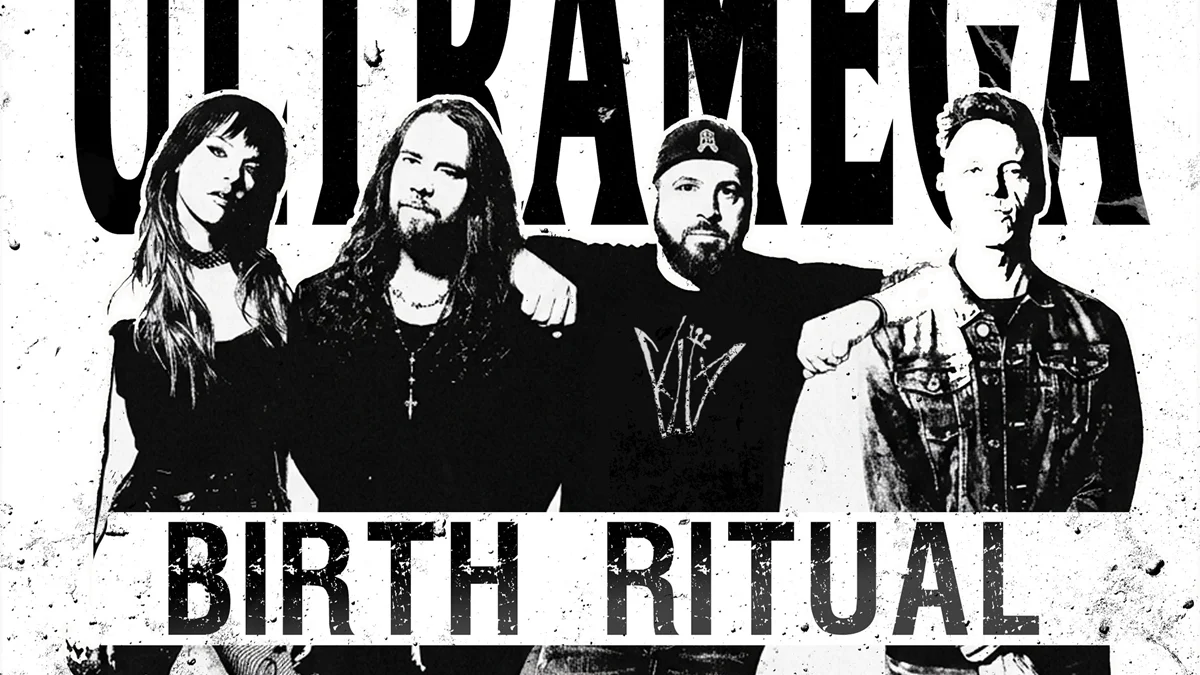
The enduring legacy of Chris Cornell continues to reverberate through the modern rock landscape, anchored by the ambitious King Ultramega tribute project. Curated by bassist Mike Menghi, the project has served as a sonic bridge between the pioneers of the Seattle grunge movement and contemporary rock heavyweights. Its latest offering, a blistering and atmospheric reimagining of Soundgarden’s progressive metal staple "Birth Ritual," stands as perhaps the most significant installment yet, featuring a powerhouse collaboration between Halestorm’s Lzzy Hale and original Soundgarden drummer Matt Cameron.
This release is more than a mere cover; it is a meticulously crafted homage that captures the visceral intensity of the original Badmotorfinger-era sessions while injecting the modern fire that has made Hale one of the most vital vocalists of her generation.
The Genesis of a Grunge Classic: A Chronological Context
To understand the weight of King Ultramega’s new single, one must first look back at the origins of "Birth Ritual." Originally conceived during the prolific sessions for Soundgarden’s 1991 masterpiece Badmotorfinger, the track was famously sidelined as an outtake, only to find its permanent home on the iconic 1992 Singles soundtrack.
For decades, the song remained a cult favorite—a deep cut that showcased the band’s technical prowess and penchant for odd-metered, abrasive song structures. It eventually saw a broader audience through the band’s career-spanning compilations, Telephantasm (2010) and Echoes of Miles (2014). The song represents the quintessential Soundgarden sound: Kim Thayil’s sludge-heavy, complex riffing, Cornell’s soaring, operatic vocal range, and the rhythmic complexity provided by Matt Cameron. By choosing such a technically demanding and historically significant track, the King Ultramega project has signaled its intent to challenge its collaborators, moving beyond the band’s radio hits to explore the darker, more progressive corners of the Soundgarden catalog.
Anatomy of a Reimagining: Musical Nuances
The King Ultramega rendition, featuring Menghi on bass, Joe Hottinger on guitar, Matt Cameron on drums, and Lzzy Hale on vocals, shifts the sonic architecture of the track. While the original was defined by its thick, bass-forward low end, this version allows Hottinger’s guitar work to take center stage.
Hottinger, known for his work in Halestorm, faced the daunting task of capturing Kim Thayil’s idiosyncratic playing style. To achieve the requisite crunch, Hottinger utilized his Bogner Snorkler and Wizard Hell Razor amplifiers, creating a soundscape that mirrors the original’s ferocity while allowing for individual creative liberties during the guitar solos. The result is a performance that honors the "DNA" of the track while feeling distinctly fresh.
Matt Cameron’s return to the song is, arguably, the most poignant aspect of the recording. Cameron, a pillar of the rock community who has maintained the rhythmic heartbeat of both Soundgarden and Pearl Jam, brings a "restrained confidence" to the table. Rather than attempting to replicate the youthful aggression of the 1991 recording, Cameron utilizes his vast experience, deploying his signature prog-rock chops with a surgical, conservative precision that elevates the entire ensemble without overpowering it.
The Vocal Force: Lzzy Hale’s Interpretive Power
The centerpiece of the recording is undoubtedly Lzzy Hale. Covering a Chris Cornell song is widely considered one of the most daunting tasks in rock music due to the late icon’s unmatched vocal range, emotional vulnerability, and technical mastery. Hale, however, does not simply mimic Cornell; she channels his spirit.
Industry critics and fans alike have noted that this performance marks a career high for Hale. She captures the jagged, raw emotion of the lyrics, finding a way to balance the haunting vulnerability of the verses with the incendiary power required for the song’s climactic moments. It is a performance defined by control and grit, serving as a testament to her standing as a premier vocalist in modern rock.
Official Responses and Artistic Intent
The artists involved have been vocal about the emotional and technical challenges of the project. Lzzy Hale expressed the profound sense of responsibility she felt during the recording process.
"Every time I tackle a Chris Cornell track, I always want to honor his legacy," Hale noted in a press statement. "But with ‘Birth Ritual,’ I wanted to dance with it, meld his incendiary words with my soul, and find a way to live inside the song. It’s not just about hitting the notes; it’s about conveying the weight of the words."
Joe Hottinger echoed these sentiments, highlighting the technical hurdles of the track. "’Birth Ritual’ is such a wild song for the guitars. It’s a tuning I’ve never used and is super fun to play. I love how it just grooves with the drums. I decided to use my Bogner Snorkler and Wizard Hell Razor amps—my two favorite crunch amps right now. I kept it pretty true to the original on the rhythm guitar parts and took my liberties with the solos. All in all, the track was a joy to learn and play, and I’m super excited to be on a track with one of my heroes, Matt Cameron."
Implications for the King Ultramega Project
The success of "Birth Ritual" serves as a catalyst for the broader King Ultramega mission. The project has become a vital repository for Soundgarden appreciation, bridging the gap between the grunge era and the modern rock scene.
Prior to this release, the project had already garnered critical acclaim for its previous covers, including "Loud Love" (also featuring Hale), "Rusty Cage," "The Day I Tried to Live" (which featured a guest appearance by Kim Thayil), and "Dead Wishes" (featuring Brann Dailor of Mastodon).
These collaborations suggest a larger, more profound implication for the music industry: the "tribute" model is evolving. Rather than creating stagnant cover versions, projects like King Ultramega are inviting contemporary artists to engage in a dialogue with their influences. By bringing in original members like Matt Cameron to play alongside current rock stars, the project creates a living, breathing history of the music. It ensures that the technical complexity and emotional depth of Chris Cornell’s songwriting remain central to the conversation of modern rock.
Looking Forward
As the project continues to unfold, it raises the question: who will be next to step into the King Ultramega studio? With each release, Mike Menghi is effectively mapping out the influence of Soundgarden on the current generation of rock musicians. The project has successfully avoided the pitfalls of nostalgia, instead opting for a model of celebration and evolution.
The release of "Birth Ritual" is, at its heart, a reminder of why Soundgarden remains one of the most important bands in rock history. Their music, defined by its resistance to categorization and its uncompromising technicality, continues to serve as a north star for musicians who demand more from the genre. With Lzzy Hale’s commanding vocal performance and Matt Cameron’s masterful return to the kit, King Ultramega has set a new benchmark for how we honor the masters of our past while pushing the boundaries of the future.
For fans, the track is available for streaming across all major platforms, and the accompanying music video offers a candid look at the recording process—a visual document of the reverence and joy that went into crafting this latest installment of the Cornell legacy. In an era where the industry is increasingly fragmented, the King Ultramega project stands as a unifying force, reminding us all of the power of a great song, a great band, and the enduring resonance of a singular, irreplaceable voice.
 Asro
Asro
 Lina Irawan
 rifanmuazin
