

If you purchase an independently reviewed product or service through a link on our website, Robb Report may receive an affiliate commission.
Whiskey marketing is often an exercise in hyperbole. Distilleries frequently inundate consumers with flowery tasting notes—invoking the nostalgia of Christmas cakes, the depth of treacle, or the ethereal essence of a Highland morning—leaving the drinker to wonder if they are tasting the spirit or merely reading a suggestion. However, occasionally, a brand’s claims align perfectly with the liquid in the glass. This is the case with Fettercairn’s latest releases. The Highland distillery has unveiled a pair of single malt scotches that eschew the traditional, heavy, peat-forward profile of the region in favor of a bright, vibrant, and unabashedly tropical character, making them essential additions to any summer spirits collection.
Main Facts: The New Expressions
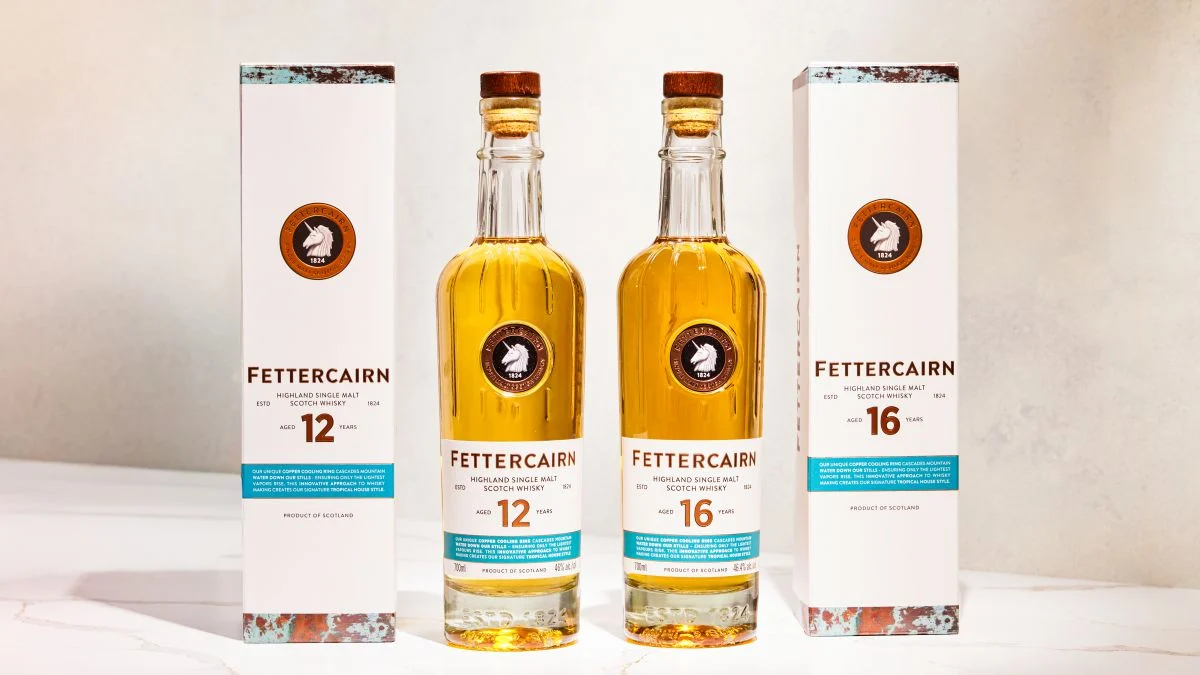
Fettercairn, a distillery with a two-century-long history that has only recently gained significant traction in the United States, is expanding its footprint. Following the successful, high-end launch of its 24 and 28-year-old expressions, the brand has introduced a 12-year-old and a 16-year-old single malt.
These expressions represent a strategic move to introduce a wider audience to the "Fettercairn style." While the older, high-age-statement whiskies captured the attention of collectors and connoisseurs, these younger siblings are designed to be accessible, approachable, and technically masterful. Both are bottled without chill filtration and maintain their natural color, ensuring that the integrity of the spirit remains untainted by the industrial processes often used to stabilize mass-market whiskies.
The 12-year-old is bottled at 46% ABV, offering an entry point into the distillery’s unique profile, while the 16-year-old—bottled at 46.4% ABV—provides a slightly more mature, oak-influenced experience that bridges the gap between the distillery’s core house style and its longer-aged, luxury expressions.
A Chronology of a Highland Hidden Gem
To understand why these new releases are significant, one must understand the history of Fettercairn. Founded in 1824 by Sir Alexander Ramsay, Fettercairn is one of the oldest licensed distilleries in Scotland. Situated in the foothills of the Cairngorm mountains, it has long been a "distiller’s distillery," often supplying malt for prominent blends rather than promoting its own single malt label.
Owned by Whyte & Mackay—the parent company behind industry heavyweights like The Dalmore and Jura—Fettercairn remained largely under the radar for international consumers for decades. The brand’s formal pivot toward the global single malt market began in earnest within the last few years. The 2023 arrival of the 24 and 28-year-old expressions in the U.S. marked a turning point, signaling a commitment to transparency and premium positioning.
The launch of the 12 and 16-year-old whiskies in late spring of this year serves as the second phase of this strategy. By filling the gap between rare, high-cost bottles and the absence of a core range, Fettercairn is effectively establishing its identity as a producer of "tropical" Highland scotch—a distinct departure from the honey-and-heather stereotype of the region.
The Science of the Still: Tropicality by Design
The most compelling aspect of Fettercairn’s character is not marketing fluff; it is a mechanical engineering choice. The distillery employs a unique copper cooling ring system fitted to the neck of its spirit stills.
In traditional distillation, heavier vapors fall back into the pot, but Fettercairn’s cooling rings douse the exterior of the still necks with cold spring water. This forces the reflux of heavier elements while allowing only the lightest, most delicate vapors to reach the condenser. This specific distillation technique is the catalyst for the "tropical" profile that the distillery has become famous for.
By stripping away the heavier, earthier compounds during the distillation phase, the resulting "new make" spirit is clean, fruity, and remarkably light. This spirit then interacts with the maturation process, resulting in a finished product that exhibits notes more commonly associated with Caribbean spirits than traditional Scotch.
Official Responses and Distillery Philosophy
Stewart Walker, the distillery manager at Fettercairn, has been vocal about the importance of this distillation process in defining the brand’s future. In a recent statement regarding the new releases, Walker noted:

"That process gives us a beautifully light, tropical spirit to work with, and from there, it’s about shaping that character with care—preserving its freshness while building texture and complexity through maturation."
For Walker and his team, the goal is not to force the whisky into a specific flavor profile through heavy-handed cask finishing, but rather to allow the inherent character of the distillate to shine through. By focusing on high-quality ex-bourbon barrels, they ensure that the sweetness of the oak complements, rather than masks, the pineapple and banana notes derived from the stills.
Supporting Data: Tasting Notes and Profiles
For those who wish to experience the results of this technical precision firsthand, the differences between the 12 and 16-year-old expressions are distinct yet harmonious.
The 12-Year-Old (SRP $55)
Aged entirely in ex-bourbon barrels, this is the purest expression of the "Fettercairn style."
- Nose: Fresh pineapple, vibrant banana, and a hint of white floral notes.
- Palate: A creamy mouthfeel that carries flavors of mango, vanilla bean, and a subtle zesty ginger kick.
- Finish: Clean and refreshing, leaving a lingering note of citrus peel.
The 16-Year-Old (SRP $90)
With four additional years in the barrel, the 16-year-old showcases how time deepens the tropical foundation.
- Nose: More prominent oak influence, with notes of toasted coconut and cinnamon.
- Palate: The tropical fruit remains, but it is joined by richer textures: ripe pear, green apple, and a distinct note of custard.
- Finish: A touch of milk chocolate and warming spice, indicating the depth gained through extra maturation.
Implications for the Whisky Market
The release of these whiskies has several implications for the current spirits landscape. First, it challenges the consumer perception of "Highland Scotch." For too long, the region has been viewed through a narrow lens. Fettercairn is proving that with intentional engineering, Highland malts can compete with the brightness of Speyside or the fruit-forward profiles of some Lowland whiskies.
Second, it addresses the "value gap." As the price of rare, aged whiskies continues to climb, the $55 to $90 price point for high-quality, 12 to 16-year-old single malts offers a rare opportunity for enthusiasts to acquire a "serious" bottle that is accessible enough to be enjoyed on a Tuesday evening, rather than saved for a special occasion.
Finally, the success of these expressions underscores the growing consumer demand for "honest" whisky. By opting for natural color and no chill filtration, Fettercairn is aligning itself with the current market trend toward transparency. Consumers are increasingly literate regarding the production of their spirits, and they are rewarding brands that provide technical details and abstain from artificial additives.
Availability and Where to Purchase
As of mid-2024, both the 12 and 16-year-old expressions are widely available at major national retailers. For those looking to explore the range, the 12-year-old is an ideal starting point for those who enjoy bright, vibrant spirits, while the 16-year-old is recommended for those who prefer a more layered, complex dram.
These bottles can be found at retailers like Total Wine. For those interested in the deeper, older expressions that initiated the brand’s U.S. renaissance, the 24 and 28-year-old bottlings remain available through premium spirits retailers such as ReserveBar.
Whether you are a seasoned collector looking for the latest Highland standout or a newcomer curious about the nuances of single malt, Fettercairn’s new releases provide a compelling argument that the best whiskies are those that lean into their own unique, and often unexpected, character.
 Ali Ikhwan
 Laily UPN
 Raul Delapena Setiawan
