

Two decades ago, a single visual choice in a music video transformed the luxury beverage landscape. When hip-hop mogul Shawn “Jay-Z” Carter prominently featured a bottle of Armand de Brignac—affectionately dubbed the “Ace of Spades” due to its distinctive logo—in his 2006 video for “Show Me What You Got,” few could have predicted that it would evolve from a bold lifestyle statement into a cornerstone of the modern luxury wine industry. Today, that decision stands as one of the most successful brand-building maneuvers in the history of premium spirits, marking a shift in how luxury is defined, marketed, and consumed.
A Cultural Pivot: The Genesis of a Brand
The origin of Armand de Brignac’s prominence is inextricably linked to a high-profile cultural dispute. In the early 2000s, Cristal, produced by Louis Roederer, was the quintessential Champagne of the hip-hop elite. However, in 2006, the managing director of Louis Roederer made comments in an interview that were widely perceived as dismissive and racist toward the hip-hop community.
Jay-Z, a cultural arbiter with immense influence, responded not with a press release, but with a direct action. In the music video for “Show Me What You Got,” filmed against the glamorous, high-octane backdrop of Monaco, Carter is chauffeured by NASCAR legend Dale Earnhardt Jr. while racing alongside Danica Patrick. As he navigates the yacht-lined harbors and elite casinos, he is offered a bottle of Cristal. In a cinematic moment of defiance, he waves the bottle away, opting instead for the gold-plated, opaque bottle of Armand de Brignac. It was a masterclass in brand positioning: a public, decisive rejection of an establishment that had failed to show respect, replaced by a new, more inclusive alternative.
Chronology: From Investor to LVMH Partnership
The journey of Armand de Brignac has been marked by strategic milestones that have solidified its place in the market.

- 2006: Armand de Brignac is launched. Jay-Z begins his association with the brand as a prominent investor and promoter.
- 2014: Recognizing the long-term value and the untapped potential of the house, Jay-Z acquires the brand outright. This move granted him total creative control and the ability to steer the brand’s identity toward the ultra-luxury segment.
- 2021: In a landmark deal, LVMH Moët Hennessy Louis Vuitton acquires a 50 percent stake in the Champagne house. This partnership provided Armand de Brignac with the global distribution infrastructure of the world’s largest luxury conglomerate, effectively cementing its status as a permanent fixture in the global fine wine market.
The Science of the Assemblage: Behind the Bottle
The prestige of Armand de Brignac is not built on image alone; it is anchored by a rigorous commitment to viticulture and traditional winemaking. The brand’s most recent release, the Assemblage No. 5, represents the pinnacle of their craft.
As a 100 percent Pinot Noir Blanc de Noirs, the wine is a technical achievement. The grapes are sourced from a blend of the house’s own vineyards and a meticulously curated network of small family producers. These farms are situated in some of the most coveted Premier and Grand Cru villages in the Montagne de Reims, including Verzenay, Verzy, Ludes, and Mailly.
However, the "secret weapon" of the blend, according to Monika Kaufman, Armand de Brignac’s president of North America, is the fruit sourced from Ville-sur-Arce in the far south of the Champagne region. “It’s very close to Burgundy; you get great acidity from the Pinot Noir,” Kaufman explained in an interview. “The reason that our winemaker used quite a bit of this fruit is because of the darker fruit, the gaminess of the Pinot Noir, and an almost iron-like characteristic that adds depth to the blend.”
Technical Profile: Assemblage No. 5
Assemblage No. 5 is a multi-vintage masterpiece. Its foundation is the 2016 harvest—a year widely regarded as outstanding for Pinot Noir—supplemented by reserve wines from the 2015 and 2014 seasons.

- Production: Limited to only 8,165 individually numbered bottles.
- Sensory Experience: Visually, the wine displays a pale, luminous yellow hue. On the nose, it offers a complex bouquet of yellow plum, ripe summer cherry, dried apricot, and warm, toasted brioche.
- Palate: The initial sip is bracing and precise, unfolding into layers of mango, Granny Smith apple, and candied orange peel, finished with a distinct, refreshing saline splash and a lingering note of espresso bean.
- Aging Potential: Designed for immediate enjoyment, the structural integrity of the wine also allows for cellar aging of up to 20 years.
Official Perspectives: The Philosophy of Luxury
For the leadership at Armand de Brignac, the brand is more than just a product; it is a testament to quality that defies the traditional "old guard" rules of the Champagne industry. By maintaining a limited, numbered production, they ensure that exclusivity is maintained—a trait that appeals to the high-net-worth collector market.
Kaufman notes that the brand’s ability to successfully bridge the gap between pop culture and traditional French viticulture is what differentiates it from historic houses. The collaboration with LVMH, while seemingly corporate, has allowed the house to scale its operations while maintaining the artisanal, small-batch spirit that Jay-Z instilled when he first purchased the company.
The Broader Implications: The New Era of Champagne
The success of Armand de Brignac has signaled a fundamental shift in the Champagne market. Historically, the industry was dominated by heritage houses that relied on centuries of tradition to maintain relevance. Armand de Brignac proved that a modern, celebrity-led, high-quality product could disrupt this hierarchy.
This shift has had two major implications:

- Democratization of Luxury Marketing: The "Ace of Spades" proved that social currency and cultural relevance are just as valuable as historical pedigree. It forced traditional houses to modernize their approach to marketing, digital presence, and influencer partnerships.
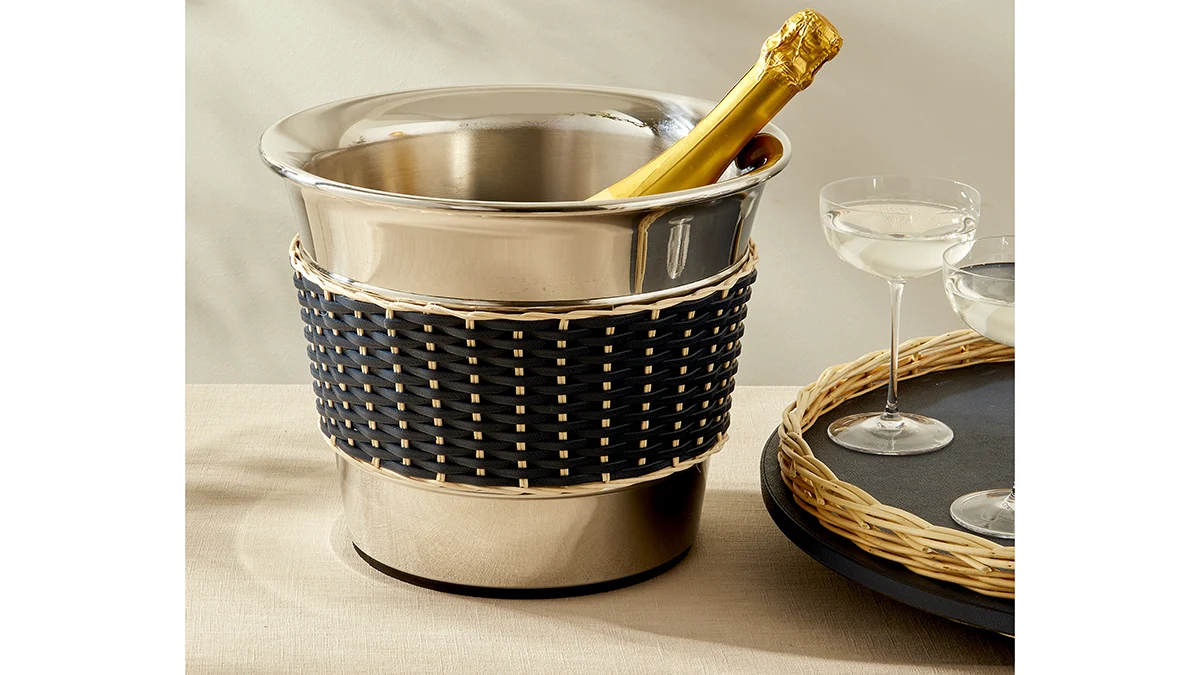
- The Rise of the Accessory Economy: As the brand grew, so did the demand for the lifestyle surrounding it. The emergence of high-end accessories, such as the new Pigment France champagne buckets, illustrates how the brand is being integrated into the interior design and hospitality standards of the world’s elite. These handwoven rattan and leather vessels, designed to hold up to three bottles, serve a functional purpose—maintaining the perfect service temperature—but also function as status symbols in their own right.
Conclusion: The Next 20 Years
As Armand de Brignac enters its third decade, the focus remains on consistency and innovation. The release of the twin pack—pairing Assemblage No. 5 with the preceding No. 4—is a nod to this milestone anniversary, inviting collectors to experience the evolution of the house style side-by-side.
From a controversial protest against an establishment brand to a partner with the world’s most powerful luxury conglomerate, the arc of Armand de Brignac is a study in visionary branding. It is a story that proves that when quality is paired with a distinct, uncompromising identity, the results can transform an entire industry. Whether you are a casual enthusiast or a seasoned collector, the "Ace of Spades" is no longer just a trend—it is a staple of the 21st-century luxury experience.
 Ali Ikhwan
 Laily UPN
 Raul Delapena Setiawan
