

The international community is currently grappling with a cascading series of humanitarian emergencies that threaten the stability of millions. From the gang-ravaged streets of Haiti to the precarious ceasefire zones of Lebanon, the besieged corridors of Gaza, and the Ebola-stricken provinces of the Democratic Republic of the Congo (DRC), the United Nations and its humanitarian partners are struggling to maintain life-saving operations against a backdrop of severe underfunding, persistent violence, and deteriorating infrastructure.
Haiti: A Nation Under Siege
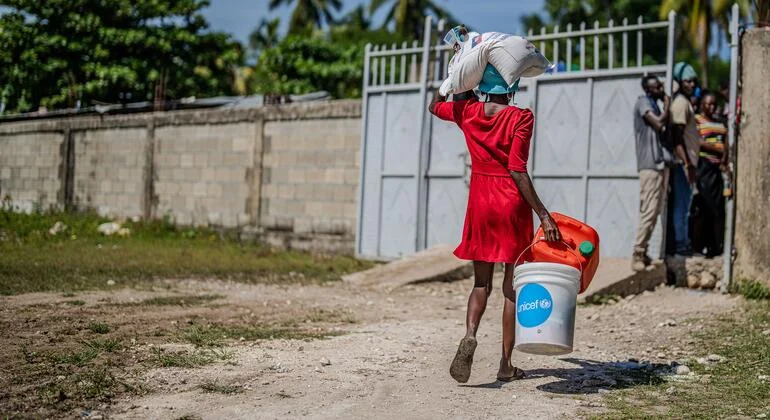
Haiti’s humanitarian landscape has entered a harrowing new phase as armed groups continue to exert control over vast swaths of the country. Recent violence in the Artibonite department has triggered a fresh wave of displacement, with the majority of those fleeing seeking safety in the commune of Marchand Dessalines.
The Erosion of Safety and Stability
The situation in the West department is equally dire. Since June 13, clashes in Cité Soleil have displaced more than 5,000 individuals, effectively dismantling essential social services. The violence has forced Médecins Sans Frontières (MSF) to suspend operations at a vital maternity facility, leaving expectant mothers without access to emergency obstetric care.
Beyond the immediate conflict, the Office for the Coordination of Humanitarian Affairs (OCHA) has reported a concerning increase in the forced return of migrants. Data from 2026 indicates that 24 percent of these returnees are women, while nearly 8 percent are children, populations particularly vulnerable to the systemic instability of their home country.
Despite an emergency allocation of $140.5 million in April to support one million people, the broader financial outlook remains bleak. The 2026 Humanitarian Appeal for Haiti—totaling $880 million—is currently only 27 percent funded, with just $240 million received to date. This funding gap is not merely a fiscal shortfall; it represents a tangible inability to provide food, shelter, and medicine to a population at the brink of total collapse.
Lebanon: A Fragile Peace
While a ceasefire between Israel and Lebanon has provided a temporary reprieve, the path to recovery is fraught with uncertainty. According to OCHA, while there is a gradual decline in the number of displaced persons residing in collective shelters, the situation remains far from stabilized.
The Shadow of Conflict
Currently, over 57,000 people are still sheltering in 516 collective centers. The hesitation to return home is rooted in a collective trauma exacerbated by fears of renewed hostilities, the persistent presence of Israel Defense Forces, and the sheer scale of physical destruction in southern Lebanon.
Despite the cessation of formal hostilities, reports of ceasefire violations continue to reach the UN Interim Force in Lebanon (UNIFIL). UN Spokesperson Stéphane Dujarric issued a stern reminder on Friday: "We urge all to adhere fully to the ceasefire and refrain from any escalation, particularly during this delicate period of ongoing negotiations."
Sustaining Life Amidst Ruins
Since the escalation on March 2, the UN has undertaken a massive logistical operation to provide for the displaced. The distribution metrics underscore the severity of the crisis:
- Shelter and Comfort: 181,000 blankets and 141,000 mattresses provided.
- Hygiene and Dignity: 162,000 hygiene kits and 92,000 menstrual hygiene kits distributed.
- Water Security: 3.7 million liters of bottled drinking water delivered to affected communities.
Gaza: The Struggle for Basic Necessities
In Gaza, the humanitarian catastrophe continues to evolve into a public health crisis. The UN is currently prioritizing water, sanitation, and hygiene (WASH) interventions, yet the obstacles remain immense.
Public Health and Infrastructure
The UN Spokesperson reported that UN agencies are conducting widespread pest-control campaigns; however, these efforts are battling a surge in skin diseases and other communicable conditions linked to poor sanitary conditions. The UN Development Programme (UNDP) and UNICEF are working in tandem to mitigate these risks, with the former delivering five additional water trucks and the latter providing vital water treatment chemicals.
However, officials emphasize that "water trucking remains a backup option." The systemic repair of Gaza’s damaged water infrastructure is the only long-term solution to prevent a total health collapse.
Aid Delivery and Early Recovery
Last week, humanitarian partners reached nearly 50,000 people with psychosocial care, legal aid, and case management, while 20,000 others received cash assistance to address basic needs. While there are flickering signs of agricultural recovery, the destruction of infrastructure remains a major hurdle, with approximately 80 percent of Gaza’s greenhouse capacity currently unusable. The UNRWA continues to be the backbone of support, with 76,000 displaced persons currently housed in their facilities.
Democratic Republic of the Congo: Ebola and Hunger
The convergence of a deadly viral outbreak and chronic food insecurity has created a "perfect storm" in the eastern Democratic Republic of the Congo. The World Food Programme (WFP) is currently scaling up its response as the Ebola virus reaches 34 health zones across Ituri, North Kivu, and South Kivu.
The Intersection of Virus and Famine
The WFP has identified that 30 of these health zones are experiencing crisis levels of hunger or worse. The correlation between food insecurity and Ebola transmission is clear: when families are starving, they are less likely to adhere to quarantine protocols and more likely to travel in search of sustenance, thereby inadvertently spreading the virus.
Since late May, the WFP has provided over 36,000 hot meals to patients and caregivers in treatment centers, while food rations have been distributed to households under quarantine to ensure they can remain in isolation without sacrificing their survival.
Logistical Challenges
The WFP is not only a food provider but also a critical logistics partner, transporting medical supplies and personnel to inaccessible hotspots. However, the agency faces a significant funding deficit, requiring $72 million over the next six months to sustain operations. Without this investment, the combination of insecurity and malnutrition threatens to render the Ebola response entirely ineffective.
Chronology of Key Events
- March 2: Fighting escalates in Lebanon, prompting a massive humanitarian response.
- April 14: The UN allocates $140.5 million in emergency funding for Haiti.
- June 13: Armed groups clash in Cité Soleil, Haiti, displacing over 5,000 people.
- Late May – Present: WFP expands Ebola response in the DRC, delivering 36,000 meals to containment centers.
- Friday (Current Week): UN Spokesperson Dujarric highlights ongoing humanitarian efforts in Gaza and calls for strict adherence to the Lebanon ceasefire.
Official Responses and Strategic Implications
The overarching theme across all four theaters of conflict is the inadequacy of current funding levels against the rising tide of human suffering. The United Nations has consistently called for a shift from reactive emergency aid to sustainable, long-term infrastructure investment.
- Haiti: The international community is being urged to support the $880 million appeal to prevent the total abandonment of the Haitian population by the global community.
- Lebanon: The focus remains on stabilizing the ceasefire. The UN is emphasizing that diplomatic negotiations are the only path to preventing the return of large-scale hostilities.
- Gaza: The strategy is shifting toward the rehabilitation of civil infrastructure. Water networks and health facilities are being prioritized to halt the spread of preventable disease.
- DRC: The WFP and WHO are working to integrate nutritional aid into the public health strategy, acknowledging that the Ebola outbreak cannot be defeated unless the population is fed.
Conclusion
The global humanitarian situation is currently at a breaking point. Whether through the systematic violence in Haiti, the fragile peace in Lebanon, the resource-depleted corridors of Gaza, or the viral threat in the DRC, the common thread is a lack of financial and political commitment. As the UN continues to deliver aid, the need for a renewed international consensus—one that prioritizes human life over political and logistical expediency—has never been more urgent. Without a significant influx of funding and a cessation of hostilities, the humanitarian community risks being unable to provide the most basic lifelines to the world’s most vulnerable.
 Lina Hope
 Asro
Asro
 Layla Zulfa
