

By Editorial Staff
October 12, 2026
In a significant victory for the international art community, the Renoir Museum in Cagnes-sur-Mer has announced the successful recovery of two prized paintings stolen during a brazen, pre-dawn raid that shocked the French Riviera last month. The works, which represent a vital link to the final years of Impressionist master Pierre-Auguste Renoir, were retrieved by local authorities following an intensive multi-week investigation that has now led to the arrest of six suspects.
The recovery brings a sense of closure to an event that local officials described as an assault on the cultural soul of the region. As the museum prepares to re-hang the masterpieces, the art world turns its attention back to the historic villa where Renoir spent the final years of his life, reflecting on the fragility of cultural heritage in an era of increasingly sophisticated art crime.
The Heist: A Surgical Strike on Impressionist History
The theft, which occurred in mid-September 2026, was characterized by its cold precision. According to investigators, the perpetrators bypassed the museum’s security perimeter under the cover of darkness, executing a surgical operation to remove the artworks from the walls.
Mayor Bryan Masson, who has been vocal throughout the investigation, noted at the time that the thieves utilized heavy-duty equipment, specifically an electric knife or metal saw, to compromise the reinforced bolts holding the frames in place. This level of technical preparation suggested a degree of planning rarely seen in local burglaries, leading authorities to suspect an organized group with connections to the underground art trade.
Of the four paintings initially targeted, two were abandoned on-site—presumably due to unforeseen complications during the extraction—while the others were spirited away. The recovery of the two missing pieces, Portrait of Madame Colonna Romano (1910) and Jeune fille au puits (1886), is being hailed as a triumph of coordinated police work between local Cagnes-sur-Mer officers and regional specialized art crime units.
Chronology of the Crisis
The unfolding drama began on a quiet September night in 2026, when the museum’s alarm systems were triggered. Despite the rapid response of local law enforcement, the thieves managed to vanish into the coastal night.
- Mid-September 2026: Four paintings are extracted from the walls of the Renoir Museum. Two—Portrait of Madame Pichon (1895) and Coco Lisant (1905)—are left behind by the fleeing suspects. The two primary targets, Portrait of Madame Colonna Romano and Jeune fille au puits, are successfully removed from the premises.
- Late September 2026: A specialized task force is assembled. The investigation widens, moving from local surveillance footage to international intelligence sharing regarding potential buyers in the illicit art market.
- Early October 2026: Leads generated by digital forensics and local informant networks converge, narrowing the suspect pool to a group of six individuals with suspected ties to European theft syndicates.
- October 11, 2026: A coordinated raid takes place. Authorities arrest all six suspects and recover the two paintings, which were found in pristine, albeit vulnerable, conditions.
- October 12, 2026: The official announcement is made, confirming the recovery and the impending return of the works to public display.
Assessing the Loss and Recovery: A €9 Million Legacy
The two recovered works are valued at an estimated €9 million ($10.5 million). However, for curators and art historians, the value far exceeds the market appraisal.
Portrait of Madame Colonna Romano represents the mature, fluid brushwork that defined Renoir’s late career, a period during which he struggled with severe rheumatoid arthritis yet continued to produce vibrant, life-affirming portraits. Jeune fille au puits, dating back to 1886, offers a window into the painter’s earlier, more structured Impressionist phase.
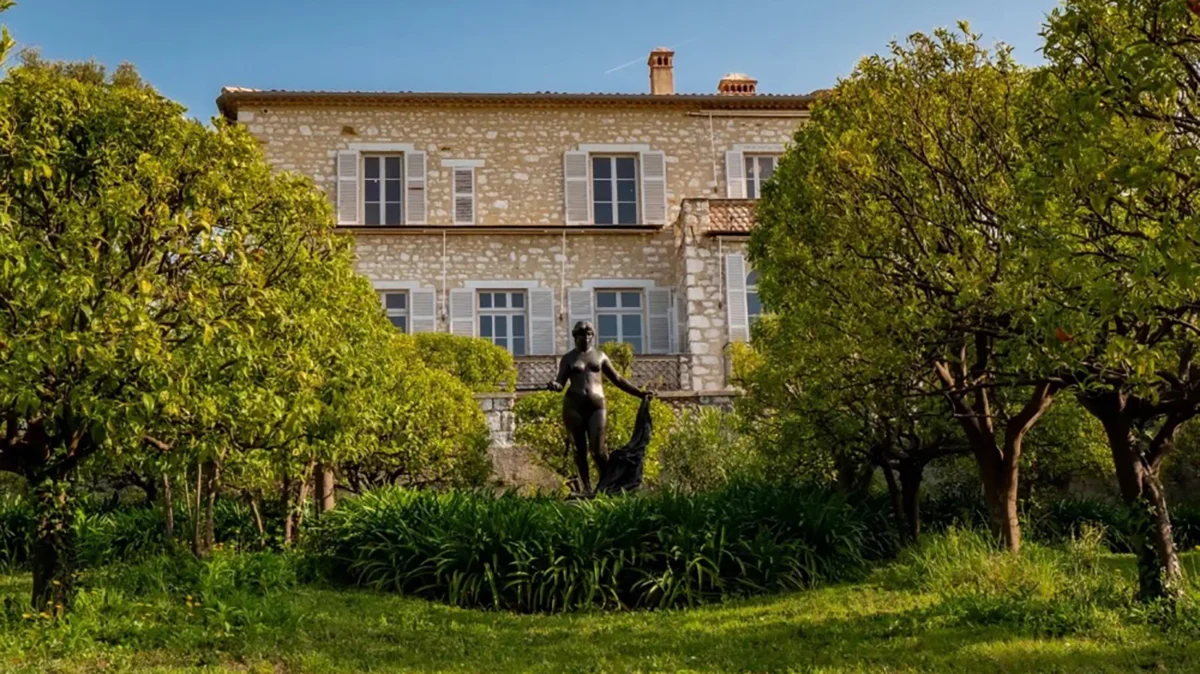
To have these works removed from their rightful context—the very villa where Renoir lived, worked, and eventually passed away—was viewed as a profound cultural trauma. The museum, known as Les Collettes, serves not just as a gallery, but as an immersive site where visitors can view the artist’s original furniture, sculptures, and the very light that inspired his most famous canvases.
Official Responses and Political Implications
Mayor Bryan Masson, a prominent figure representing the National Rally, has leveraged the recovery to emphasize the importance of regional cultural sovereignty. In a formal statement released this morning, he articulated the deep connection between the city’s identity and its artistic treasures.
"These two paintings are far more than works of art," Masson stated. "They are part of our city’s history, our cultural heritage, and the legacy Auguste Renoir left to Cagnes-sur-Mer. Their recovery is a tremendous relief for the people of Cagnes-sur-Mer and for everyone who cares deeply about our museum."
Masson’s rhetoric highlights a growing trend in European politics, where the protection of local heritage is increasingly tied to nationalistic identity. By framing the theft as an "attack on a part of Cagnes-sur-Mer’s history," the local government has effectively galvanized public support for increased museum security funding and stricter penalties for those convicted of heritage crimes.
The Broader Landscape of Art Theft
The Renoir Museum heist serves as a microcosm of a larger, global problem. Despite high-tech security measures, small-to-mid-sized museums remain vulnerable targets. Unlike the major institutions in Paris or London, regional museums often lack the sprawling security budgets required to deter highly organized, well-funded criminal networks.
The theft also brings into sharp relief the disparity in how Renoir’s work is treated. While the Cagnes-sur-Mer museum was recovering from this devastating theft, the National Gallery in London was hosting a blockbuster exhibition featuring 40 of the artist’s paintings. The contrast is stark: on one hand, the international prestige of Renoir’s work commands global attention, while on the other, the physical artifacts themselves remain constant targets for exploitation.
Looking Forward: Security and Restoration
The recovery of the paintings is not the end of the story. The six arrested suspects are currently awaiting trial, and the museum has announced a comprehensive security audit.
Experts in museum administration suggest that the industry is at a crossroads. As the value of Impressionist works continues to climb, the demand for security systems that go beyond standard motion sensors—incorporating AI-driven predictive surveillance and vibration-sensitive mounting hardware—is expected to grow.
For now, the people of Cagnes-sur-Mer can breathe a sigh of relief. The museum plans to host a special reopening event later this month, welcoming the public back to view the returned masterpieces. The incident serves as a poignant reminder that art, while often viewed as a static object of beauty, exists within a fragile ecosystem—one that requires constant vigilance to ensure that the works of masters like Renoir remain accessible to the public, rather than hidden away in the shadows of the illicit market.
As the legal proceedings against the suspects move forward, the Renoir Museum stands as a symbol of resilience. The return of the two paintings ensures that the legacy of Les Collettes remains intact, preserving the vibrant history of the French Riviera for generations to come.
Stay updated on this developing story and other essential news in the world of luxury, culture, and high-stakes art by subscribing to the Robb Report newsletter.
 Ali Ikhwan
 Siti Muinah
 Ammar Sabilarrohman
