

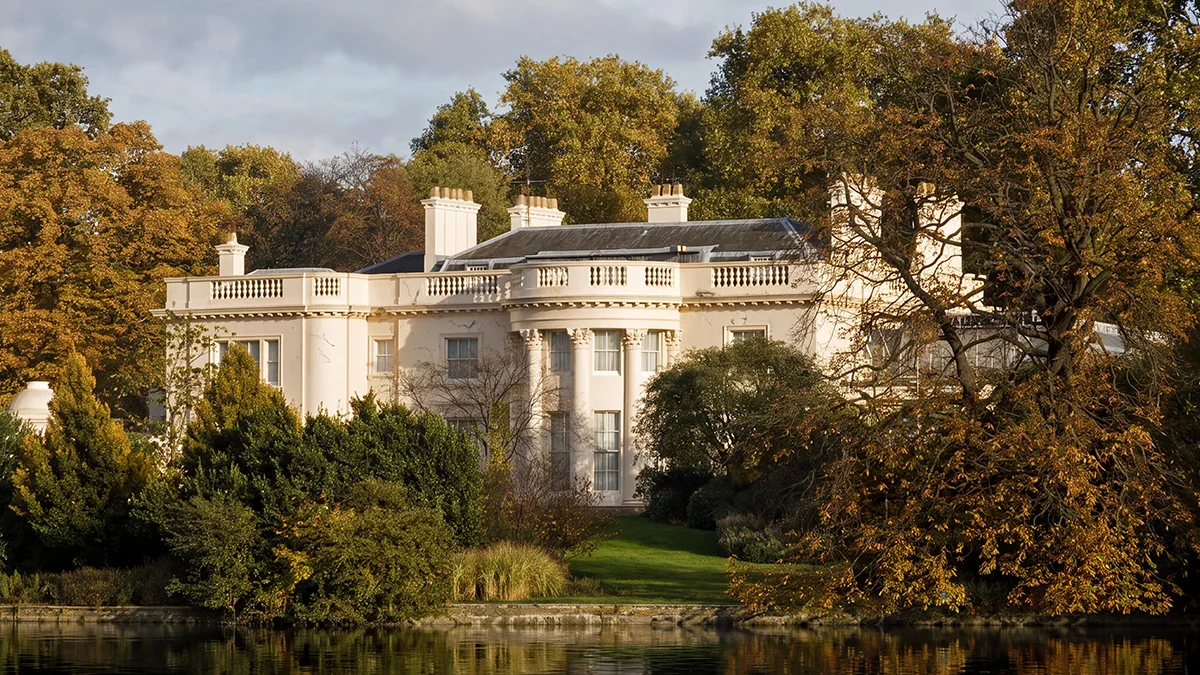
London’s ultra-luxury property market, long considered the ultimate barometer for global wealth, has officially shaken off the doldrums. According to the latest comprehensive data from Beauchamp Estates, the first six months of 2026 have signaled a seismic shift in the British capital’s housing landscape, marked by a surge in transaction volume and an appetite for trophy assets that hasn’t been seen in nearly a decade.
For the high-net-worth individual, London is no longer just a financial center; it is once again the world’s primary playground for "trophy" real estate.
The State of the Market: A Return to Form
During the first half of 2026, the data confirms a blistering pace of activity. Exactly 34 homes priced above £15 million ($20 million) changed hands across London. This represents a 26 percent increase in total transaction volume compared to the same period in the previous year. More impressively, the total value of these sales hit £1.24 billion ($1.6 billion), a staggering 79 percent increase from the $694 million recorded during the first half of 2025.

This uptick is not merely a statistical anomaly; it represents a fundamental change in the behavior of the global elite. As capital flows back into the city, the "ultra-prime" segment—homes priced well beyond the reach of the traditional luxury market—is leading the charge, proving that for the world’s wealthiest, London remains a non-negotiable asset in their portfolios.
Chronology of a Boom: How 2026 Shifted the Narrative
The resurgence did not happen overnight, but rather through a series of landmark acquisitions that set the tone for the year.
- Q1 2026: The Momentum Builds. Early in the year, market analysts noted an unusual uptick in inquiries from North American buyers, specifically those holding significant equity in the AI and fintech sectors.
- April 2026: The "American Wave." As spring approached, the market witnessed a concentrated series of high-value deals. Jeremy Gee, managing director of Beauchamp Estates, notes that his firm finalized five significant transactions in April alone, all involving American buyers seeking premier addresses.
- Mid-2026: The Record-Breaking Acquisitions. The summer months saw the market reach its zenith. Two specific transactions defined the half-year: the sale of Providence House in Chelsea for £275 million ($367 million) and the landmark disposal of The Holme in Regent’s Park for £195 million ($260 million). These sales were not just record-breaking; they were symbolic, signaling that the "big money" was back in London to stay.
Supporting Data: By the Numbers
To understand the scale of this luxury surge, one must look at the shifting demographics of the buyer pool.

The Shifting Buyer Profile
The most significant trend of 2026 is the rapid rise of American buyers. At the close of 2025, U.S.-based purchasers accounted for 20 percent of ultra-prime sales. By mid-2026, that figure had surged to 30 percent. When combined with the 25 percent market share currently held by buyers from the Middle East, these two groups now dominate more than half of all ultra-prime transactions in London.
The Scale of Investment
The average sale price in this segment has climbed to £36.5 million ($49 million), up from £25.7 million ($34.5 million) a year ago. This represents a 42 percent increase in the average ticket size, indicating that buyers are not just purchasing more homes—they are purchasing significantly more expensive ones.
Geographic Distribution
While London remains a vast city, the luxury market is concentrated in specific "trophy" postcodes:

- Belgravia: Retains the crown with nine sales exceeding the £15 million threshold.
- Chelsea: Bolstered by the massive Providence House sale.
- Mayfair: Becoming the unofficial headquarters for the new tech-wealth class, drawing in those linked to the growing density of AI and private equity firms in the area.
Perspectives from the Frontline: Official Commentary
The industry consensus is that London’s appeal is multifaceted. Jeremy Gee, who has been at the center of these recent high-profile deals, attributes the trend to a confluence of opportunity and lifestyle.
"Since April 2026, we have done five big deals, all with American buyers who have wanted homes in London’s best addresses," Gee observes. According to industry experts, these buyers are looking for a hybrid of investment security and cultural enrichment.
For many of these ultra-wealthy individuals, the "turnkey" factor is paramount. Whether they are buying historic mansions with sprawling gardens or modern, hotel-serviced penthouses, the expectation is immediate, flawless luxury. They are not interested in long-term renovations; they are interested in immediate residency in a city that offers the world’s best schools, nightlife, and financial connectivity.

The Economic Implications: Why Now?
Why is London seeing this resurgence, even amidst broader global economic uncertainty? The answer lies in the "relative value" proposition.
The Bargain Factor
Despite the headlines about soaring prices, the report suggests that London remains a "relative bargain." Prices for these ultra-prime assets currently sit more than 20 percent below their 2014 peak. For a billionaire investor, this creates a unique window of opportunity: the ability to acquire world-class, historic trophy assets at a discount compared to their inflation-adjusted historical value.
Currency and Stability
The exchange rate has played a pivotal role in the surge of American investment. With the U.S. dollar maintaining significant strength against the British pound, American buyers find that their purchasing power is essentially amplified. When combined with London’s long-standing reputation as a global business and cultural hub—the city remains a "neutral ground" for international elites—it becomes an ideal location for a second or third home.

The "Landmaxxing" Phenomenon
Beyond the individual assets, there is a broader trend of "landmaxxing"—a practice where the world’s wealthiest are not just buying a house, but buying the surrounding properties to ensure total privacy and control. This behavior, seen increasingly in the most exclusive London enclaves, creates a "fortress" effect that further constrains supply and pushes prices higher.
Future Outlook: Sustainability of the Boom
Looking toward the remainder of 2026 and into 2027, analysts are cautiously optimistic. The supply of ultra-prime property in London is inherently limited; there are only so many mansions in Mayfair or townhouses in Belgravia. As the pool of global wealth continues to grow, particularly among those who have successfully navigated the AI and tech booms, the demand for these finite assets is likely to remain high.
However, the market is also shifting in what it wants. While the traditional "stately mansion" remains a prize, there is a clear, secondary demand for modern, highly serviced penthouses. This reflects a shift in the lifestyle of the new billionaire—one who travels frequently and demands the security and convenience of a luxury hotel, but the exclusivity of a private residence.

Conclusion
London’s luxury housing market is currently writing a new chapter. The days of stagnation are behind it, replaced by a renewed, aggressive investment strategy from global players who see the city not as a risk, but as the premier repository for their wealth. Whether it is a tech mogul from Silicon Valley or an investor from the Middle East, the message is clear: London is open for business, and its most expensive homes are the primary assets of choice.
As the year progresses, the focus will shift from whether the market can recover to whether it can sustain this rapid pace of growth. For now, the "London luxury" brand remains as resilient as ever, anchored by the city’s enduring status as a global powerhouse of culture, finance, and prestige.
 Evan Lee Salim
 Asep Darmawan
 Laily UPN
