

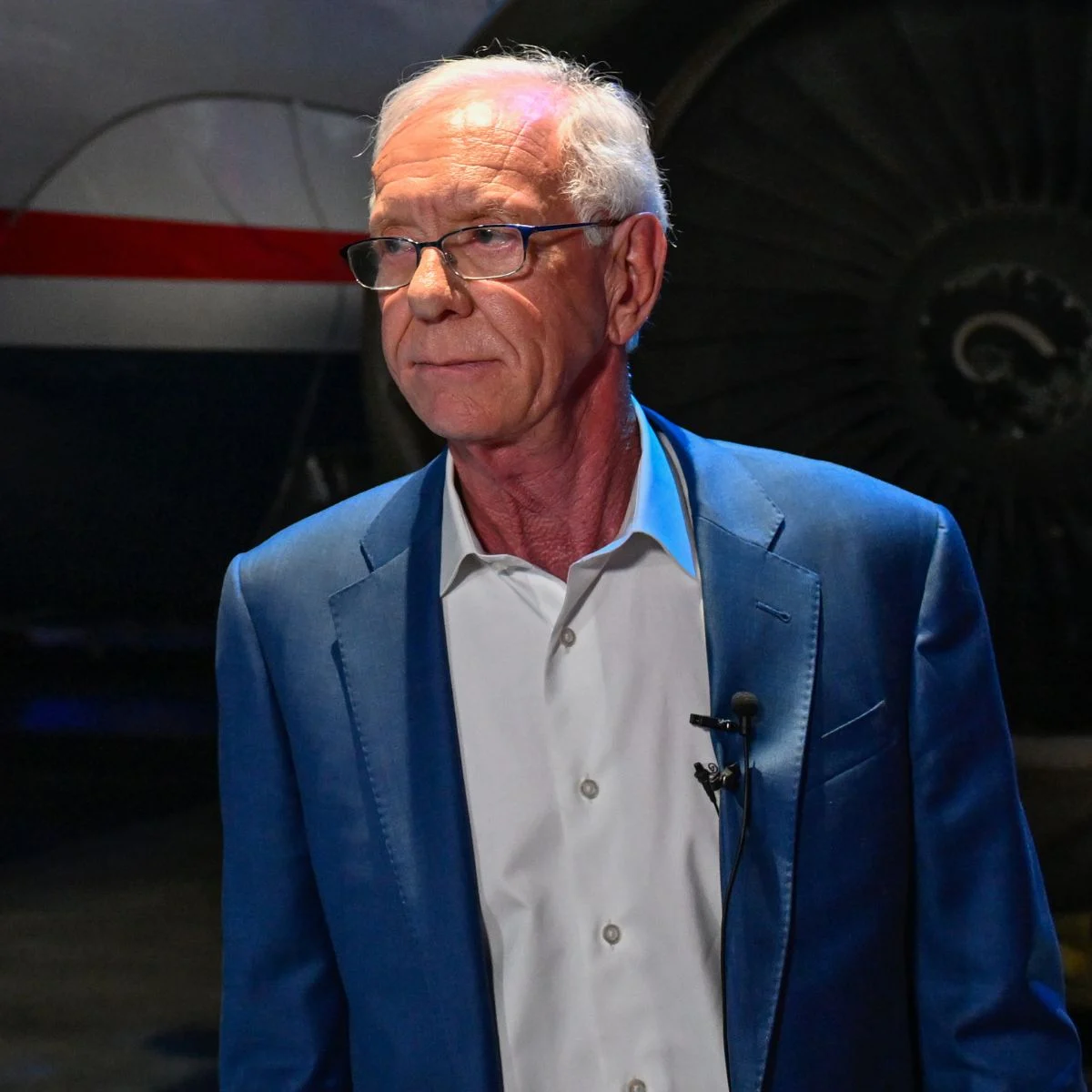
Main Facts: The Diagnosis of Captain Sullenberger
Captain Chesley “Sully” Sullenberger III, the retired commercial airline pilot who earned international acclaim for the “Miracle on the Hudson” emergency landing in 2009, has embarked on a deeply personal and public health journey. In an exclusive interview published on July 14, 2025, the 75-year-old aviation icon revealed that he was diagnosed with early-stage Alzheimer’s disease in August.
Known throughout his life for possessing a near-photographic memory, Sullenberger began suspecting cognitive changes after experiencing uncharacteristic bouts of forgetfulness. Despite the daunting nature of the progressive neurological disorder, Sullenberger has chosen to address the diagnosis with the same measured, analytical, and transparent approach that characterized his aviation career.
"It is early stage," Sullenberger shared. "For now, this means a name may not come easily to me, I forget a story I have recently told, or I don’t sleep as well, but I am in the beginning of this long journey."
By publicizing his diagnosis, Sullenberger aims to demystify the realities of cognitive decline, offer solidarity to millions of families navigating similar paths, and utilize his global platform to advocate for Alzheimer’s research and early detection.
Chronology: From the Hudson River to Public Health Advocacy
The trajectory of Sullenberger’s public life is defined by moments of extreme crisis resolved through rigorous training, calm decision-making, and profound resilience.
[January 15, 2009] ────> [September 2016] ────> [August] ─────────> [July 14, 2025]
Miracle on the Hudson    "Sully" Film Released   Alzheimer's Diagnosis  Public Disclosure
The Miracle on the Hudson (2009)
On January 15, 2009, Sullenberger was serving as the captain of US Airways Flight 1549, departing from New York’s LaGuardia Airport. Shortly after takeoff, the Airbus A320 struck a flock of Canadian geese, suffering a catastrophic, dual-engine failure. Assessing that the aircraft could not safely reach any nearby airports, Sullenberger and his First Officer, Jeffrey Skiles, glided the plane onto the freezing waters of the Hudson River. All 155 passengers and crew members survived, cementing Sullenberger’s status as a global hero and an exemplar of crisis management.
Cinematic Legacy and Hollywood Portrayal (2016)
In September 2016, Sullenberger’s heroic action was adapted into the critically acclaimed biographical drama Sully. Directed by Clint Eastwood, the film starred Academy Award winner Tom Hanks in the title role. During the film’s promotional campaign, Hanks expressed immense reverence for the pilot’s character, highlighting how Sullenberger managed to avert an impending catastrophe and turn it into an inspiring testament to human capability.
"A man with that kind of gravitas, I can’t even begin to lay claim to holding a candle to him," Hanks remarked in 2016. "But I like a guy that can do that and does it naturally."
The Clinical Diagnosis and Public Disclosure (2025)
Following his diagnosis, Sullenberger took time to process the clinical reality of the disease alongside his family before deciding to share his condition with the public. His disclosure on July 14, 2025, marks the transition of his public service from aviation safety advocacy to neurological health awareness.
Supporting Data: The Cultural Shift Toward Public Health Disclosures
Sullenberger’s decision to speak openly about his cognitive health aligns with a broader, generational shift among public figures. Historically, public figures and celebrities concealed serious medical diagnoses due to societal stigma or professional repercussions. Today, high-profile individuals increasingly leverage their personal health crises to educate the public, fundraise for medical research, and foster supportive online communities.
Sullenberger’s announcement joins a notable list of public figures who have recently disclosed diverse and complex health challenges:
Severe Cardiovascular and Neurological Events
- Jamie Foxx: Following a highly publicized and mysterious hospitalization in April 2023, the Oscar-winning actor revealed in his 2024 Netflix special, What Had Happened Was…, that a severe headache led to a sudden loss of consciousness, a 20-day memory void, and a subsequent stroke caused by a brain bleed.
- Hailey Bieber: In March 2022, the model and entrepreneur experienced stroke-like symptoms caused by a Transient Ischemic Attack (TIA). Clinical evaluations at UCLA revealed a patent foramen ovale (PFO)—a congenital hole in her heart—which allowed a blood clot to escape to her brain. She subsequently underwent a successful surgical closure of the PFO.
- Cori Broadus: The daughter of entertainment mogul Snoop Dogg suffered a severe stroke in January 2024 at the age of 24. Her recovery was complicated by lupus-related kidney strain, highlighting the intersection of autoimmune conditions and cardiovascular health.
- Emilia Clarke: The Game of Thrones star survived two life-threatening subarachnoid hemorrhages (brain aneurysms) in 2011 and 2013. She underwent invasive cranial surgery and subsequently established the charity SameYou to advocate for neurorehabilitation access.
- Justin Bieber: In June 2022, the singer was diagnosed with Ramsay Hunt syndrome, a rare neurological disorder caused by a viral infection of the facial nerves, resulting in temporary partial facial paralysis.
- Matt Kirschenheiter: The ex-husband of Real Housewives of Orange County star Gina Kirschenheiter suffered a sudden, acute heart attack in March 2025 at the age of 40, emphasizing the risk of cardiovascular events in younger demographics.
Trauma, Acute Injuries, and Surgical Interventions
- Christy Carlson Romano: In February 2025, the actress survived a near-fatal accident when a stray fragment from a clay pigeon shooting excursion struck her face, leaving a piece of debris permanently lodged behind her right eye.
- Casey Fitzgerald: The American Hockey League (AHL) player suffered a life-threatening neck laceration from a skate blade during a game in December 2024, requiring 25 stitches and renewing discussions regarding player safety gear.
- Savannah DeMelo: The Racing Louisville midfielder suffered a sudden collapse and medical emergency on the pitch during a match against the Seattle Reign on September 14, 2025, highlighting the physical extremes endured by elite athletes.
- Suki Waterhouse: In July 2025, the actress and singer revealed she had been treated for an abdominal hernia, which she attributed to wearing excessively tight wardrobe pieces months prior.
- Brian Austin Green: The actor underwent major surgery in April 2025 to treat a perforated appendix that was on the verge of rupturing.
- Jason Tartick: The television personality suffered a debilitating back injury in March 2025 during an RV excursion, leaving him temporarily unable to perform basic motor movements before undergoing targeted specialist care and steroid therapy.
- Brianna "Chickenfry" LaPaglia: The podcaster underwent emergency abdominal surgery in May 2026 to address a massive, twisting ovarian cyst that had caused internal bleeding.
- Nikki Garcia: The retired WWE star experienced a severe wrestling injury in July 2025 when an opponent’s physical maneuver caused her breast implant to dislodge and shift toward her rib cage.
Chronic Illnesses, Systemic Disorders, and Diagnostic Breakthroughs
- Amy Schumer: The comedian was diagnosed with exogenous Cushing syndrome in January 2025. The systemic hormonal disorder, characterized by elevated cortisol levels and facial swelling, was triggered by localized steroid injections administered to treat surgical scars. Schumer noted that public observations regarding her physical appearance ultimately prompted medical professionals to intervene online and suggest the diagnosis.
- Lupita Nyong’o: The Academy Award-winning actress disclosed in 2025 that she had spent over a decade quietly managing uterine fibroids, speaking out to dismantle the cultural silence surrounding women’s reproductive health struggles.
- Shailene Woodley: The actress detailed a decade-long struggle throughout her early 20s with a debilitating, systemic physical illness that caused hearing loss, severe gastrointestinal pain, and secondary mental health challenges before she achieved clinical recovery.
- Tracey Yukich: The reality television participant suffered a near-fatal case of rhabdomyolysis—a severe syndrome involving the rapid breakdown of damaged skeletal muscle—during a high-intensity physical challenge on The Biggest Loser.
- Adam Devine: The actor and comedian revealed in 2025 that he continues to suffer severe, long-term muscular spasms and systemic complications stemming from a catastrophic childhood accident in which he was struck by a cement truck.
Official Responses: A United Front of Family and Colleagues
The announcement of Sullenberger’s diagnosis has been met with widespread support from his immediate family, professional colleagues, and the broader aviation community.
His wife, Lorrie Sullenberger, emphasized that the family is relying on the Captain’s trademark emotional stability and logical mindset to guide them through the progression of the illness.
"That strength and steadiness is guiding us as a family," Lorrie Sullenberger stated. "We’re supporting him on this journey that we now walk with so many other families. Though the future is uncertain, we continue to live our lives, have hope, and find joy in the everyday."
First Officer Jeffrey Skiles, who stood alongside Sullenberger in the cockpit of Flight 1549 and during the intense regulatory scrutiny that followed, has voiced his unwavering support for his former colleague.
"He’s somebody that I’ve always looked up to and I think a lot of other people do, too," Skiles said. "Hopefully, it’s going to progress slowly and he’s going to be able to create the kind of life going forward that he would be proud of."
Sullenberger himself described the diagnosis not as an end, but as a repositioning of his lifelong commitment to public service.
"This new phase of my life has challenged what it means to be of service," Sullenberger reflected. "And the answer is to speak up. It is my hope that by sharing this, other families living in the shadows with this disease will feel they too can step forward. And about hope."
Implications: Redefining "Service" and De-stigmatizing Cognitive Decline
Sullenberger’s public disclosure carries significant societal, clinical, and cultural implications. By speaking openly about early-stage Alzheimer’s, Sullenberger challenges long-standing misconceptions about cognitive aging and demonstrates that a diagnosis does not immediately strip an individual of their dignity, intellect, or capacity to contribute to society.
Clinical and Public Health Impact
- Encouraging Early Diagnosis: Sullenberger’s decision to seek medical evaluation after noticing mild memory lapses underscores the critical importance of early detection. Diagnosing Alzheimer’s disease in its prodromal or early stages allows patients to access emerging disease-modifying therapies, participate in clinical trials, and make proactive lifestyle adjustments to preserve cognitive function.
- Destigmatizing Cognitive Impairment: Historically, cognitive decline has been viewed with shame, often leading individuals and families to isolate themselves. When an individual widely celebrated for his precision, calm intellect, and photographic memory openly discusses his vulnerability to cognitive decline, it dismantles the stereotype that Alzheimer’s is a source of personal failure.
- Advocacy for Research and Funding: High-profile diagnoses historically catalyze public interest and political will, often resulting in increased federal and private funding for research. Much like Nancy Reagan’s advocacy in the 1990s or Bruce Willis’ family sharing his frontotemporal dementia diagnosis, Sullenberger’s platform will likely draw renewed attention to the urgent need for effective treatments and a cure.
The Evolution of Public Figures as Health Educators
Sullenberger’s announcement exemplifies a broader cultural paradigm where public figures transition from objects of admiration to active partners in public health education. By integrating his diagnosis into his legacy of "highest duty," Sullenberger reframes the narrative of aging and illness. His journey serves as a powerful reminder that while the physical and cognitive realities of life are subject to change, the capacity to lead, inspire, and serve remains absolute.
 Siti Muinah
 Nana
Nana
