

Main Facts
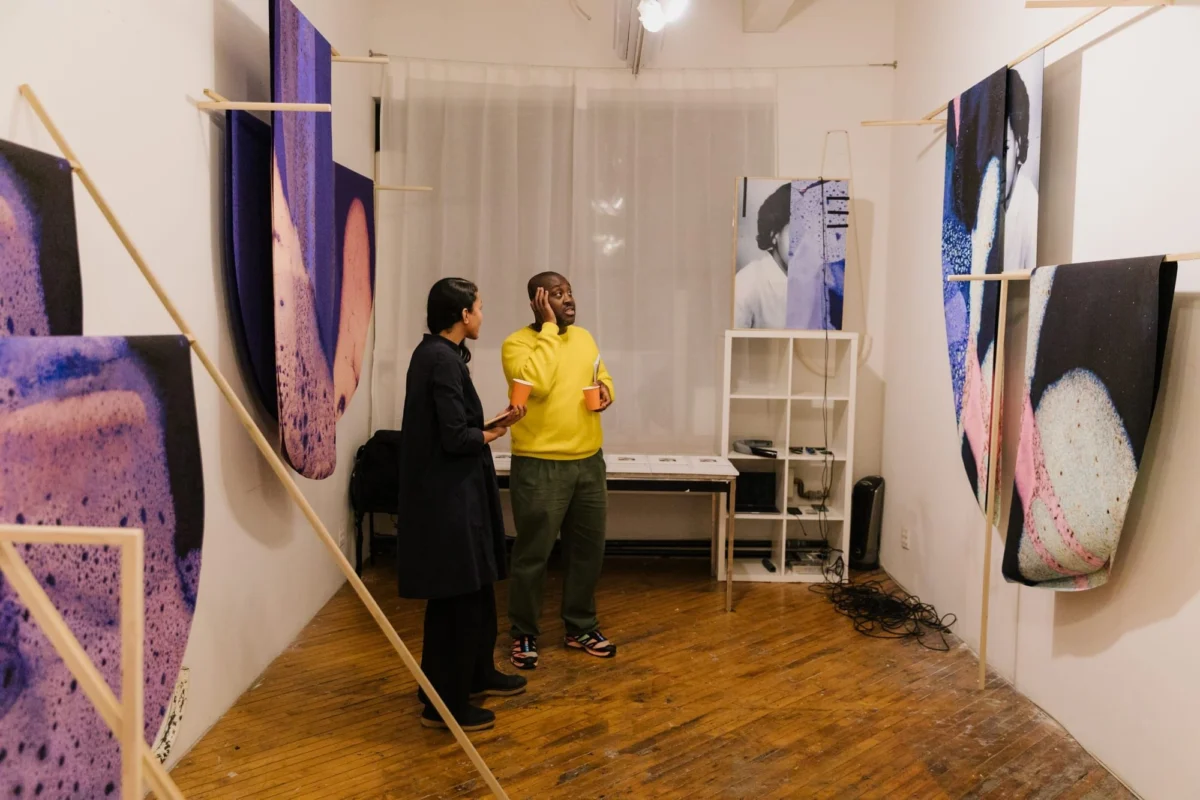
The cultural landscape of late 2026 presents a jarring juxtaposition between systemic labor unrest, institutional reckoning, and surreal urban observations. In New York and across major global arts capitals, foundational shifts are underway. Staff members at prominent cultural institutions—including the Whitney Museum, the Brooklyn Museum, and the American Folk Art Museum—have officially authorized strikes, signaling an escalation in museum labor movements demanding equitable pay, transparent hiring practices, and sustainable working conditions.
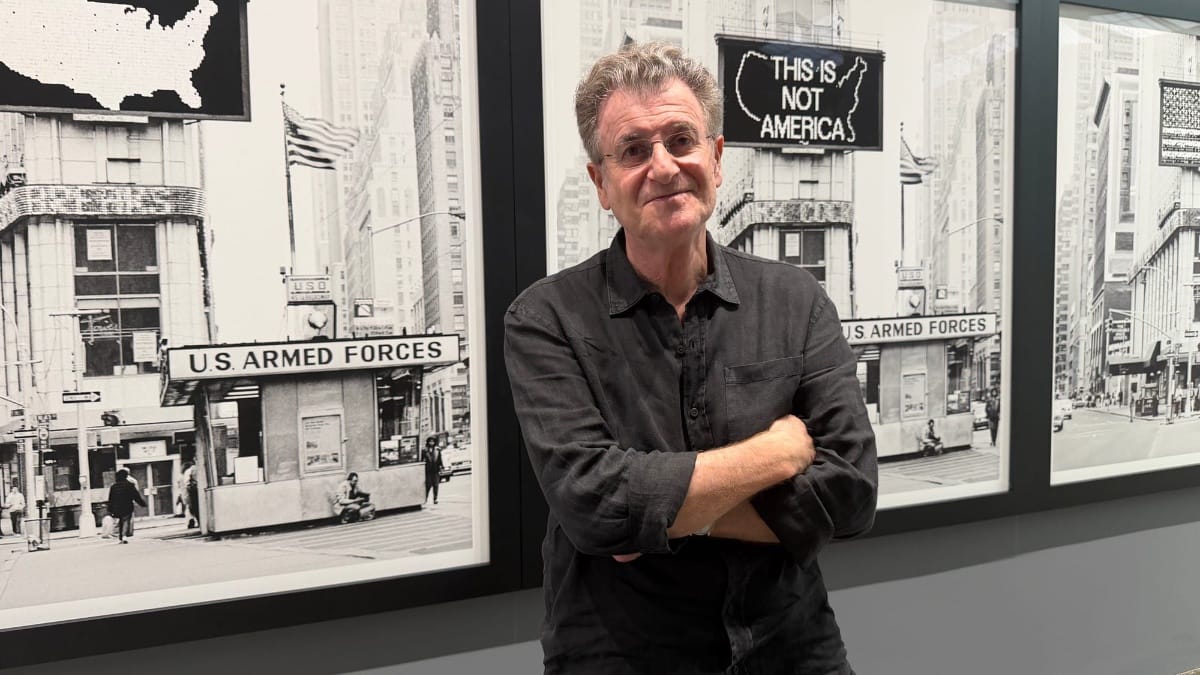
Simultaneously, the art world continues to interrogate its own historical narratives and figures. Critical long-form journalism this season has resurfaced controversial profiles, such as deep dives into Damien Hirst’s lesser-known historical chapters, while celebrating enduring political art pioneers like Alfredo Jaar. Major institutional grants and prizes, including the newly announced 2026 Rabkin Prize winners and upcoming Smithsonian American Art Museum (SAAM) fellowships, provide a crucial counterweight to market instability, offering vital financial lifelines to independent art writers and academic scholars.
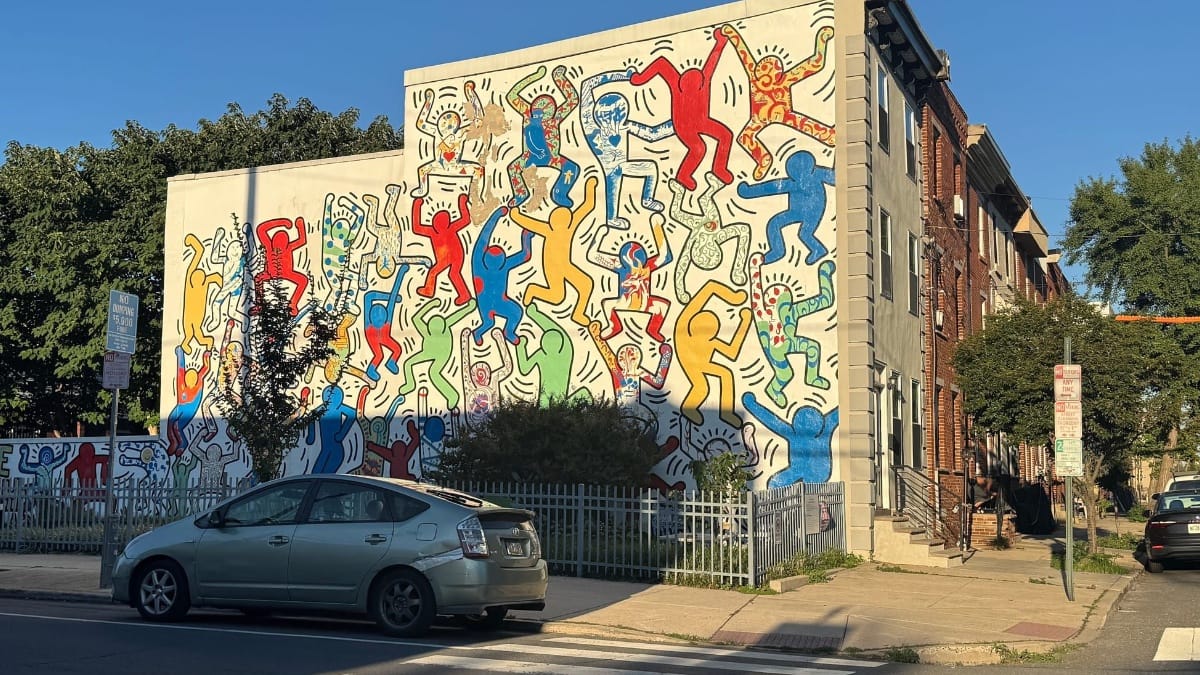
Yet, beneath the glossy veneer of seasonal art fairs, international biennials, and critical retrospectives lies a deeply fractured civic reality. From the socioeconomic weight of post-9/11 diaspora art to the localized battles over public monuments like Keith Haring’s murals in Philadelphia, art in this moment is serving less as a decorative escape and more as a contentious battleground for labor, identity, and political survival.
Chronology
- April 1987: Chilean artist Alfredo Jaar installs his iconic, politically charged LED billboard A Logo for America in Times Square, challenging American cultural hegemony and laying a cornerstone for modern political art.
- Early September 2026: Fall art seasons open globally with a flurry of guides, including major regional roundups for New York, Chicago, and Washington, D.C., alongside lists of 15 international art biennials spanning St. Louis to Dakar.
- Mid-September 2026: Staff unions at the Whitney Museum, Brooklyn Museum, and American Folk Art Museum vote to authorize strikes, putting pressure on administration ahead of the busy autumn exhibition calendar.
- September 30, 2026: Hyperallergic hosts an exclusive member event and Ground Floor studio visits at the International Studio & Curatorial Program (ISCP), bringing together readers, editors, and NYC-based resident artists.
- Fall 2026 Academic and Fellowship Cycles: Applications open for prestigious programs, such as the 2027–2028 fellowships at the Smithsonian American Art Museum and its Renwick Gallery, while the Rabkin Foundation distributes eight unrestricted $50,000 awards to contemporary art writers.
Supporting Data and Highlights
The autumn 2026 publishing and exhibition cycle offers a comprehensive snapshot of where global arts funding, criticism, and curation currently stand:
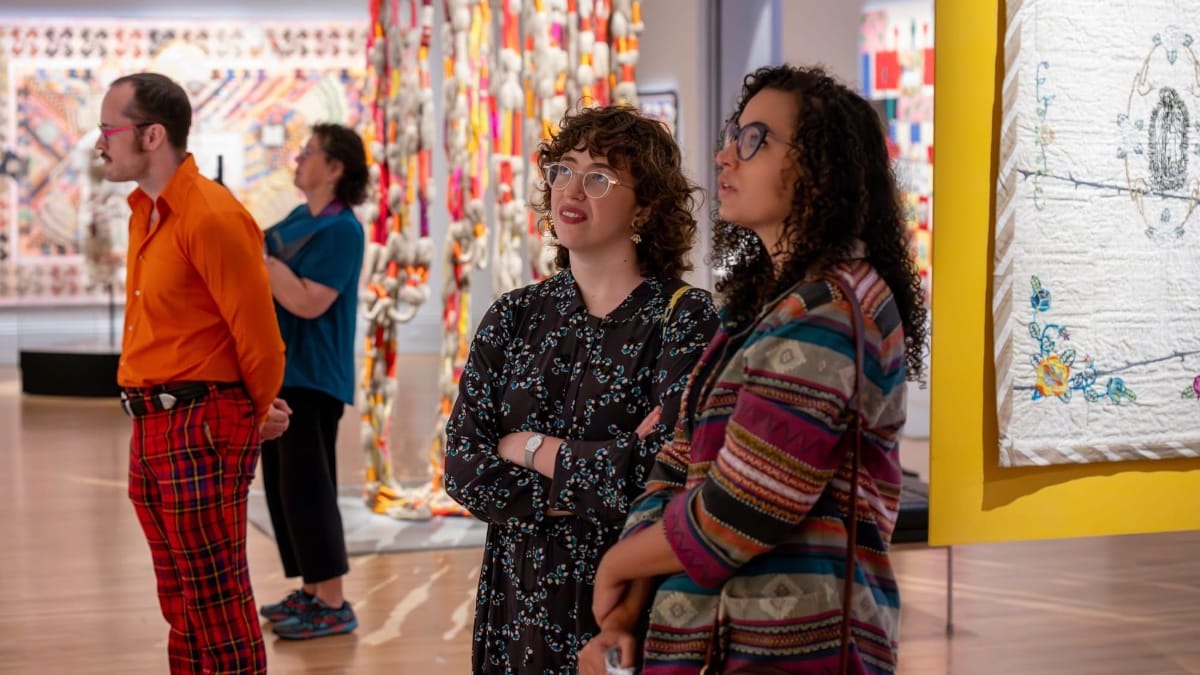
- Labor Mobilization: Three major New York cultural institutions faced unified workforce votes authorizing strikes, highlighting a broader nationwide trend of unionization within museums, libraries, and cultural archives.
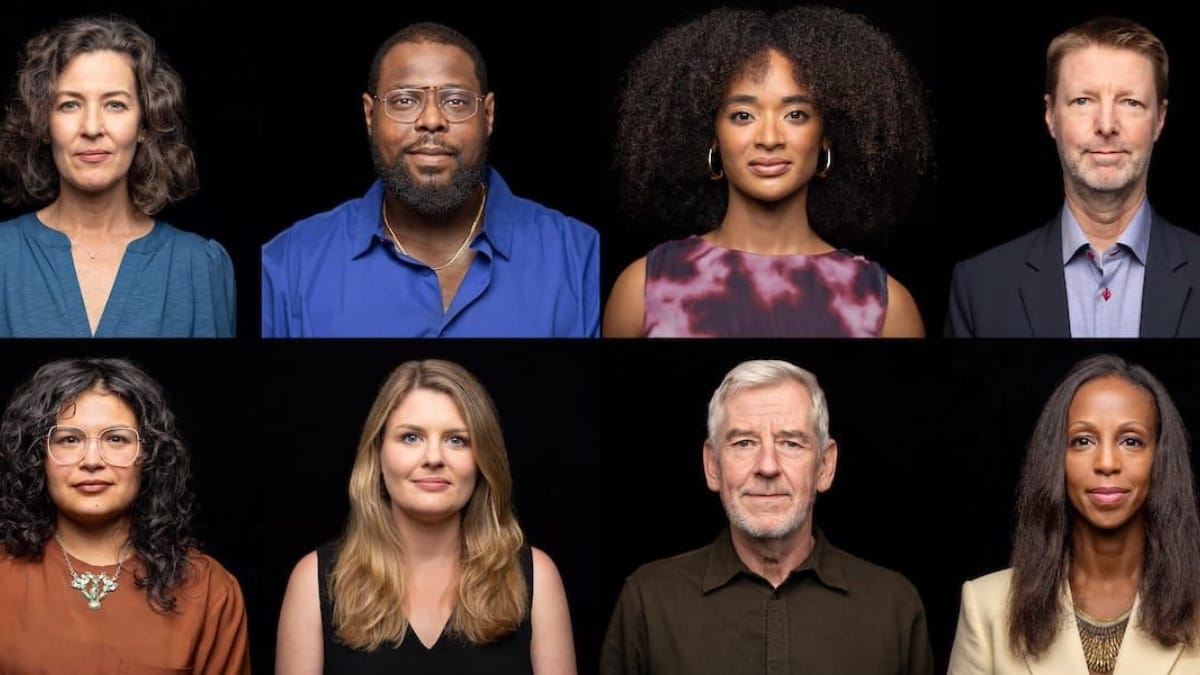
- The Rabkin Prize: Eight contemporary art critics and writers were awarded unrestricted grants of $50,000 each by the Rabkin Foundation, underscoring a vital investment in cultural journalism at a time of media consolidation.
- Fall Biennial Circuit: Curators and travelers are tracking at least 15 major fall art biennials and triennials worldwide, ranging from the inaugural Bienal de Yucatán to Indigenous-led arts festivals along the Mississippi River and photography showcases in Dakar.
- Regional Exhibitions: Essential city guides highlight diverse programming across the United States:
- Chicago: Featuring Jill Mulleady’s uncanny scenes, photographic tributes to Emmett Till, and prison printed-matter initiatives.
- Washington, D.C.: Showcasing Carlotta Corpron’s light photography, Ahn Chang-Hong’s unmasking of Korean history, and Black women reimagining Shakespeare.
- National/Diaspora Focus: Major thematic group shows exploring the art of Cuba, Guam, the Philippines, and Puerto Rico, mapping intersections of colonization, migration, and enslavement.
Official Responses and Institutional Positions
The convergence of labor disputes and institutional maneuvering has prompted distinct responses from both museum management and cultural workers:
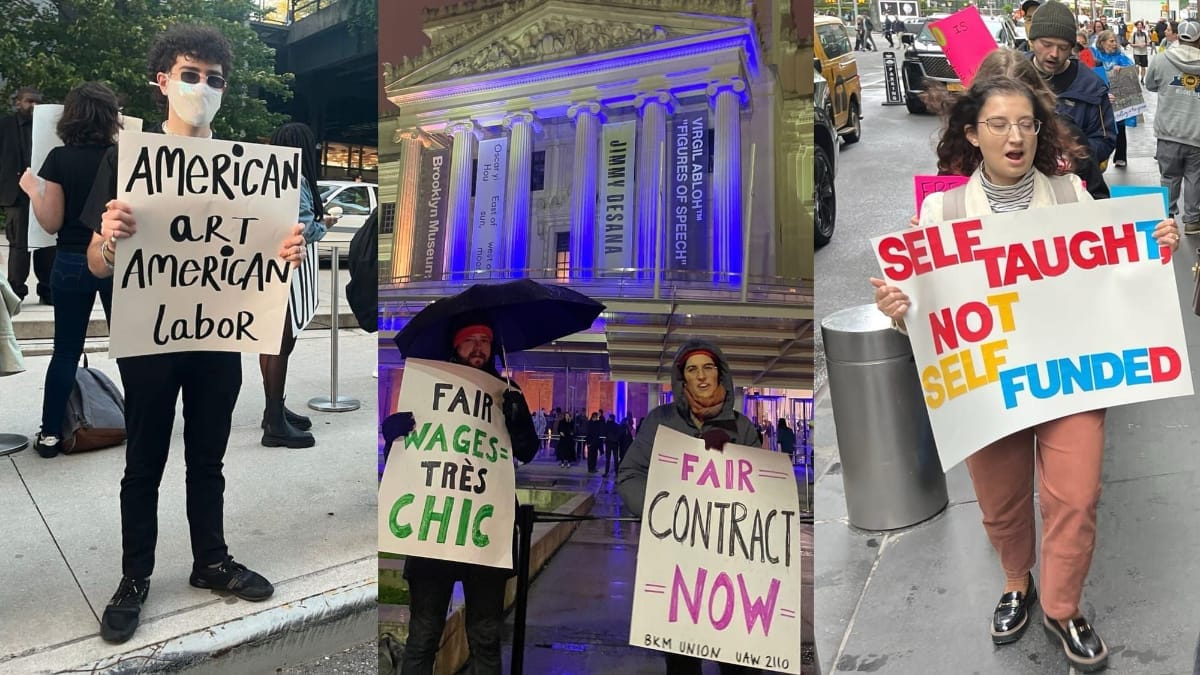
- Museum Administrations: Leadership across institutions like the Whitney and the Brooklyn Museum have publicly emphasized their commitment to ongoing dialogue with union representatives, even as administrative boards brace for potential operational disruptions. Many institutions maintain that budgetary constraints post-pandemic necessitate careful fiscal balancing, though union organizers argue that administrative bloat and executive compensation remain the true drivers of worker precarity.
- The Criticism and Writing Community: Through initiatives like the Rabkin Foundation awards and critical essays penned by figures like Naeem Mohaiemen (reflecting on the post-9/11 artistic landscape and the legacy of South Asian art and activism), cultural critics have doubled down on the necessity of independent, uncoopted discourse. Rather than bowing to commercial pressures or superficial "most influential" lists (such as ongoing critiques of metrics-driven roundups like the TIME 100 art selections), writers are demanding deeper historical accountability.
Implications
The cascading developments of this season point to profound structural shifts in how art is produced, exhibited, and consumed:
The Crisis of Cultural Labor
The authorization of strikes at institutions as esteemed as the Whitney and the Brooklyn Museum is not an isolated phenomenon; it represents a fundamental reckoning within the modern museum. For decades, the cultural sector relied on the passion of its workforce, frequently underpaying entry-level and mid-level employees under the guise of prestige. As inflation and the cost of living in urban arts capitals skyrocket, workers are making it clear that cultural capital cannot substitute for a living wage. If museums fail to meet these labor demands, the sector risks losing an entire generation of dedicated administrators, educators, and archivists.
Political Art and Historical Memory
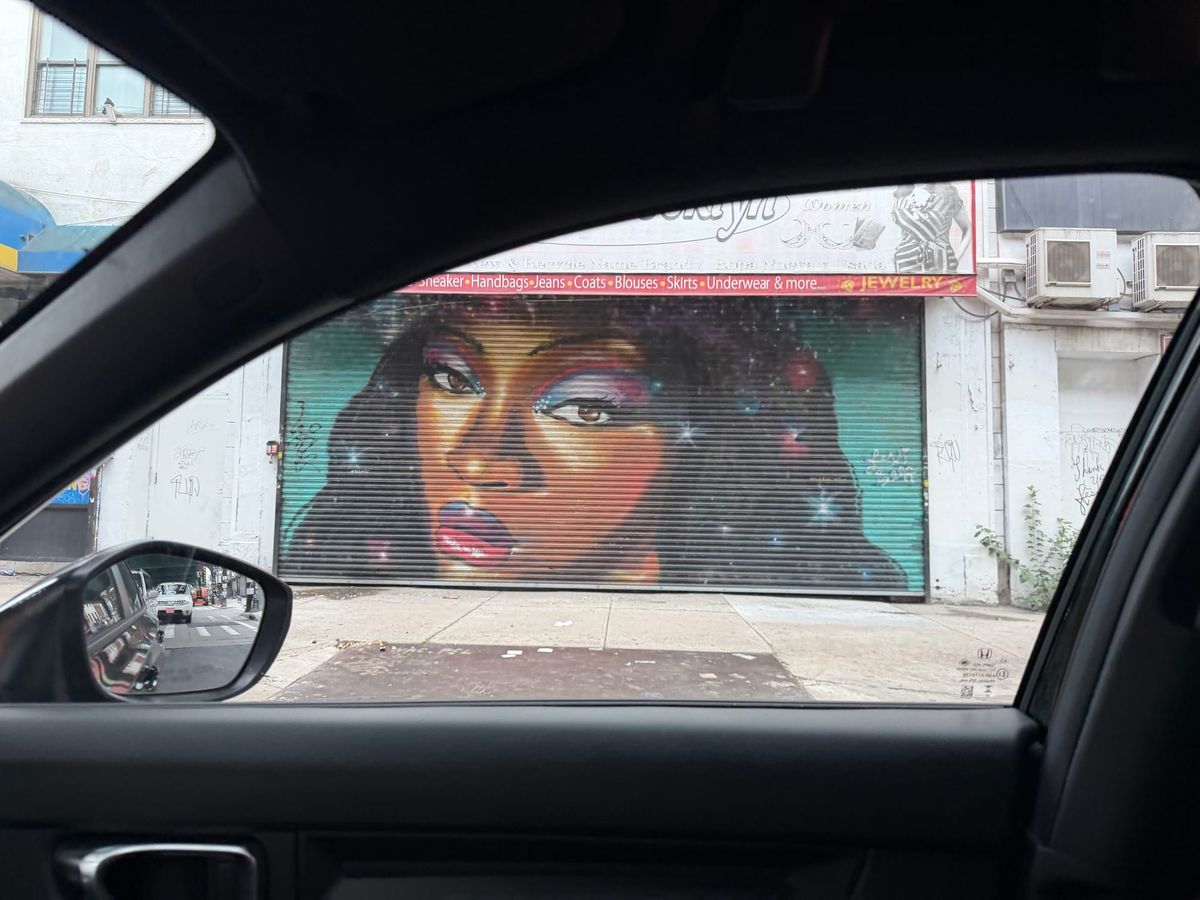
As demonstrated by retrospectives on Alfredo Jaar’s 1980s interventions and Naeem Mohaiemen’s reflections on post-9/11 immigrant rights, contemporary artists are continuously forced to reevaluate the efficacy of political expression. Art cannot operate in a vacuum of luxury while surrounding neighborhoods suffer from housing crises, inflation, and institutional decay (as starkly illustrated by street-level observations of rent strikes, urban displacement, and shifting neighborhood demographics).
The Shift Toward Decentralized and Global Perspectives
The proliferation of fall biennials from St. Louis to Dakar—alongside institutional surveys examining the complex diasporic histories of Guam, Puerto Rico, and the Philippines—signals a permanent decentralization of the art world. Power is no longer exclusively concentrated in legacy capitals like New York or London. Instead, curators are increasingly looking toward regional, Indigenous, and post-colonial narratives to tell the stories of our time.
Ultimately, the art world stands at a crossroads. Whether it chooses to listen to the demands of its exploited workforce, honor independent critical voices, and authentically engage with marginalized global histories will determine its relevance in an increasingly skeptical and fractured society.
 Basiran
 Muslim
 Evan Lee Salim
