

By Anna Lee
September 18, 2026
Main Facts
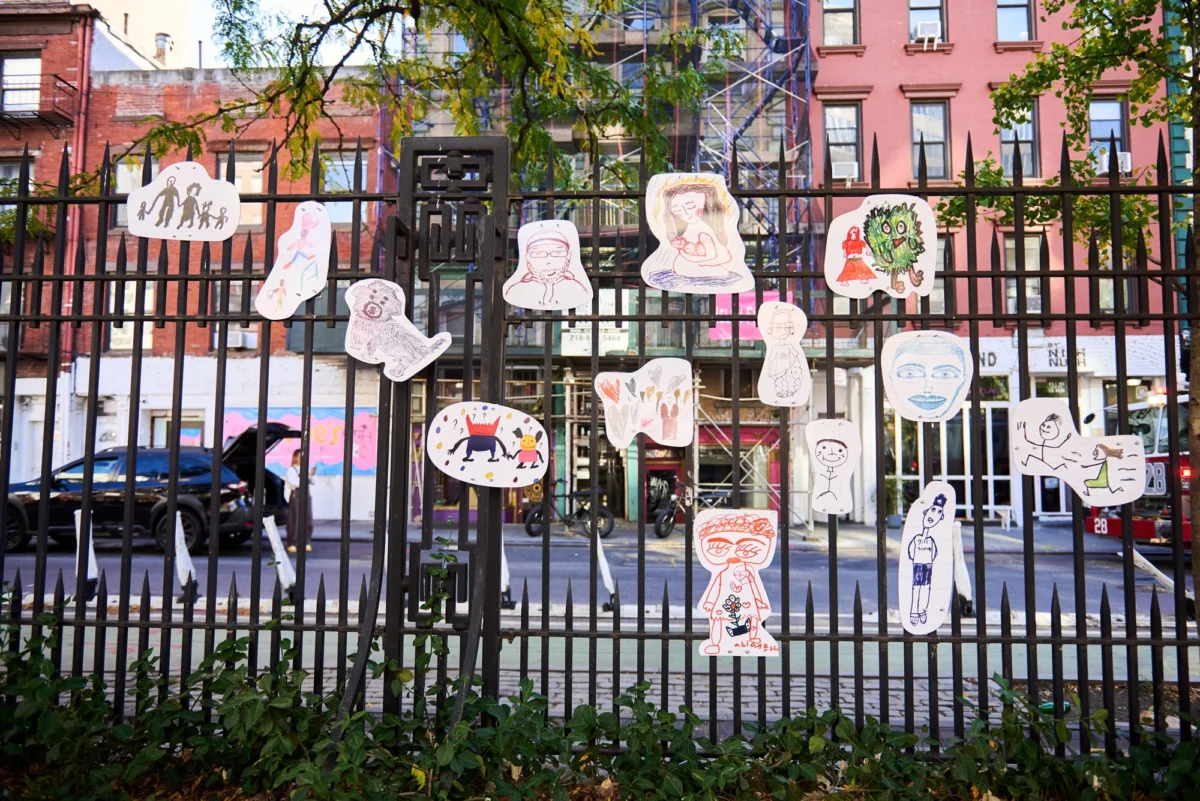
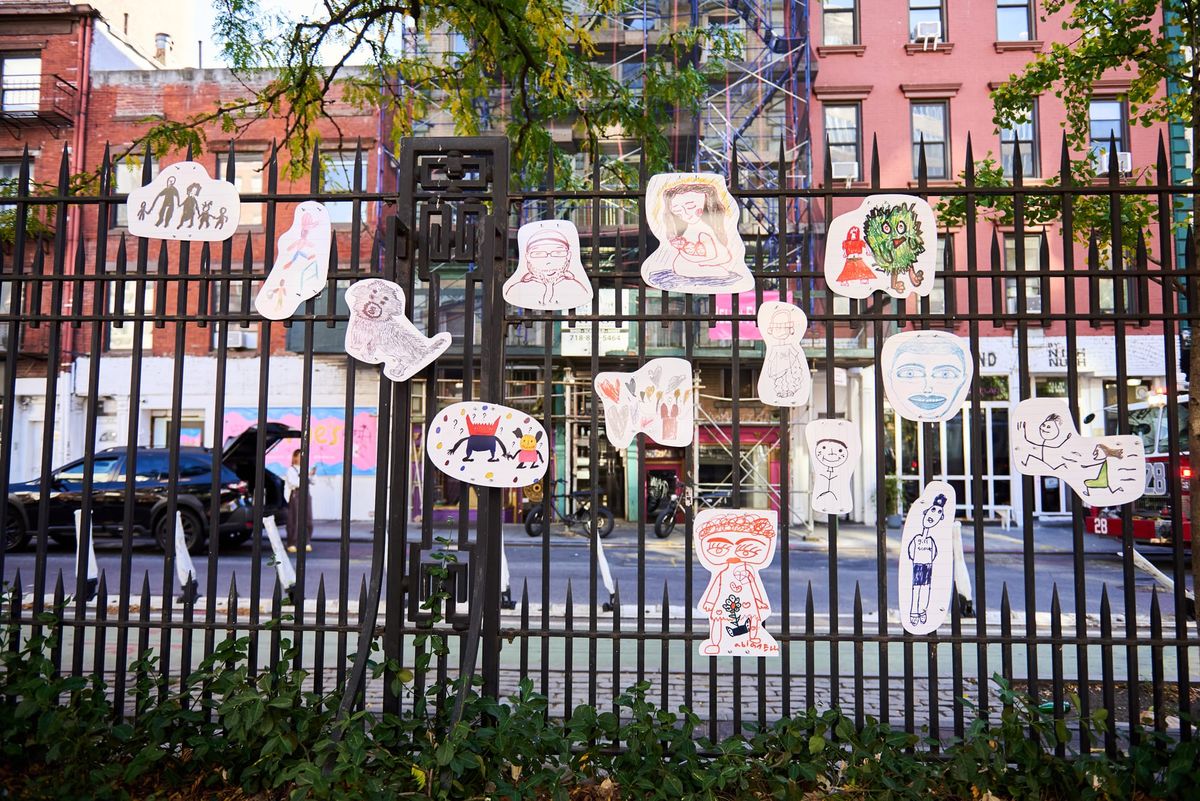
Across a dozen high-traffic street corners, parks, and public plazas in the Bronx, a profound dialogue is taking place between New York City’s most marginalized residents and the broader public. Public Address, a sprawling and deeply intimate public art installation by artist Alex Strada, officially expanded into the Bronx on Monday, September 14, 2026. The project features handwritten testimonies, drawings, and log entries culled from over 400 unhoused New Yorkers and frontline shelter staff.
Strada, who has served as a public artist-in-residence jointly appointed by the New York City Department of Homeless Services (DHS) and the Department of Cultural Affairs (DCA) since 2022, has transformed these deeply personal reflections into official-looking municipal signage. Fabricated from standard Department of Transportation (DOT) aluminum panels, the cutout signs merge the visual authority of urban infrastructure with the raw, emotional urgency of grassroots storytelling.
The installation is part of a multi-year, five-borough rollout that began in Manhattan in October 2025 and is scheduled to conclude across all boroughs by March 2027. By embedding these messages into the physical architecture of the city—affixed to metal posts, park fences, and street furniture—Public Address confronts urban commuters, policymakers, and casual passersby with the systemic realities, daily indignities, and profound resilience of individuals navigating the city’s labyrinthine shelter system.
Chronology of the Project
The genesis of Public Address stretches back years, evolving through a meticulous, community-engaged process that prioritizes the voices of those directly impacted by housing instability.
- 2022: Alex Strada is appointed as the public artist-in-residence through a unique municipal collaboration between the Department of Homeless Services and the Department of Cultural Affairs. This partnership aims to leverage creative practices to foster greater public understanding and agency regarding civic issues.
- 2022–2024: Strada conducts an extensive series of collaborative workshops across numerous New York City family and adult shelters. Participants—comprising both residents experiencing homelessness and the frontline staff supporting them—contribute log entries, diary excerpts, poetry, and visual art.
- October 2025: Following months of design and fabrication using authentic municipal materials, the project makes its public debut with an initial wave of installations across Manhattan.
- September 14, 2026: Public Address officially opens in the Bronx, bringing over 400 distinct testimonies to a dozen strategic locations across the borough, ranging from bustling commercial corridors to quiet neighborhood parks.
- March 2027 (Projected): The multi-year project is slated to conclude its rollout, having successfully traveled through all five boroughs of New York City.
Supporting Data and Artistic Scope
The sheer breadth of Public Address is reflected in its extensive participant base and the diverse mediums utilized to convey their stories. Drawing from more than 400 distinct contributors, the installation shatters monolithic stereotypes about who experiences homelessness in New York City.
The artwork materializes as a constellation of cutout metal signs displaying varied narratives and illustrations:
- Personal Testimonies: Intimate letters recounting the sudden, unforeseen circumstances that lead to eviction—often occurring at a moment’s notice due to medical emergencies, sudden job loss, or soaring rental costs.
- Intersecting Crises: Vignettes detailing the compounding vulnerabilities faced by specific populations, such as undocumented immigrants navigating the near-impossible prospect of securing stable housing without legal documentation, and teenagers striving to balance high school education while living out of the shelter system.
- Visual Symbolism: Renderings of bicycles, modest houses, and distant landscapes serve as poignant reminders of stability and mobility—privileges often taken for granted by the housed population. Other entries feature assemblages of multicolored hearts, expressions of familial love, and the day-to-day log entries of shelter workers grappling with systemic resource shortages.
By translating these handcrafted artifacts onto durable DOT aluminum, Strada bridges the gap between private vulnerability and public infrastructure. The signs demand equal footing with traffic warnings and civic notices, signaling that the lives of unhoused individuals are an inescapable part of the urban fabric.
Official Responses and Civic Intent
The collaboration between the Department of Homeless Services and the Department of Cultural Affairs underscores a growing institutional recognition of art’s capacity to shift public discourse around social welfare. Municipal residencies of this scale are designed to invite critical inquiry and humanize administrative data through creative intervention.
Speaking with Hyperallergic, artist Alex Strada articulated the core philosophy driving the long-term installation:

"My hope for this project is that it functions as a jumping-off point to work towards more just realities that are not mired in stereotype or misperception, or in the acceptance of homelessness as an unavoidable byproduct of New York City life."
By sidestepping abstract policy debates, Public Address anchors the conversation in individual lived experiences. Frontline shelter staff—who participated heavily in the workshops—echoed these sentiments, noting that the project provides a vital counterweight to the political rhetoric that frequently reduces unhoused populations to statistical burdens rather than community members.
Implications for New York City and Beyond
As Public Address continues its migration across the five boroughs toward its final iteration in 2027, its implications extend far beyond the realm of contemporary public art.
- Challenging Public Apathy: In a metropolis where street homelessness and crowded shelter systems are often met with institutional fatigue or avoidance, Strada’s project weaponizes visibility. By placing handwritten pleas and reflections directly into the visual path of daily commuters, the installation makes avoidance nearly impossible.
- Redefining Civic Art: The project challenges traditional notions of monuments and public memorials. Rather than commemorating historical figures or military victories, Public Address creates a living monument to contemporary struggle and endurance, utilizing the literal tools of municipal governance (DOT signs) to critique and expand municipal empathy.
- Informing Policy and Dialogue: While art alone cannot solve structural housing shortages or economic inequality, municipal residencies like Strada’s create essential bridges between insulated administrative agencies and the communities they serve. By centering the voices of shelter residents and workers, Public Address provides a vital framework for policymakers seeking to build a more equitable, humane urban future for New York City.
 Muslim
 Evan Lee Salim
 Jia Lissa
