

Main Facts
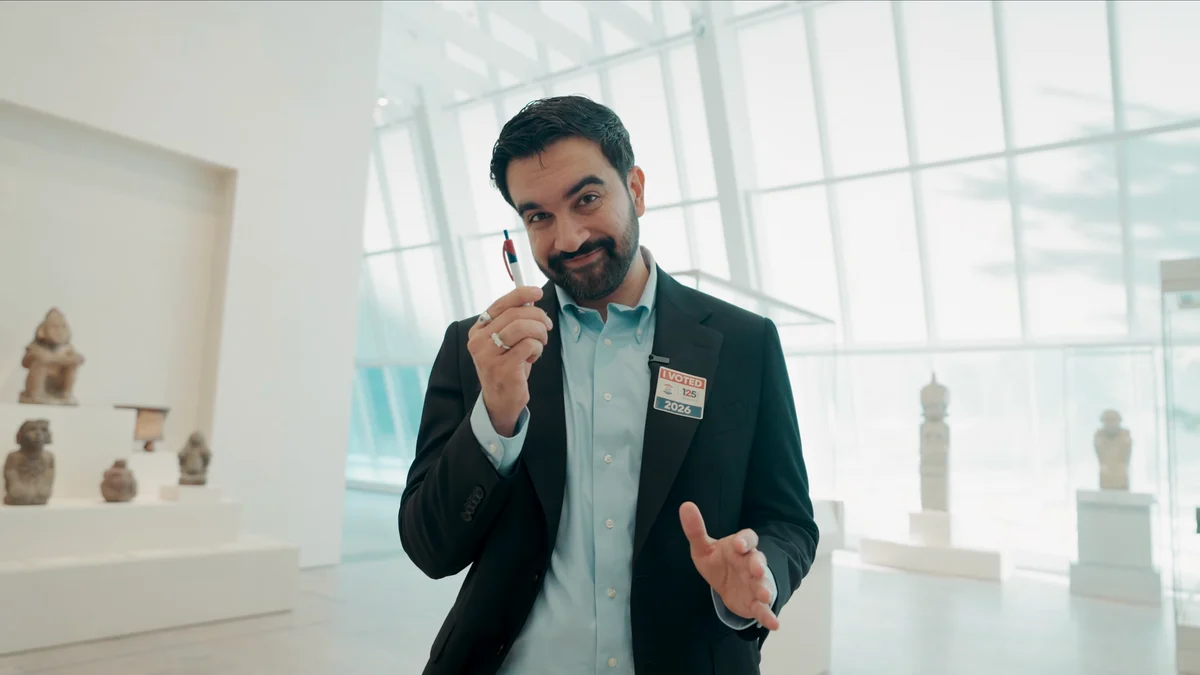
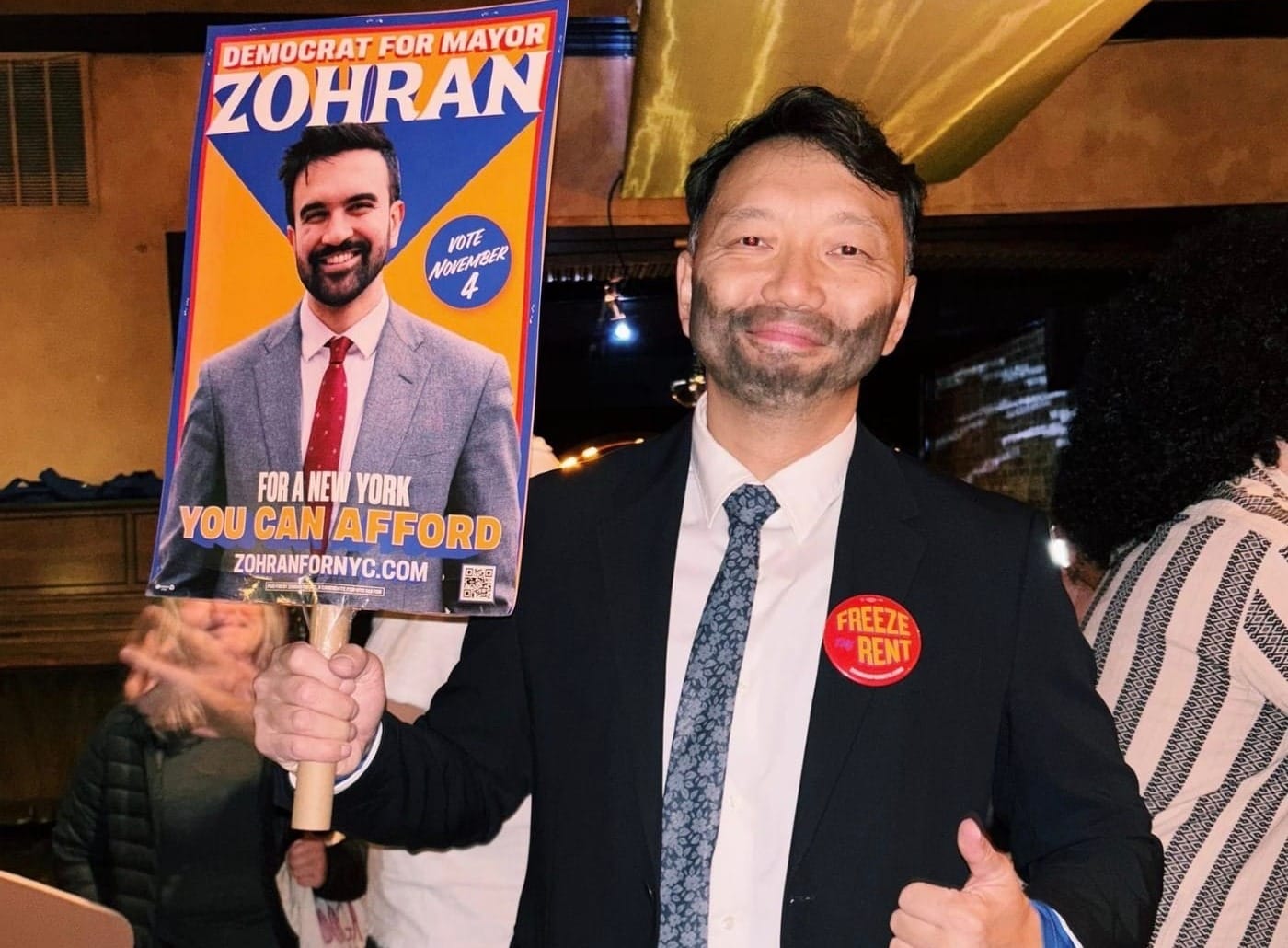
As the crisp air of late October settles over New York City, the cultural and political landscapes are intersecting in unexpected ways. The city finds itself hurtling past Halloween and the preparations for Día de Muertos toward a high-stakes midterm election cycle on November 3. Demonstrating this fusion of civic duty and high culture, Mayor Mamdani cast his vote at The Metropolitan Museum of Art—one of several prominent cultural institutions serving as official polling sites for the upcoming midterms.
Simultaneously, the city’s art institutions are buzzing with high-profile exhibitions, biographical film announcements, and urgent contemporary art debates. Notably:
- Hollywood Meets Basquiat: Rapper and actor Kid Cudi is slated to star as Jean-Michel Basquiat in JEAN, an upcoming 1980s New York-centric biopic.
- Public Festivities: Powerhouse Arts has teamed up with Mexico’s Mestiz Studio to install a monumental ofrenda in Manhattan’s Flatiron North Plaza for Día de Muertos.
- Critical Backlash: The Met’s Costume Art exhibition has drawn sharp criticism from contributors for missing the mark conceptually and practically.
- Feminism and Age: The Marc Straus Gallery’s The Prime of Your Life exhibition challenges industry ageism by spotlighting 18 women artists aged 75 and older, forcing a reckoning with when women creators are finally validated by the art market.
Chronology
- Mid-to-Late October: Cultural venues transition into temporary civic spaces, with institutions like The Met opening their doors to voters for early and election-day voting. Powerhouse Arts and Mestiz Studio begin preparations for their public Día de Muertos installation.
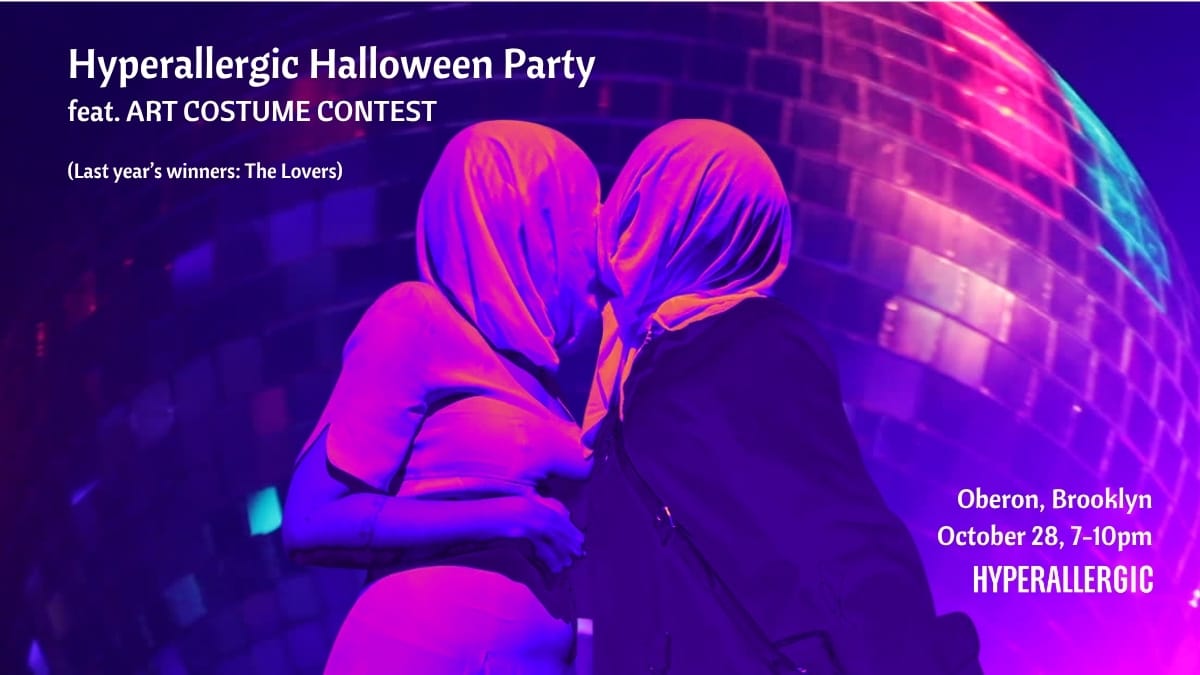
- October 28: Hyperallergic hosts its annual Halloween party in Brooklyn, featuring an arts-forward costume contest and open bar.
- Late October (Closing Week): The Marc Straus Gallery in Tribeca enters the final days of The Prime of Your Life, setting a Saturday closing date for the critically acclaimed exhibition.
- November 3: The midterm elections arrive, serving as a focal point for both civic engagement and localized political discourse across New York City.
- Looking Ahead (2026–2027): Production is officially scheduled to begin next year on JEAN, the biographical film chronicling the meteoric rise of Jean-Michel Basquiat.
Supporting Data & Exhibition Highlights
New York’s gallery and museum calendar is currently dominated by a series of provocative exhibitions that explore historical trauma, esoteric practices, and institutional blind spots. Critics across Hyperallergic have weighed in on several standout shows:
The Prime of Your Life at Marc Straus Gallery
- Curator: Leah Triplett Harrington
- Data: Features 18 women artists, all aged 75 and older.
- Core Quote: "With only their age assembling them, the works in this exhibition offer less of a generational statement and more a critical question of 21st-century feminist art history: What does ‘prime’ mean for a woman artist, when their work is most likely to be valorized by the market and museums only in their older age?"
Savdie / Soutine at Robert Cohan Gallery
- Reviewer: Lakshmi Rivera Amin
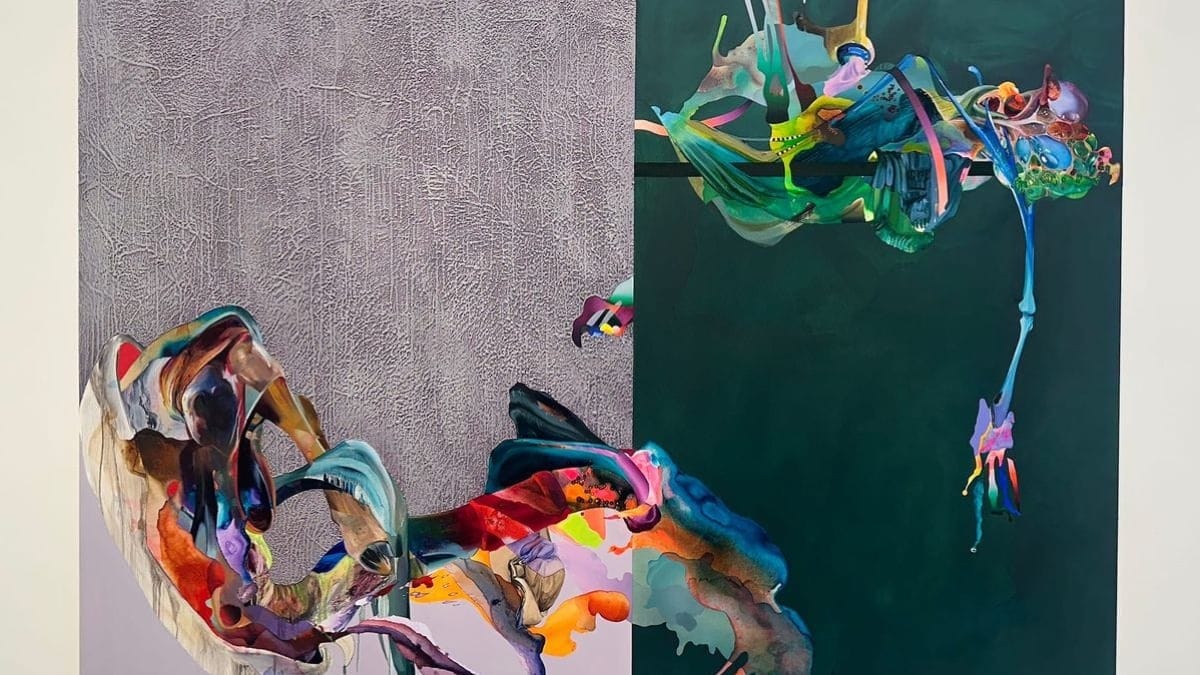
- Core Quote: "If Chaim Soutine hangs up carcasses to dry, Ilana Savdie dissects them with surgical precision… The two artists guide us through the chambers of our own minds and bodies here, as fragmented and estranged as the world around us…"
Conduits of the Unseen: Women Artists Imagine Other Worlds at Andrew Edlin Gallery
- Reviewer: Eliza Swann
- Core Quote: "…This exhibition stands out by asking what esoteric art can make possible, foregrounding its power to challenge entrenched social hierarchies, [restoring] mediumistic work’s social responsibility."
Costume Art at The Metropolitan Museum of Art
- Reviewer: Natalie Haddad
- Core Quote: "For an exhibition with such a simple title, [this exhibition] is awfully confusing. It’s also fairly problematic, but let’s start with the confusing parts."
Literature and Film Spotlights
- Fred Camper’s Suicide Note: Reviewed by Dan Schindel, exploring the numbness of depression and the psychological reality of everyday survival in 1970s New York.
- The Perfect Moment: God, Sex, Art, and the Birth of America’s Culture Wars (2026) by Isaac Butler: Reviewed by Martha Wilson, who draws chilling parallels between the censorship battles of the Mapplethorpe era and the modern-day "war on art."
Official Responses and Public Reactions
The convergence of art spaces and electoral politics has prompted diverse reactions from the public, city officials, and cultural leaders.

When Mayor Mamdani cast his ballot inside the hallowed halls of The Met, it sparked widespread conversation regarding the accessibility and civic integration of New York’s elite cultural hubs. While museum leadership welcomed the partnership—emphasizing that public institutions must serve their communities beyond aesthetic education—some critics have raised logistical questions about balancing civic foot traffic with priceless historical preservation.
Meanwhile, the announcement of JEAN has generated mixed reactions within the city’s downtown arts community. While fans are eager to see Kid Cudi step into the shoes of the iconic 1980s Neo-Expressionist titan, cinephiles and art historians remain cautious about Hollywood’s historical tendency to romanticize and flatten the gritty, complex realities of the East Village art scene during the AIDS epidemic and the crack cocaine crisis.
On the curatorial front, Natalie Haddad’s scathing review of The Met’s Costume Art has opened up broader institutional dialogues about the curatorial drift of major museums when attempting to package populist fashion trends into high-art paradigms. Conversely, the overwhelming praise for grassroots public installations—such as the massive Flatiron ofrenda engineered by Powerhouse Arts and Mestiz Studio—highlights a public appetite for authentic cultural rituals that honor community heritage in open-air civic plazas.
Implications
The events shaping New York City’s cultural landscape this autumn carry deep, lasting implications for the art world at large:
1. Re-evaluating the "Prime" of Women Artists
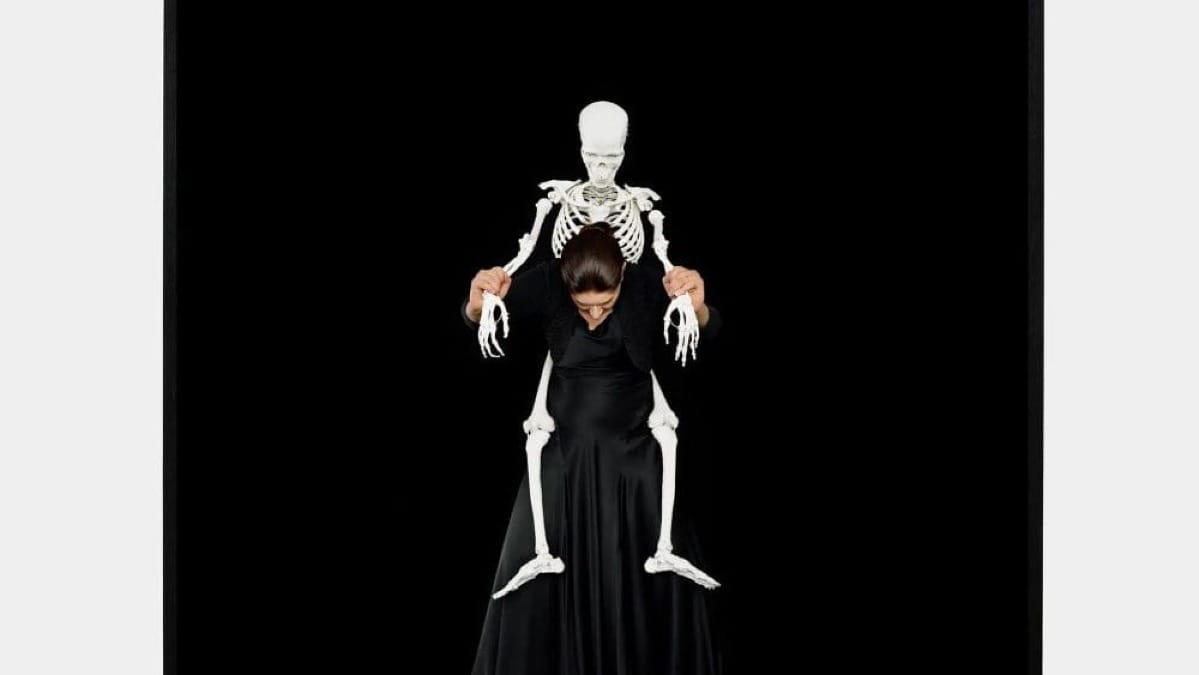
The dialogue catalyzed by The Prime of Your Life strikes at the core of structural misogyny within the contemporary art market. For decades, the art market has fetishized youthful male brilliance—echoing Marilyn Minter’s famous quip that the "art world loves young bad boys and old ladies." By gathering artists over 75, the exhibition forces collectors, auction houses, and museum directors to confront a sobering structural failure: why do women artists frequently have to wait until the twilight of their lives to receive institutional validation and market valorization?
2. The Weaponization of Culture and Free Expression
With the release of Isaac Butler’s book chronicling the Robert Mapplethorpe controversies and the 1980s culture wars, contemporary critics are sounding the alarm over repeating history. As modern censorship efforts, book bans, and funding threats target marginalized creators and LGBTQ+ expression across the United States, the art world is once again being forced to mobilize. The historical memory of the "War on Art" serves as both a warning and a battle cry for modern practitioners fighting to preserve freedom of expression.
3. Civic Integration of Cultural Spaces
The use of museums like The Met as polling stations signals an evolving paradigm for cultural infrastructure. No longer functioning merely as ivory towers or ivory vaults of detached contemplation, major urban institutions are increasingly pressed into service as vital community anchors. Whether facilitating democratic participation at the ballot box or hosting expansive, ancestral memorials like the Flatiron ofrenda, New York’s cultural institutions are proving that art, history, and civic life are fundamentally inseparable.
 Reynand Wu
 Raul Delapena Setiawan
 Evan Lee Salim
