

RIO DE JANEIRO — Following a tense, high-stakes electoral cycle that captured the attention of the global community, incumbent Brazilian President Luiz Inácio Lula da Silva—universally known simply as Lula—staged a remarkable political comeback. Defeating far-right challenger Flávio Bolsonaro in a nail-biting runoff, Lula secured his second consecutive term and his fourth overall presidency with nearly 52% of the vote.
Beyond the traditional political analysis, Lula’s victory has triggered an unprecedented cultural explosion across social media. Rooted deeply in queer aesthetics, vibrant pop culture, and fierce national pride, Brazilian internet users have transformed the political win into a global masterclass in digital satire. The resulting deluge of memes not only celebrates a progressive triumph over rising authoritarianism in Latin America but also cements Brazil’s unmatched influence on digital counter-culture.
Main Facts: A Historic Mandate and a Defeat for the Far-Right
The presidential runoff marked a critical inflection point for Brazil, a nation that has spent years wrestling with deep political polarization, economic anxiety, and the shadow of democratic backsliding.
- The Outcome: Lula secured approximately 52% of the valid votes, turning the tables after a surprisingly tight first round earlier in the month.
- The Opposition: Flávio Bolsonaro, a sitting senator and the son of imprisoned former President Jair Bolsonaro, carried the banner for the hardline right.
- The Stakes: Lula’s platform centered on combating food insecurity, expanding environmental protections, safeguarding Indigenous lands and sovereignty, advancing labor rights, restoring funding for the arts and culture sector, and reinforcing democratic institutions.
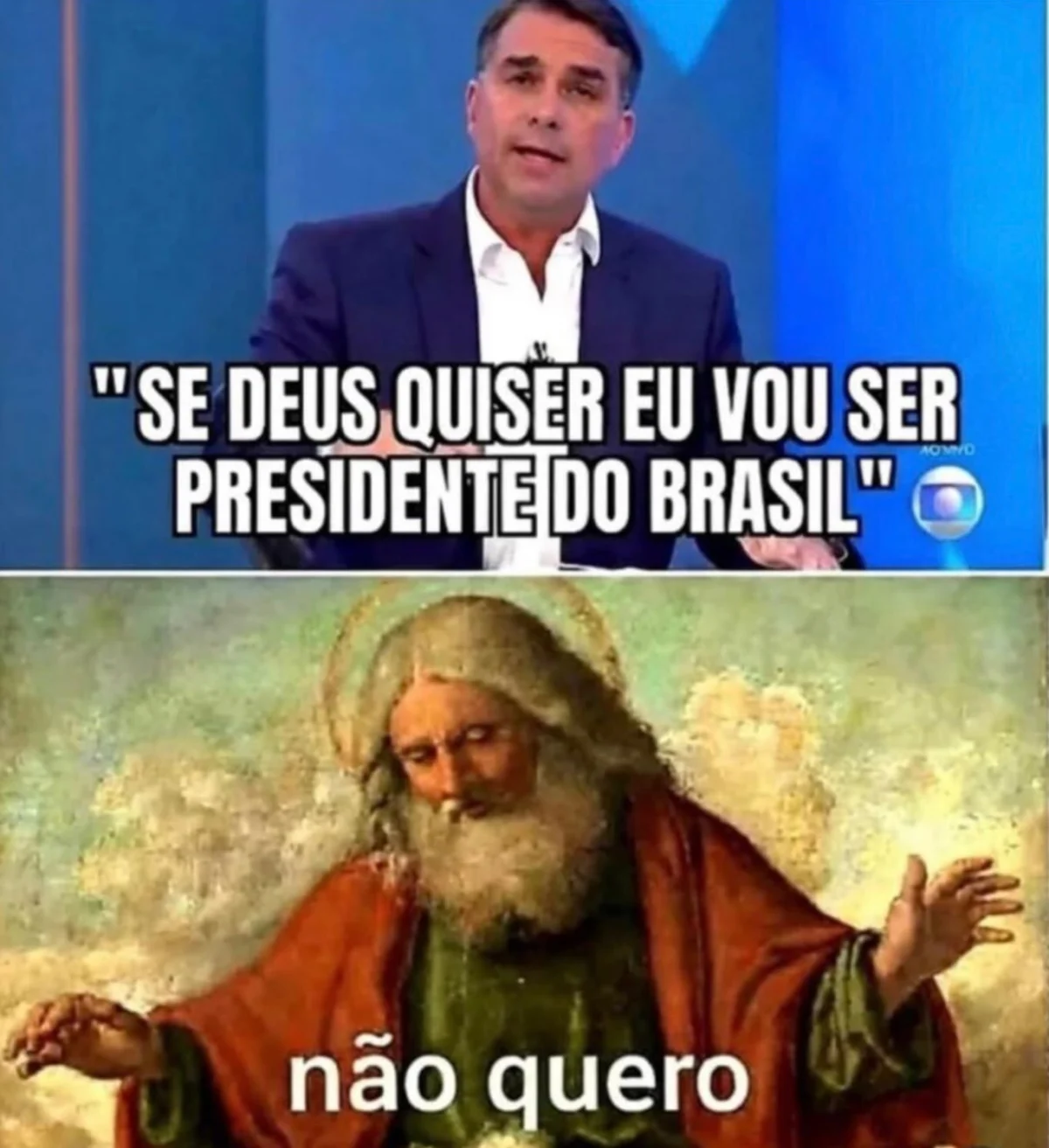
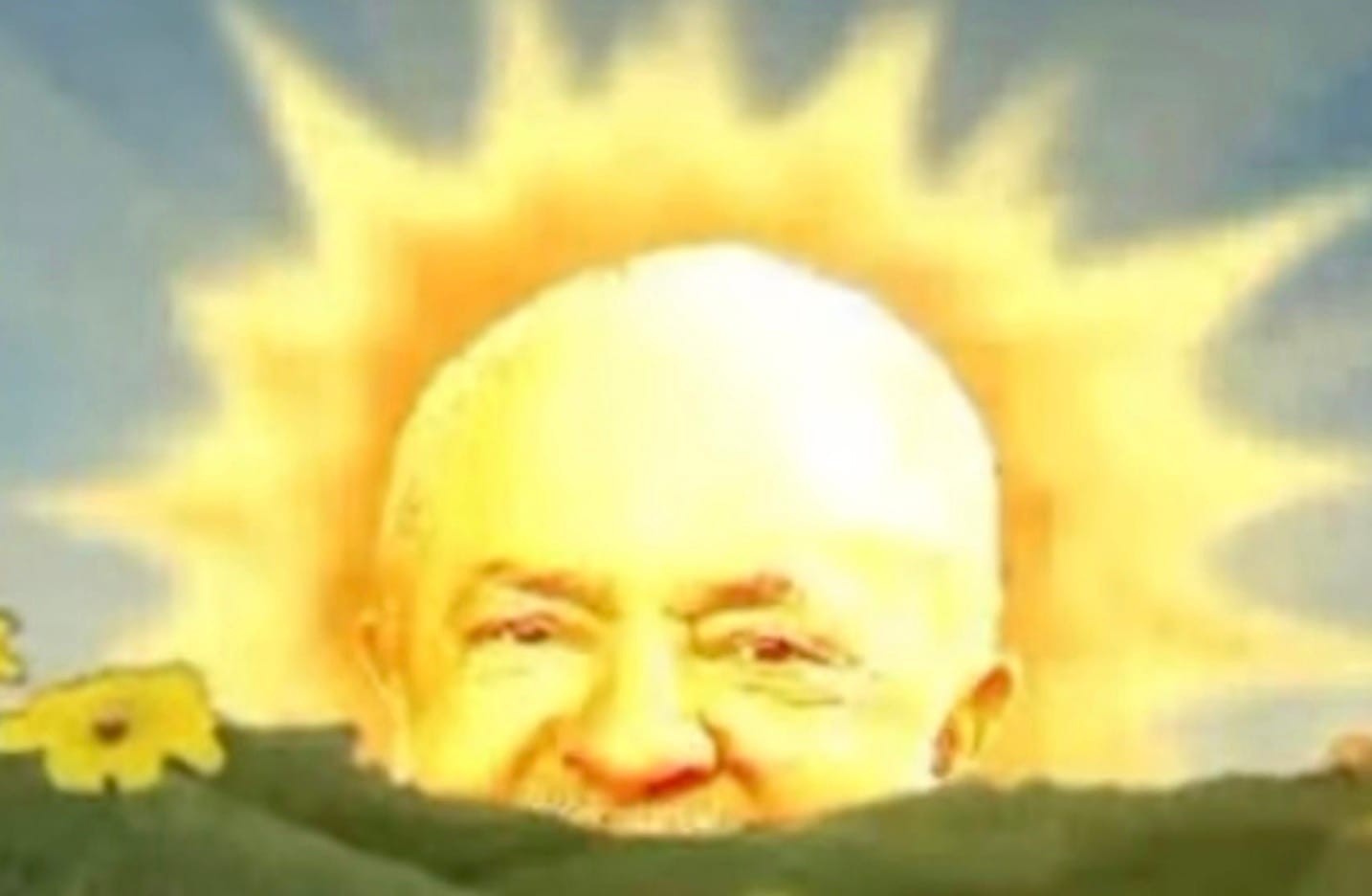
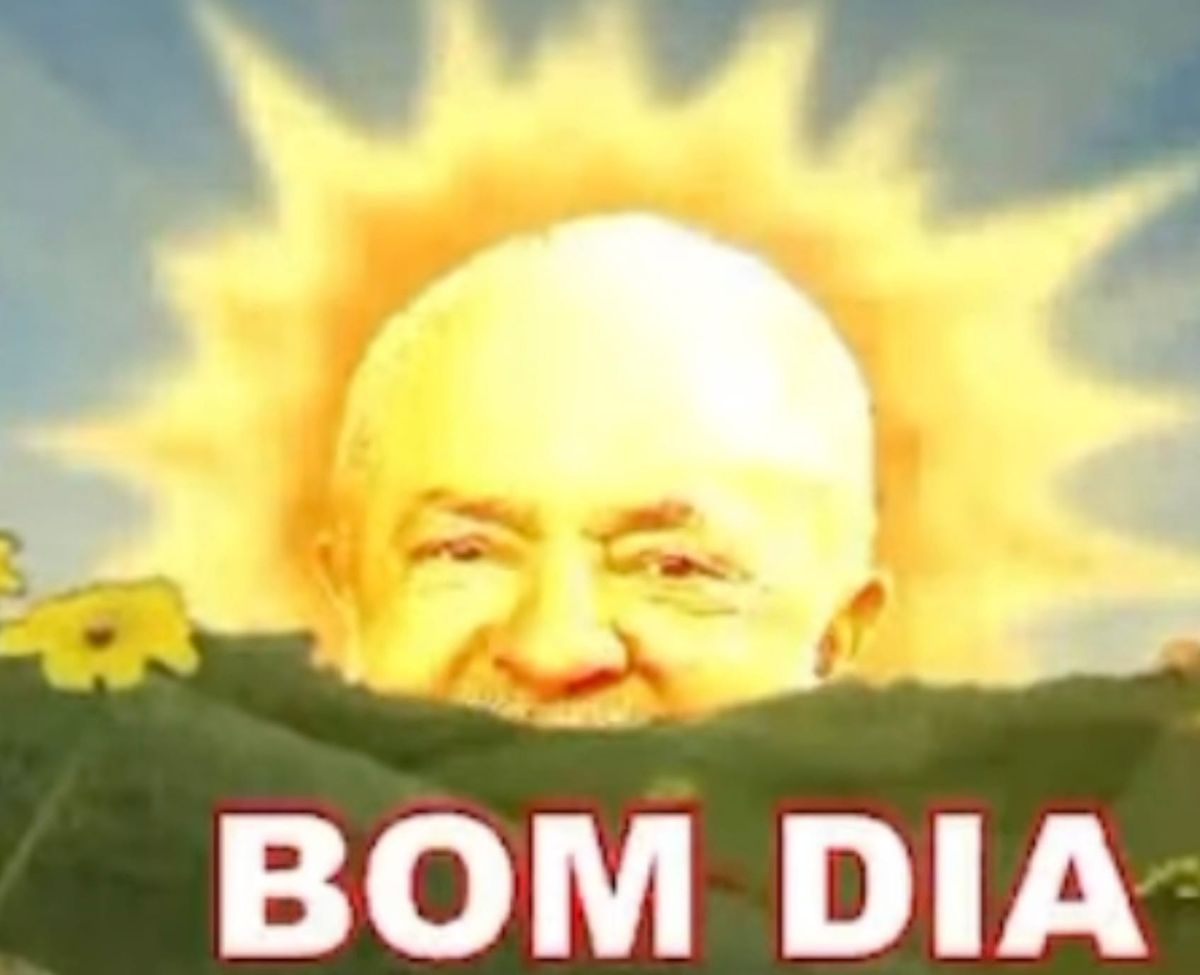
- The Cultural Phenomenon: The victory immediately unlocked a treasure trove of internet humor. From surrealist edits depicting Lula as the smiling baby sun from Teletubbies to biting theological commentary mocking the Bolsonaro campaign’s divine claims, Brazilian digital creators weaponized humor to dismantle far-right rhetoric.
Chronology of the Crisis: From the First Round to the Runoff
To understand the weight of Lula’s victory, one must examine the turbulent timeline that preceded the final vote:
1. The Shock of the First Round
Earlier in October, the initial round of voting delivered an unexpected wake-up call for the incumbent Workers’ Party (PT). Despite incumbent advantages, Flávio Bolsonaro’s coalition mobilized effectively, capitalizing on lingering economic frustrations and conservative strongholds. The razor-thin margins in the first round left international observers stunned and signaled that the threat of a far-right resurgence was far from extinguished.
2. The Campaign Home Stretch and International Pressures
The weeks leading up to the runoff saw intense polarization. Adding external pressure to the domestic race, the United States intervened aggressively in Brazil’s political landscape. In retaliation against the Brazilian judiciary’s prosecution of former President Jair Bolsonaro—who was convicted of criminal conspiracy and sentenced to 27 years in prison for orchestrating a failed coup following Lula’s 2022 victory—Donald Trump’s administration imposed a punitive 50% import tariff on Brazilian goods. Despite these economic threats aimed at swaying the electorate, Brazilian voters ultimately rejected foreign interference at the ballot box.
3. Election Night and the Concession Impasse
As polls closed and election authorities confirmed Lula’s victory with nearly 52% of the vote, celebrations erupted from the streets of São Paulo and Rio de Janeiro to digital spaces worldwide. True to form, Flávio Bolsonaro refused to recognize the legitimacy of the results, echoing the playbook of his father and attempting to cast doubt on the electoral system. However, international recognition of Lula’s win swifted poured in, neutralizing the impact of the opposition’s denialism.
Supporting Data and Political Context
Lula’s historic return to power is underpinned by enduring structural challenges and notable legislative goals:

- Four Terms of Leadership: Lula’s political career represents one of the most resilient arcs in modern democratic history. Having first taken office in 2003, his latest victory marks his fourth mandate as head of state.
- The Bolsonaro Family Legacy: The shadow of Jair Bolsonaro loomed large over the race. Jair Bolsonaro’s 27-year prison sentence for his role in the post-2022 coup attempt remains a landmark moment for Brazilian jurisprudence, proving that the nation’s democratic institutions possess the fortitude to hold high-ranking conspirators accountable.
- Tariff Impacts: The 50% U.S. tariff on Brazilian exports served as a stark reminder of geopolitical vulnerabilities, yet it ultimately galvanized nationalist sentiment among voters who viewed the economic coercion as an insult to Brazilian sovereignty.
Official Responses
Reactions to the election results reflected the deep ideological divides within Brazil and across the international community:
- The Lula Administration: In his victory speech, Lula emphasized national unity, democratic resilience, and a renewed commitment to social justice. "Brazil is back," Lula declared to cheering supporters, promising to prioritize environmental sustainability, the eradication of hunger, and the protection of marginalized communities.
- The Bolsonaro Camp: Flávio Bolsonaro released a defiant statement rejecting the certified results, alleging systemic irregularities without providing verifiable evidence. Conservative lawmakers aligned with the Bolsonaro family echoed these sentiments, signaling a turbulent legislative road ahead in the Brazilian Congress.
- International Observers: Leaders from across Latin America, Europe, and Asia rushed to congratulate Lula, viewing his win as a vital firewall against the global wave of authoritarianism. Conversely, isolationist and right-wing figures in the West remained conspicuously silent or critical, reflecting the ongoing geopolitical friction surrounding trade and democratic norms.
Implications: Humor as Resistance and Global Soft Power
The most defining element of Lula’s victory is not merely political, but cultural. For years, Brazil’s digital landscape has operated as a vibrant, unfiltered arena for political discourse.
The Evolution of Brazilian Meme Culture
Brazil is globally renowned for its fast-paced, highly ironic digital humor—exporting universally recognized meme formats like the "Confused Math Lady" and the ironic rallying cry "Come to Brazil." Over the past decade, internet humor became a primary vehicle for political expression. While far-right actors weaponized disinformation and hate speech during the rise of Jair Bolsonaro, progressive and queer digital creators fought back using ridicule, camp aesthetics, and pop-culture pastiche.
During the 2026 runoff, this digital resistance reached a fever pitch. Memes did not just mock the opposition; they humanized the political struggle, transforming high-stakes geopolitics into accessible, shareable art. By casting Lula as whimsical pop-culture icons or framing conservative defeat through divine irony (such as viral posts reading: Flávio Bolsonaro: "God willing, I will be the president of Brazil" / God: "I don’t want it"), Brazilian netizens reclaimed the narrative.
Strengthening Democratic Resilience
The intersection of politics and meme culture in Brazil highlights a profound truth: humor is a potent weapon against fascism. Authoritarian movements rely on solemnity, fear, and manufactured prestige. By deflating the pretensions of the far-right through relentless satire and joyful self-expression rooted in queer and pop culture, Brazilian civil society stripped authoritarian aspirants of their intimidation factor.
Furthermore, Lula’s victory validates a progressive path forward in Latin America—one that refuses to bow to foreign economic pressure or domestic coup-mongering. As Brazil steps into this next chapter under Lula’s leadership, the nation stands not only as a political battleground for democracy but as a cultural powerhouse demonstrating how joy, creativity, and digital resistance can help turn the tide against fascism.
 Raul Delapena Setiawan
 Suro Senen
 Jia Lissa
