

NEW YORK — As the autumn chill settles over the five boroughs, the city’s cultural calendar is entering one of its most dynamic stretches of the year. Following a three-day weekend defined by domestic overhauls, civic obligations, and neighborhood explorations, the New York art scene is flinging its doors wide open. From neighborhood-wide open studios in Brooklyn to major institutional showcases celebrating Indigenous art and history, the city offers an overwhelming array of cultural touchpoints for locals and visitors alike.
This week’s cultural landscape is shaped by a convergence of major city-funded grants expanding artist resources, a deep dive into Indigenous survivance in commemoration of Indigenous Peoples’ Day, and incisive critical reviews spanning everything from avant-garde sound performances to politically charged solo exhibitions.

Main Facts: A Convergence of Culture, Funding, and Community
The current cultural cycle in New York is characterized by several major developments bridging grassroots community access, municipal policy shifts, and institutional programming:
- Open Studios and Architecture: Sunset Park and Gowanus are hosting their annual open studios, aligning directly with the citywide Open House New York (OHNY) weekend programming, offering rare public access to private architectural spaces and artists’ workspaces.
- Expansion of Municipal Arts Grants: Following the Department of Cultural Affairs’ announcement doubling city-funded artists’ grants from $5,000 to $10,000, officials revealed an additional perk: grant recipients will gain monthly access to the city’s coveted Materials for the Arts warehouse starting October 19.
- Indigenous Art Focus: In observance of Indigenous Peoples’ Day, New York institutions have rolled out an expansive array of Native American art exhibitions, Q&As, and public programming, spotlighting concepts of Indigenous survivance across Manhattan, Long Island, and upstate New York.
- Critical Gallery Circuit: Prominent critics have weighed in on a robust slate of fall exhibitions, evaluating works ranging from queer performance art at SoMad to politically direct critique at Salma Sarriedine gallery and Luhring Augustine.
Chronology: A Week in the Life of New York’s Cultural Sector
The events framing this week’s cultural reporting unfolded across a packed schedule of performances, municipal updates, and institutional openings:
- Early October: The New York City Department of Cultural Affairs announces significant updates to its artist grant programs, increasing individual funding tiers and laying the groundwork for material resource distribution.
- Mid-October: Diné artist and composer Raven Chacon leads a mesmerizing, hour-long improvisational sound performance at the Park Avenue Armory, drawing critical acclaim for sonically mapping the history of the land.
- Indigenous Peoples’ Day Weekend: Critics and editors publish comprehensive round-ups highlighting seven key exhibitions across New York State that embody Indigenous survivance, shifting the paradigm away from narratives of dispossession.
- Upcoming Weekend Programming: Sunset Park and Gowanus open their studios to the public, running concurrently with Open House New York. Meanwhile, the National Museum of the American Indian prepares its "Quilt Along: Sit and Sew" program featuring Diné/Seminole artist Margaret Wood on October 17.
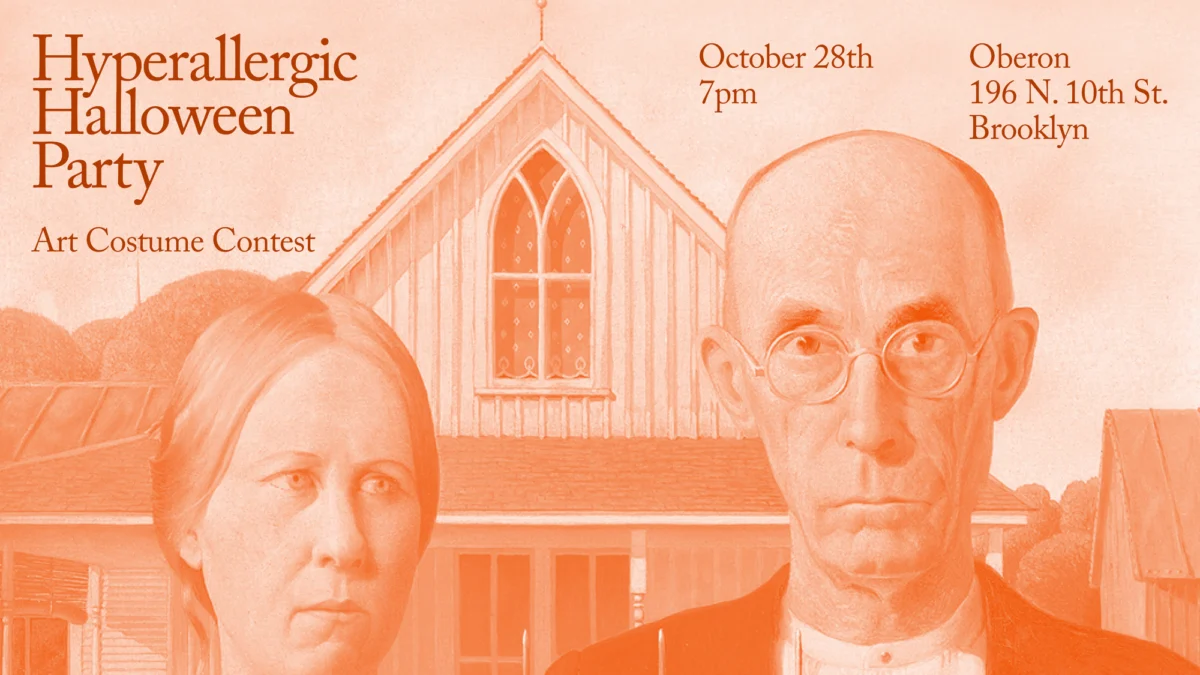
- Late October (Upcoming): The Hyperallergic Halloween celebration is scheduled for October 28 in Brooklyn, featuring art-themed costume contests and seasonal festivities.
Supporting Data: Resources, Grants, and Institutional Reach
The infrastructure supporting New York City artists is undergoing notable improvements, particularly regarding material access and financial backing.
Municipal Grant Enhancements
The doubling of city-funded artist grants from $5,000 to $10,000 represents a vital financial cushion for independent creators navigating the city’s notoriously high cost of living and studio overhead. Compounding this financial support is the newly minted partnership granting awardees access to the Materials for the Arts (MFTA) warehouse on the second Monday of each month, beginning October 19. MFTA, one of the largest creative reuse programs in the United States, diverts tons of reusable surplus materials from businesses and redistributes them to arts organizations and public school teachers, drastically lowering production costs for local makers.
Exhibitions of Indigenous Survivance
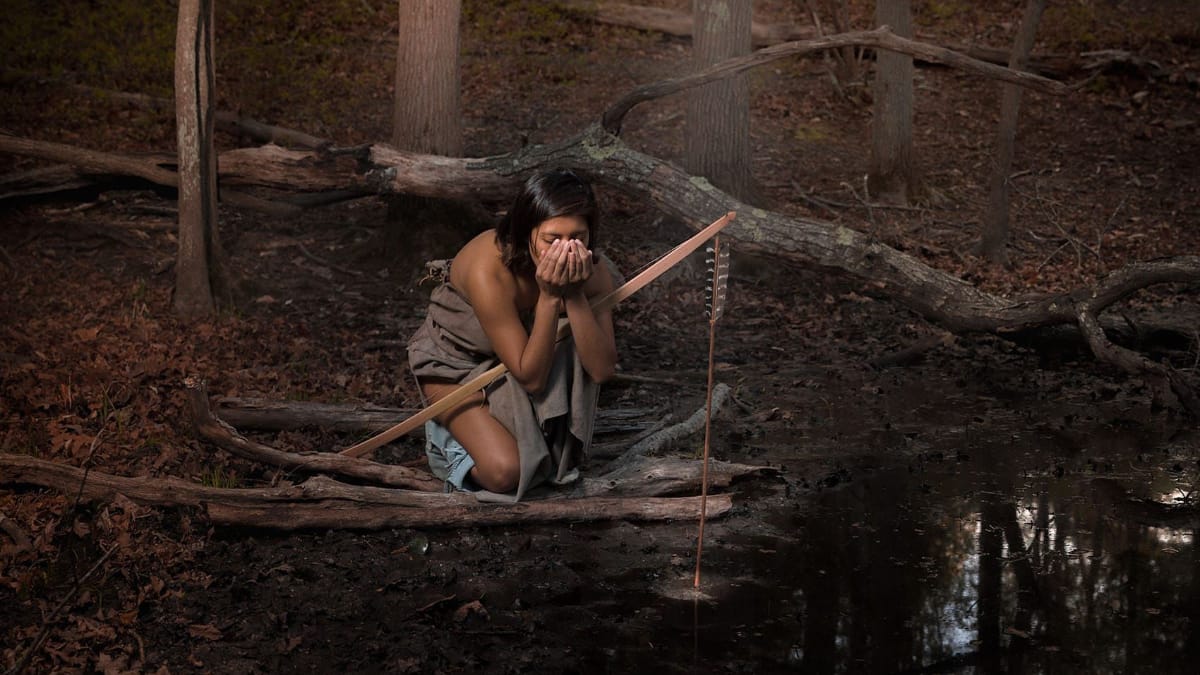
The celebration of Indigenous Peoples’ Day brought renewed visibility to Native artists across institutions such as Manhattan venues, the Hessel Museum of Art at Bard College, and the Long Island Museum in Stony Brook. These exhibitions actively reject outdated tropes of victimhood, framing contemporary Native art through the lens of "survivance"—a term coined by Gerald Vizenor that combines survival and resistance to assert active cultural presence and futurity.
Official Responses and Institutional Initiatives
Cultural leaders, municipal agencies, and museum programmers have mobilized this season to deepen public engagement with marginalized histories and expand artist support networks.
The National Museum of the American Indian’s "Quilt Along"
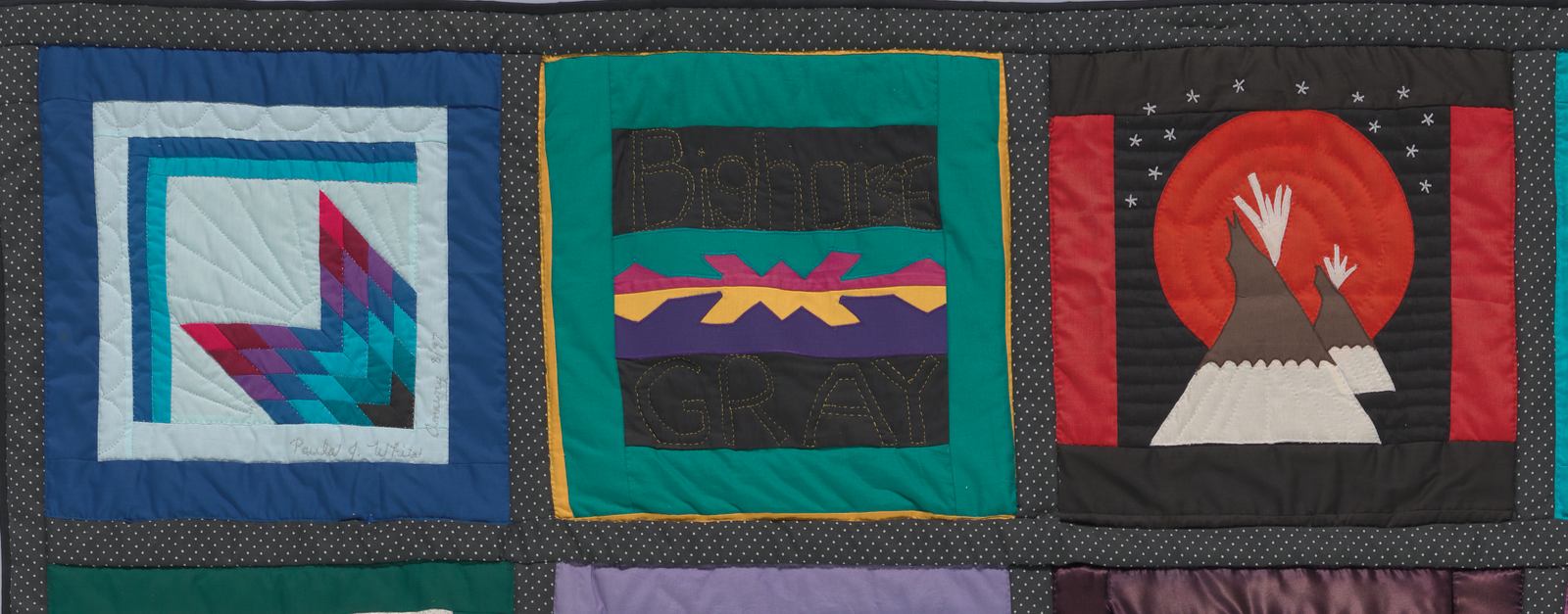
As part of its ongoing mission to connect contemporary Native narratives with the public, the National Museum of the American Indian has launched its first-ever Quilt Along program. Featuring five contemporary Indigenous artists—including Diné and Seminole artist Margaret Wood—the initiative invites the public to engage directly with textile patterns designed around specific eras of United States history viewed through a Native lens. The program’s interactive "Sit and Sew" session, scheduled for October 17, bridges traditional handicraft with contemporary political discourse.
Raven Chacon at the Park Avenue Armory
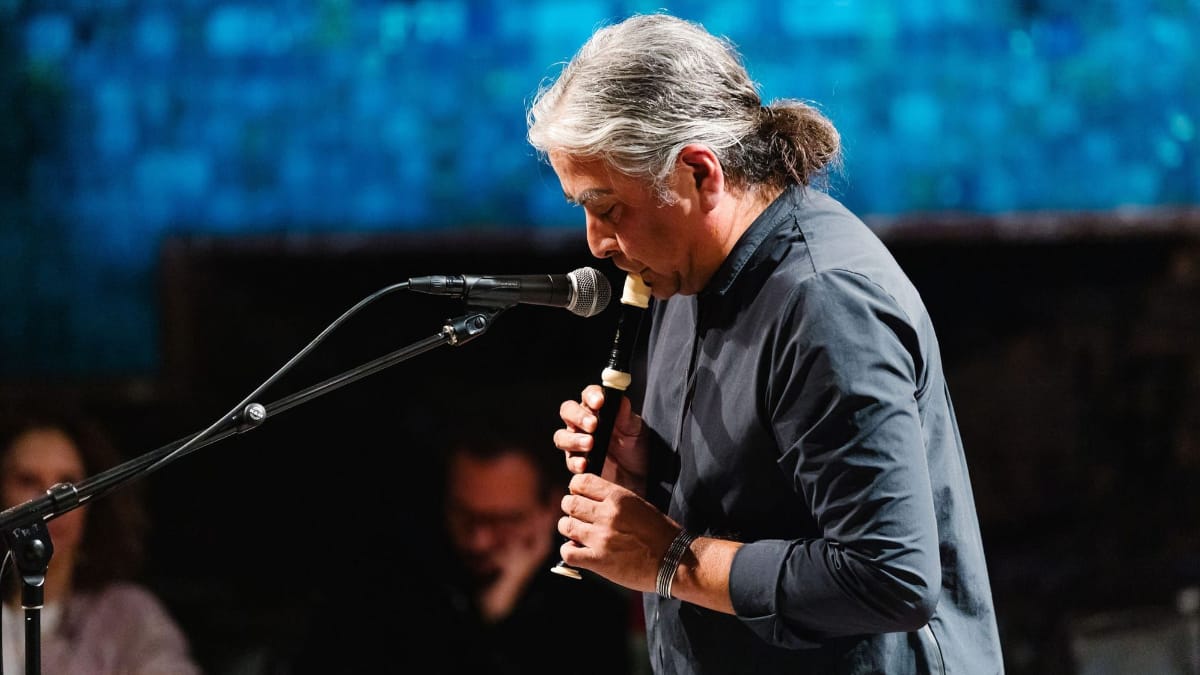
Following his Pulitzer Prize-winning trajectory, composer and artist Raven Chacon delivered an intense sonic exploration at the Park Avenue Armory. In a rich Q&A with Associate Editor Phillip Pyle, Chacon discussed how sound can serve as an archive and monument to the land, moving beyond traditional Western compositional frameworks to address historical geographies.
Implications: What This Means for the New York Art Ecosystem
The convergence of open studio weekends, expanded municipal grants, and deep institutional dives into Indigenous and queer art signals a shifting tide within New York’s cultural ecosystem.
- Grassroots Resilience: With neighborhoods like Gowanus and Sunset Park flinging open their studio doors alongside Open House New York, the city reaffirms its commitment to local, place-based artistic communities. These events offer a vital antidote to the hyper-commercialization of the Manhattan gallery district, allowing patrons to engage directly with the physical spaces where art is conceived and produced.
- Decentralizing Narratives: The robust institutional attention given to Indigenous survivance and queer performance art—exemplified by Hrag Vartanian’s review of Pleasure Dome: Continuum at SoMad—demonstrates a growing curatorial appetite for work that functions simultaneously as aesthetic expression, ritual healing, and political resistance.
- Economic Sustainability: The pairing of increased cash grants ($10,000) with tangible physical resources (Materials for the Arts warehouse access) sets a promising precedent for municipal support. As studio rents continue to threaten the viability of working in the five boroughs, these dual-pronged initiatives provide a crucial lifeline for keeping independent artists rooted in New York City.
As the fall season accelerates—culminating in events ranging from the Tompkins Square Dog Halloween Parade to the upcoming 2027 New Museum Triennial preparations—the city’s cultural workers continue to prove that even amid overwhelming to-do lists and economic pressures, immersion in the arts remains an essential, unyielding pursuit.
 Muslim
 Sagoh
Sagoh
 Evan Lee Salim
