

Introduction
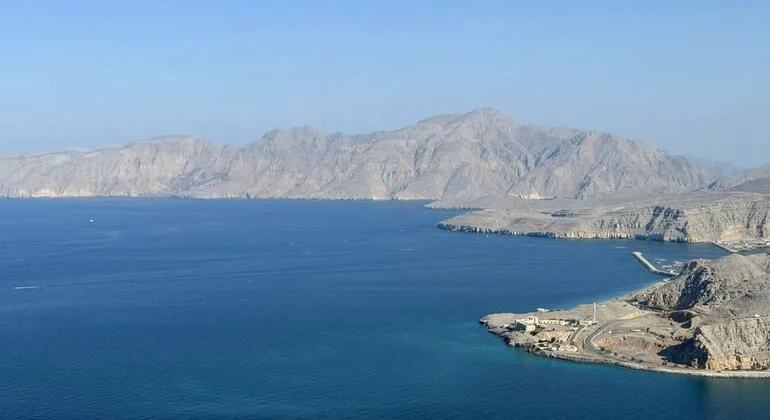
The Strait of Hormuz, the world’s most critical maritime chokepoint, is finally witnessing a glimmer of stability. Following a landmark Memorandum of Understanding (MoU) between the United States and Iran, a complex and historic maritime evacuation operation has commenced. For months, hundreds of commercial vessels—and thousands of exhausted seafarers—have been held in a state of suspended animation, trapped within a volatile war zone. With the formalization of a peace agreement, the International Maritime Organization (IMO) has mobilized a coordinated effort to clear the Gulf waters, aiming to restore global supply chains and bring mariners home.
The Operational Framework: Navigating to Safety
The IMO’s evacuation plan is a masterpiece of logistical coordination, necessitated by the unprecedented dangers that have plagued the region since late February. The agency has confirmed that between 500 and 600 commercial vessels are currently being processed for exit.
To ensure the safety of these ships, the IMO has designated two temporary, specialized sea lanes. These routes bypass the standard commercial shipping channels, which are currently fraught with the threat of sea mines and debris from recent naval engagements.
- The Northern Route: Closely hugging the Iranian coastline, this path provides a controlled corridor monitored by Iranian authorities.
- The Southern Route: Stretching through the territorial waters of Oman and the United Arab Emirates, this passage relies on regional cooperation to ensure safe transit.
The IMO has issued a strict directive to all captains: "Do not move. Wait to be contacted." Each vessel is being assigned to a specific transit group and given a designated departure window. This "staggered" approach is designed to prevent congestion and allow naval assets to clear mines and monitor for potential security threats. Both Iran and Oman have committed to ensuring the safety of navigation within their respective territorial waters, though the IMO cautioned that vessels may still be halted at any time for "safety, security, or naval deconfliction purposes."
Chronology of a Maritime Crisis
The current evacuation marks the culmination of a harrowing period that brought global trade to its knees.
- February 28, 2026: The onset of the conflict, characterized by the initiation of US-Israeli bombing campaigns against Iranian targets, effectively turned the Strait into a theater of war.
- March 2026: Shipping traffic plummeted. Where the Strait once saw 130 vessels pass daily, numbers dwindled to a perilous few dozen as insurance premiums skyrocketed and shipowners ordered crews to drop anchor in the Gulf.
- April 2026: As the geopolitical situation reached a stalemate, the humanitarian crisis for the crews intensified. Global energy markets suffered a profound shock, with developing nations hit hardest by the resulting supply chain collapse.
- Last Week: The signing of the US-Iran Memorandum of Understanding provided the diplomatic framework necessary to halt hostilities.
- This Week: The IMO announced the formal evacuation plan, with the first waves of ships beginning their departure through the newly established corridors.
The Human Cost: A Mariner’s Testimony
While the logistical achievement of clearing the Strait is significant, the emotional and psychological toll on the seafarers cannot be overstated. Third Officer Clarisse Bangga, who was evacuated from her carrier earlier this month, offers a harrowing glimpse into the life of those caught in the crossfire.
"You don’t know when the war will end; you don’t know when the vessel can safely pass the Strait," Bangga told UN News. Her testimony highlights the "unique" trauma of being a civilian trapped in a combat zone. "Aside from the stressful effects of the workplace itself, you have the stress of what is going on around you. Every day, there are missile alerts, drone threats, and the constant, gnawing uncertainty of whether your ship will be the next target."
Bangga emphasized that the professional training provided to crews—such as emergency drills and safety protocols—is only half the battle. The true challenge is the psychological endurance required to maintain morale under the constant threat of death. "I don’t think anybody can really understand what it feels like to be in a war zone unless they’ve been there," she added. For those still waiting for their turn in the departure queue, she advocates for better mental health support and clear, consistent communication from their companies to lessen the crushing weight of "operational and economic stress."
Supporting Data and Strategic Implications
The economic repercussions of the three-month shipping freeze have been catastrophic. The Strait of Hormuz handles roughly 20 to 30 percent of the world’s petroleum consumption. The abrupt cessation of transit created a "global energy shock" that will, according to analysts, have ripple effects for years to come.
The IMO reports that since the emergency began, 14 seafarers have lost their lives in targeted attacks. These figures do not include the thousands of others who suffered from lack of supplies, limited medical access, and the extreme anxiety of living on a "sitting duck" in the middle of an active conflict zone.
The return to pre-war transit levels is expected to be gradual. As the evacuation progresses, the IMO anticipates a surge in traffic, which will test the current safety measures. The success of this operation hinges on the continued adherence of both Washington and Tehran to the terms of the MoU. Should the evacuation proceed without further incident, it will be viewed as a rare diplomatic success story in a region long defined by gridlock.
Official Responses and the Road Ahead
IMO Secretary-General Arsenio Dominguez issued a statement of cautious optimism on Wednesday. "After months of hardship and distress for thousands of innocent seafarers, and a negative impact for the whole world, I welcome with deep satisfaction the peace agreement," Dominguez stated. He described the evacuation as a "decisive step" toward restoring maritime security.
However, the maritime community remains on high alert. The threat of sea mines—a legacy of the intense fighting—remains the primary concern for the IMO’s technical teams. The agency has been working around the clock to verify conditions in the new sea lanes, but they acknowledge that the "degraded navigation conditions" require extreme vigilance.
For the shipping companies, the immediate priority is the safe extraction of their crews and assets. Once the evacuation is complete, the focus will shift to the long-term stabilization of the route. The IMO has hinted that the "temporary" sea lanes might remain in use even after the evacuation concludes, serving as a buffer while the main shipping lanes are surveyed and cleared of unexploded ordnance.
Conclusion: A Fragile Hope
The mass evacuation of the Strait of Hormuz is more than a logistical feat; it is a vital humanitarian mission that brings an end to one of the most dangerous chapters in modern maritime history. While the ships are finally moving, the trauma of the "war zone" experience will stay with the crews for a long time.
The world now watches the Gulf with bated breath. The success of this operation is the first step in rebuilding a broken supply chain and, more importantly, restoring the safety and dignity of the men and women who keep the global economy afloat. As Third Officer Bangga poignantly noted, the most vital aid for those still waiting is not just fuel or supplies, but the certainty that their ordeal is coming to a close. For now, the sea lanes are open, and the long, slow journey toward normalcy has finally begun.
 Asro
Asro
 Layla Zulfa
