

Main Facts: The Disclosure That Shook Country Music and the NFL
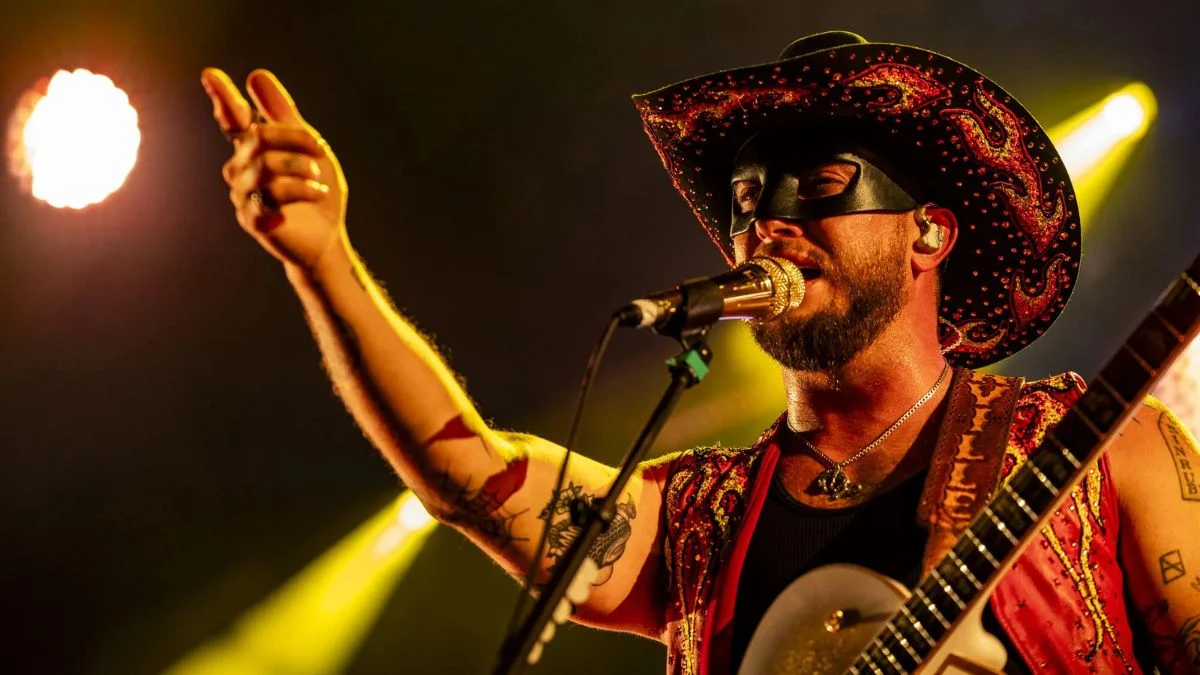
Country music has long been a bastion of traditional storytelling, but few modern artists blend outlaw mythos with contemporary queer identity quite like Orville Peck. The masked crooner has once again blurred the lines between personal truth and public persona, sparking widespread speculation across both sports and entertainment media. In his latest studio album, Mule, released on September 18, Peck drops a bombshell lyric that has fans and music critics talking: he casually reveals that he once "made out with a guy on the Raiders."
The line appears on the track "Ring the Bell," a standout song from the critically acclaimed LP. While lyric-driven confessions are par for the course in country music, naming—or at least strongly hinting at—a professional athlete from one of the most notoriously tough franchises in the National Football League elevates the gossip to a cultural milestone. Speaking in a recent interview with Variety, Peck confirmed that the lyric is entirely autobiographical, recounting a real-life romantic encounter with an unnamed player from the historic franchise (which spent decades in Oakland before relocating).
True to his enigmatic nature, Peck is keeping the player’s identity close to his chest, leaving the gridiron sleuthing to the public. However, the revelation does more than just feed the rumor mill; it serves as a powerful statement about consent, modern masculinity, and the changing face of professional sports culture. By ensuring that he had the green light from the mystery man before putting the verse on wax, Peck has framed the lyric not as a tell-all betrayal, but as a celebratory nod to a clandestine romance that both parties look back on fondly.
Chronology: From the Studio to the Global Stage
To understand how this story unfolded, it is necessary to trace the timeline of the rollout for Mule, which has quickly established itself as one of the most talked-about country records of the year.
The Genesis of Mule (Early 2026)
Orville Peck began teasing the follow-up to his ambitious collaborative project Stampede late last year, retreating to the studio to record his fourth full-length solo album. Titled Mule, the record was conceptualized as a grittier, more introspective journey into the heart of Americana, heavily leaning into themes of endurance, resilience, and personal history.
The Album Announcement and Tour Dates (July 2026)
In July, Peck officially announced Mule alongside a massive slate of tour dates dubbed the "Man Turned Mule Tour." The announcement immediately sent ticket sales soaring, with fans eager to see how the masked visionary would translate the new material to the live stage. At this point, the tracklist was kept mostly under wraps, save for a few promotional singles that set a high-stakes, cinematic tone for the record.
The Release and the Lyric Heard ‘Round the World (September 18, 2026)
Mule dropped on September 18, instantly dominating music streaming platforms and drawing praise for its sonic versatility and sharp songwriting. Almost immediately, eagle-eared listeners zeroed in on "Ring the Bell." Social media platforms like X (formerly Twitter) and TikTok lit up with fans dissecting the specific lyric: "Made out with a guy on the Raiders."
The Variety Confirmation (Late September 2026)
As the lyric began trending across entertainment news outlets, Peck addressed the line directly in an interview with Variety. Rather than deflecting or playing coy about whether the lyric was a metaphor, the singer confirmed its literal truth. He noted that the athlete in question was not only aware of the lyric but was genuinely "thrilled" to be immortalized in a country song. With the cat out of the bag, the story transitioned from fan speculation to verified pop-culture history, setting the stage for his upcoming autumn tour.
Supporting Data: The Commercial Impact and Cultural Footprint
The intersection of professional sports and the music industry rarely fails to capture the public’s attention, and the financial and cultural data surrounding Orville Peck’s latest era demonstrates just how potent this combination is.
Chart Performance and Streaming Metrics
Mule arrived on streaming services with immense momentum. In its first tracking week, the album accumulated millions of streams globally, bolstered by the viral traction of "Ring the Bell." The track quickly became one of the most-streamed non-single cuts from the album, proving that the lyrical revelation acted as a brilliant organic marketing catalyst. Musicologists note that songs featuring specific, scandalous, or highly personal true stories historically outperform standard album tracks in initial audience retention, a metric Mule has capitalized on seamlessly.
The "Man Turned Mule Tour" Economics
The commercial viability of Peck’s brand is further evidenced by his upcoming tour, which kicks off in late October and runs through November. Tickets for the tour have experienced a surge in demand following the album’s release and the ensuing media frenzy. Secondary market platforms have seen steady traffic for sold-out dates. To accommodate the high demand, promotional partnerships—such as ticket availability via Vivid Seats, offering $20 off orders of $200 or more with the promo code COS20—have provided fans with accessible entry points to experience the new music live.
Demographic Shifts in Country Audiences
Data from ticketing platforms and streaming analytics indicate that Orville Peck continues to successfully expand the demographic boundaries of country music. By blending traditional instrumentation with unapologetically queer narratives, Peck attracts a younger, more diverse audience that traditionally might not have engaged with mainstream country music. The "Raiders player" anecdote encapsulates this cross-pollination, bridging the hyper-masculine world of professional football with the traditionally conservative—yet currently evolving—landscape of country music.
Official Responses: Navigating Privacy, Permission, and Playfulness
The delicate dance of revealing a celebrity or athlete hookup without facing legal or social repercussions requires careful navigation. In his interviews surrounding the release of Mule, Peck was transparent about the ethical considerations he undertook before finalizing the track.
Orville Peck’s Statement on Consent and Collaboration
Speaking to Variety, Peck emphasized that he would never out someone or jeopardize a person’s personal life for the sake of a catchy lyric.
"I did receive permission to sing that lyric from the subject in question, and he was very thrilled," Peck stated.
This detail is crucial. In an era where forced outing has ruined careers—particularly within hyper-masculine institutions like the NFL, where active players have historically faced immense systemic pressure to remain in the closet—Peck’s cautious approach highlights a respectful boundary. He noted that while the player likely would have been comfortable being named outright, Peck chose to protect his anonymity out of an abundance of caution, leaving the revelation playful rather than predatory.
The Silence from the Gridiron
As of press time, no player from the historical Oakland Raiders roster (encompassing players from the franchise’s tenure in Oakland, spanning decades up to their 2020 relocation to Las Vegas) has publicly claimed responsibility for the romantic encounter. Given the complex social dynamics of professional locker rooms, it is unlikely that the mystery man will step forward publicly, preferring to keep his status as the "mystery Raider" an inside joke between himself and the country star.
NFL representatives and the Raiders organization have similarly declined to comment on the matter, treating the song as a matter of personal artistic expression rather than a league concern.
Implications: Changing the Conversation Around Sports, Music, and Identity
While the anecdote is undeniably juicy pop-culture fodder, its broader cultural implications resonate far beyond the pages of gossip columns. It speaks to a slow, steady dismantling of long-held taboos surrounding sexuality in both professional sports and country music.
Challenging the NFL’s Locker Room Culture
Historically, the NFL has lagged behind other major sports leagues when it comes to openly LGBTQ+ athletes. While a handful of players—such as Carl Nassib, who came out publicly during his playing career—have broken barriers, the league’s locker rooms remain heavily guarded environments rooted in traditional, hyper-masculine archetypes.
When a prominent cultural figure like Orville Peck casually mentions hooking up with a football player—and notes that the athlete was thrilled about it—it chips away at the archaic stigma associated with non-heterosexual encounters in professional sports. It normalizes the reality that athletes, like anyone else, have private lives that often exist outside the rigid binaries historically enforced by sports media and fandoms.
The Evolution of Country Music’s Outlaw Tradition
Country music has always celebrated the outlaw—the rebel who lives by their own rules, bends social conventions, and sings honestly about vices, heartbreaks, and secret romances. Historically, however, those narratives were strictly heteronormative.
By inserting queer romance into the classic American songbook on the same level as drinking whiskey or riding the open range, Orville Peck is expanding the definition of the outlaw. He is proving that traditional country songwriting can accommodate modern queer experiences without losing its timeless grit or dramatic flair.
Looking Ahead
As Orville Peck prepares to hit the road for the "Man Turned Mule Tour" this October and November, "Ring the Bell" is guaranteed to be a nightly highlight. Fans packing venues across the country won’t just be singing along to a catchy melody; they will be participating in a collective wink at one of the music industry’s best-kept secrets.
Whether the mystery Raider ever decides to reveal himself remains to be seen. But until then, the lyric stands as a testament to the power of good music, mutual respect, and the thrilling unpredictability of life on and off the road.
 Asro
Asro
 Lina Irawan
 rifanmuazin
