

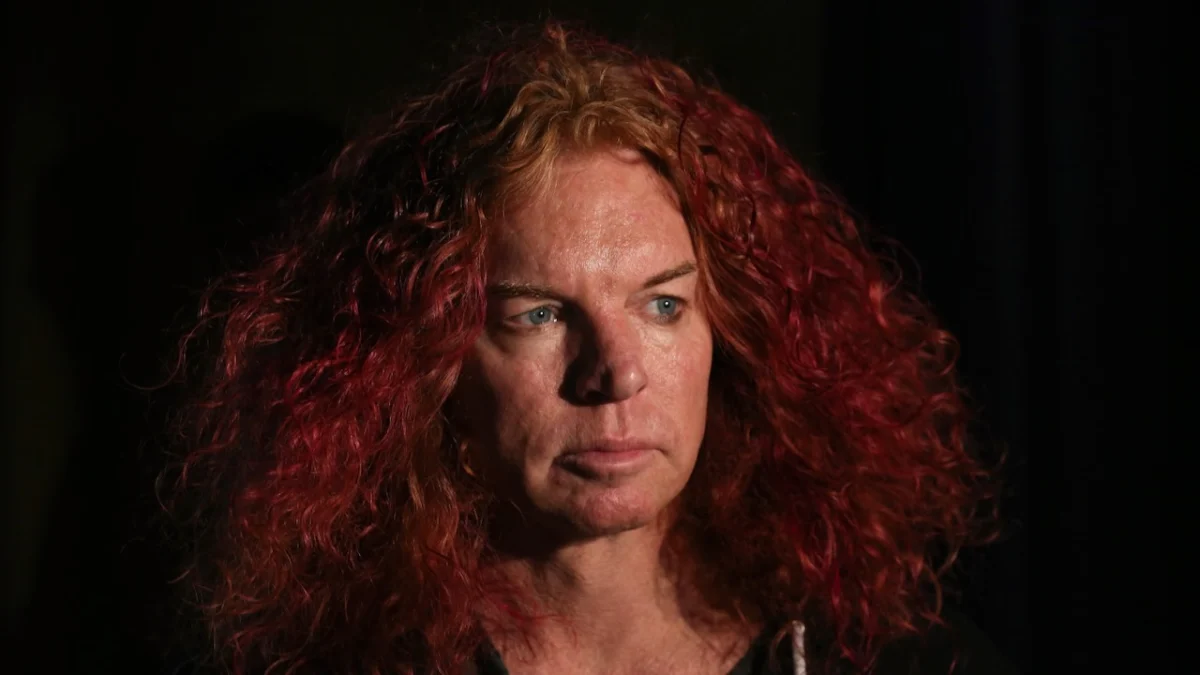
LAS VEGAS — Veteran comedian and prop comic Scott Thompson, universally known by his stage persona Carrot Top, was hospitalized in Las Vegas late Friday night following a suicide attempt, representatives have confirmed.
The 61-year-old entertainer, a staple of the Las Vegas Strip entertainment scene for nearly two decades, is currently receiving medical treatment and psychological evaluation. News of the incident has sent shockwaves through the comedy community, sparking an outpouring of support from fellow performers, fans, and mental health advocates alike.
Main Facts
According to statements provided to media outlets by his representatives, the incident occurred on Friday evening, September 18, 2026, at a residence in Las Vegas. Emergency services were dispatched following an urgent call, and Thompson was rapidly transported to a local medical facility.
- Subject: Scott Thompson, professionally known as Carrot Top (born February 25, 1965).
- Age: 61.
- Location: Las Vegas, Nevada.
- Current Status: Hospitalized, stable, and recovering under professional medical care.
- Professional Impact: Friday night’s headlining residency performance at the Luxor Hotel and Casino was abruptly canceled. Future show dates remain under review as family and management prioritize his health and recovery.
A spokesperson for the comedian released a brief but pointed statement to the press, emphasizing the need for privacy while confirming his current condition:
"Carrot Top is currently recovering in the hospital and is receiving the care and support he needs. His family and those closest to him express their profound gratitude for the overwhelming concern and support from fans and colleagues alike, and respectfully ask for privacy during this difficult time."
Chronology of Events
The events leading up to and immediately following Friday’s hospitalization unfolded rapidly over the course of a single evening.
- Late Afternoon / Early Evening, Friday: Staff and associates noticed concerning behavior or communications from Thompson, prompting immediate concern for his well-being.
- Approximately 9:00 PM PST: Emergency responders arrived at the scene in Las Vegas following a 911 call reporting a suicide attempt. Lifesaving interventions were administered on-site before Thompson was rushed via ambulance to a nearby hospital.
- Late Friday Night: Word of the emergency began circulating within entertainment industry circles. Luxor Hotel management was notified, leading to the immediate cancellation of Friday’s scheduled late-night residency performance. Ticketing agents began processing refunds and notifying bewildered audience members already gathering at the venue.
- Saturday Morning: Representatives officially confirmed the hospitalization to TMZ and other major media outlets, framing the narrative around recovery, medical care, and requests for privacy.
- Saturday Afternoon to Present: Social media platforms filled with statements of solidarity from notable comedians, actors, and public figures, while mainstream media outlets began broader discussions regarding mental health struggles among long-term touring entertainers and residency performers.
Supporting Data: Carrot Top’s Career and the Demands of Residency Life
To fully understand the gravity of the situation, it is essential to look at Scott Thompson’s enduring place in American comedy and the unique pressures associated with his career trajectory.
The Rise of a Prop Comic Icon
Emerging from Cocoa Beach, Florida, Thompson adopted the moniker "Carrot Top" due to his distinct, wild red hair while attending Florida Atlantic University. He broke into the national comedy circuit in the late 1980s and early 1990s, characterized by a manic, high-energy stage persona that relied heavily on an elaborate trunk full of bizarre, custom-built props and visual gags.
Throughout the 1990s, Carrot Top became a ubiquitous presence on television, appearing endlessly on late-night talk shows, Comedy Central specials, and pop-culture staples like Larry Sanders Show, Scrubs, and various feature films, most notably 1998’s Chairman of the Board.
The Las Vegas Residency Grind
In 2005, Thompson signed what would become a career-defining, long-term headlining residency at the Luxor Hotel and Casino on the Las Vegas Strip. Over the subsequent 21 years, he performed thousands of shows, cementing his status as one of the longest-running and most reliable headliners in the city.
While Las Vegas residencies offer performers the stability of staying in one location—avoiding the grueling travel schedules typical of traditional stand-up tours—they introduce a different set of psychological and physical challenges:
- Monotony and Burnout: Performing the exact same style of high-energy, physically demanding show five to six nights a week for decades can lead to profound artistic and personal burnout.
- Isolation: Despite living in a bustling entertainment hub, performers often experience profound isolation living out of hotels or private residences separated from traditional family support systems.
- The Pressure to Maintain Persona: For decades, Carrot Top has been the subject of persistent tabloid scrutiny regarding his physical appearance, bodybuilding transformation, and comedic style—scrutiny that often borders on relentless public mockery. Navigating public perception while aging in the hyper-critical spotlight of the Las Vegas Strip creates immense underlying stress.
Official Responses and Industry Reaction
The entertainment industry responded swiftly to the news, with an overwhelming wave of empathy dominating public statements from comedy legends, younger comics, and venue operators alike.
Statements from Fellow Comedians
Dozens of comedians took to social media to share stories of Thompson’s behind-the-scenes kindness, generosity, and dedication to his craft—traits that fans rarely saw beneath the chaotic, prop-heavy stage persona.
- Comedian Dane Cook posted via X (formerly Twitter): "Scott is one of the hardest-working, kindest guys in this business. People have no idea how grueling it is to make people laugh every single night for decades. Sending all my love and strength to my brother."
- Actor and Comedian George Lopez emphasized the hidden battles entertainers face: "You never know what someone is carrying behind the curtain. Please check on your friends, no matter how successful they look from the outside. Rooting for you, Carrot Top."
- The Luxor Hotel and Casino released a supportive corporate statement: "Our primary concern is the health and well-being of Scott Thompson. He has been an invaluable member of the Luxor family for many years. We are giving him the space and time he needs to heal, and our thoughts are with him and his loved ones."
Mental Health Advocacy and Public Response
Mental health advocates have utilized the widespread media coverage to highlight the critical nature of suicide prevention, particularly within high-stress creative industries. Experts point out that public figures often feel compelled to maintain a facade of infallible happiness, which can severely delay their willingness to seek help during personal crises.
Implications: Mental Health in the Entertainment Industry
The hospitalization of Carrot Top serves as a sobering reminder of the mental health crisis permeating the entertainment industry. Over the past decade, high-profile struggles and tragedies involving comedians, actors, and musicians have forced a long-overdue conversation about the human cost of public performance.
The Myth of the Perpetual Entertainer
Comedians, by trade, are expected to provide levity, escape, and joy to audiences. This professional requirement can foster an environment where a performer feels they have no permission to experience sadness, depression, or vulnerability. When a comic’s entire brand is built upon hyper-kinetic joy and visual absurdity—as is the case with Carrot Top—the disparity between the public persona and private reality can become unbearable.
The Need for Institutional Support
Industry watchdogs and talent unions are increasingly calling for formal psychological support structures within major entertainment hubs like Las Vegas, Los Angeles, and New York. While physical health and vocal preservation are heavily prioritized for residency performers, mental health monitoring, confidential counseling, and substance abuse support have historically been left to the individual to navigate.
The hope among Thompson’s peers and fans is that his public battle—and his subsequent survival and recovery—will encourage others in the industry to speak out, seek help, and dismantle the stigma surrounding mental health struggles.
If you or someone you know is struggling with mental health, emotional distress, or thoughts of suicide, confidential support is available 24/7. In the United States, you can call or text 988 to reach the Suicide & Crisis Lifeline, or chat online at 988lifeline.org. International resources and helplines can be found through findahelpline.com.
 Asro
Asro
 Lina Irawan
 rifanmuazin
