

By Chris Guest
Published Oct 7, 2026
The high-end graded Pokémon Trading Card Game (TCG) secondary market continues to rewrite the rules of alternative asset valuation, with rare, museum-quality slabs routinely shattering auction records week after week. Yet, amidst the multi-million-dollar sales of ultra-scarce Base Set first-edition Charizards and unique tournament trophies, certain releases earn their acclaim through a rare convergence of historical context, extreme scarcity, and striking visual artistry.
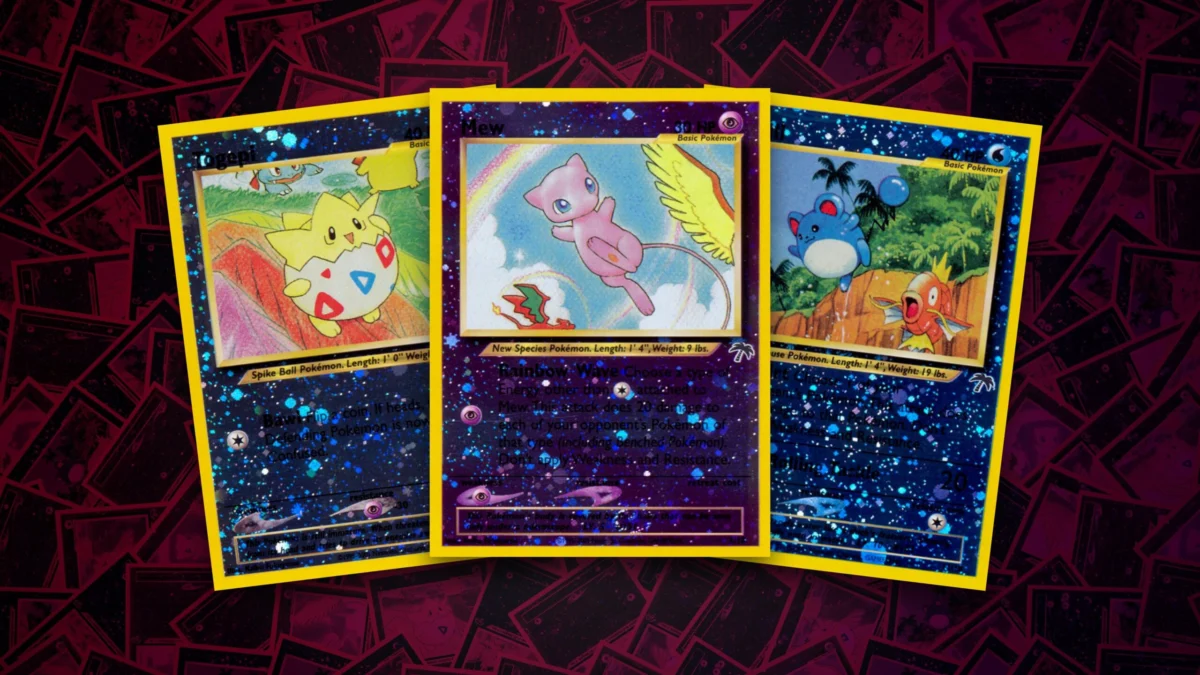
The English Southern Islands promotional set, released by Wizards of the Coast in 2001, is the epitome of this phenomenon. In a recent blockbuster auction cycle hosted by Fanatics Collect, three pristine PSA 10 Gem Mint cards from this relatively obscure promotional collection sold for a staggering combined total of nearly $1.2 million. Leading the charge was a breathtaking Holo Mew that commanded an astonishing $840,000, supported by equally formidable $168,000 sales for both the Holo Togepi and Holo Marill.
These astronomical figures underscore a broader cultural and financial shift in modern collectible card gaming: vintage artistic integrity and immaculate preservation have transformed mid-era promotional pieces into elite financial assets.
Main Facts: The Million-Dollar Island Paradise
The recent auction results have permanently altered how the collector community views the Southern Islands set. Far from being a mere historical footnote of the early-2000s Pokémon boom, the collection is now recognized as a pinnacle of TCG design and scarcity.
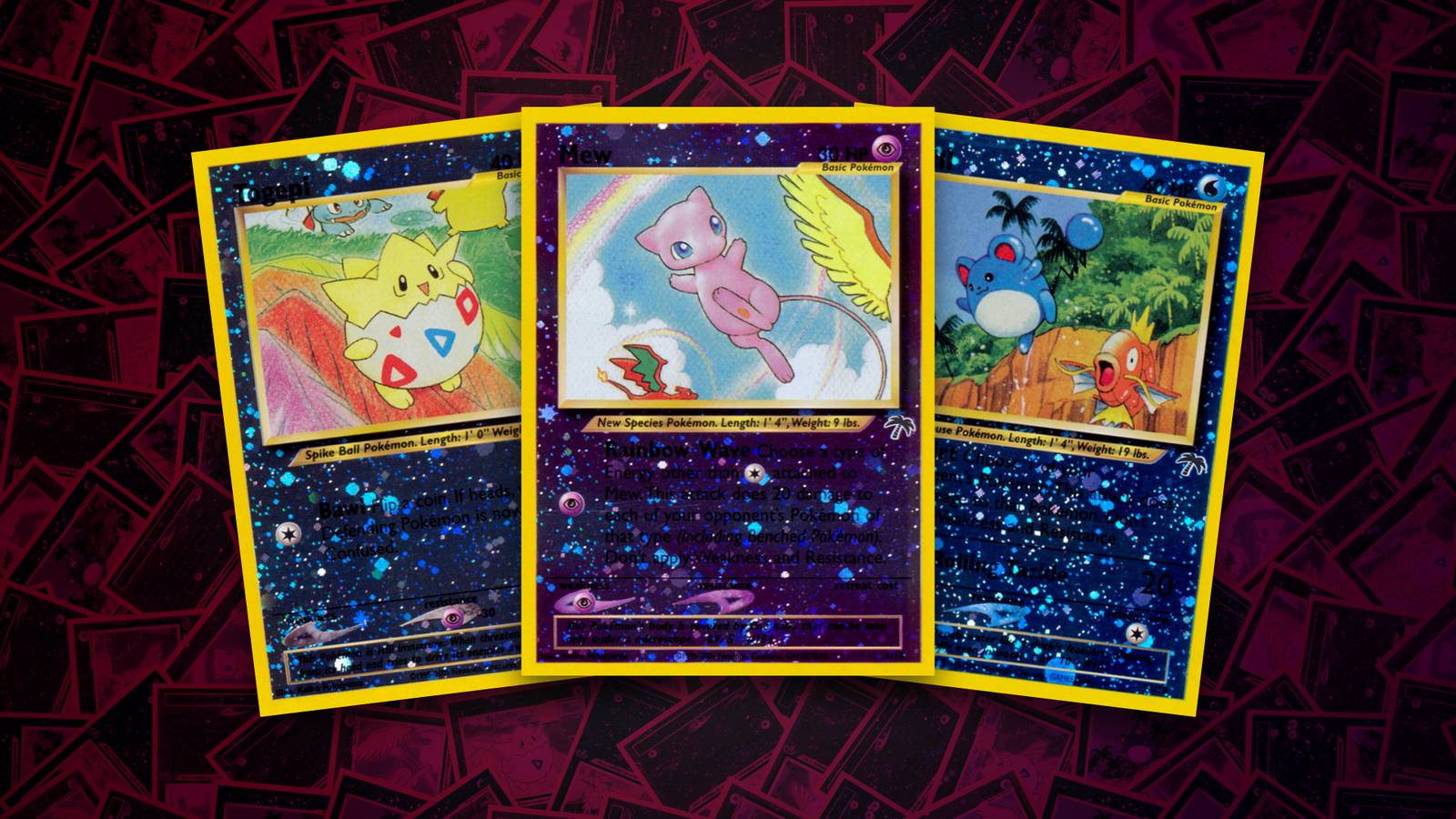
The centerpiece of the recent auction was the PSA 10 Southern Islands Holo Mew (#1), which pulled in $840,000. With a population cap restricting the number of known PSA 10 copies worldwide to just 20, this specific grading tier represents the ultimate tier of rarity for the mythical psychic Pokémon.
Joining the Mew at the top of the market were two accompanying cards—Holographic Togepi (#4) and Holographic Marill (#11)—each fetching $168,000 in identical PSA 10 Gem Mint condition. Together, these three sales account for a combined haul of $1.176 million, instantly catapulting the Southern Islands promotional run into the conversation alongside the most valuable sets in the hobby’s history.
Chronology: From 1999 Theatrical Ties to 2001 Western Release
To understand the immense value of these cards, one must trace their unique, globe-spanning history, which began long before they ever reached Western hobby shops.
1999: The Japanese Theatrical Debut
The Southern Islands collection first materialized in Japan in July 1999, arriving in tandem with the theatrical release of the second Pokémon feature film, Pokémon The Movie 2000: The Power of One (featuring Lugia). Originally, the 18-card collection was split into two distinct, beautifully decorated folders: the Tropical Island portfolio and the Rainbow Island portfolio.
Rather than being distributed through traditional randomized booster packs, these cards were intentionally bundled. Furthermore, the cards featured a brilliant design innovation: when placed side-by-side, the artwork of specific three-card sub-sets locked together to form larger, cohesive panoramic landscapes depicting fantastical, lush ecosystems inhabited by early-generation Pokémon.

2001: The Wizards of the Coast Western Launch
Nearly two years later, in 2001, Wizards of the Coast brought the collection to English-speaking markets. The release strategy mirrored the Japanese launch, packaging all 18 cards inside a vibrant, folio-style presentation folder alongside promotional postcards and three standard booster packs.
Crucially, the English printing preserved the unique aesthetic choices that made the Japanese release special. Most notably, the holofoil pattern utilized a specialized treatment featuring shimmering swirls and sparkling micro-patterns that covered virtually the entire surface of the card rather than being awkwardly restricted to the character art box. This gave the illustrations a distinctive depth and luminosity that modern card designs rarely replicate.
2026: The Modern Valuation Peak
Over the next two decades, the Southern Islands collection quietly appreciated in value. While sets like Base Set, Jungle, and Fossil dominated mainstream nostalgia, Southern Islands remained a darling of dedicated art collectors and set completionists. However, the maturation of the vintage market by 2026—supercharged by high-profile celebrations of the TCG’s legacy—pushed these low-population promotional cards from four-figure curiosities into six-figure financial behemoths.
Supporting Data: Artisanal Mastery and Population Scarcity
The staggering valuations achieved by the Southern Islands trio are not random occurrences; they are driven by hard data concerning artist pedigree, population reports, and market dynamics.
The Artists Behind the Canvas
The visual identity of Southern Islands was shaped by two legendary illustrators who brought vastly different stylistic sensibilities to the project:
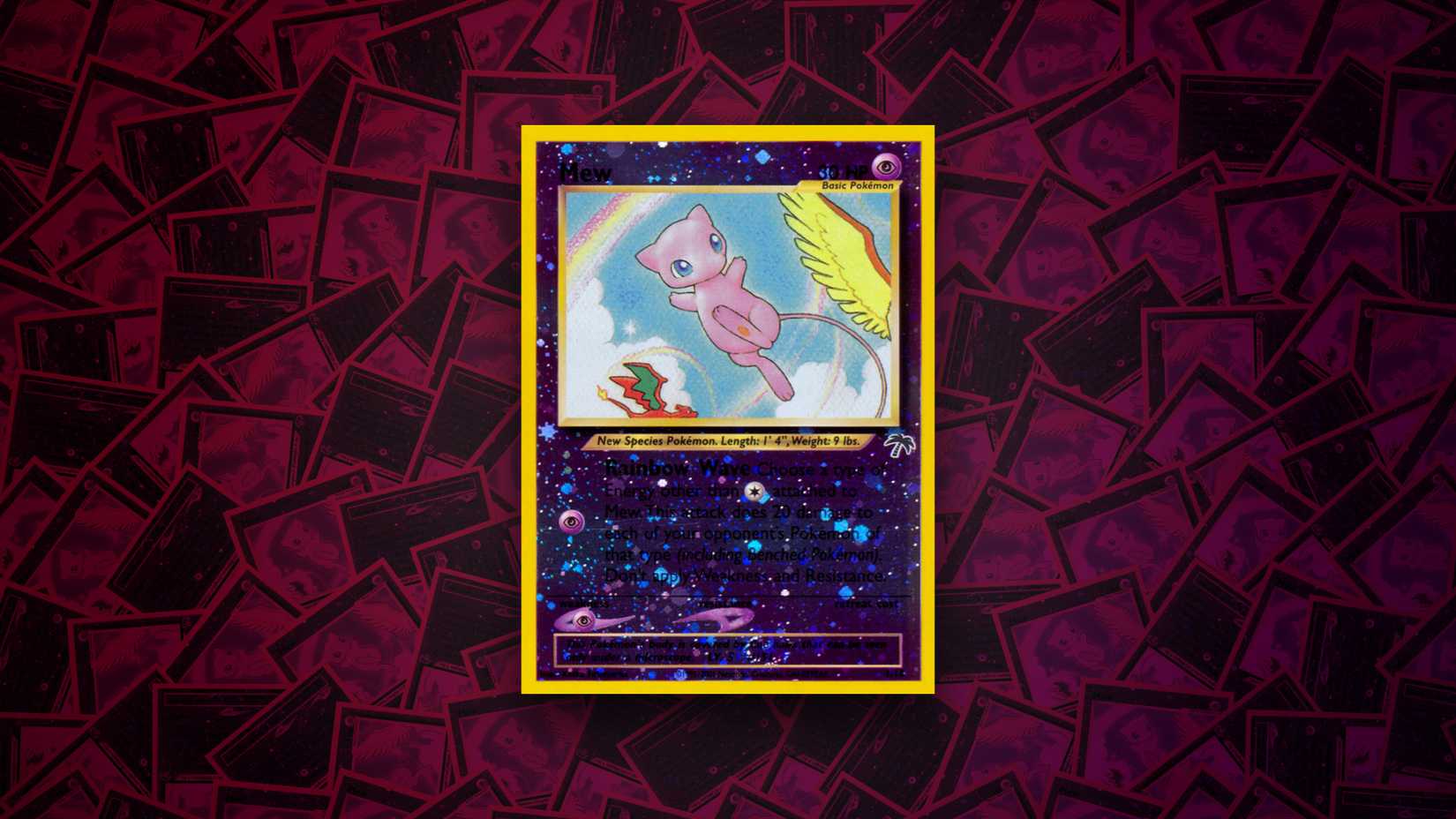
- Naoyo Kimura: A prolific veteran of the Pokémon TCG, Kimura handled the Tropical Island scenes, including the breathtaking Mew card. Kimura’s clean lines and vibrant color palettes are legendary among collectors, with his work also driving high-profile sales like the Aquapolis Lugia, which commanded $360,000 at the same auction block.
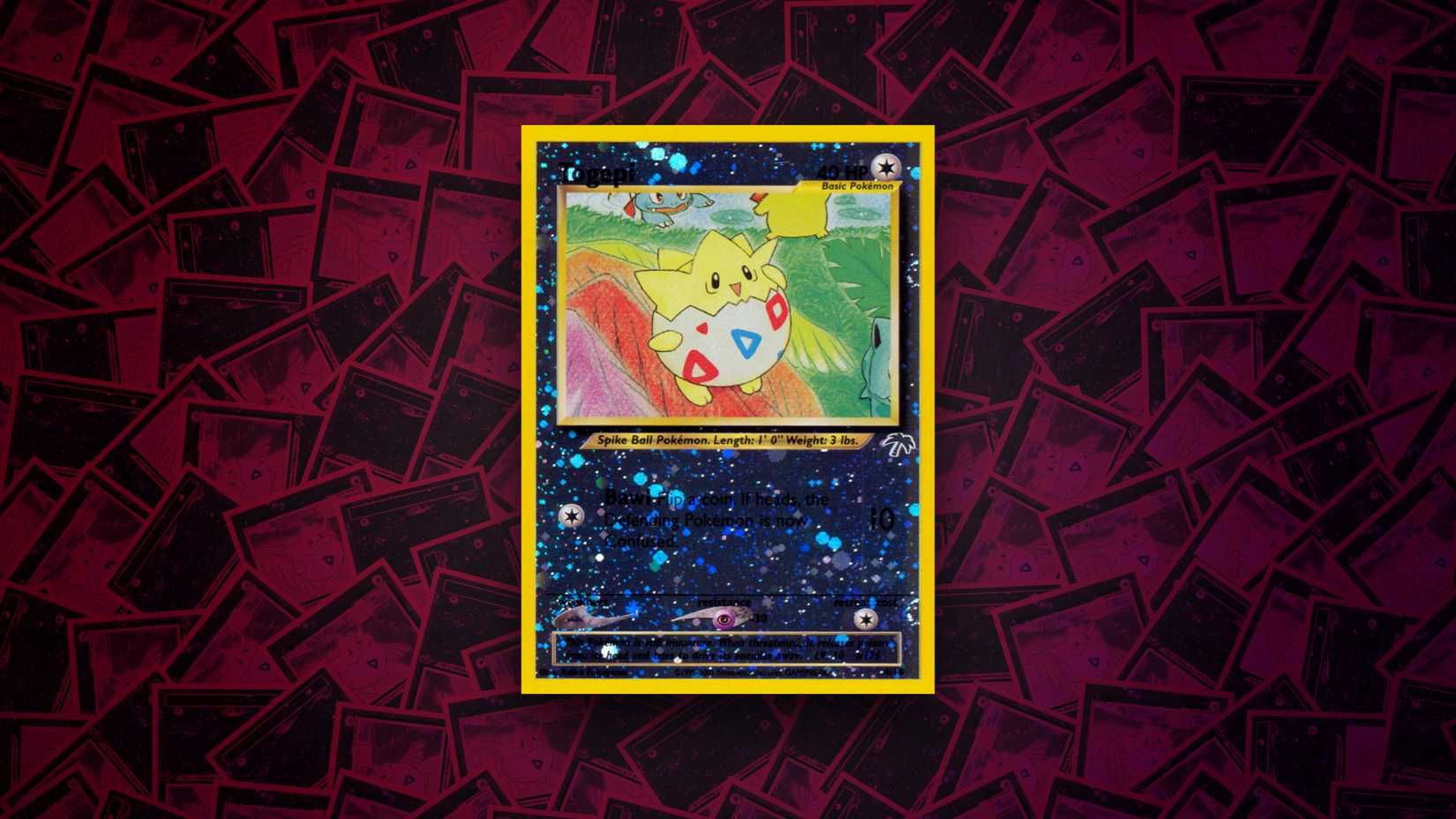
- Keiko Fukuyama: Though Fukuyama’s total contribution to the Pokémon TCG spans a mere 20 cards, her impact is immense. In addition to illustrating portions of Rainbow Island—including the record-setting Togepi—Fukuyama contributed ethereal, highly coveted artwork to the iconic e-Reader-era expansions Expedition, Aquapolis, and Skyridge. Her distinctive, saturated, slightly "chibi"-softened aesthetic gives characters like Pidgeot and Togepi an unforgettable storybook quality.
Population Scarcity and Grading Realities
Card grading plays an outsized role in modern valuations. Condition sensitivity is particularly high for Southern Islands cards due to their original packaging method, where cards were housed within cardboard sleeves inside the folio folders, making them susceptible to edge wear and micro-scratches right out of the box.
- Mew (#1): Only 20 copies globally have achieved the coveted PSA 10 Gem Mint status. This extreme scarcity directly explains the $840,000 price point, balancing high demand against an impossibly small supply of flawless copies.
- Togepi (#4) & Marill (#11): While their total populations are slightly more forgiving than the elusive Mew, finding examples capable of meeting the strict aesthetic and structural standards of a PSA 10 remains exceptionally difficult, justifying their matching $168,000 prices.
Official Responses and Market Perspectives
Industry experts and auction curators have expressed astonishment at the velocity with which mid-era promotional cards are catching up to—and occasionally surpassing—the traditional heavy-hitters of early Pokémon history.
"When you combine iconic, interconnected artwork by legendary illustrators with a strict, non-reprintable promotional release format, you create the ultimate storm for high-end collectors," notes market analysts tracking the Fanatics Collect weekly auctions. "We are seeing a paradigm shift where investors are prioritizing artistic uniqueness and historical narrative over sheer promotional ubiquity."
Furthermore, cultural touchstones like the historical mythos surrounding Marill—fondly remembered by early fans on playground message boards as the mythical "Pikablu" before its official localization—add a layer of nostalgic irony that deeply resonates with high-net-worth collectors who grew up during the peak of Poké-mania in the late 1990s and early 2000s.
Implications: What This Means for the Future of TCG Collecting
The milestone sales of the Southern Islands promos carry profound implications for the broader trading card ecosystem, signaling several critical trends for the future:
- Diversification Beyond Base Set: For years, market liquidity was overwhelmingly concentrated in Base Set first-edition holos. The success of Southern Islands, alongside contemporaneous e-Reader sets, proves that capital is actively rotating into artist-driven, promotional, and uniquely packaged subsets.
- The Premium on Condition and Aesthetics: The stark financial divide between raw or lightly played copies and pristine PSA 10 slabs highlights the hyper-professionalization of the hobby. As institutional-grade wealth enters the market, perfection commands an exponentially higher financial premium.
- The Rise of Mid-Era Nostalgia: As the primary demographic of Pokémon fans—those who experienced the franchise as children in the late ’90s and early 2000s—reach their peak earning years, the collectibles of their specific adolescent memories are seeing unprecedented capital injections. Sets released during the Wizards of the Coast era are increasingly viewed with the same reverence previously reserved for fine art and vintage sports memorabilia.
Conclusion
Paradise may not come cheap, but for the fortunate few holding pristine pieces of the Southern Islands collection, the journey from a simple $20 promotional folder in 2001 to a million-dollar auction block in 2026 is a testament to the enduring cultural and financial power of the Pokémon Trading Card Game. As long as rare art, deep nostalgia, and fierce collector passion intersect, records will continue to fall.
 Siti Muinah
 Azzam Bilal Chamdy
 Nila Kartika Wati
