

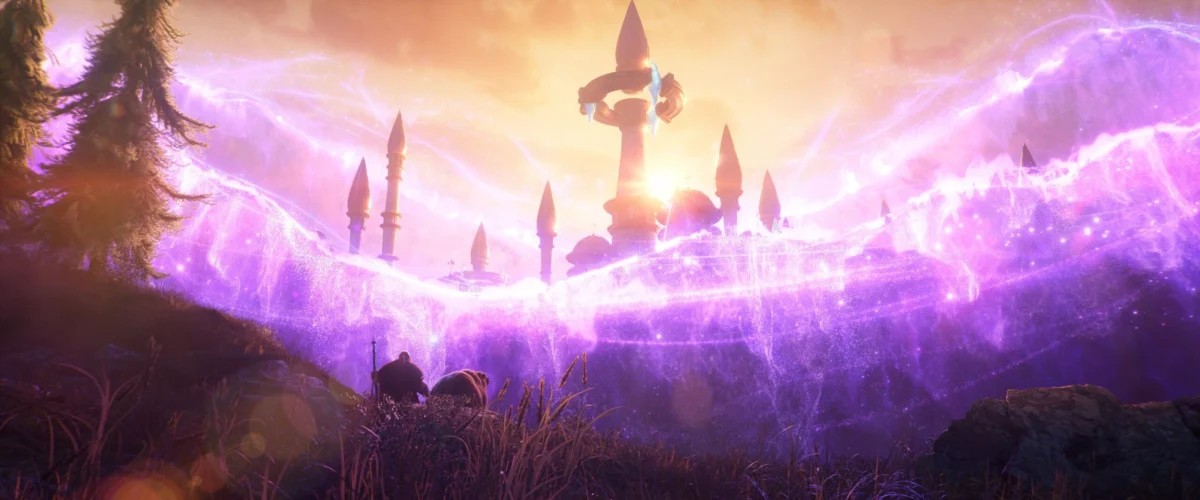
Introduction: Freezing Time in Azeroth
For two decades, World of Warcraft (WoW) has been a living, breathing digital organism. Over its twenty-year history, Blizzard Entertainment’s flagship massively multiplayer online role-playing game (MMORPG) has evolved dramatically. It has weathered monumental lore catastrophes, shattered continents, introduced countless systems of progression, and expanded through nearly a dozen major expansions. For millions of players, these changes represent a continuous journey of innovation. Yet, for a vocal and passionate segment of the community, the relentless march of expansions has left behind a specific kind of magic: the grounded, communal, and often grueling adventure of the game’s earliest years.
Enter World of Warcraft Forever. Set to launch on November 4 for Mac and Windows PC—with a beta testing phase currently underway—Forever represents Blizzard’s most ambitious attempt yet to capture lightning in a bottle. Rather than moving forward into uncharted narrative territory or raising the level cap ever higher, Forever places World of Warcraft into a conceptual time bubble. It freezes the game in the sweet spot between Warcraft 3 and The Burning Crusade, refusing to let the creep of future expansions alter its core identity.
Yet, Forever is not merely a carbon copy of the 2004 release. It introduces brand-new content—including zones, quests, dungeons, and a brand-new playable race known as the Skyborne—alongside thoughtful quality-of-life improvements. At BlizzCon, Polygon sat down with Lead Game Designer Tim Jones and Lead Software Engineer Nora Valletta to discuss the philosophy, design challenges, and ultimate ambitions driving this throwback MMO.
Main Facts: What is World of Warcraft Forever?
At its core, World of Warcraft Forever is an alternative evolution of the original game, affectionately dubbed "Classic Plus" by the community. Key facts regarding the release include:
- Release Date: November 4, available on Mac and Windows PC (currently in beta testing).
- The Time Bubble: The game’s timeline is strictly quarantined between Warcraft 3 and The Burning Crusade. Major lore milestones like the opening of the Molten Core, the rise of the Lich King (Arthas is still alive), and Illidan’s downfall have not happened. The world exists in a perpetual state of "Vanilla" WoW.
- Level Cap: The maximum level is capped at 60, and developers have confirmed that the cap will remain at 60 permanently. There are no plans to introduce higher thresholds.
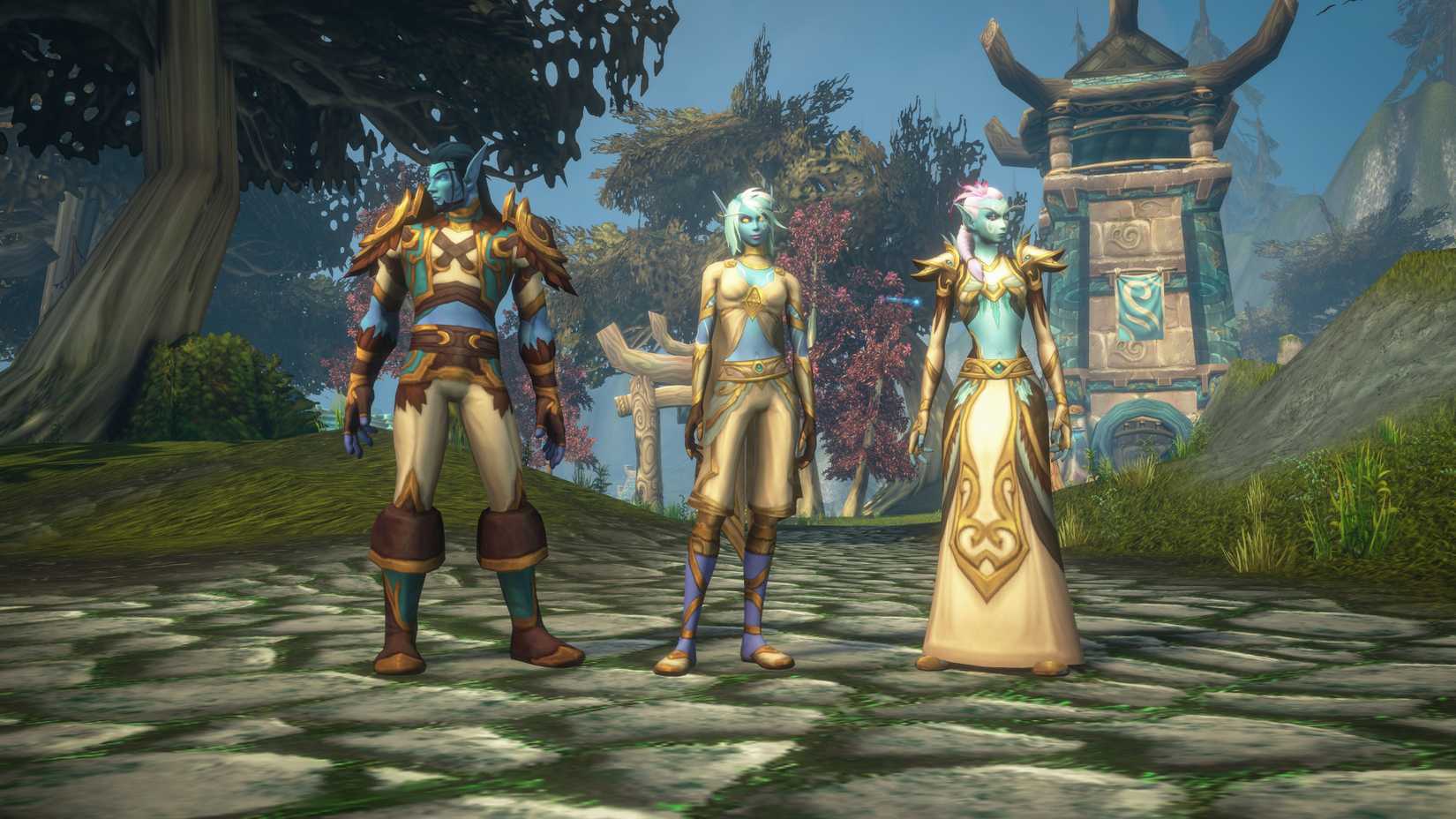
- New Additions: Despite being locked in time, Forever features roughly 1,000 new quests, fresh dungeons, entire zones (such as the Riverglades and Zephras Isle), and a new playable race called the Skyborne—highborne exiles from Eldre’Thalas.
- Core Philosophy: "Journey before destination." The leveling experience is treated as the primary game, rather than a mere hurdle to clear on the way to end-game raiding.
Chronology: The Road to Forever
To understand why World of Warcraft Forever is happening now, it is necessary to examine the timeline of Blizzard’s Classic initiative over the past several years.
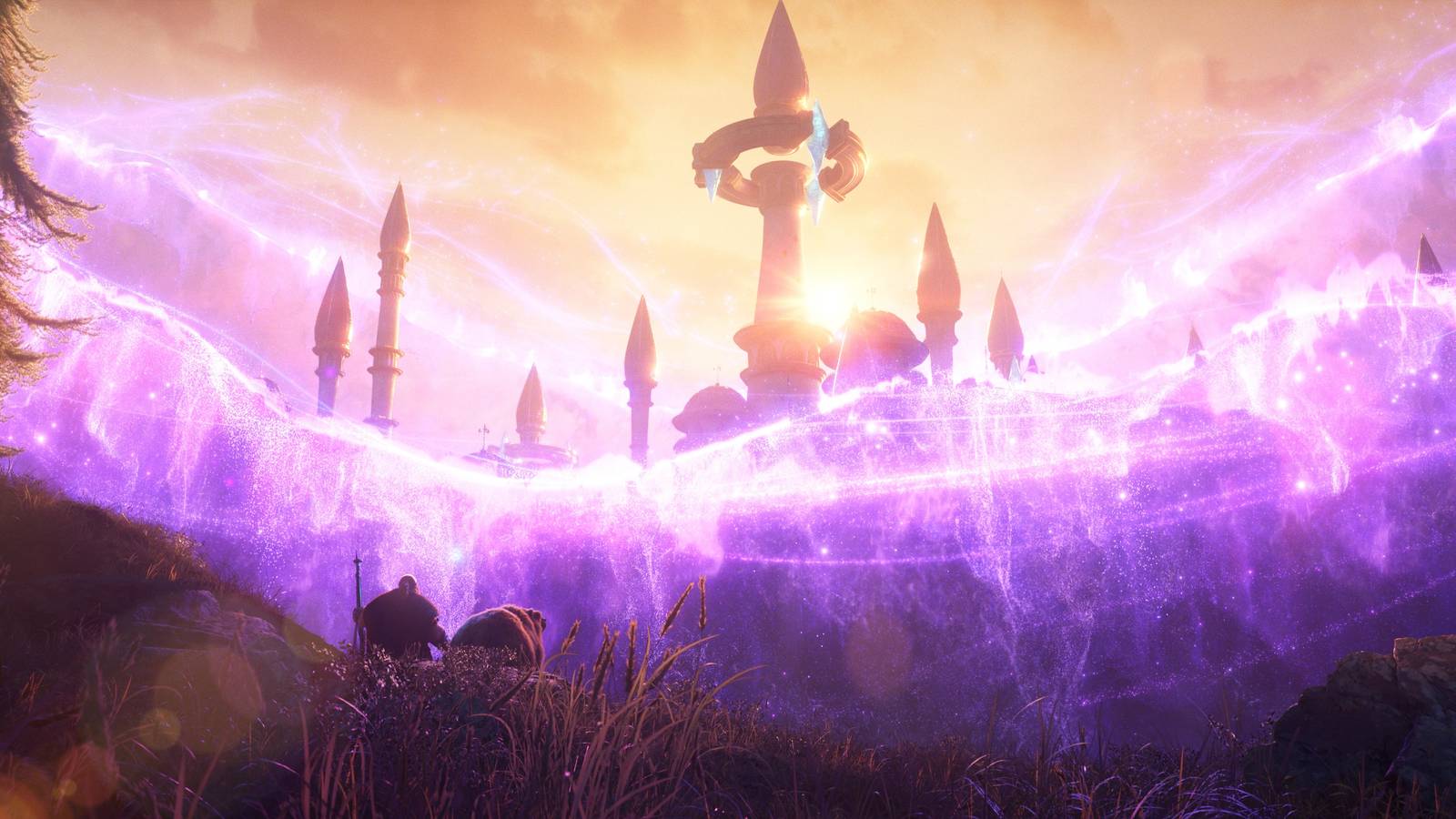
2019: The Time Capsule Era
When Blizzard first launched World of Warcraft Classic in 2019, the scope was modest and conservative. The goal was to provide a historical time capsule—a museum piece allowing players to experience the game as it existed in 2004–2006 with as much historical accuracy as possible.
The Evolution of the Classic Team
Over the next several years, the development team assigned to Classic evolved. As the community demonstrated an insatiable appetite for revisiting these older iterations, the developers grew in confidence, resources, and institutional trust within Blizzard.
Season of Discovery: Testing the Waters
The turning point arrived with the Season of Discovery. This experimental initiative threw caution to the wind, introducing radical changes, runes, and class alterations to see how a modified "Classic" environment would perform. According to Nora Valletta, the player response was overwhelming. It proved that a deep, lingering hunger existed for something beyond mere preservation: players wanted new experiences built within the old framework.
November 2026: The Launch of Forever
Realizing that temporary seasonal variations only scratched the surface, Blizzard conceptualized Forever—a permanent, ever-expanding home for players who want a continuous, unhurried journey in Vanilla Azeroth.
Supporting Data & Design Philosophy: "Found Photographs"
Creating new content for a twenty-year-old game without disrupting its nostalgic integrity requires strict adherence to design boundaries. When asked about the approach to designing 1,000 new quests and dungeons, Tim Jones emphasized the concept of "found photographs."
+-------------------------------------------------------------+
               THE "FOUND PHOTOGRAPH" PRINCIPLE
+-------------------------------------------------------------+
| • Simple objectives reflecting 2004 creature design         |
| • Pacing that respects the slow, deliberate Vanilla combat  |
| • New landmasses anchored firmly in pre-existing lore       |
| • Maintaining the exact geographic silhouette of continents |
+-------------------------------------------------------------+
"We want to make sure that whatever content we add feels like it could have always existed in 2004," Jones explained. If a player from 2004 were to time travel to the present day and play through a new zone, the objectives should feel appropriately scaled, the creature difficulty should match the zone, and the complexity should remain restrained.
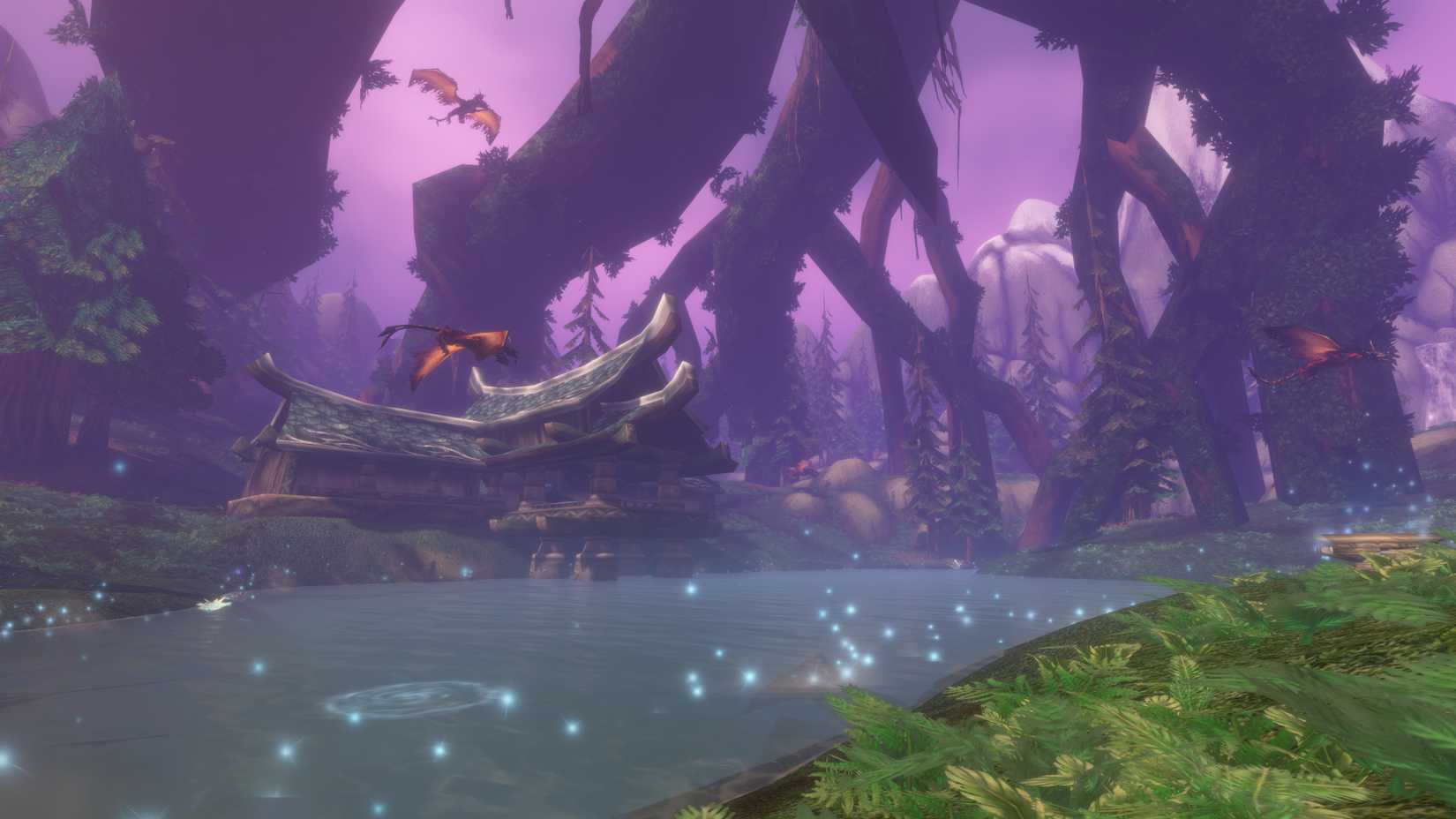
For instance, the development team looked at underutilized spaces like the Wetlands, asking themselves what new objectives could have naturally existed there. Similarly, when designing the new zone of the Riverglades, the team looked back at the campaign missions of Warcraft and Warcraft 2—specifically the sacking of Stormwind and the human pursuit of retreating orcs—to determine if those armies could have established a presence on the eastern coast of the Eastern Kingdoms.
Meeting the Modern Player’s Schedule
One of the most significant hurdles for a game styled after 2004 World of Warcraft is the lifestyle shift of its original player base. The teenagers and young adults who once spent four to six hours an evening raiding Molten Core are now adults with careers and families.
Nora Valletta, who fits squarely into this demographic, noted that Forever is specifically designed to accommodate limited playtime. "You’ll log in, maybe check my auctions, maybe farm some herbs," she said. Even a 20-minute diversion—such as stumbling upon a player attempting to gank someone on a PvP server and turning it into an impromptu skirmish—constitutes a satisfying session.
Tim Jones, a father of two young children, echoed this sentiment. He noted that players do not need to feel "behind" for engaging in slow progression. If a player takes 100 days to reach level 60, that is entirely acceptable. There is no mandatory race to the end game.
Official Responses: Cultivating Community and Social Fabric
Perhaps the most fascinating aspect of Forever is how Blizzard’s engineering and design teams are actively working to resurrect the organic social interactions that modern MMORPGs have largely streamlined away.
The Dangers of Over-Convenience
When onboarding new players, developers often feel compelled to remove every ounce of friction. Pop-ups explaining quest mechanics or automatic teleportation systems are staples of modern gaming. However, Valletta warns against over-correction:
"We might be inclined to think, ‘We’re going to make sure there’s no friction at all in the onboarding experience…’ But at the same time, if you have that, it’s also robbing players of the opportunity to learn. Sure, they might just Google it, but they may actually ask other players for help, and that’s an opportunity to make a relationship. And that is a cornerstone of WoW Forever."
Engineering Serendipity: The Campfire System
To systematically protect and nurture these social experiences, Blizzard introduced innovative mechanical systems. The primary example is the camping system.
After leaving the starting zone, players can acquire a quest to learn how to construct a campfire. This requires investing in trade skills. Once built, players must sit around the campfire object for roughly a minute to gain a powerful leveling buff.
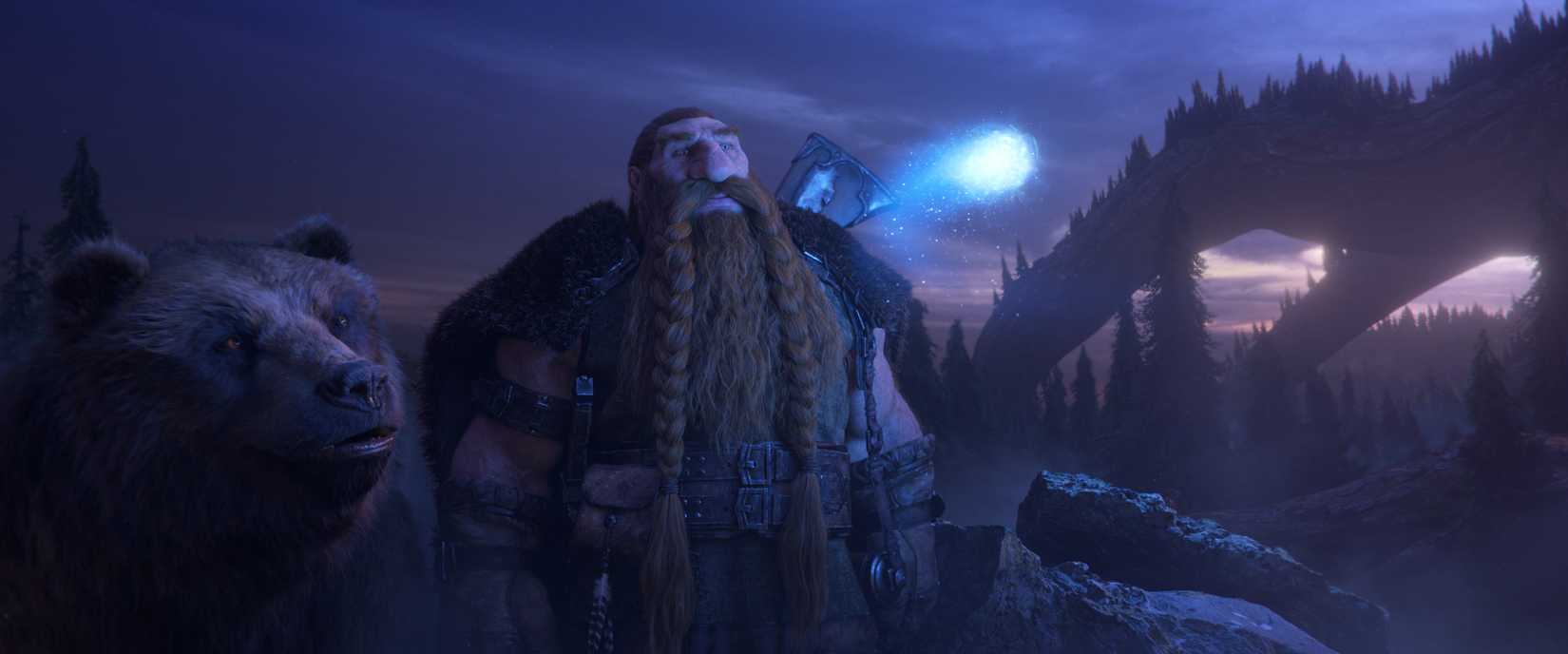
Mechanically, this forces a moment of stillness. In a world where flight points take minutes to traverse rather than offering instant teleportation, and where campfires require resting next to strangers, players are naturally encouraged to chat. A player waiting out their campfire buff in Tanaris is likely to turn to their neighbor and ask, "Are you doing the Murloc quest? Me too. Let’s party up."
Behind the scenes, Valletta’s engineering team is implementing backend tracking to catalog player interactions. If you complete a quest run or a dungeon like Deadmines with specific players in Westfall, the server’s matchmaking logic will strategically group you with those same individuals later in your journey—say, when you’re questing through Desolace at level 40. These serendipitous reunions are designed to foster long-term friendships and guild bonds.
Implications: A New Era for MMORPG Preservation
The launch of World of Warcraft Forever carries profound implications for the gaming industry at large. For years, the life cycle of an MMO has been viewed as a one-way street: expansion follows expansion until the original game world is rendered unrecognizable or obsolete.
Forever offers a blueprint for game preservation through active development. It proves that an MMO can look backward and forward simultaneously—honoring the nostalgic architecture of its past while injecting fresh narratives, new races, and modern stability.
Furthermore, by welcoming both veterans and absolute newcomers into an unhurried, socially driven environment, Blizzard is betting that the modern gamer is craving an antidote to hyper-fast, high-stress end-game loops. As Tim Jones summarizes, the game offers a "fresh start on a game that isn’t seasonal. It’s not fleeting, and I can take my time playing it and not necessarily feel overwhelmed or like I’m falling behind."
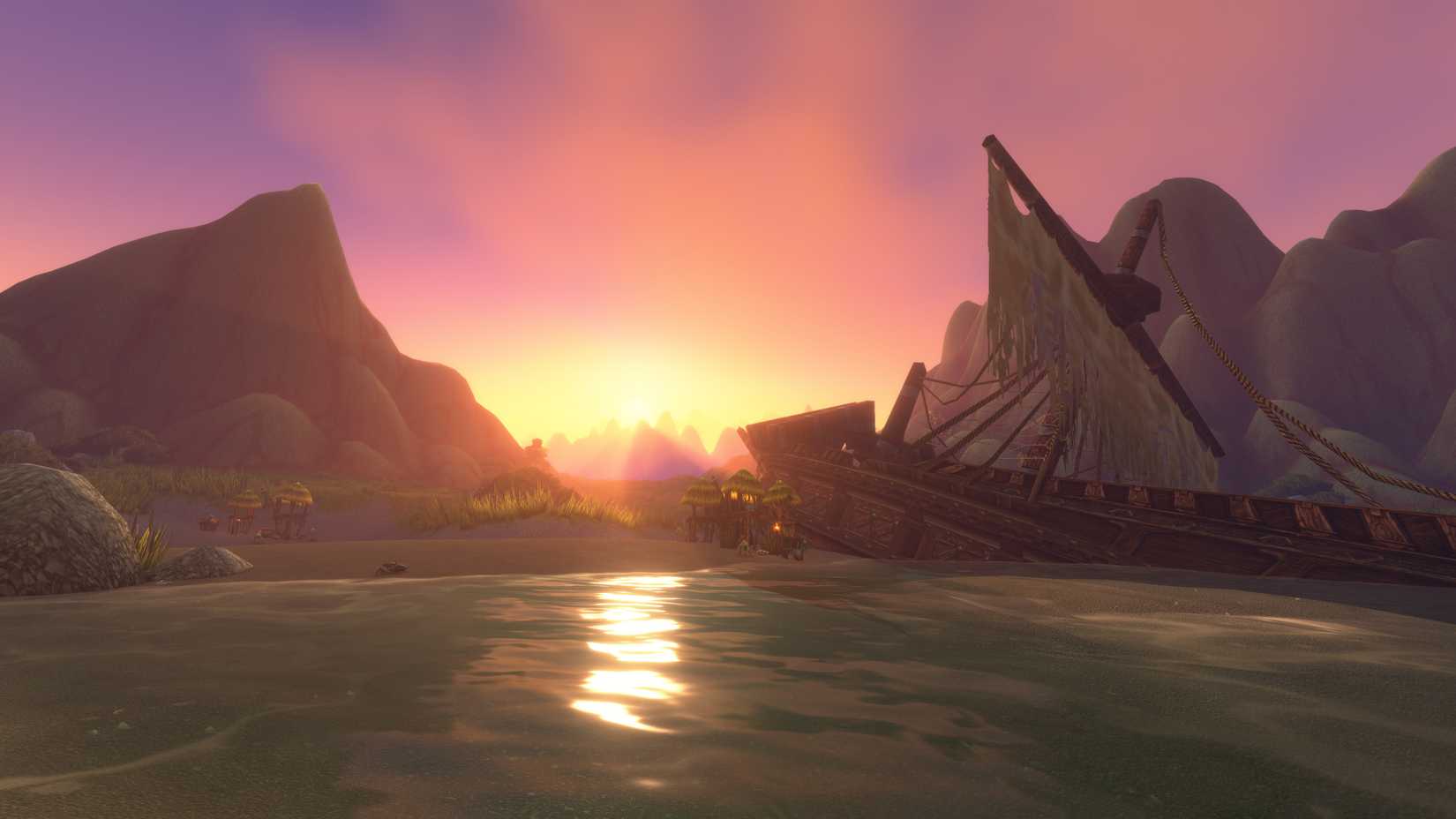
As World of Warcraft Forever approaches its November 4 release date, it stands as a testament to the enduring power of Azeroth’s earliest days—proving that sometimes, the best way forward is to slow down and sit by the campfire together.
 Basiran
 Nana Muazin
 Layla Zulfa
