

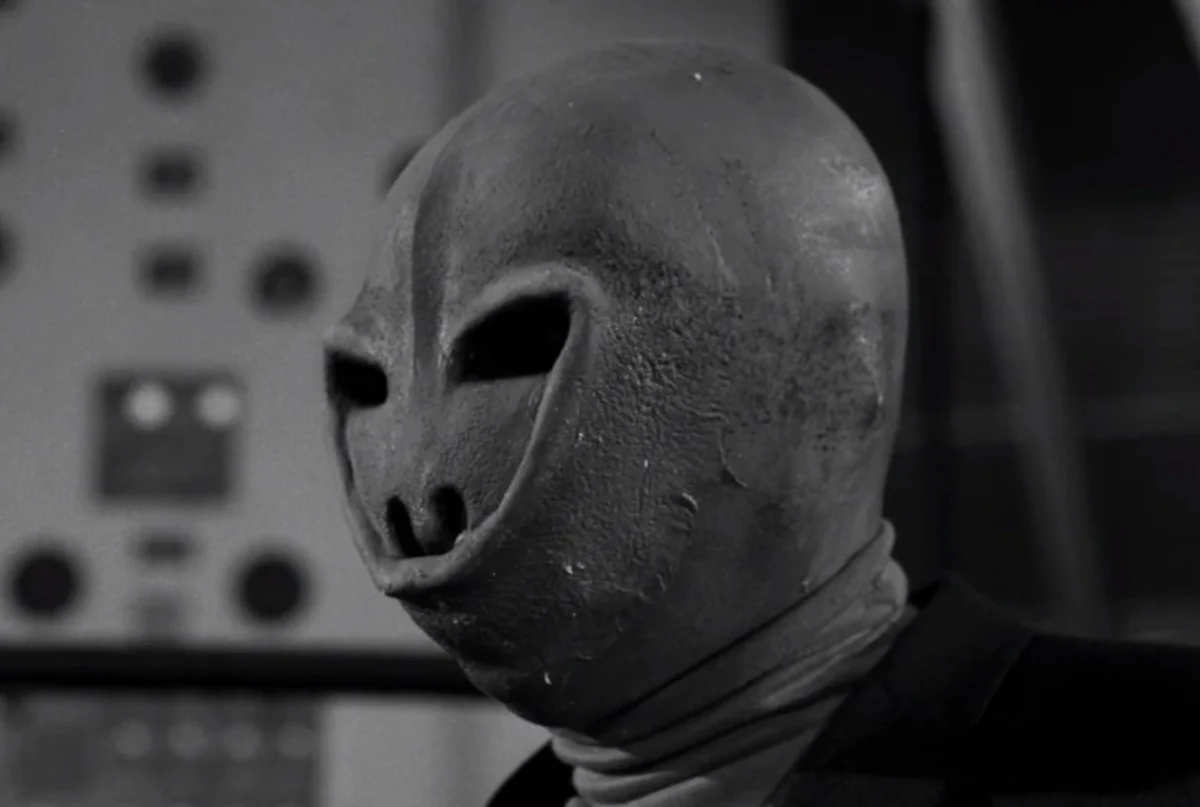
When cinephiles and television enthusiasts debate the titans of science fiction, the conversation almost invariably gravitates toward multi-billion-dollar juggernauts like Star Wars or Star Trek. From a sheer profitability and merchandising standpoint, these space-faring franchises have dominated cinema screens and living rooms for decades. However, if one measures a property’s cultural footprint by its profound influence, thematic weight, and structural DNA within the genres of speculative fiction and horror, a different contender emerges from the shadows.
Pretty much all roads in modern science fiction and horror lead back to a single, landmark television milestone: The Twilight Zone.
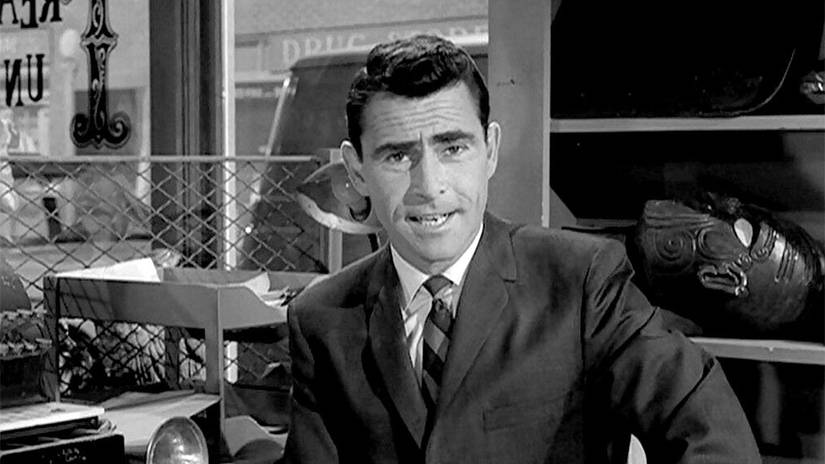
For generations of viewers, the eerie, hypnotic guitar-and-xylophone strains of Marius Constant’s theme song, paired with Rod Serling stepping forward into frame to declare, "You are about to enter another dimension," have signaled the beginning of a storytelling masterclass. For those looking to revisit television history—or experience it for the very first time—the original 1959 series is currently available to stream completely free on Tubi, offering a timely reminder of why the greatest sci-fi anthology ever created has never truly been matched.
Main Facts: The Anatomy of a Television Revolution
Debuting on CBS on October 3, 1959, The Twilight Zone ran for five landmark seasons, producing 156 episodes. Created, hosted, and heavily written by television pioneer Rod Serling, the series broke completely from the conventions of 1950s television. At a time when the medium was dominated by live-action taped plays and multi-camera sitcoms like I Love Lucy, Serling envisioned an ambitious single-camera anthology where each 30-minute episode functioned as a self-contained, high-concept cinematic short film.
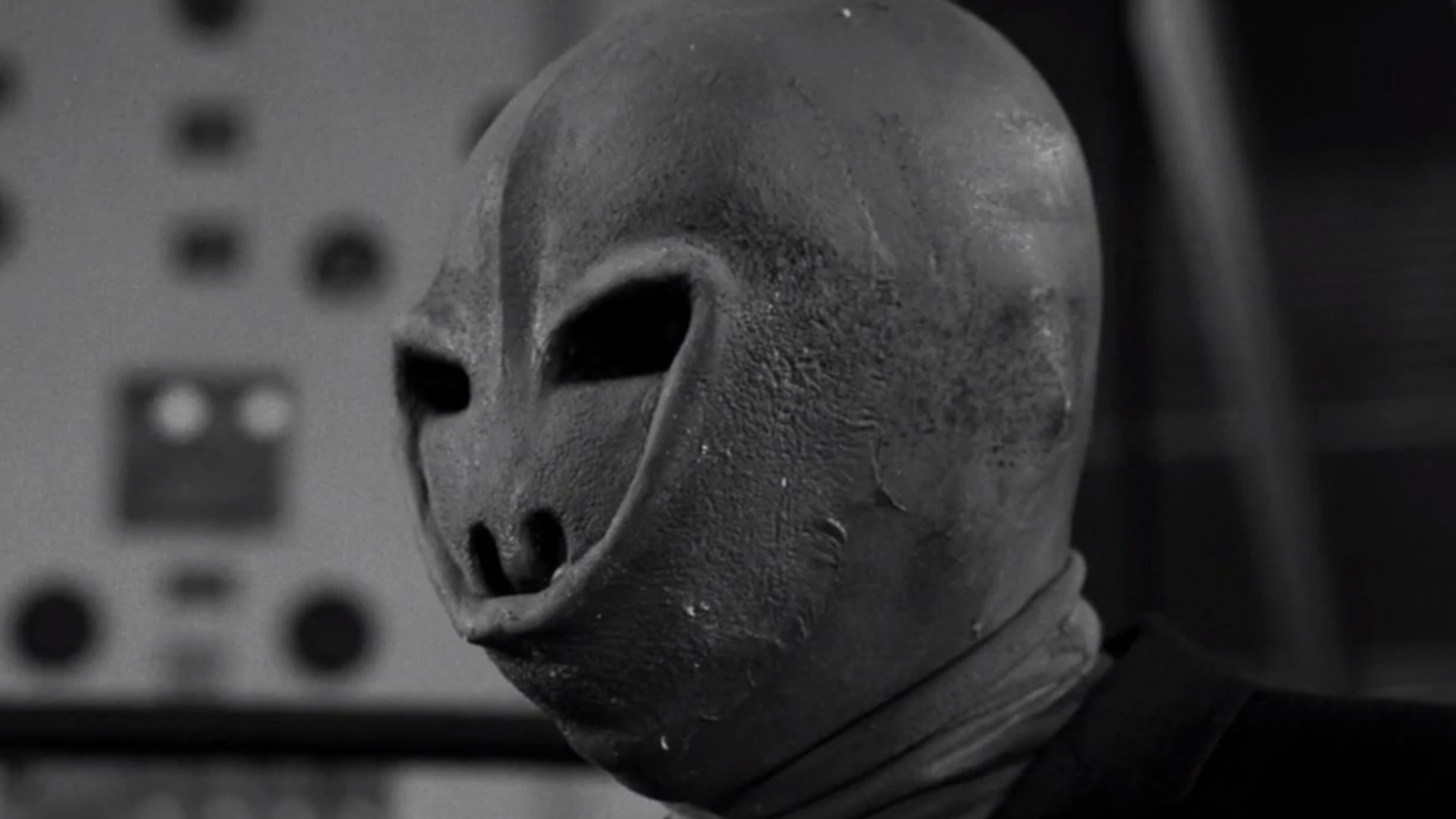
Unlike serialized dramas, The Twilight Zone wiped the slate clean every single week. A viewer might tune in one week to find a man trapped in a post-apocalyptic library where reading is considered a capital crime, and the next week watch an airline passenger terrified by a gremlin visible only to him on the wing of a commercial jetliner.
While the surface-level trappings often leaned into genre tropes—time travel, alien invasions, literal ghosts, and possessed toys—the core of the show was fundamentally human. Serling and his stable of writers used the distance provided by speculative fiction to smuggle potent social commentaries past nervous network censors. Prejudice, war, conformity, loneliness, morality, and deep-seated regret were examined under a microscopic lens.
Chronology: From 1950s Visionary Experiment to Streaming Staple
To understand the longevity of The Twilight Zone, it is helpful to trace its evolution from a risky television experiment into an immortal cultural institution.
The Genesis (Late 1950s)
Frustrated by corporate censorship that routinely neutered his hard-hitting social dramas on live television (most notably his script for Noon on Thursday, which was heavily altered over racial themes), Rod Serling realized he needed a Trojan horse. By dressing his critiques of McCarthyism, racism, and societal conformity in the garms of science fiction and fantasy, he could bypass the censors. CBS greenlit the pilot, "Where Is Everybody?", and The Twilight Zone was born.

The Golden Run (1959–1964)
The show’s five-season run on CBS cemented its legacy, though it weathered minor format shifts. While seasons 1, 2, 3, and 5 stuck to the tried-and-true half-hour format, Season 4 experimented briefly with hour-long episodes. Though some creators felt stretched by the longer runtime, it produced several memorable entries before the series returned to its tight, punchy thirty-minute roots for its final season.
The Literary Era and Collaborations
Serling could not shoulder the creative burden entirely alone, and his recruitment of legendary authors elevated the show’s literary pedigree. The series drew foundational inspiration from early speculative pioneers like H.G. Wells and Mary Shelley. More importantly, Serling actively courted the finest science fiction and fantasy writers of the mid-20th century. Ray Bradbury, Richard Matheson, and Charles Beaumont penned some of the series’ most indelible scripts. Serling himself, however, remained the driving engine, penning nearly 100 of the show’s 156 episodes while serving as its iconic, cigarette-smoking host.
The Revival Eras and Modern Accessibility (Late 20th Century–Present)
The property’s enduring appeal has spawned multiple revivals over the decades—including a late-1980s CBS reboot, a 2002 UPN version hosted by Forest Whitaker, and a 2019 Paramount+ iteration produced by Jordan Peele. Yet none have ever eclipsed the original. Today, the accessibility of the classic 1959 run on free-to-stream platforms like Tubi ensures that Serling’s cautionary tales remain discoverable to modern audiences accustomed to binge-watching culture.
Supporting Data: Legendary Episodes and Literary Heavyweights
The enduring success of The Twilight Zone rests on a bedrock of masterclass episodes that have permeated popular culture so thoroughly that even people who have never seen the show recognize their plots and imagery.
- "Nightmare at 20,000 Feet" (Season 5, Episode 3): Written by Richard Matheson and directed by Richard Donner, this episode stars a young William Shatner as a recovering nervous breakdown patient who spots a gremlin methodically dismantling the engine of his airplane mid-flight. It remains one of the most heavily parodied sequences in television history.
- "To Serve Man" (Season 3, Episode 24): Based on a short story by Damon Knight, this chilling alien-invasion narrative features a towering, peaceful race called the Kanamits who arrive on Earth with a book titled To Serve Man. Its infamous twist ending is widely regarded as one of the best punchlines in narrative history.
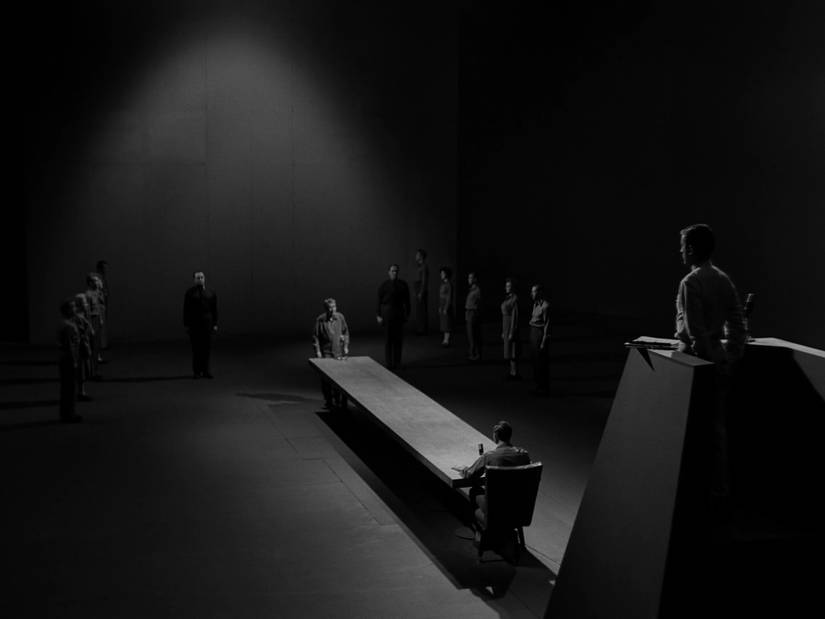
- "The Obsolete Man" (Season 2, Episode 29): Written by Serling, this totalitarian dystopia presents a librarian condemned to death by a monolithic state that has declared human beings "obsolete." It stands as a terrifyingly prescient warning against government overreach and the erasure of individuality.
- "Living Doll" (Season 5, Episode 6): Featuring a murderous talking doll named Talky Tina, this episode directly influenced the killer doll subgenre, with Chucky creator Don Mancini citing it as a foundational inspiration for his iconic horror franchise.
Official Responses and Industry Legacy: Direct Lineage to Modern Masterpieces
The creative community has long acknowledged a profound debt to Rod Serling’s vision. Modern auteurs frequently point directly to specific Twilight Zone episodes as the structural blueprints for their own award-winning cinema.
Director Jordan Peele, whose socially conscious horror films like Get Out, Us, and Nope have redefined modern cinema, has frequently spoken about his reverence for the show. Peele explicitly stated that his 2019 psychological horror film Us was directly inspired by the Season 1 episode "Mirror Image," which deals with doppelgängers and identity psychological horror.
Furthermore, the architectural DNA of The Twilight Zone can be tracked across decades of prestige television:
- The Outer Limits (1963): Premiering shortly after The Twilight Zone, it applied a similar sci-fi anthology framework with a slightly more monster-of-the-week horror focus.
- The X-Files (1993): Creator Chris Carter designed his groundbreaking paranormal procedural as a spiritual successor to Serling’s work, blending government conspiracy with monster-of-the-week speculative fiction.
- Black Mirror (2011): Charlie Brooker’s critically acclaimed anthology series is universally recognized as the spiritual heir to The Twilight Zone for the digital age, trading Cold War paranoia and nuclear anxiety for contemporary anxieties surrounding technology, social media, and algorithmic control.
- Fringe and Lost: J.J. Abrams’ mystery-box television epics borrowed heavily from Serling’s penchant for metaphysical puzzles, bizarre phenomena, and philosophical inquiry.
Implications: Why The Twilight Zone Matters More Than Ever Today
As viewers navigate an era dominated by hyper-serialized streaming content, sprawling cinematic universes, and franchise fatigue, The Twilight Zone offers a refreshing antidote.
Because it is an anthology series, it demands no homework. Viewers can freely bounce around, sampling guaranteed classics without worrying about keeping track of multi-season continuity arcs. It is a show built for intermittent viewing—something you can step into and out of at your leisure.
Admittedly, not everything about a television show produced over six decades ago has aged gracefully. Modern audiences may find the practical special effects quaint, and certain social attitudes of the early 1960s occasionally peek through the cracks. Yet, because the show relied so heavily on universal subtext—human vanity, fear of the unknown, the corrupting nature of power, and the desperate need for empathy—the vast majority of its catalog remains astonishingly poignant and relevant.
In an entertainment landscape saturated with sci-fi and horror heavily indebted to its innovations, returning to The Twilight Zone is not merely an exercise in nostalgia. It is an encounter with the very fountainhead of modern speculative fiction. Whether you are revisiting old favorites or stepping through the door for the very first time, the journey into another dimension remains essential viewing—especially while it is still free to stream.
 Basiran
 Suro Senen
