

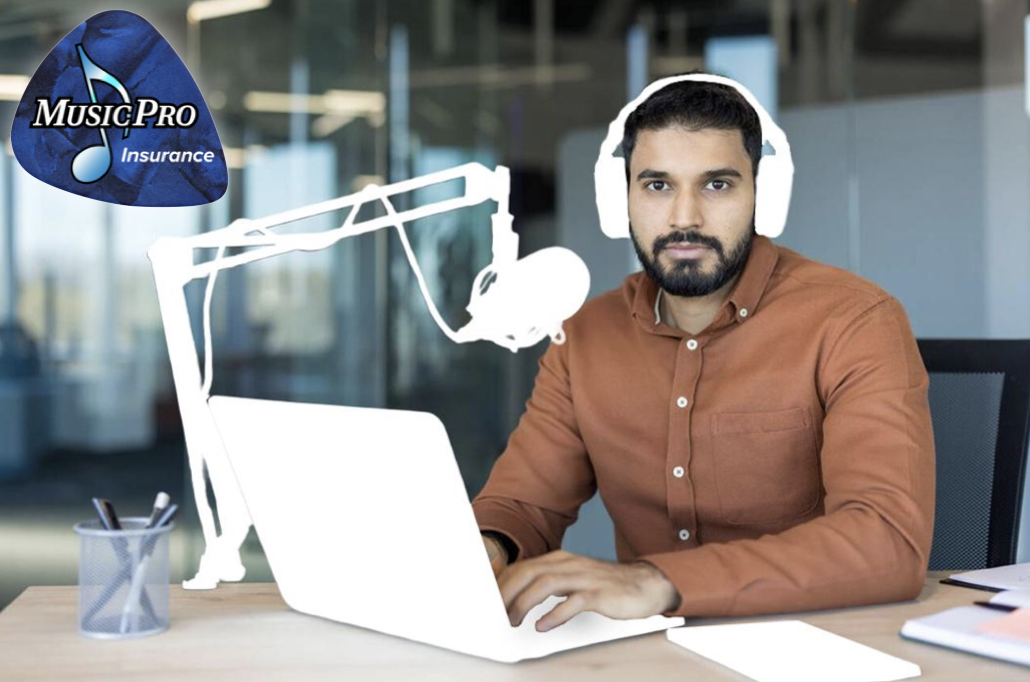
In the rapidly expanding landscape of the digital creator economy, many podcasters and content producers view their home offices as their personal sanctuaries. From high-end microphones and audio interfaces to sound-dampening panels and lighting rigs, the modern home studio represents a significant capital investment. However, a common misconception—that this professional-grade gear is automatically protected under standard homeowner’s insurance—is leaving thousands of independent creators financially vulnerable.
As the industry matures and professional equipment becomes a standard prerequisite for entry, the distinction between "personal property" and "business equipment" has never been more critical. Failing to recognize this boundary can lead to catastrophic losses should theft, fire, or accidental damage occur.
The Core Problem: The Business Equipment Exclusion
For the uninitiated, it is easy to assume that if an item is kept within the four walls of one’s home, it is covered by a standard policy. This assumption is often shattered the moment a claim is filed. Most homeowner’s insurance policies contain specific exclusions for business-related equipment. Because the gear is used to generate income, insurance providers categorize it as commercial assets rather than personal belongings.
When a podcaster submits a claim for a stolen microphone or a laptop damaged by a power surge, the insurer typically investigates the primary use of the equipment. If the evidence confirms the gear is used for professional production, the claim is often denied. This leaves the creator to shoulder the total cost of replacement, a blow that can effectively end a burgeoning media career.
Chronology: From Hobbyist to Professional
To understand how we reached this point, we must look at the evolution of the independent creator:
- The Early Days (2005–2015): Podcasting was largely a hobbyist pursuit. Gear was modest, and the "studio" was often a simple USB mic at a kitchen table. Homeowner’s insurance was rarely a point of contention because the value of the equipment was negligible.
- The Prosumer Shift (2016–2022): As podcasting grew into a viable monetization vehicle, creators began investing thousands of dollars into acoustic treatment, XLR chains, and high-performance computers. The "prosumer" market exploded, and the value of home studios skyrocketed.
- The Modern Era (2023–Present): With the integration of AI-driven editing suites and high-fidelity streaming setups, the home studio is now a commercial enterprise. Insurers have tightened their language, explicitly excluding business assets to minimize their risk profile, catching many creators off-guard.
Supporting Data: The Cost of Negligence
The financial impact of a lack of coverage is significant. According to recent industry surveys regarding independent media production, the average professional home podcasting studio setup—inclusive of audio interfaces, microphones, studio monitors, and acoustic hardware—is valued between $3,500 and $12,000.

In the event of a total loss (e.g., a home fire or burglary), the absence of a specialized business equipment policy means the creator loses 100% of their investment. Unlike physical businesses that operate out of commercial offices, podcasters are often decentralized, making them less likely to have formal risk management protocols in place. This "invisible" risk is one of the most overlooked hurdles for new media companies.
Official Guidance: The Need for Specialized Protection
Experts in the insurance sector emphasize that general insurance policies are simply not designed to handle the nuances of the creator economy. Laura Donelan of MusicPro Insurance, a firm with over two decades of experience in protecting music and AV gear, notes that "white glove" protection is no longer a luxury—it is a necessity for anyone treating their craft as a business.

MusicPro, backed by industry stalwarts like ASCAP and Sterling Risk, has spent years tailoring policies that bridge the gap between personal insurance and commercial liability. Their guidance is clear: professional creators should seek out specialized policies that cover equipment not only in the home but also in transit, as many podcasters frequently take their mobile rigs to remote recording locations.
Key Questions to Ask Your Insurer:
- Does my policy cover business-use equipment? (Many policies have a low sub-limit for business property, often capped at $1,500–$2,500, which is insufficient for most professional studios.)
- Is my equipment covered for "replacement cost" or "actual cash value"? (Replacement cost is preferred, as it covers the cost of buying a new unit, whereas actual cash value accounts for depreciation.)
- Is the gear covered when I take it to external recording sessions? (Standard policies are often tied strictly to the address of the home.)
Implications for the Future of Podcasting
The shift toward professionalized independent media requires a parallel shift in professional business practices. As we look at the current podcasting ecosystem, it is clear that data and performance are only half the battle. While platforms like Apple Podcasts and Spotify provide the data to track growth, the physical infrastructure of the show requires its own protection.

The Professionalization of Content
The recent milestone of Think Fast Talk Smart hitting its 300th episode serves as a testament to the longevity and effort required to succeed in the audio space. Achieving that kind of consistency requires reliable equipment. When a host invests in their voice and their brand, the physical tools they use become an extension of their business equity. Ignoring the insurance aspect is, in effect, leaving one’s business assets exposed to the whims of fate.
Emerging Trends in Media
Current industry discussions, such as those featured on the Media Roundtable regarding the future of distribution and monetization, suggest that the podcasting industry is moving toward a more decentralized, creator-owned model. As more creators move away from big networks and toward independent ownership, they assume the role of the "small business owner" in its entirety. This includes taking responsibility for liabilities, legal protections, and asset security.

Summary: A Checklist for Creators
For any creator looking to secure their future, the following steps are recommended:
- Inventory Your Gear: Create a detailed spreadsheet including serial numbers, dates of purchase, and current market values. Store this off-site or in a secure cloud environment.
- Audit Your Existing Policy: Contact your homeowner’s or renter’s insurance provider and specifically ask about "business equipment exclusions."
- Seek Specialized Coverage: Explore options with companies that specialize in music and AV equipment. These firms understand the value of a specific microphone or interface in a way that a general insurer may not.
- Maintain Records: Keep receipts and digital invoices. In the event of a claim, proving the value of your gear is essential for a smooth settlement.
In conclusion, the growth of the podcasting industry is a triumph of technology and creativity. However, the sustainability of this growth depends on the stability of the creators themselves. By securing the physical infrastructure of the studio, podcasters can ensure that when they face a "what went wrong" moment—whether it be a technical failure, theft, or a household accident—they have the financial backing to get back on the mic as quickly as possible. Don’t wait for a disaster to discover the limitations of your policy. Reach out to specialists, verify your coverage, and focus on what you do best: creating great content.
 Asep Darmawan
 Jia Lissa
 Neng Nana
